Amon Carter Museum of American Art
3501 Camp Bowie Blvd, Fort Worth, TX 76107-2631 Posted by Brandon B.Admin
One of America's Best Small Art Museums, Right on Camp Bowie
The Amon Carter Museum of American Art sits at the top of a gentle hill on Camp Bowie Boulevard in Fort Worth's Cultural District, a few minutes west of downtown. It focuses exclusively on American art, which sounds like a narrow lane until you walk through and realize how much territory that actually covers. Photography, painting, sculpture, prints, and works on paper spanning more than two centuries fill the galleries, and almost all of it is free to enter.
Fort Worth punches above its weight when it comes to museums, and the Amon Carter is a significant reason why.
Why the Amon Carter Museum Matters
The collection was built on the personal passion of Amon G. Carter Sr., a Fort Worth newspaper publisher who spent decades gathering American Western art, particularly works by Frederic Remington and Charles Russell. When the museum opened in 1961, it was designed by Philip Johnson, one of the most influential American architects of the twentieth century. That original limestone building, with its loggia of arched openings facing a broad terrace, is still the visual anchor of the campus today.
The collection has grown well beyond its Western art roots. The photography holdings are particularly serious, numbering in the tens of thousands of prints and representing one of the strongest collections of American photography anywhere in the country. You will find work by Carleton Watkins, Laura Gilpin, and William Henry Jackson alongside twentieth-century masters. If you care about the history of photography as an art form, this alone justifies the trip.
Quick Facts
- Address: 3501 Camp Bowie Blvd, Fort Worth, TX 76107
- Neighborhood: Fort Worth Cultural District, about 10 minutes by car from downtown Fort Worth
- Admission: Free for general admission (some special exhibitions may require a ticket)
- Architect: Philip Johnson (original 1961 building); subsequent additions expanded the footprint considerably
- Collection focus: American art including painting, sculpture, photography, and works on paper
- Parking: Free on-site parking is available in the lot off Camp Bowie
- Nearby: The Kimbell Art Museum is roughly a 5-minute walk; the Modern Art Museum of Fort Worth is close as well
Getting There
The Cultural District is easy to reach by car. From downtown Fort Worth, head west on Camp Bowie Boulevard and the museum's hilltop position makes it visible from the road. The free parking lot is accessed from the side streets rather than directly off Camp Bowie, so slow down once you see the signs. If you're arriving from the Stockyards or the Near Southside, budget about 15 minutes depending on traffic.
The Molly the Trolley route and the Fort Worth bus system serve the Cultural District, though most visitors drive or use rideshare. If you're staying near Sundance Square downtown, a rideshare is the most convenient option and the fare is short.
The Layout and Experience
The building complex is larger than it looks from the outside. The 1961 Johnson structure connects to additions built in phases over the following decades, the most significant of which opened in 2001 and roughly tripled the exhibition space. The result is a sequence of galleries that flow between the warm limestone of the original building and the more neutral tones of the newer wings, all tied together well enough that you rarely feel disoriented.
The terrace in front of the original loggia is worth pausing on. It looks out over a lawn and toward the street, framed by Johnson's arched openings, and it gives you a sense of how deliberately the building was set into the landscape. On a clear day, the light in this part of Texas is sharp enough to make the limestone glow.
Inside, the galleries are arranged thematically and chronologically in loose rotation. The museum rotates works from its permanent collection regularly, so even if you've visited before, the hang will likely be different. Photography exhibitions tend to occupy their own dedicated wing, which feels appropriate given the depth of that collection.
Main Highlights
The Remington and Russell paintings and bronzes are what drew many early visitors, and they remain compelling. Remington's ability to capture movement, particularly horses at full gallop, has a kinetic quality that reproductions don't fully convey. Standing in front of the originals, you understand why these works made his reputation.
The photography collection is the other anchor. American landscape photography from the nineteenth century is especially strong, with large-format prints that document the West before and during the era of expansion. These aren't snapshots. Many are technically demanding works made under difficult conditions, and the museum treats them with the seriousness they deserve.
Beyond those anchors, the painting collection covers American artists from the Hudson River School through the twentieth century. You will encounter works that are well known and others that deserve more attention than they typically get. The museum has a curatorial point of view rather than simply accumulating famous names.
History and Background
Amon G. Carter Sr. died in 1955, and the museum opened six years later in 1961 as a fulfillment of his vision to give Fort Worth a significant cultural institution. Carter was famously protective of his city, famously carrying a lunch bag when visiting Dallas to avoid spending money there, and his museum was in part an act of civic pride. Philip Johnson's commission for the building was a serious one, and the result is considered one of Johnson's cleaner, more restrained works.
The museum has operated under the Amon Carter Foundation since its founding and has maintained free general admission for most of its history, which is not something every institution of this caliber manages.
Best Time to Visit
Weekday mornings tend to be quiet. The Cultural District draws crowds on weekends, especially when multiple museums have openings or events running simultaneously, so if you want space to stand in front of a Remington without company, Tuesday through Thursday before noon is reliable. Spring and fall are the most pleasant seasons in Fort Worth for walking between the nearby museums.
Summer in Fort Worth is genuinely hot, often above 100 degrees Fahrenheit in July and August, so the air-conditioned galleries are welcome relief. Just know that summer weekend afternoons can be busy with families.
Photography Tips
The museum generally permits non-flash photography of the permanent collection for personal use, but always check current policy at the entrance since it can change with special exhibitions. The loggia and terrace outside the original Johnson building photograph well in the morning when the light hits the limestone from the east. The interior galleries have controlled lighting that is good for viewing but can be tricky for photography, so manual exposure settings will serve you better than auto.
Combining with Nearby Attractions
The Cultural District is one of the most concentrated clusters of serious art museums in the American South. The Kimbell Art Museum is a short walk away and houses a strong international collection in a Louis Kahn building that is itself worth the visit. The Modern Art Museum of Fort Worth, also nearby, focuses on post-1945 work in a Tadao Ando building set beside a reflecting pool. You can reasonably visit all three in a single day if you pace yourself, though giving two days to the district is the better approach if your schedule allows.
The Fort Worth Botanic Garden is also within the Cultural District and makes a good counterpoint to a morning in the galleries.
Practical Tips
- Arrive with comfortable shoes. The galleries cover significant ground and the connection between building phases involves some walking.
- The museum shop carries a strong selection of art books focused on American artists and is worth browsing even if you're not a regular book buyer.
- Check the museum's website before visiting for current exhibition listings. The permanent collection rotation means what's on view changes.
- If you're visiting with children, the museum has programming aimed at younger visitors, and the free admission makes it a low-pressure stop.
- The terrace and lawn area are open even when you're just passing through the district, so it's a reasonable place to take a break between museum visits.
- Coat check and bag storage options vary by season and event, so travel light if possible.
FAQ
Is the Amon Carter Museum of American Art always free?
General admission to the permanent collection is free. Special traveling exhibitions sometimes carry a separate admission fee, so it's worth checking the current schedule online before you visit.
How long should I plan to spend there?
Most visitors find that one and a half to two hours covers the permanent collection comfortably without rushing. If there's a major special exhibition running, add another 30 to 45 minutes.
Is the museum accessible for visitors with mobility needs?
The museum has elevator access connecting the building levels and accessible entrances. The parking lot also includes accessible spaces. It's worth calling ahead if you have specific requirements, as the multi-phase building has some quirks in its layout.
Can I visit the Amon Carter and the Kimbell on the same day?
Yes, and many visitors do exactly that. The walk between them takes about five minutes, and both are worth serious time. If you add the Modern Art Museum of Fort Worth, the three together make for a full and rewarding day in the Cultural District.
Reviews
Sign in and mark this place visited to leave a review.
No reviews yet.
Free Trip Planner
Plan your Fort Worth trip with our free planner
Build a day-by-day itinerary with AI suggestions, hand-picked places, and friends. Free forever — no credit card.
Related reading
Things to see near Amon Carter Museum of American Art


Places to eat or drink near Amon Carter Museum of American Art

The Porch Pour
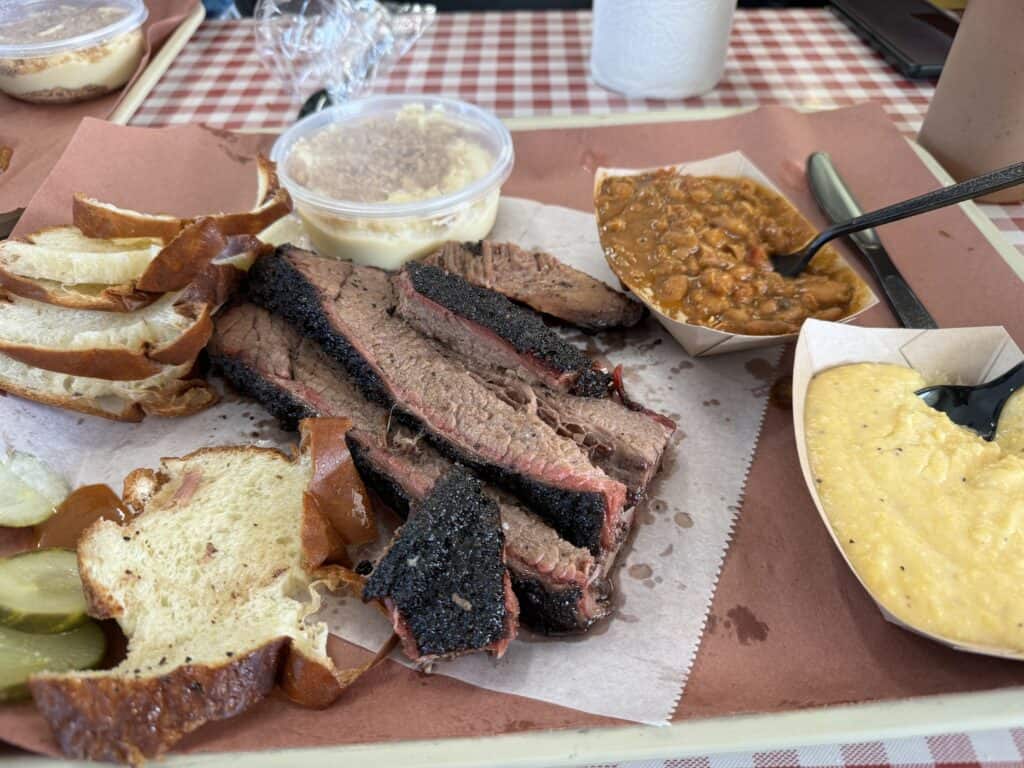
Goldee's Barbecue
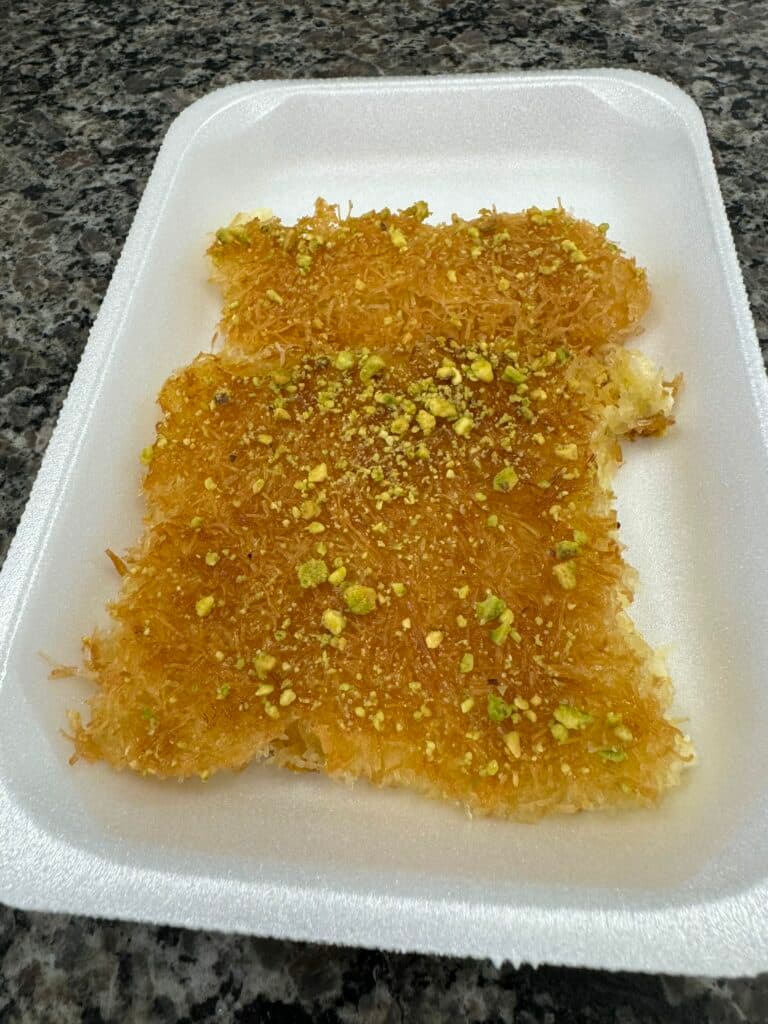
Kunafa Factory