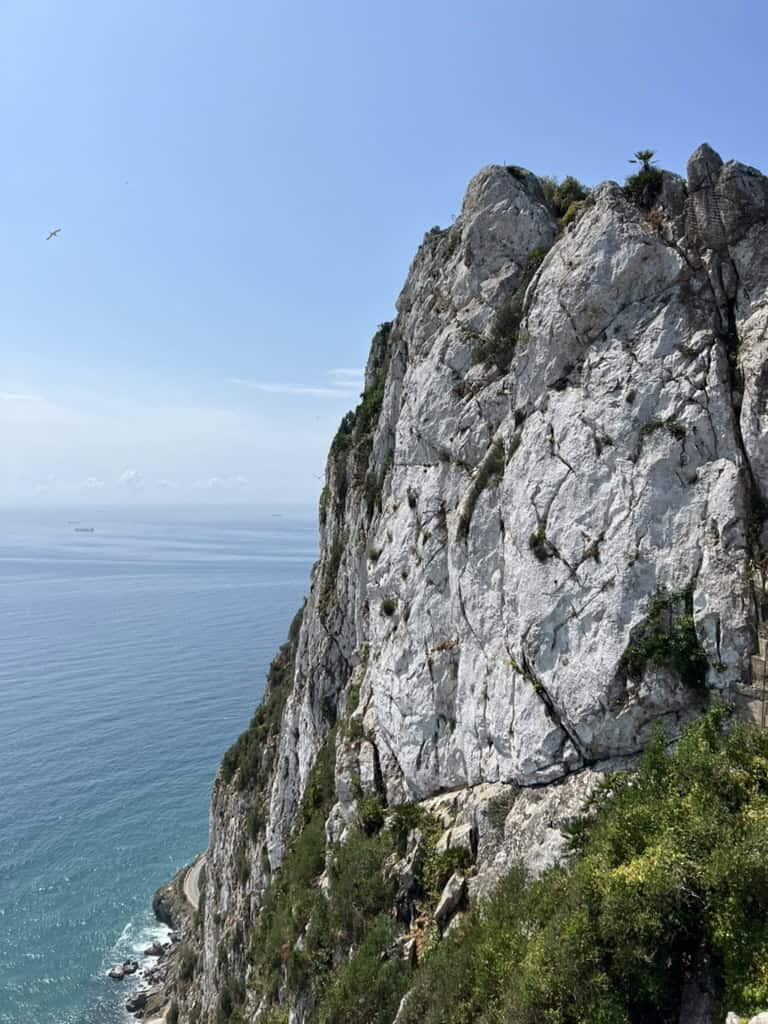
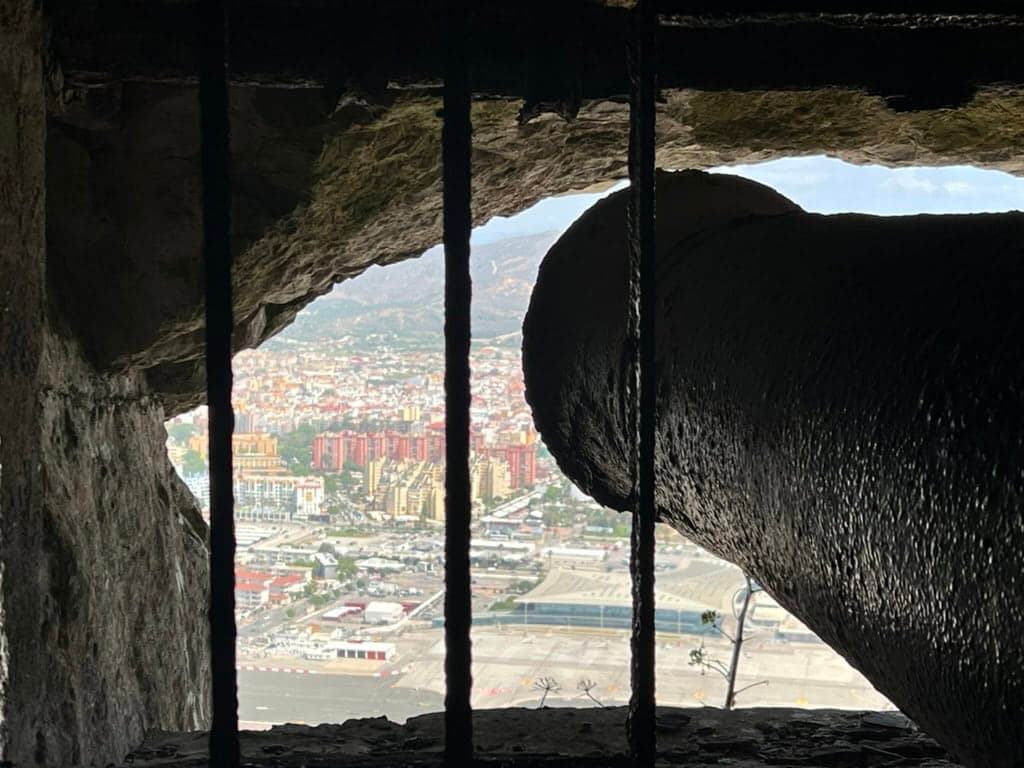
Apes Den
Old Queen's Road, Gibraltar Posted by Brandon B.Admin
Apes Den, Gibraltar: Where the Barbary Macaques Run the Show
If you visit Gibraltar and skip Apes Den, you've missed the whole point. This open-air viewing area on the lower slopes of the Rock of Gibraltar is where you come face to face with the famous Barbary macaques, the only wild primates living freely in Europe. The spot sits along Old Queen's Road and draws visitors from the moment the gates open, with good reason. Nowhere else on the continent can you watch a troop of wild monkeys go about their day just a few feet away.
The macaques here are not caged, not performing, and not particularly interested in your approval. They climb, groom each other, squabble over food, and occasionally decide your backpack is worth investigating. That unpredictability is exactly what makes Apes Den worth the trip.
Why Apes Den Matters
The Barbary macaque population on Gibraltar has become one of the territory's defining symbols, woven into local identity for centuries. Legend holds that if the apes ever leave the Rock, British sovereignty over Gibraltar will end. Whether you believe the story or not, the British Army has historically taken it seriously enough to manage and protect the population. Today the Gibraltar Ornithological and Natural History Society and the Gibraltar government oversee the welfare of the troops.
There are roughly 300 macaques living on the Upper Rock, split across several troops, and the group at Apes Den tends to be the most accessible and the most comfortable around people. That familiarity makes for remarkable wildlife encounters, but it also means visitors need to take the posted rules seriously.
Quick Facts
- Location: Old Queen's Road, on the western slope of the Upper Rock Nature Reserve
- Animals: Barbary macaques (Macaca sylvanus), the only wild primates in Europe
- Access: Reachable on foot, by cable car (disembarking at the top station and walking down), or by taxi/tour vehicle
- Entry: Included in the Upper Rock Nature Reserve admission for most visitors; check current arrangements at the gate
- Feeding the apes: Strictly prohibited
- Best viewing: Morning hours, when the troop is most active
- Distance from the town centre: Roughly 15 minutes by road or taxi
Getting There
From Gibraltar's main town, the most straightforward option is the cable car, which departs from near the Alameda Botanical Gardens on Red Sands Road. The top station drops you near the Upper Rock's main attractions, and Apes Den is a short walk downhill from there. The cable car ride itself gives you a sweeping view over the Strait of Gibraltar and, on clear days, the coast of Morocco.
If you'd rather drive or take a taxi, the road up to the Nature Reserve entrance is well signposted from the town centre. Taxis are plentiful near the Grand Casemates Square area and drivers know the route well. Many visitors combine the ascent by road with a cable car descent, or vice versa.
Walking up from town is possible but steep. The road is paved, but the gradient is serious and the heat in summer makes it tiring. Most people find the cable car the easier choice.
The Experience at Apes Den
The viewing area itself is a rocky terrace with low stone walls and open ground where the macaques congregate, especially in the mornings. There's no enclosure. The apes move freely, and on any given day you might arrive to find a dozen of them lounging on the walls or a mother nursing an infant in the shade of a tree just a few metres away.
Rangers and guides are usually present, partly to keep visitors from doing anything foolish. The macaques look approachable, and they are, but they're also strong, fast, and capable of a serious bite if they feel threatened or provoked. The rules are simple: don't feed them, don't try to hold them, keep food and drinks out of sight if you can. A macaque that spots a water bottle or snack bag in your hand will often move toward you with considerable purpose.
The interactions you get by just standing still and observing are genuinely extraordinary. Young apes tumble over each other while adults ignore them. Grooming sessions happen in plain view. Occasionally a macaque will climb onto a visitor's shoulder without warning, which makes for a memorable photograph but also a slightly alarming few seconds. Gibraltar's tourism authority and local guides tend to discourage encouraging this behavior, even though it happens.
History and Background
Barbary macaques are native to the Atlas Mountains of Morocco and Algeria. How they arrived in Gibraltar is still debated. Some accounts suggest they were introduced by Moorish inhabitants during the centuries of Arab rule over the Rock, which began in 711 AD. Others point to later introductions by British forces. What's clear is that they've been here long enough to become deeply embedded in the territory's culture and folklore.
Winston Churchill is often credited with ordering the replenishment of the ape population during the Second World War when numbers had dropped dangerously low, specifically because of the old legend about British rule. Whether that story is entirely accurate or somewhat embellished over the decades depends on who you ask, but it reflects how seriously the macaques have been taken as a symbol.
The population today is managed carefully. Each troop is monitored, and the animals receive veterinary care. The balance between keeping them wild and keeping them healthy in a small, enclosed territory is an ongoing challenge for the authorities responsible.
Best Time to Visit
Early morning is consistently the best time to see the macaques at their most active. The troop at Apes Den tends to settle into quieter behavior during the heat of the afternoon, particularly in July and August. If you arrive after midday in summer, you might find several of them dozing in the shade and not doing much worth photographing.
Spring and autumn offer the most comfortable temperatures for the walk and the wait. Winter visits are quieter in terms of tourist crowds, and the macaques are still there year-round, but Gibraltar's weather in January and February can be overcast and breezy at elevation.
The site gets busy with tour groups between roughly 10am and 1pm. If you're visiting independently and want a more relaxed experience, arriving just after opening or in the late afternoon avoids the worst of the crowds.
Photography Tips
The light at Apes Den is often tricky. The terrace faces west, which means morning light comes from behind you if you're looking toward the Rock, and afternoon light can be harsh and flat. A morning visit gives you softer, warmer light on the animals' faces.
Use a moderate telephoto lens if you have one, around 70 to 200mm range, because it lets you fill the frame with a macaque's face without getting close enough to stress the animal. That said, the apes sometimes come close enough that a wide-angle shot tells a better story, particularly if you can get a macaque in the foreground with the Strait of Gibraltar visible behind it.
Patience matters more than equipment here. If you stand still for ten or fifteen minutes, the troop will largely forget you're there, and you'll get more natural behavior than if you're moving around constantly.
Combining with Nearby Attractions
Apes Den sits within the Upper Rock Nature Reserve, which also contains St Michael's Cave, a cathedral-like natural cavern used for concerts and events, the Great Siege Tunnels carved into the Rock in the 18th century, and the O'Hara's Battery. A full day on the Upper Rock covers all of these, and most visitors buy a combined ticket that includes all the reserve's main sites.
Back in town, the Gibraltar Museum on Bomb House Lane is worth an hour of your time for the context it gives to everything you've seen on the Rock. The museum contains a remarkably well-preserved Moorish bathhouse dating from the 14th century, which alone justifies the entrance fee.
Practical Tips
- Do not feed the macaques under any circumstances. It's bad for them, encourages aggressive behavior, and carries a fine.
- Secure loose items before you arrive. Sunglasses on top of your head, dangling earrings, and open bags are all attractive targets.
- Keep food and drinks inside your bag and out of sight as much as possible.
- Wear comfortable shoes. The terrain around the viewing area is uneven and sometimes slippery.
- Bring water, especially in summer. There are no reliable refreshment stalls immediately at the Den itself.
- If a macaque approaches you, stay calm and don't make sudden movements. They're generally not aggressive unless provoked.
- Check cable car operating hours before you go, as they can vary seasonally and in high winds.
FAQ
Are the apes dangerous?
They're wild animals and capable of biting or scratching if they feel cornered or if you're holding food they want. Most encounters are uneventful if you follow the basic rules. Incidents tend to happen when visitors ignore the no-feeding guidance or try to handle the animals.
Is Apes Den free to enter?
Access to Apes Den is typically covered by the Upper Rock Nature Reserve admission ticket, which you pay at the reserve entrance. Some visitors arrive as part of guided tours where the cost is bundled into the tour price. Check current entry arrangements when you arrive at the reserve gate.
Can you visit without going to the rest of the Upper Rock?
Technically Apes Den is within the Nature Reserve boundary, so most visitors pay the reserve admission regardless. If you're specifically focused on the macaques, the combined ticket is still worth having because the other sites on the Upper Rock are genuinely impressive and close by.
How many apes will I actually see?
That varies by day and time. On a typical morning visit you can expect to see at least a dozen macaques, often more. The troop size fluctuates depending on the season and how the groups have been moving around the Rock. Some mornings the whole troop is there in force and it's extraordinary. Other times you get a smaller group.
Reviews
Sign in and mark this place visited to leave a review.
No reviews yet.
Free Trip Planner
Plan your Gibraltar trip with our free planner
Build a day-by-day itinerary with AI suggestions, hand-picked places, and friends. Free forever — no credit card.