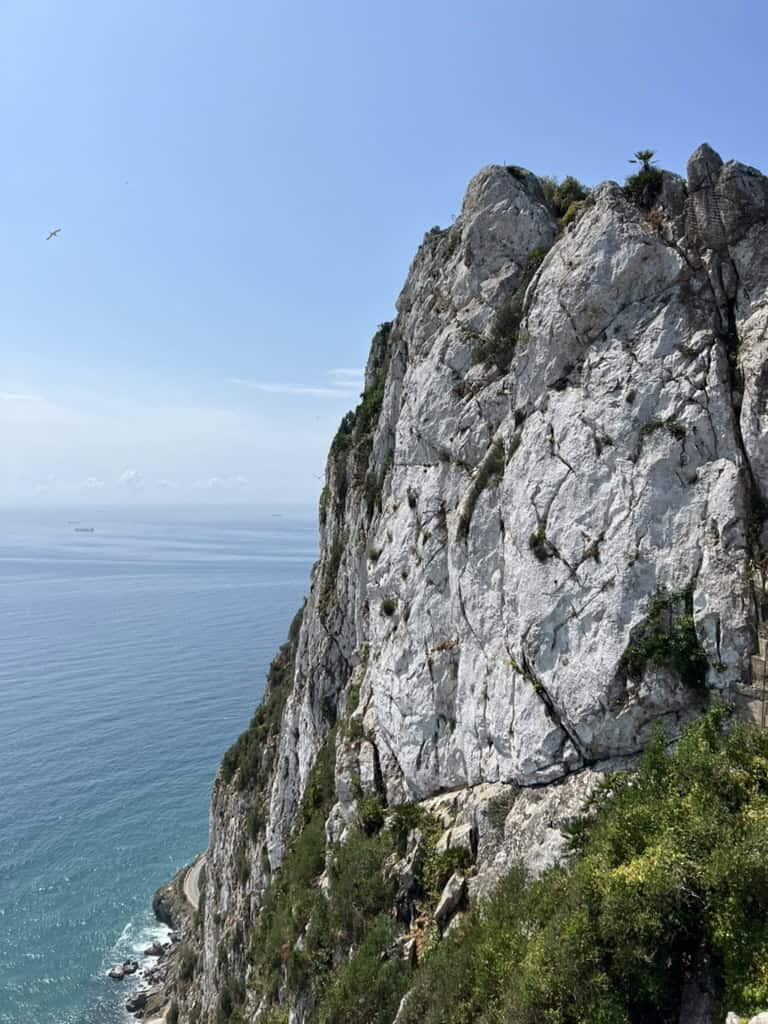
Gibraltar Botanic Gardens (The Alameda)
Red Sands Road, Gibraltar Posted by Brandon B.Admin
Gibraltar Botanic Gardens: The Alameda in Full
The Gibraltar Botanic Gardens, known locally as the Alameda, sit at the southern edge of the town centre along Red Sands Road, tucked between the urban sprawl and the dramatic limestone face of the Rock itself. For a territory that covers barely seven square kilometres, this garden punches well above its weight. It has been a public green space since 1816, making it one of the oldest botanical gardens in the Iberian region, and it remains one of the few places in Gibraltar where you can genuinely slow down.
Most visitors come here as part of a broader day on the Rock, but the Alameda deserves more than a quick pass-through. Give it an hour at minimum. Two is better.
Why the Alameda Matters
Gibraltar is a place of extremes. The main street can feel like a compressed version of a British high street dropped onto a Mediterranean peninsula. The Alameda is the exhale. It was created in 1816 to commemorate the Duke of Wellington and the Duke of Kent, both of whom had strong connections to the territory, and that founding purpose, a civic gift to the garrison and civilian population, still shapes how locals use it today. Families come on weekends. Office workers eat lunch on the benches. Retirees do a slow circuit in the mornings.
The garden also houses the Gibraltar Botanic Gardens wildlife conservation unit, which runs breeding programmes for endangered species including the Barbary macaque and several reptile species native to the region. This makes it more than a pretty park. It is a working conservation site that happens to be open to the public for free.
Quick Facts
- Founded in 1816, one of the oldest public gardens in the region
- Located on Red Sands Road, south of the town centre, about 10 minutes on foot from Main Street
- Free general admission to the main garden areas
- A small wildlife conservation area within the grounds may have separate entry requirements
- Open daily, though hours can vary seasonally
- Home to over 500 plant species from around the Mediterranean and beyond
- Contains a small amphitheatre used for outdoor performances
Getting There
From Main Street, walk south past the Southport Gates and follow the road down toward the seafront. The garden entrance is on Red Sands Road and takes roughly 10 minutes on foot from the centre of town. If you are arriving by taxi or coming from the border crossing at La Línea de la Concepción, it is a straightforward ride. There is no dedicated car park attached to the gardens, but street parking is available in the surrounding area, though Gibraltar's parking situation can be tight depending on when you arrive.
The gardens are also easily combined with a visit to the nearby Europa Road area or a walk along the southern end of the territory.
The Layout and Experience
The Alameda is laid out across a series of terraced levels that climb gently against the lower slopes of the Rock. This tiered design means the garden reveals itself gradually as you walk through it. The lower sections near the entrance tend to be more formal, with clipped hedges, wide paths, and the kind of orderly planting you would expect from a Victorian-era public garden. As you move upward, the planting becomes denser and more varied.
Mature dragon trees, Mediterranean fan palms, and a striking collection of cacti and succulents give the garden a character that feels genuinely subtropical rather than ornamental. On a warm afternoon, the combination of shade, birdsong, and the occasional glimpse of the sea through the trees makes it one of the most pleasant spots in the territory.
The small amphitheatre near the centre of the grounds is worth finding. It hosts concerts and community events during the warmer months, and even when empty it is a good place to sit and take stock of your surroundings.
Main Highlights
The Plant Collection
The gardens hold plants from five continents, with particular strength in Mediterranean and Canarian species. The dragon trees are among the most photographed features, their sculptural silhouettes recognisable even to visitors who could not name them. The cactus and succulent sections are extensive for a garden of this size, and the labelling throughout is generally informative without being overwhelming.
Wildlife Conservation Area
A dedicated section of the gardens houses the conservation breeding programme. Depending on the time of your visit and the current status of the programme, you may be able to see Barbary macaques at closer range than you would encounter them on the Upper Rock. This is a more controlled, educational setting than the sometimes chaotic experience of meeting macaques on the cable car or at the top of the Rock. It tends to be particularly engaging if you are visiting with children.
Historical Monuments and Busts
Scattered through the grounds are busts and plaques commemorating figures from Gibraltar's military and civic history. The garden itself was laid out partly as a memorial, and that commemorative thread runs through the space. It is not a place of grand monuments, but the quieter scale suits the garden's character well.
History and Background
The Alameda was established in 1816 under the direction of Governor Sir George Don, who wanted to create a recreational space for both the military garrison and the civilian population of Gibraltar. The name Alameda comes from the Spanish word for a tree-lined promenade, and the original design reflected the influence of both British and Spanish garden traditions that were natural to Gibraltar's hybrid identity.
Over the following two centuries the garden evolved considerably. The botanical collections grew, the conservation function was added in the latter half of the twentieth century, and various restoration projects have kept the infrastructure in reasonable condition. The amphitheatre was added in the twentieth century and became a focal point for Gibraltar's cultural calendar.
Today the garden is managed by the Gibraltar Botanic Gardens Authority, and its dual role as public park and conservation site gives it a purpose that goes beyond ornament.
Best Time to Visit
Spring, roughly March through May, is when the gardens are at their most colourful. Many of the Mediterranean species flower during this period, and the temperatures are comfortable for extended walking. Autumn is similarly pleasant.
Summer visits are perfectly possible, but midday heat on the lower terraces can be intense. If you are visiting in July or August, aim for early morning or late afternoon. The garden's mature trees provide shade in places, but the upper terraces can feel exposed.
Winter is mild by northern European standards, and the garden stays green year-round. If you want the place largely to yourself, a weekday morning in January or February is about as quiet as Gibraltar gets.
Photography Tips
The dragon trees photograph beautifully in soft morning light. Position yourself looking up through the canopy for a shot that captures both the sculptural branches and the Rock looming behind them. The terraced layout also creates good opportunities for layered compositions, foreground planting against the limestone cliff in the background.
The amphitheatre is worth visiting in the late afternoon when the light drops lower and catches the curved stone seating. If the conservation area is accessible, the macaques are most active in the morning and tend to settle in the heat of the day.
Combining with Nearby Attractions
The Alameda sits at a natural junction between the town centre and the southern part of the territory. From here you can walk south toward Europa Point, Gibraltar's southernmost tip, where the lighthouse and the Ibrahim-al-Ibrahim Mosque sit on a promontory with views across the Strait toward Morocco. That walk takes roughly 30 to 40 minutes at a relaxed pace.
In the other direction, the town centre and the Gibraltar Museum on Bomb House Lane are about 10 to 15 minutes on foot. The cable car station for the Upper Rock is also within reasonable walking distance. Most visitors combine the Alameda with either a morning on the Upper Rock or an afternoon exploring the southern end, rather than trying to do both in the same day.
Practical Tips
- Wear comfortable shoes. The terraced paths involve some gentle inclines and occasional uneven surfaces.
- Bring water, particularly in summer. There are limited facilities inside the garden itself.
- The garden is free to enter, which makes it an easy addition to any day in Gibraltar without needing to budget for it.
- If you have children, the wildlife conservation section tends to be the highlight. Check current opening arrangements before you go, as access can vary.
- Gibraltar uses the British pound, not the euro, so plan accordingly for any purchases nearby.
- The garden can be busy on weekend afternoons when local families are out. Weekday mornings are quieter.
- Photography of the plant collection is generally welcomed. Follow any posted guidelines in the conservation area.
FAQ
Is entry to the Gibraltar Botanic Gardens free?
General admission to the main garden is free. There may be a charge for specific areas or special events within the grounds. It is worth checking current arrangements for the wildlife conservation section before your visit.
How long should I plan to spend there?
An hour is enough for a quick visit. If you want to explore the full garden, find the amphitheatre, and spend time in the conservation area, allow closer to two hours.
Can I see Barbary macaques here?
The conservation area within the gardens does house macaques as part of a breeding programme. The experience here is quite different from encountering them on the Upper Rock. It is calmer and more educational, and the animals are not free-roaming in the same way.
Is the garden accessible for pushchairs or wheelchairs?
The lower sections of the garden are generally accessible, but the terraced upper areas involve steps and slopes that may present challenges. The main paths are paved, but it is worth being aware of the garden's tiered layout before arriving with a pushchair.
Is the Alameda worth visiting if I only have one day in Gibraltar?
Yes, particularly if you are pairing it with something nearby like Europa Point or a walk along the southern end of the territory. It is free, it is central, and it offers a kind of breathing room that is genuinely hard to find elsewhere in this compact place.
Opening hours
Reviews
Sign in and mark this place visited to leave a review.
No reviews yet.
Free Trip Planner
Plan your Gibraltar trip with our free planner
Build a day-by-day itinerary with AI suggestions, hand-picked places, and friends. Free forever — no credit card.