Basilica of the Holy Blood
Burg 13, 8000 Brugge, West Flanders, Belgium Posted by Brandon B.Admin
One of Belgium's Most Visited Shrines, Right on the Burg
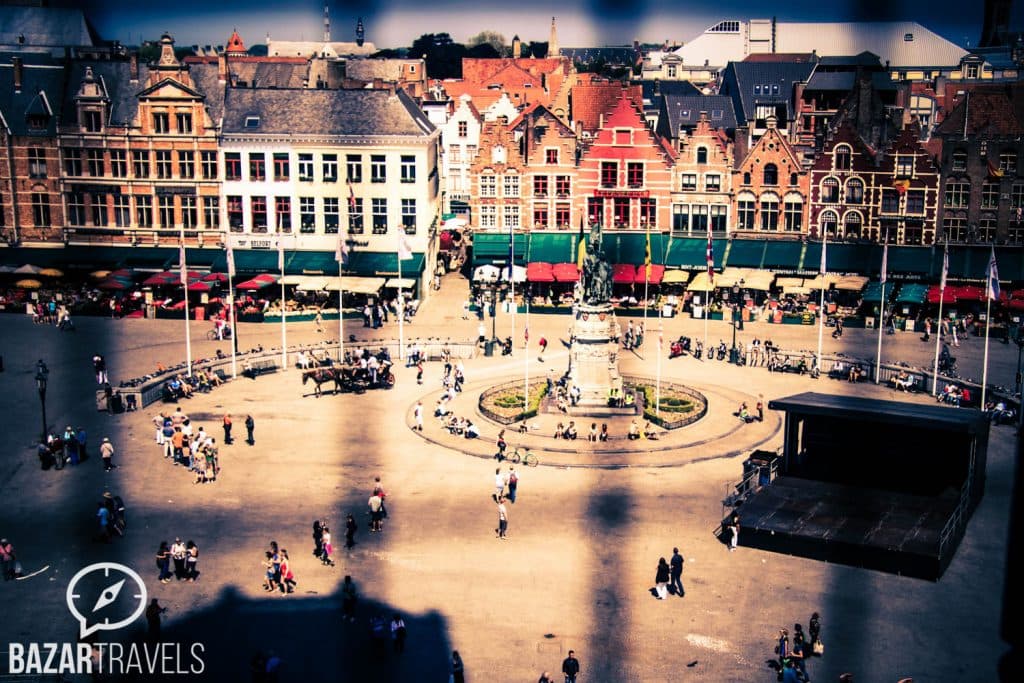
The Basilica of the Holy Blood sits on Bruges' most ceremonial square, the Burg, about a two-minute walk from the Markt. It draws visitors from across Europe and beyond, not just for its architecture but for what it claims to contain: a relic said to hold a few drops of Christ's blood, brought to Bruges from the Holy Land in the 12th century. Whether you come for the faith, the history, or the sheer spectacle of a medieval relic still venerated in a functioning church, this is one of the genuinely unmissable stops in the city.
The basilica is small. That surprises most people. You can move through both chapels in under an hour, but the experience tends to stay with you longer than the visit itself.
Why the Basilica of the Holy Blood Matters
Bruges was a major trading and pilgrimage hub during the medieval period, and the relic at the heart of this basilica helped cement that status. The phial said to contain the Holy Blood was reportedly brought to Bruges by Thierry of Alsace, Count of Flanders, after the Second Crusade. The date most historians associate with the relic's arrival is 1150. That's nearly nine centuries of continuous veneration in one building, on one square, in one city.
The relic is still displayed for public veneration most days, which makes this place unusual even among major European shrines. It is not behind thick glass at the end of a rope line. You can approach it directly. That proximity is something visitors consistently find striking, regardless of their beliefs.
Quick Facts
- Address: Burg 13, 8000 Bruges
- Location: On the Burg square, roughly 2 minutes on foot from the Markt
- Two distinct chapels: a Romanesque lower chapel (St. Basil's) and a Gothic upper chapel
- The relic is venerated daily during specific hours, typically in the afternoon
- Entry to the basilica itself is free; a small fee applies for the treasury museum
- The Procession of the Holy Blood takes place annually on Ascension Day
- The relic has been in Bruges since around 1150
Getting There
The Burg is one of Bruges' two central squares, and the basilica occupies a prominent spot along its southern edge. From the Markt, walk south along Breidelstraat and you'll arrive on the Burg in about 2 minutes. If you're arriving by train at Bruges station, the walk into the center takes around 20 minutes, or you can take a local bus to the Markt and walk from there. Cycling is popular in Bruges, and you'll find bike parking near the square, though the Burg itself is pedestrian-only.
The Layout and Experience
The basilica is actually two chapels stacked on top of each other, which explains its compact footprint. You enter through a doorway off the Burg and immediately face a choice: the lower chapel to your left, and the staircase to the upper chapel ahead.
Start with the lower chapel, the Chapel of St. Basil. It dates from the 12th century and is one of the best-preserved Romanesque interiors in Belgium. The walls are bare stone, the arches are rounded and heavy, and the light is dim. It feels genuinely old in a way that a lot of medieval buildings, after restoration, do not. There's a carved relief above the altar depicting the baptism of St. Basil that's worth stopping for.
The upper chapel is a different world. Rebuilt in the neo-Gothic style in the 19th century, it's richly decorated with stained glass, gilded details, and deep colors. The relic itself is housed here in an elaborate reliquary, and during veneration hours, visitors queue to approach it. The atmosphere during veneration is quiet and unhurried. People move forward slowly, and there's no pressure regardless of whether you're there to pray or simply to observe.
The attached treasury museum holds a small but significant collection, including the golden reliquary used in the annual procession, historical documents, and paintings connected to the relic's history. It's worth the additional entry fee if you want context.
History and Background
The lower chapel was built between 1139 and 1149 as part of the Count of Flanders' residence complex on the Burg. It was originally dedicated to St. Basil, whose relics were also kept there. The Holy Blood relic arrived shortly after the chapel's completion, and the building's purpose shifted around that central object over the following centuries.
The upper chapel has been rebuilt and modified several times. The current neo-Gothic interior dates largely from the 19th century, which puts off some visitors expecting pure medieval authenticity. But the lower chapel more than compensates, and the relic itself has been here continuously through all of those changes.
The annual Procession of the Holy Blood, held every Ascension Day, is one of Belgium's oldest and most elaborate civic and religious events. It has been taking place since at least the 14th century and was recognized by UNESCO as an Intangible Cultural Heritage. The procession moves through the streets of Bruges with hundreds of participants in historical costume, carrying the reliquary through the city. If your visit happens to coincide with Ascension Day, plan well ahead. Viewing spots along the route fill up early.
Best Time to Visit
The basilica is open most days, but veneration hours for the relic follow a specific schedule that changes slightly by season. The afternoon window is the most reliable for seeing the relic displayed. Mornings tend to be quieter for simply exploring the architecture, and the lower chapel in particular is rarely crowded before midday.
Summer weekends bring the heaviest foot traffic to Bruges overall, and the basilica feels the effect. If you're visiting in July or August, arriving right at opening time gives you a noticeably calmer experience. The Burg itself is worth lingering on regardless of the season, framed by the Town Hall on one side and the basilica on the other.
Photography Tips
The lower chapel photographs beautifully in the existing low light if your camera handles it well. A wide lens helps capture the full span of the Romanesque arches. The upper chapel has more light from the stained glass windows, and the late afternoon sun catches the gilding in a way that early morning does not.
Photography of the relic itself during veneration is generally not appropriate, and the atmosphere makes this obvious even without signs. The exterior of the basilica, facing onto the Burg, photographs best from the far side of the square in the morning before the square fills with people.
Combining with Nearby Attractions
The Burg square puts you immediately next to the Gothic Town Hall of Bruges, which dates from the late 14th century and is one of the oldest town halls in the Low Countries. Its interior is open to visitors and takes about 30 to 45 minutes. From the Burg, the Church of Our Lady, which houses Michelangelo's Madonna and Child, is about a 10-minute walk south through the old city. The Groeninge Museum, Bruges' main fine art collection, is nearby as well. A focused half-day can comfortably cover the Burg, the basilica, the town hall, and one of those two southern sites.
Practical Tips
- Check the current veneration schedule before visiting. The hours when the relic is displayed are specific and worth planning around.
- Dress modestly. This is a functioning place of worship, and shorts or sleeveless tops may draw disapproving looks, especially during veneration.
- The treasury museum has a separate entrance fee from the basilica. Budget a little extra time if you want to see the reliquary and the historical collection.
- The lower chapel has limited accessibility due to its age. The entrance and upper chapel are more easily navigable, but check ahead if mobility is a concern.
- If you're visiting during Ascension Day, book accommodation months in advance. The procession transforms the entire city center.
- Audio guides are available and add useful context, particularly for the historical background of the relic and the reliquary.
FAQ
Do you need to be religious to visit?
Not at all. A large share of visitors come for the history and architecture. The atmosphere during veneration is respectful rather than exclusive, and nobody will question why you're there.
How long should you plan for a visit?
The basilica and treasury together take most people between 45 minutes and an hour and a half, depending on how long you spend in each space. If you arrive during veneration, add time for the queue.
Is the Procession of the Holy Blood worth planning a trip around?
Many people do exactly that. It's a large-scale event involving the whole city, and seeing the golden reliquary carried through medieval streets is a genuinely rare experience. Just know that Bruges will be significantly busier than usual.
Can children visit?
Yes. The lower chapel in particular tends to capture children's attention because of how different it feels from ordinary buildings. The veneration queue requires patience, but the visit overall is family-friendly.
Reviews
Sign in and mark this place visited to leave a review.
No reviews yet.
Free Trip Planner
Plan your Belgium trip with our free planner
Build a day-by-day itinerary with AI suggestions, hand-picked places, and friends. Free forever — no credit card.