

Lisbon on the map
25 places from this guide. Tap a pin to open the listing.
Overview
Lisbon sits on seven hills above the Tagus river, a capital that still feels more like a collection of villages than a single sprawling city. Pastel-colored buildings climb steep streets, yellow trams grind up grades that would wreck a normal bus, and the light off the water has a particular quality that photographers chase at golden hour. This Lisbon travel guide exists because the city rewards specifics rather than vague enthusiasm. It's full of history, wine, and seafood, and it remains noticeably cheaper than Paris, Barcelona, or Rome for travelers covering similar ground. Before you book, it helps to know which neighborhood suits your pace, when the hills will be bearable, and which custard tart actually deserves the hype.
The city rewards wandering. Alfama, the oldest district, predates the 1755 earthquake that leveled most of Lisbon, which is why its lanes twist without logic and its stairways dead-end into someone's kitchen window. Downtown Baixa, by contrast, was rebuilt on a grid after that earthquake and feels almost orderly by comparison. Both are worth your time, and neither takes long to reach from the other on foot.
When to Visit
Lisbon runs long, hot summers, and July and August bring both the heaviest crowds and temperatures that make climbing Alfama's stairs genuinely unpleasant. Spring and fall give you the best trade-off: mild days, thinner lines at Belém Tower, and outdoor seating that doesn't feel like a sauna. Early October in particular tends to deliver close to ideal weather, with warm afternoons and cool evenings. Winter is mild by northern European standards and rarely drops below jacket weather, though rain picks up between November and February and some beach-town day trips lose their appeal. If you can shift your trip even two weeks outside the June-to-August window, you'll notice the difference in both comfort and hotel rates.
Where to stay
Baixa and Chiado sit at the center of things, flat enough for easy walking and close to most sights, shopping, and transit lines. This is the safest default if it's your first visit and you want everything within a 20-minute walk.
Bairro Alto is the nightlife district, quiet by day and loud after 10pm, with narrow streets packed with small bars that spill drinkers onto the sidewalk. Stay here if late nights matter more to you than quiet mornings.
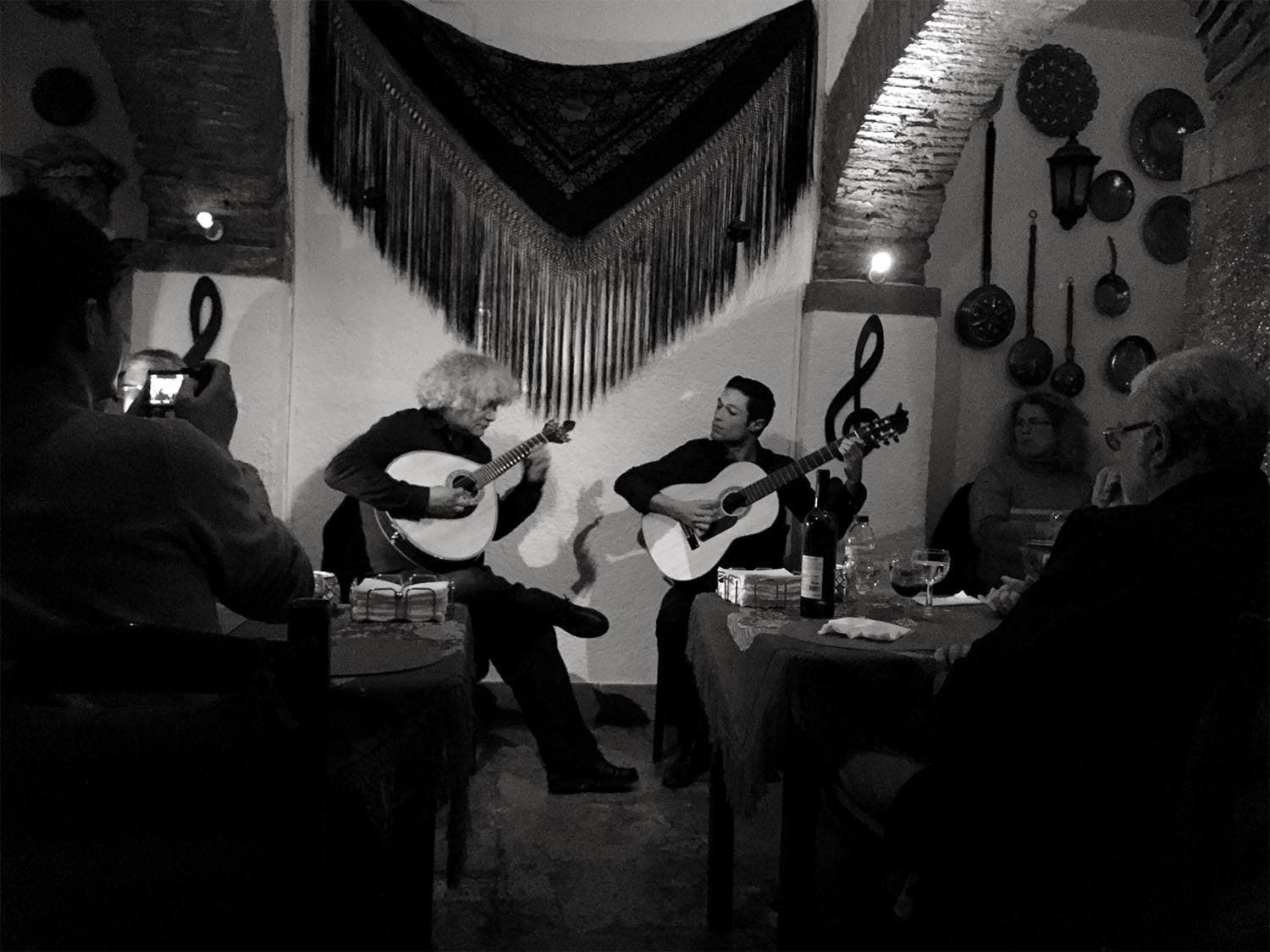
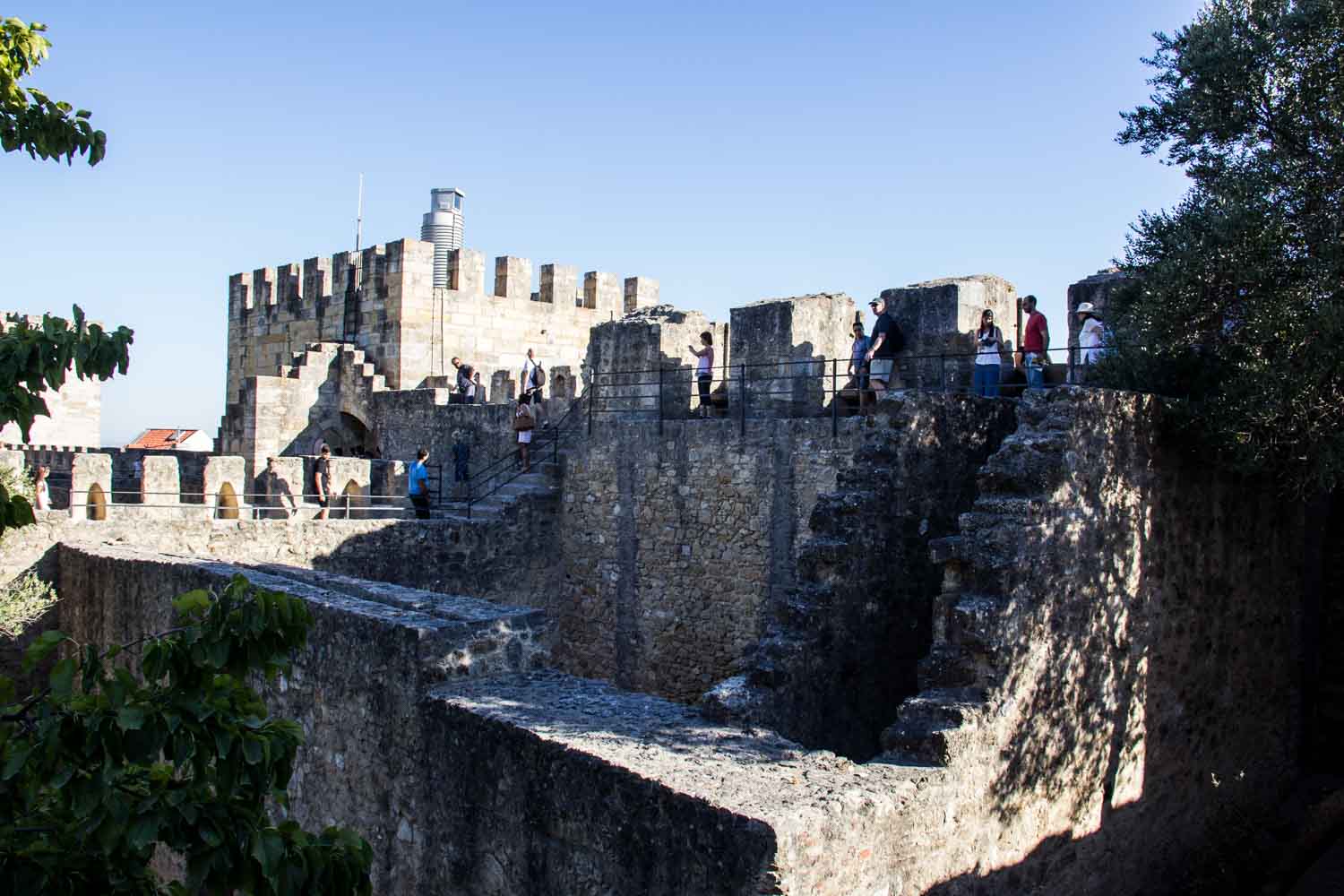
Alfama is the oldest and most atmospheric choice, built on a hill below São Jorge Castle, with laundry strung between buildings and fado drifting out of restaurant doorways most evenings. It's less convenient for luggage and flat shoes, but it's the neighborhood that looks like postcards of Lisbon for a reason. Clube de Fado and A Fado Show both operate in this part of the city, and staying nearby means you can walk home after a late set instead of hunting for a taxi.
Belém, further west along the river, isn't really a base for nightlife but makes sense if you want to be near Mosteiro dos Jerónimos, Belém Tower, and the original Pastéis de Belém bakery without a tram ride each morning.
How to reach the destination
Lisbon's airport, Humberto Delgado, sits close enough to the center that a taxi or ride-hail into Baixa typically takes 20 to 30 minutes depending on traffic. Direct flights connect Lisbon to most major European cities, plus a growing list of routes from North America, and several budget carriers serve the city from across Europe at lower fares if you book with flexible dates.
If you're already in Portugal or Spain, the train is worth considering. Porto to Lisbon runs around three hours on the fast intercity service, a reasonable alternative to flying for a trip that otherwise eats half a day with airport transfers. Madrid to Lisbon by train takes closer to 10 hours, which makes it a scenic option rather than an efficient one, so most travelers coming from Spain's interior still fly.
Getting around the destination
Walking is genuinely the best way to see Lisbon, and this Lisbon travel guide would be incomplete without saying so plainly. The hills mean you'll earn every pastry you eat, but they also mean every turn opens onto a new viewpoint or a street you didn't expect. The historic trams, especially the number 28 line, climb grades that would be miserable on foot and are worth riding at least once, ideally outside peak hours when they're not standing-room only.
The metro is cheap, clean, and covers most areas tourists need, including a stop near Baixa-Chiado that drops you right in the center. A reusable transit card works across metro, bus, and tram, and it's worth picking one up on day one rather than buying single tickets each time. Uber operates throughout the city and tends to run noticeably cheaper than equivalent rides in most US cities, making it a reasonable backup when your legs give out on a hot afternoon.
Top destination travel tips
- Consider a Lisbon Card if you're planning to hit several paid attractions in a short window. Passes typically start around 19 euros for 24 hours and bundle transit with entry to sights, which can add up to real savings if you move fast.
- Join a free walking tour on your first morning. It's the quickest way to get oriented before you start picking your own routes through Alfama or Chiado.
- Try the pastries everywhere you see a padaria. Manteigaria and Manteigaria Silva both turn out excellent pastéis de nata with that cracked caramelized top, and they're genuinely easy to overdo in one sitting.
- Book a table at Belcanto or Alma if fine dining matters to you. Both are among the city's most respected kitchens and reservations fill up well ahead of weekends.
- Have a shot of ginjinha, the sweet cherry liqueur sold by the glass at hole-in-the-wall shops across the center. Ginjinha Sem Rival is a well-known spot for it, often served in a small chocolate cup, and it typically costs close to a euro.
- Watch your bag on the number 28 tram and in crowded squares. Pickpocketing is the main safety concern in Lisbon, not violent crime, and it concentrates exactly where tourists cluster.
- Wear shoes with real grip. The cobbled calçada pavement looks beautiful and gets slick fast, especially after rain or on the steeper Alfama stairs.
Typical costs in the destination
Portugal uses the euro, and Lisbon remains one of the more affordable Western European capitals, though prices have climbed in recent years so treat any figure here as a rough guide rather than a current quote.
- Hostels run cheap by European standards, with dorm beds often available for well under 20 euros a night.
- Mid-range three-star hotels tend to land in the budget-to-mid-range tier, with four-star properties pushing into upscale territory, especially in Chiado or along the river.
- A casual meal, like a bowl of seafood at Cervejaria Ramiro or a plate from the counter at Time Out Market Lisboa, falls into the budget-to-mid-range bracket, while a sit-down dinner with wine moves into mid-range easily.
- Public transit is inexpensive, with single bus or tram fares cheap and day passes a better deal if you're moving around more than twice.
- Uber fares around the city center are generally low compared to equivalent US rides, making it a reasonable splurge over walking uphill in the heat.
Must try food and drinks
- Pastel de nata: the custard tart that defines Lisbon pastry culture. Pastéis de Belém, baking from a closely guarded original recipe near Mosteiro dos Jerónimos, draws lines for a reason, but Manteigaria's version a few streets from Chiado gives it real competition.
- Bifana: a thin pork sandwich, usually simple, usually sold somewhere unassuming, and one of the best cheap lunches in the city.
- Grilled seafood: Cervejaria Ramiro is the reference point for garlic shrimp, percebes, and whole grilled fish, eaten at tiled tables under bright lights with bread for soaking up the sauce.
- Ginjinha: a sweet cherry liqueur served by the shot, often in a chocolate cup, at stand-up bars across the center, with Ginjinha Sem Rival a solid stop for trying it.
- Fado and a glass of wine: not food, but central to a Lisbon evening. Café Luso and Clube de Fado both pair traditional Portuguese dishes with live fado, the mournful, guitar-backed singing that originated in the Alfama district.
- Market grazing: Time Out Market Lisboa gathers stalls from well-known local chefs under one roof near Cais do Sodré, good for sampling several dishes without committing to one restaurant.
- Neighborhood bakeries and casual spots: smaller names like Jesus é Goês for Goan-Portuguese flavors, Wurst – Salsicharia Austríaca for something different on a hot day, or Nannarella for gelato round out a day of eating without needing a reservation anywhere.
FAQ
How many days do you need in Lisbon?
Three full days is a comfortable minimum, with four or five better if you want to add a day trip. That covers Alfama and São Jorge Castle, the Belém sights including Mosteiro dos Jerónimos and Belém Tower, Chiado and Baixa, and an evening fado show, without rushing. Fewer days is possible but means skipping something.
Is Lisbon safe for tourists?
Yes, Lisbon is generally considered safe, with violent crime uncommon. Pickpocketing is the main concern in crowded areas and on popular trams, so keep valuables secured. Take normal precautions at night, especially around Bairro Alto's bars, and check your government's current travel advice before you go.
Do you need a car in Lisbon?
No, and driving in the center causes more problems than it solves. The city is walkable, with trams, metro, buses, and Uber covering the hills that make walking hard. Parking is scarce in old districts like Alfama, where streets are narrow and one-way. A car only makes sense for exploring well beyond the city.
Does everyone speak English in Lisbon?
English is widely spoken in tourist-facing parts of Lisbon, so most visitors manage without Portuguese. Hotels, restaurants, and attractions in the center usually have English-speaking staff, and menus are often translated. Learning a few words like obrigado or obrigada, meaning thank you, is appreciated and helps in smaller neighborhood spots.
Is Sintra worth a day trip from Lisbon?
Yes, Sintra is the most popular day trip from Lisbon and worth a full day if your schedule allows four days or more. It's a hillside town west of the city known for its palaces and reachable by train from Rossio station. Check current schedules, ticket rules, and queue times before going, since palace lines can be long in high season.
Is Lisbon hard to walk because of the hills?
Lisbon is walkable but genuinely hilly, so expect steep, cobbled climbs between neighborhoods like Baixa and Alfama. Wear comfortable shoes with good grip, since the stone pavement gets slippery, especially in wet weather. Trams, the metro, and Uber all help with the steepest stretches if your legs need a break.
What's the best way to use this Lisbon travel guide if I only have a weekend?
Focus on one neighborhood per day rather than trying to cover the whole city. Spend a morning in Alfama around São Jorge Castle, an afternoon in Belém for the Tower and Mosteiro dos Jerónimos, and save an evening for fado and dinner in Bairro Alto or Chiado. Trying to see everything in two days usually means enjoying none of it fully.
Top Places to Visit in Lisbon
View all See & DoBudget · $
Market Tuesday and Saturday – Lisbon
 See & Do
 See & Do
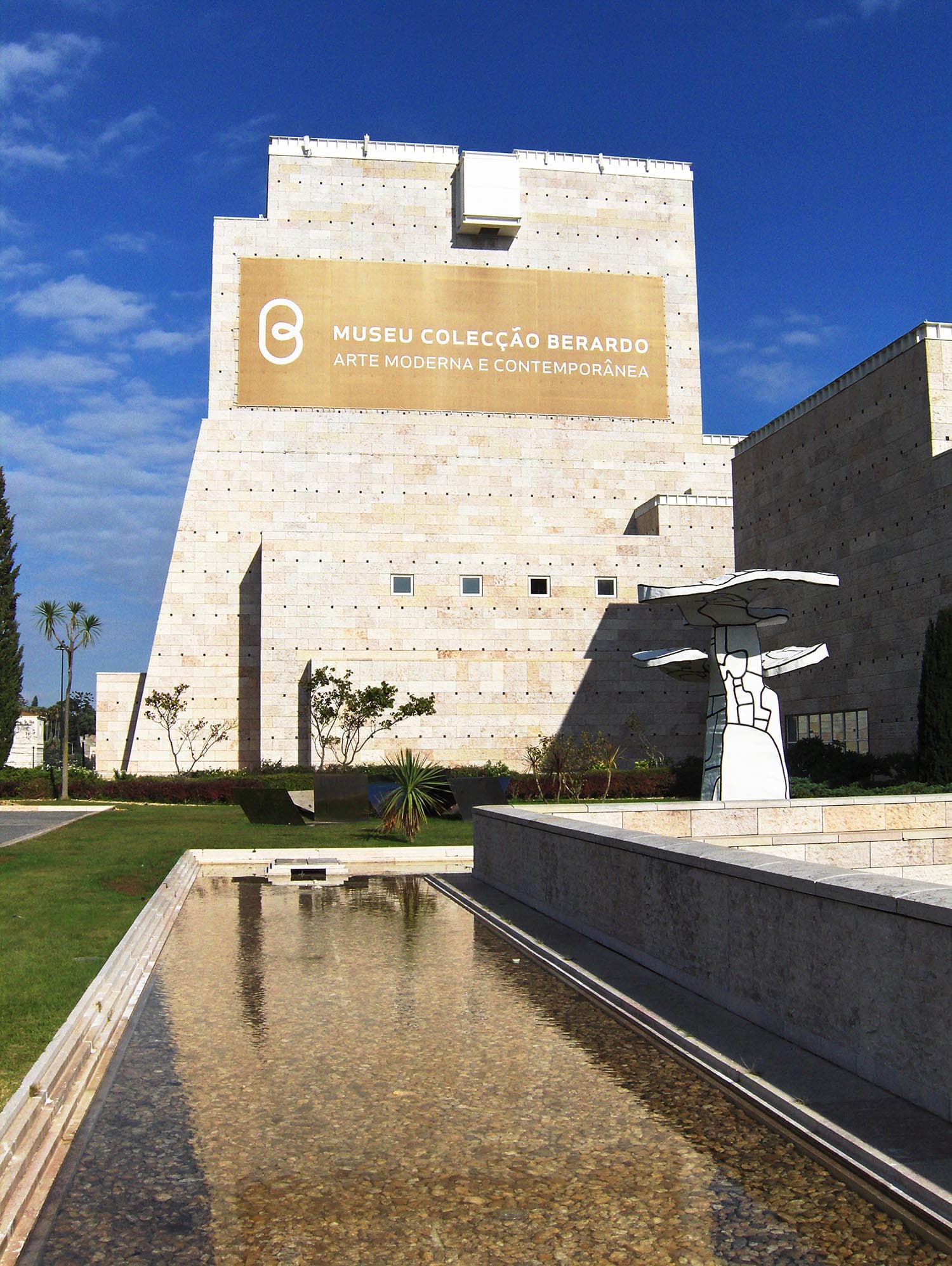
Berardo Collection Museum
 See & Do
 See & Do
 See & Do
Top Places to Eat in Lisbon
View all Eat & DrinkBudget · $
 Eat & DrinkModerate · $$
 Eat & DrinkBudget · $
Ginjinha Sem Rival
 Eat & DrinkModerate · $$
Time Out Market Lisboa
Eat & DrinkModerate · $$ Eat & DrinkModerate · $$
Manteigaria Silva
 Eat & DrinkBudget · $
Croissant Gigante – Bar & Cocktail
 Eat & DrinkModerate · $$