
Beringharjo Traditional Market
Closed now
Beringharjo Traditional Market
Jl. Margo Mulyo No.16, Ngupasan, Kec. Gondomanan, Kota Yogyakarta, Daerah Istimewa Yogyakarta 55122, IndonesiaBeringharjo Traditional Market: Yogyakarta's Most Alive Marketplace
If you want to understand how Yogyakarta actually works, skip the tour buses and walk into Beringharjo Traditional Market. This sprawling, multi-story market on Jalan Margo Mulyo has anchored the commercial life of the city for centuries, and it still does. Batik, spices, fresh produce, herbal jamu, second-hand goods, street food, and enough sensory detail to fill a notebook all coexist under one roof and spill out onto the surrounding streets. It is loud, it is fragrant, and it is completely worth it.
Why Beringharjo Traditional Market Matters
The market sits at the western end of Malioboro, the famous shopping street that runs straight toward the Kraton, Yogyakarta's royal palace. That positioning is not accidental. For generations, Beringharjo has been the economic engine connecting the palace economy to ordinary traders, farmers, and buyers from across the region. Goods flow in from villages across Java and beyond, and the prices here reflect actual supply and demand rather than tourist markup, at least in the deeper sections of the building.
It is also one of the few traditional pasar in Indonesia that has survived urban modernization largely intact. Where other cities replaced their markets with malls, Yogyakarta kept Beringharjo. The building itself was renovated and expanded over the years, but the culture inside has not been sanitized.
Quick Facts
- Location: Jl. Margo Mulyo No.16, Ngupasan, Gondomanan, Kota Yogyakarta
- Opening hours: Generally opens very early in the morning, around 5am, and runs until late afternoon or early evening. Activity is heaviest before noon.
- Entry: Free to enter. No ticket required.
- Floors: The main building has multiple levels, each with its own character and product focus.
- Payment: Cash is king. Very few stalls accept digital payment, and none reliably accept cards.
- Language: Javanese and Bahasa Indonesia are the working languages. Some batik vendors near the main entrance speak enough English to negotiate.
Getting There
Beringharjo sits at the southern end of Malioboro Street, which makes it one of the easiest landmarks in Yogyakarta to find. If you are walking south along Malioboro from the Tugu railway station end, the market is roughly a 15 to 20 minute walk, and you will see the entrance before you reach it, partly because of the crowd and partly because of the vendors who line the pavement outside.
Becak (cycle rickshaws) and andong (horse-drawn carts) operate along Malioboro and can drop you nearby. If you are arriving by Trans Jogja bus, the Malioboro corridor stops within comfortable walking distance. Parking for motorcycles is available on the surrounding streets, though it fills up fast on weekday mornings.
The Layout and Experience
The building is bigger than it looks from the street. The ground floor along the Malioboro-facing facade is where you find batik, clothing, and souvenirs. This is the most tourist-visible zone, and prices here are negotiable, though starting prices tend to reflect the foot traffic. Push further inside and the character changes completely.
The deeper interior of the ground floor transitions into fresh produce, tempeh, tofu, dried fish, and spices. The smell shifts accordingly. This is where local buyers do their daily shopping, and moving through it during peak morning hours means squeezing between woven baskets and carts loaded with chillies and turmeric.
The upper floors tend to house used clothing, household goods, and more specialized dry goods. If you are hunting for vintage batik or second-hand Javanese textiles at honest prices, the upper levels are worth the climb. The light is dimmer up there and the crowds thinner, which actually makes browsing easier.
Outside the main building, the surrounding alleys hold their own micro-economy. Jamu vendors, snack stalls, and sellers of everything from incense to phone cases occupy the pavements and the covered walkways that branch off the main entrance.
Main Highlights
Batik Shopping
Beringharjo is one of the most practical places in Yogyakarta to buy batik, because the range covers everything from affordable printed batik for everyday use to hand-drawn batik tulis that takes weeks to make. Knowing the difference matters before you shop. Batik tulis has irregular, slightly imperfect lines that are the mark of handwork. Batik cap is stamp-printed and more uniform. Both are legitimate, but the price difference is significant, and vendors near the entrance will sometimes present cap as tulis to a buyer who doesn't look closely.
Jamu and Herbal Goods
The jamu sellers inside the market carry fresh and dried ingredients for traditional Javanese herbal medicine. You can buy raw galangal, dried turmeric, kencur, and pre-mixed jamu powders. Some stalls also sell ready-to-drink jamu in small bottles or cups. If you have not tried beras kencur (a mildly sweet rice and aromatic root drink), this is a good place to start.
Spice Section
The spice section is purely functional and purely wonderful. Piles of candlenut, coriander, cumin, dried shrimp paste, and dozens of chilli varieties fill low wooden stalls. Even if you are not buying, walking through this section is an education in what makes Javanese cooking taste the way it does.
History and Background
The market's history is tied directly to the Kraton. The site was used for trading activity as far back as 1758, the same year the Kraton of Yogyakarta was established, which tells you something about how central commerce was to the original city plan. The name Beringharjo itself comes from Javanese words meaning something close to "the hope of a prosperous land." The Dutch colonial government formalized and expanded the market structure in the early 20th century, and the permanent building dates from 1925. Subsequent renovations added the upper floors and modernized the structure, but the 1925 facade along the main entrance remains recognizable.
The market also played a role in the economic resistance during the Indonesian independence period. Local trade networks centered on places like Beringharjo helped sustain communities during a period of significant political disruption. That history is not displayed on any interpretive panel inside, but the traders whose families have operated here for three or four generations know it.
Best Time to Visit
Early morning is the honest answer. The fresh produce section is fully stocked, the jamu sellers are set up, and the energy of the market is at its peak between roughly 7am and 10am. Traders are doing real business with real buyers, which makes the experience feel genuinely local rather than performative.
If you want a quieter visit focused on batik shopping, late morning after 10am works well. The produce crowd thins out and the textile vendors have time to talk. Avoid arriving in the early afternoon if you are sensitive to heat, since the interior of the building can get warm and airflow depends on where you are standing.
Weekdays are generally calmer than weekends. During Javanese market calendar days (the five-day Javanese week intersects with the standard week in ways that create periodic surge days), the market gets noticeably more crowded. If you happen to be in Yogyakarta during Ramadan, the late afternoon hours before iftar bring a different, lively kind of activity to the street food vendors outside.
Practical Tips
- Bring small denomination rupiah. Exact change makes transactions smoother and gives you more negotiating clarity.
- Bargaining is expected in most sections, but do it respectfully. Aggressive haggling over small amounts damages the interaction more than it saves you money.
- Wear shoes you can walk in for an extended time. The floors are uneven in sections and can be wet near the produce stalls.
- A reusable bag is useful. Plastic bags are available but not always offered.
- If you are buying batik to take home, ask vendors to fold rather than roll, and check that the fabric is properly dry before packing it.
- Keep your bag in front of you in the busiest interior sections during peak hours.
- Photography is generally tolerated but ask before pointing a camera directly at vendors or their stalls. A smile and a gesture go a long way.
Combining with Nearby Attractions
Beringharjo sits close enough to several other key Yogyakarta landmarks that a half-day itinerary covering all of them is genuinely manageable on foot. The Kraton (royal palace) is roughly a 10 minute walk south. Benteng Vredeburg, a Dutch colonial fort that now operates as a museum, sits directly across the intersection from the market's main entrance. Walking north along Malioboro takes you past street vendors, batik shops, and eventually toward the Tugu monument area.
If you want to eat after the market, the warungs on the side streets around Beringharjo serve straightforward Javanese food at budget prices. Gudeg, Yogyakarta's signature jackfruit stew, is available at several spots within a few minutes' walk.
FAQ
Is Beringharjo safe for solo travelers?
Yes, and it is visited by solo travelers regularly. Stay aware of your belongings in the most crowded interior sections, as you would in any busy market, and you will have no issues.
Can I find authentic batik tulis here?
You can, but you need to know what to look for. Genuine batik tulis has hand-drawn wax lines that are slightly irregular and may show small imperfections. Price is also a signal: quality batik tulis is never cheap. If a price seems surprisingly low for something presented as handmade, look more closely at the pattern lines.
Is there anywhere to eat inside the market?
There are small food stalls and snack vendors inside and immediately outside the market. The food is inexpensive and genuinely local. Try the klepon (palm sugar-filled rice balls) or lupis (sticky rice with coconut and palm sugar) if you see them.
Do vendors speak English?
In the batik and souvenir sections near the main Malioboro entrance, basic transactional English is common. Further inside, particularly in the fresh produce and spice sections, Bahasa Indonesia or Javanese will serve you better. Learning a few numbers in Bahasa Indonesia before you visit makes a real difference.
Opening hours
Reviews
Sign in and mark this place visited to leave a review.
No reviews yet.
Free Trip Planner
Plan your Kota Yogyakarta trip with our free planner
Build a day-by-day itinerary with AI suggestions, hand-picked places, and friends. Free forever — no credit card.
Things to see near Beringharjo Traditional Market

Castelo de Água do Sultanato de Yogyakarta

Water Castle of Royal Jogjakarta

Lukman Batik Workshop
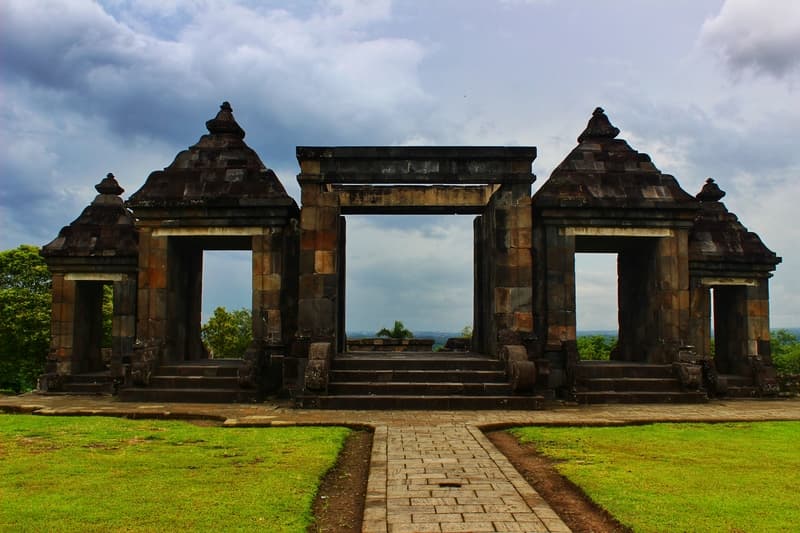
Ratu Boko Temple
Places to eat or drink near Beringharjo Traditional Market
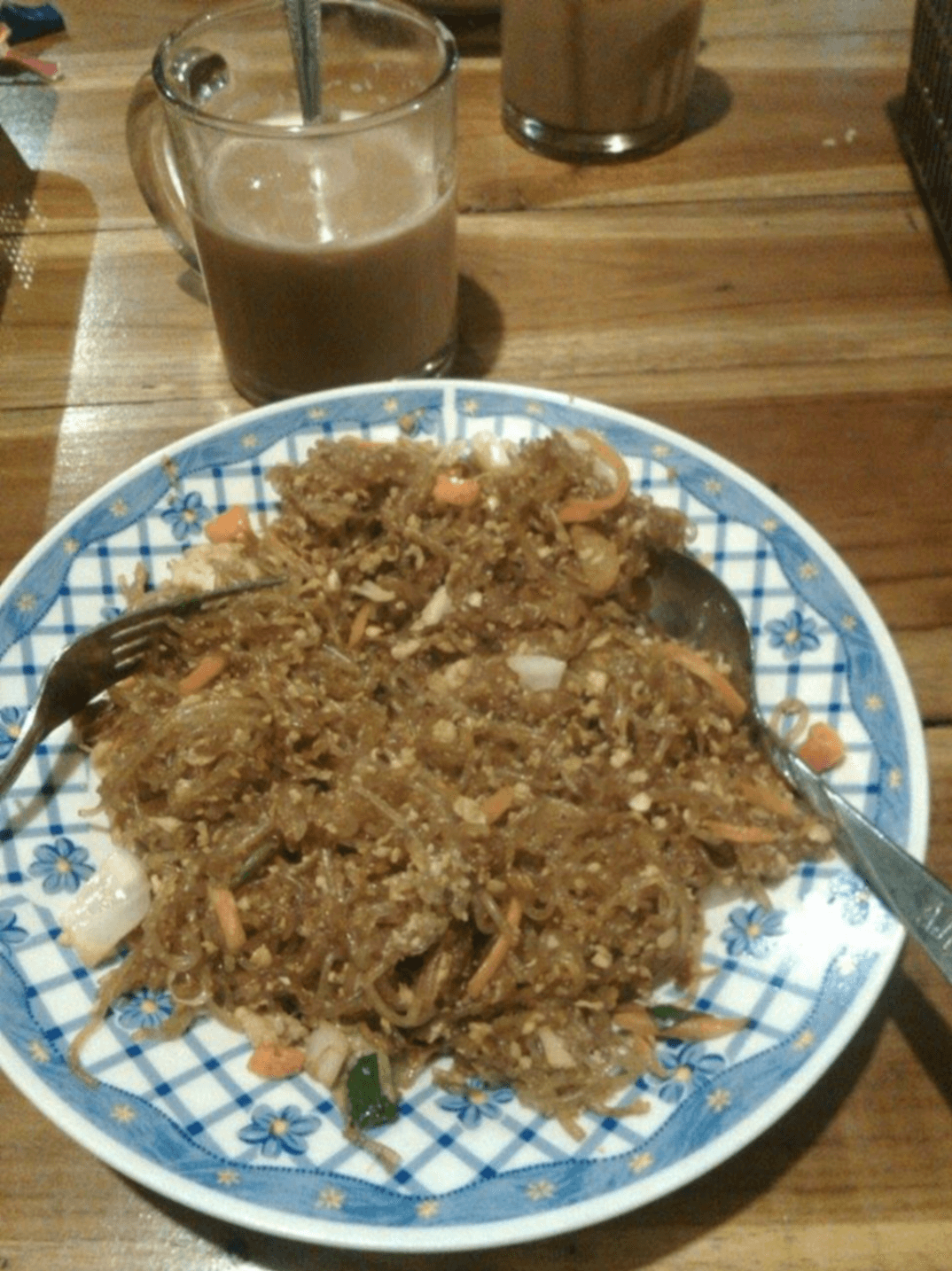
MIE LETHEK GARUDA Noodle Factory

Sate Klathak Mak Adi

Mie Ayam Ibu Tumini Sari Rasa Jati Ayu


