
Castelo de Água do Sultanato de Yogyakarta
Closed now
Castelo de Água do Sultanato de Yogyakarta
59Q5+XV6, Patehan, Kraton, Yogyakarta City, Special Region of Yogyakarta 55133, IndonesiaOverview
Castelo de Água do Sultanato de Yogyakarta is a water tower built in 1891 that sits within the Kraton palace complex in Yogyakarta's historic core. This Portuguese-influenced structure stands as a rare architectural survivor from the late 19th century, blending colonial engineering with the sultanate's own aesthetic. The tower rises above the densely packed neighborhoods of Patehan, offering a glimpse into how the royal household managed water systems during the Dutch colonial period.
The tower is modest in scale but significant in what it reveals about the practicalities of palace life. Most visitors encounter it while exploring the broader Kraton district, where the Sultan's residence and museum draw far larger crowds. If you're interested in colonial infrastructure, water history, or the material culture of Indonesian sultanates, this structure rewards a closer look.
Why this place matters
Water towers were essential infrastructure in late 19th-century Indonesia, where monsoon seasons created both abundance and scarcity. The Castelo de Água was constructed to supply the Kraton palace and its grounds with reliable water year-round, a luxury few other buildings in Yogyakarta could claim at the time. Its existence speaks to the Sultan's power and access to foreign engineering expertise during a period of rapid modernization across Java.
The tower also represents a specific moment in architectural exchange. Portuguese colonial influence, which had shaped Indonesian building practices centuries earlier, appears here in the tower's form and detailing. By the 1890s, that Portuguese legacy was already fading, making this tower one of the later examples of that particular cultural thread.
Quick facts
- Built in 1891 for the Kraton palace water supply
- Located in Patehan neighborhood, within walking distance of the main Kraton gates
- Portuguese-influenced colonial architecture from the late 19th century
- Part of the broader Kraton complex but often overlooked by casual visitors
- No separate entrance fee; visible from public streets surrounding the palace
Getting there
The Castelo de Água sits within the Kraton district, roughly 2 kilometers south of Yogyakarta's city center. If you arrive by car or motorbike, the narrow streets around Patehan make navigation tricky. Street parking is limited, and the area is congested during midday hours. Walking is often faster than driving if you're already in the central Kraton area.
From Malioboro Street, the main tourist thoroughfare, head south on Jalan Malioboro for about 10 minutes until you reach the Kraton gates. The water tower is not signposted for tourists, so you'll need to ask locals or use a GPS pin. If you hire a driver or use a ride-hailing app, show the driver the coordinates: roughly 7.8° south latitude, 110.4° east longitude. Ojek (motorcycle taxi) drivers in the area know the Kraton well and can drop you nearby.
The layout and experience
The tower cannot be entered. You view it from the exterior, typically from the surrounding streets or from within the Kraton grounds if you have access to the palace itself. The structure stands approximately 15 meters tall, with a cylindrical tank supported by a stone or masonry base. Its proportions are practical rather than ornate, though decorative details appear in the brickwork and any surviving trim.
Most of your experience involves walking the perimeter of the Kraton to locate it. The neighborhood around the palace is densely residential, with houses, small shops, and workshops crowding right up to the palace walls. The water tower emerges from this urban fabric almost incidentally, which is part of its charm. There's no viewing platform or interpretive signage, so bring a camera if you want to document the architecture.
Main highlights
The tower's primary interest lies in its architectural style and engineering. Look for Portuguese-influenced elements in the brickwork pattern and any decorative molding. The base structure, likely reinforced with stone or laterite, shows the engineering constraints of the period. Unlike purely decorative colonial structures, this tower had to function, so its form follows its purpose.
Seeing it in context with the Kraton walls and surrounding neighborhood adds interpretive depth. This is how water, sanitation, and modern infrastructure arrived in Indonesia's royal courts. The tower also provides a quiet moment in an otherwise bustling district, away from the main palace crowds.
History and background
The tower was built in 1891, during the reign of Sultan Hamengku Buwono VII. By this time, the Yogyakarta Sultanate had been under Dutch colonial administration for roughly a century. The Sultan retained considerable autonomy in palace affairs, and investing in modern infrastructure like a dedicated water tower signaled both wealth and alignment with contemporary European standards.
Water supply in 19th-century Yogyakarta depended on wells, cisterns, and the Gadjah Wong River. A palace the size of the Kraton, with its extensive grounds and numerous inhabitants, required reliable water that hand-drawn sources couldn't guarantee. The tower allowed for storage and pressure-fed distribution, a technology that was cutting-edge for the region at that time.
The Portuguese connection is less direct by 1891. Portuguese colonial influence in Indonesia dated to the 16th century, concentrated in the eastern archipelago and Goa. By the Dutch period, Portuguese architectural vocabulary had faded in most contexts. That this tower shows any Portuguese stylistic traces suggests either a deliberate choice to invoke that heritage or the influence of a designer trained in Portuguese colonial traditions.
Tickets and entry
There is no separate admission fee to view the tower. It stands on or adjacent to Kraton grounds, visible from public streets. If you wish to enter the Kraton palace museum itself, that requires a separate ticket and passes through formal gates with staffed checkpoints. The water tower, however, can be photographed and observed from the exterior without paying.
Best time to visit
The dry season, roughly May through September, offers the clearest light for photography and the most pleasant walking conditions. The surrounding neighborhood is active most days, though early morning tends to be quieter and cooler. Avoid midday heat if possible; the streets offer minimal shade.
If you're already visiting the Kraton palace or the larger Yogyakarta cultural district, the water tower fits naturally into a broader walking tour. There's no specific seasonal event tied to the structure itself.
Photography tips
The tower photographs best from a distance, where you can capture its full height and the relationship between the structure and its urban surroundings. Early morning light from the east will illuminate the facade without harsh shadows. The surrounding buildings and street context actually enhance the image, showing the tower in its lived environment rather than isolated.
Bring a wide-angle lens if you have one; the narrow streets make it difficult to step back far. Close-ups of the brickwork and any decorative details reveal the construction techniques and materials. If you photograph during the rainy season, the wet stonework can show the material's color and texture more vividly.
Facilities and preparation
There are no facilities at the tower itself. The surrounding Patehan neighborhood has small warungs (casual restaurants), drink stalls, and convenience shops, but nothing purpose-built for tourists. Bring water, sunscreen, and a hat. Comfortable walking shoes are essential, as streets are uneven and the area involves considerable foot traffic.
If you plan to also visit the Kraton museum, wear respectful clothing. Sarongs are required for entry to certain palace areas, and modest dress is expected throughout the district. The water tower can be viewed in any attire, but you'll blend in better if dressed appropriately for a religious and royal site.
Combining with nearby attractions
The Kraton palace complex itself is the obvious pairing. The museum occupies several pavilions within the grounds and provides context for understanding the sultanate's history and daily life. Viewing the water tower beforehand gives you a concrete example of the infrastructure that supported palace operations.
The Taman Sari water palace, another royal structure, lies about 15 minutes' walk northwest. It's a more elaborate and touristed site, but it also reflects the sultanate's interest in water management and aesthetic pleasure. The two sites together tell the story of how the royal household related to water across different centuries and purposes.
Patehan itself has several small mosques, traditional craft workshops, and residential streets that reward wandering if you're interested in everyday Yogyakarta life. The neighborhood is not a formal tourist zone, which is part of its appeal.
Sample visit plan
Start early, around 7 or 8 AM, to avoid heat and crowds. Head to the Kraton district and locate the water tower using GPS coordinates or by asking a local. Spend 20 to 30 minutes photographing and examining the structure from multiple angles. If you want more context, walk the perimeter of the Kraton to understand the palace's footprint and how the tower relates to it.
Grab a drink or snack at a neighborhood warung. Then move to the Kraton museum if you have interest in deeper history, or head to Taman Sari if you prefer a more curated experience. The entire morning can be spent in this district without feeling rushed.
Practical tips
- The tower is not signposted in English. Use GPS coordinates or ask locals in Indonesian for "Castelo de Água" or simply "Kraton"
- Streets are narrow and often congested; walking is usually faster than driving
- Early morning is quieter and cooler, with better light for photography
- Bring water and sun protection; there's minimal shade in surrounding streets
- Respect local customs; this is an active residential and religious area, not a formal tourist site
- The tower cannot be entered; plan only for exterior viewing and photography
- Combine your visit with the Kraton museum or Taman Sari for a fuller sense of the sultanate's history
FAQ
Can I go inside the tower? No. The structure is closed to the public and can only be viewed from the exterior.
Is there an admission fee? No separate fee applies to viewing the tower from public streets. If you enter Kraton palace grounds, a ticket is required for the museum.
How long does a visit take? Plan 20 to 30 minutes to locate, photograph, and examine the tower. Most visitors combine it with a broader Kraton district walk of 2 to 3 hours.
Is it easy to find? It's not marked for tourists, so you'll need GPS or local directions. Once you're in the Patehan neighborhood near the Kraton, asking a local shopkeeper will get you pointed the right way.
What's the best time of year to visit? The dry season, May through September, offers clearer skies and more comfortable walking conditions. Early morning is best any time of year.
Opening hours
Reviews
Sign in and mark this place visited to leave a review.
No reviews yet.
Free Trip Planner
Plan your Yogyakarta City trip with our free planner
Build a day-by-day itinerary with AI suggestions, hand-picked places, and friends. Free forever — no credit card.
Things to see near Castelo de Água do Sultanato de Yogyakarta

Water Castle of Royal Jogjakarta

Lukman Batik Workshop

Beringharjo Traditional Market
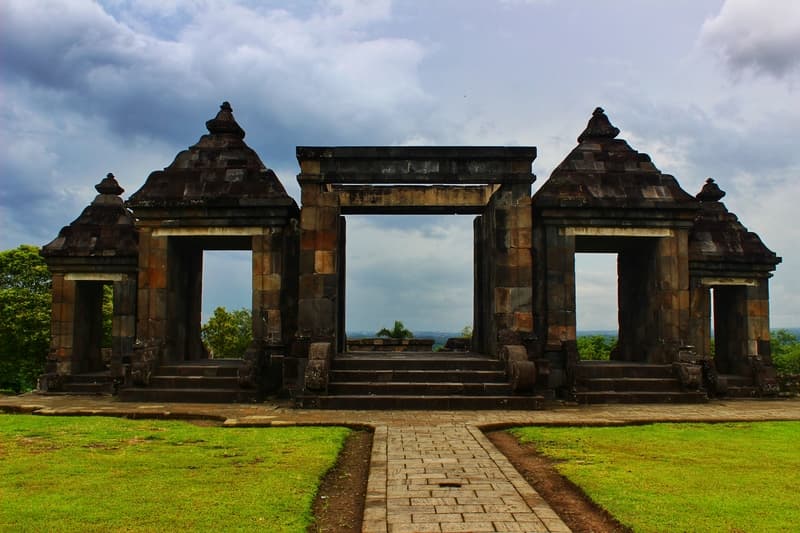
Ratu Boko Temple
Places to eat or drink near Castelo de Água do Sultanato de Yogyakarta

MIE LETHEK GARUDA Noodle Factory

Sate Klathak Mak Adi

Mie Ayam Ibu Tumini Sari Rasa Jati Ayu
