
Lukman Batik Workshop
Closed now
Lukman Batik Workshop
Gg. KH. Zamhari No.257, RT.50/RW.13, Ngupasan, Kec. Gondomanan, Kota Yogyakarta, Daerah Istimewa Yogyakarta 55122, IndonesiaOverview
Lukman Batik Workshop sits in the Ngupasan neighborhood of Yogyakarta, Indonesia, in a working studio where you can watch artisans create batik textiles by hand. This is not a museum or tourist showroom, but an active production space where the craft still drives the daily work. You arrive to find bolts of fabric in progress, wax-resist dyeing in motion, and craftspeople at their stations rather than performing for visitors. The workshop welcomes you into the rhythm of actual batik-making, which gives you a genuine sense of what this centuries-old Indonesian art form requires in skill and patience.
Why this place matters
Batik is a UNESCO-recognized Masterpiece of Humanity and the national cloth of Indonesia. Lukman Batik Workshop represents one thread in Yogyakarta's larger batik heritage, a city where thousands of small workshops have sustained the craft through generations. What makes this particular space worth visiting is that it prioritizes teaching over selling. The owner and artisans explain techniques as they work, and you can observe the full process from sketching the design to the final dye bath. Many batik businesses in Yogyakarta cater primarily to tour groups and souvenir hunters. Lukman operates differently, treating visitors as people genuinely curious about how the work gets done.
Quick facts
- Located in the Ngupasan neighborhood, a residential area about 15 minutes by bike or taxi from the city center
- A working studio, not a retail gallery, though finished pieces are available for purchase
- Best visited by arranging a visit in advance through the workshop or a local guide
- No formal admission fee, though a small donation or purchase is customary
- Open most days but hours depend on current projects and staff availability
Getting there
The workshop sits on a narrow gang (alley) in a quiet residential zone. If you're using a ride-hailing app, ask the driver to drop you at Gg. KH. Zamhari in Ngupasan. You'll see the entrance marked with a small sign. Walking from the city center takes around 45 minutes and passes through local neighborhoods, which can be pleasant but confusing if you don't know the streets. Cycling is faster and gives you a better feel for the area. Many hotels and hostels in central Yogyakarta can arrange a bike rental or connect you with a local guide who knows the route.
If you're traveling with others, splitting a taxi or ride is the easiest option. Tell the driver the full address: Gg. KH. Zamhari No. 257, Ngupasan, Gondomanan. The alley is narrow enough that large tour buses cannot enter, which is partly why the workshop has remained relatively undiscovered compared to batik sites closer to the tourist center.
The layout and experience
When you step inside, you enter a modest studio space organized by stage of production. The front area often holds finished bolts and smaller items like scarves and wall hangings. Behind this is the working area where artisans sit at tables with wax tools, applying intricate patterns by hand. The dye vats occupy another section, usually outdoors or in a well-ventilated back room. The smell of hot wax and natural dyes fills the space in a way that no description quite captures until you're there.
The experience depends on who's working when you arrive and how much time the staff has to explain their process. If you visit on a quiet day, an artisan might walk you through a single design from sketch to finished cloth. If the workshop is busy with orders, you'll observe the work happening but have less one-on-one interaction. Neither scenario is worse than the other; one is more educational, the other more authentic. Both show you the craft in its real context.
Main highlights
Watching the wax application is the most visually striking part of a batik visit. The artisan uses a tool called a canting (a small copper cup with a spout) to draw hot wax in controlled lines and patterns onto cloth. The precision required is immediate and obvious. A shaky hand or a moment of inattention produces a mistake that cannot be undone without scraping off the wax and starting over. Some pieces take weeks to complete if the design is complex.
The indigo dye vats are another key moment. Batik cloth traditionally uses natural indigo, which requires specific handling. The dye doesn't work like a standard dye bath. The cloth is submerged, oxidized in air, submerged again, and oxidized repeatedly until the color deepens. You'll see this cycle in action if you time your visit well.
Many visitors are surprised by how small some of the designs are and how much repetition is involved. A single cloth might contain hundreds of individual motifs, each one applied by hand. The workshop lets you hold finished pieces so you can feel the texture and see the detail up close. The wax creates a stiffness in the cloth that softens over time and with washing.
History and background
Batik has roots in Indonesia going back centuries, though scholars debate whether it originated in Java or spread from other parts of Asia. By the 19th century, batik was central to Javanese textile culture and identity. Yogyakarta became one of the primary centers of batik production, a role it maintains today. The craft survived industrialization and the colonial period partly because hand-batik produces effects that machine printing cannot replicate, and partly because of cultural attachment to the tradition.
Lukman Batik Workshop represents the smaller, family-run model that still dominates Yogyakarta's batik scene. These workshops often pass skills from parent to child or take on apprentices from the community. The economics are modest. Hand-batik is labor-intensive, and even experienced artisans working quickly cannot produce the volume that factories can. The margin between material cost and selling price is slim, which is why many workshops also teach tourists or offer custom orders at higher prices.
Tickets and entry
There is no formal ticket system. You can walk in during working hours, though it's better to call ahead or arrange your visit through a hotel, guide, or online platform that connects travelers with local artisans. Some visitors contact the workshop via social media or email to let them know they're coming. This courtesy helps the staff prepare and ensures someone is available to spend time with you.
If you purchase a finished piece or order custom batik, that becomes your primary contribution to the workshop's income. Prices vary based on size, complexity, and materials. A small scarf costs less than a full-length cloth or custom design. If you visit without buying anything, a donation is appropriate and appreciated.
Best time to visit
Yogyakarta's climate is warm year-round, with a dry season from May through September and a wet season from October through April. The workshop operates in both seasons, though the drying and oxidation process can be slower during the wet months when humidity is high. Early morning visits tend to catch artisans at the start of their workday, when they're fresh and have more energy to explain their process.
Weekdays are generally quieter than weekends. If you prefer a less crowded experience and more direct interaction, Tuesday through Thursday mornings are often ideal. Avoid visiting right after major holidays when the workshop may be closed or understaffed.
Photography tips
The workshop interior can be dim depending on the time of day and weather. Bring a camera that handles lower light well or be prepared to use a higher ISO setting. Ask permission before photographing artisans at work. Most are happy to be photographed, but it's respectful to check first. The wax-application process makes for compelling close-up shots. The moment the hot wax flows from the canting onto cloth is quick, so be ready.
The indigo dye vats photograph well, especially if sunlight hits them directly. The rich blue color is striking even in phone photos. Finished bolts of cloth hanging or folded offer good color and texture shots. Avoid using flash if you can, as it's harsh in a small space and can startle the artisans.
Facilities and preparation
The workshop is a working studio, not a tourist facility. Bathrooms are basic. There is no cafe, shop, or sitting area designed for visitors. Wear clothes that can handle wax splatter or minor dye staining if you plan to get very close to the work. Batik wax is hot, so keep a safe distance from active dye vats and wax pots. Children are welcome but need supervision around the heat and chemicals.
Bring cash if you plan to purchase anything. Card payments may not be available. Small bills are helpful. If you have a specific color or design in mind for a custom order, bring a photo or sketch to discuss with the artisans.
Combining with nearby attractions
Ngupasan is a residential neighborhood without major tourist sites within walking distance. However, the workshop sits roughly 15 to 20 minutes by bike or taxi from several other batik studios and the Museum Tekstil (Textile Museum), which provides broader context on Indonesian textile traditions. The Kraton (Royal Palace) and Water Castle are closer to the city center and can be combined with a batik visit if you plan a full day of cultural exploration.
Local warungs and small restaurants in Ngupasan serve simple Indonesian food at budget prices. These are not tourist restaurants, but they're clean and frequented by locals. If you're visiting the workshop in the morning, consider having lunch nearby before heading back toward the city center.
Sample visit plan
Arrange your visit the day before by contacting the workshop via phone or message. Plan to arrive mid-morning when artisans are well into their work. Allow 60 to 90 minutes to observe the process, ask questions, and examine finished pieces. If you're interested in ordering a custom cloth, budget an additional 15 minutes to discuss your design and timeline. Before leaving, purchase a small item or make a donation. On the way back to your hotel, stop for lunch at a local warung in Ngupasan or in the city center.
Practical tips
- Contact the workshop in advance. A direct visit without notice may find no one available to teach you
- Bring cash and small bills. Card payments are not guaranteed
- Go in the morning when artisans are fresh and the light is better for photos
- Wear clothes you don't mind getting minor wax or dye marks on
- Ask before photographing people. Respect privacy and working space
- If ordering custom batik, expect a timeline of several weeks depending on complexity
- Learn a few basic Indonesian words or bring a translation app. English is limited
FAQ
How long does it take to make a single batik cloth? A simple design on a small cloth might take three to five days. A complex, large cloth with detailed patterns can take several weeks. The time depends on the design complexity, number of dye cycles, and how many artisans are working on it.
Can I order custom batik? Yes. Most workshops accept custom orders, but lead times are long because the work is done by hand. Expect to wait at least two to three weeks, and longer during busy seasons. You'll need to discuss your design, size, and color preferences directly with the workshop staff.
Is batik machine-made here? Lukman Batik Workshop focuses on hand-batik techniques. Some batik sold in Yogyakarta is made using batik stamps or screen printing, which are faster but produce different results. This workshop represents the traditional, labor-intensive method.
What's the difference between natural and synthetic dyes? Traditional batik uses natural indigo and other plant-based dyes. Natural dyes produce subtly different colors and wear differently over time. Synthetic dyes are brighter and more consistent. The workshop uses natural indigo for much of its work, though some pieces may use synthetic dyes for specific colors.
Do I need to buy something to visit? There's no formal requirement, but the workshop depends on sales and donations to sustain itself. If you visit without purchasing, a small donation is appropriate and appreciated. Finished pieces range from small scarves to full-length cloth.
Opening hours
Reviews
Sign in and mark this place visited to leave a review.
No reviews yet.
Free Trip Planner
Plan your Kota Yogyakarta trip with our free planner
Build a day-by-day itinerary with AI suggestions, hand-picked places, and friends. Free forever — no credit card.
Things to see near Lukman Batik Workshop

Castelo de Água do Sultanato de Yogyakarta

Water Castle of Royal Jogjakarta

Beringharjo Traditional Market
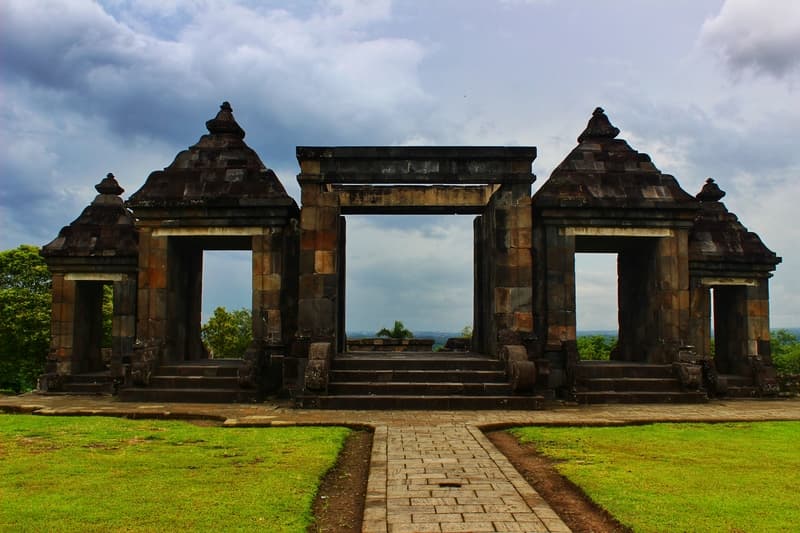
Ratu Boko Temple
Places to eat or drink near Lukman Batik Workshop
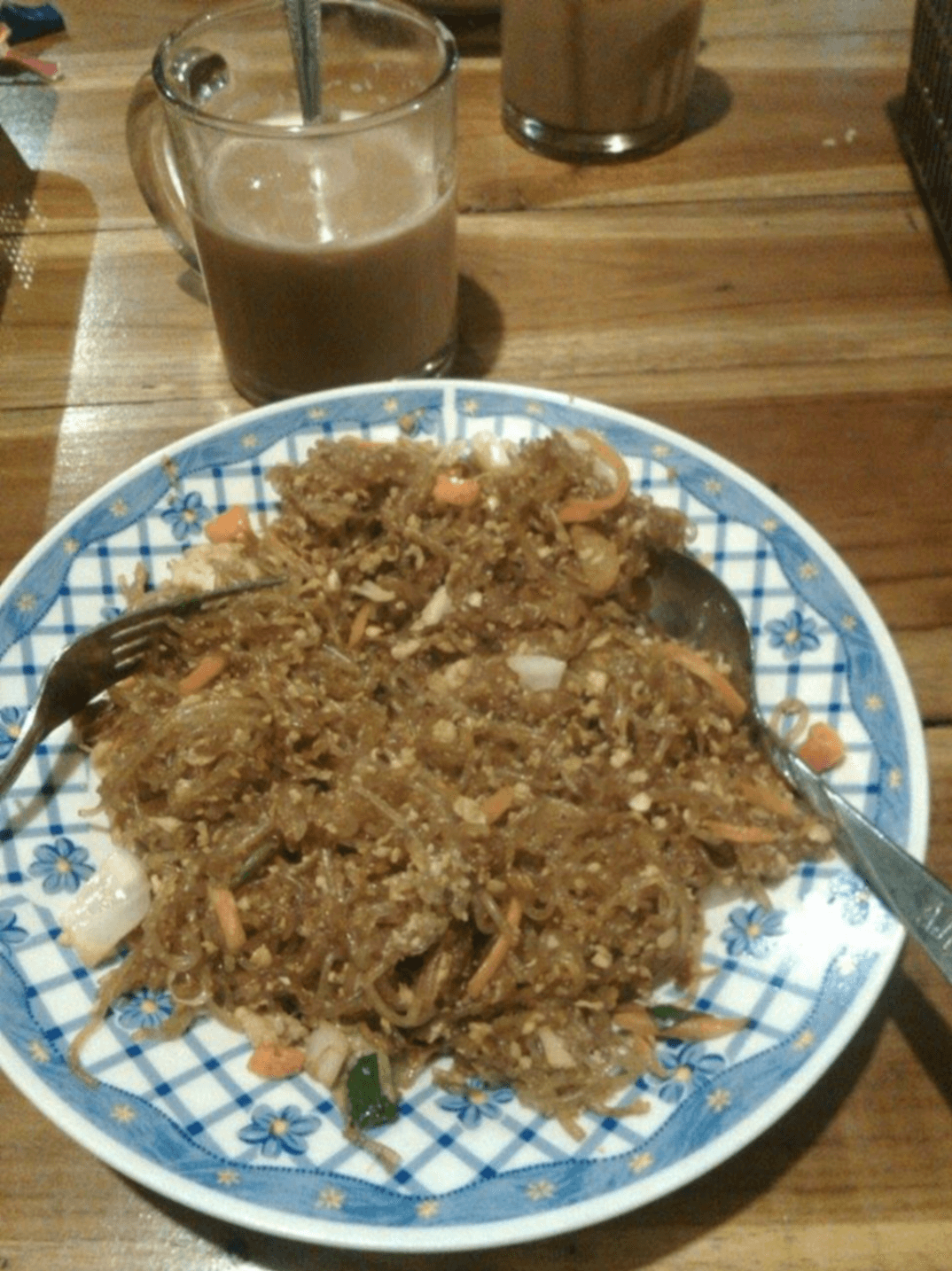
MIE LETHEK GARUDA Noodle Factory

Sate Klathak Mak Adi

Mie Ayam Ibu Tumini Sari Rasa Jati Ayu


