Botin in Madrid
Botin sits on Calle de Cuchilleros in Madrid's Centro neighborhood, a narrow medieval street that slopes down toward the Viaduct. The restaurant has occupied this same address since 1725, making it the oldest continuously operating restaurant in the world by most credible measures. That longevity alone would be noteworthy, but Botin has sustained itself not through tourism alone but through a kitchen that has earned genuine respect across centuries of Madrid dining culture.
Why This Restaurant Stands Out
Three hundred years in one location means Botin has become less a restaurant and more a Madrid institution. The kitchen doesn't chase trends. Instead, it has refined a narrow set of dishes across generations, returning to what works rather than inventing novelty. That restraint is rare enough to feel radical in contemporary dining.
The restaurant currently holds a Michelin star, a distinction that reflects the consistency of its approach rather than any recent pivot toward modernism. The roasting is the heart of the operation, and the wood-fired ovens that heat the dining rooms have burned continuously for centuries.
What the Kitchen Is Known For
Botin has built its reputation on roasted meat and game, particularly suckling pig and lamb. The kitchen often features duck, venison, and quail as seasonal offerings. These aren't elaborate preparations. The meat arrives simply, the quality of the ingredient and the precision of the roasting doing the work.
The suckling pig (cochinillo asado) is the signature dish, and ordering it is less a choice than an acknowledgment of why you came. The skin crisps in the wood-fired oven. The meat stays pale and tender. The kitchen roasts it whole, then breaks it down at your table with a plate edge rather than a knife, a theatrical flourish that has become tradition.
Soups and stews appear on the menu, often built around beans or game stock. The desserts tend toward the classical: flan, torrijas (Spanish French toast), and simple fruit preparations. Wine comes from a cellar that spans generations, with Spanish regions well represented.
Atmosphere and Setting
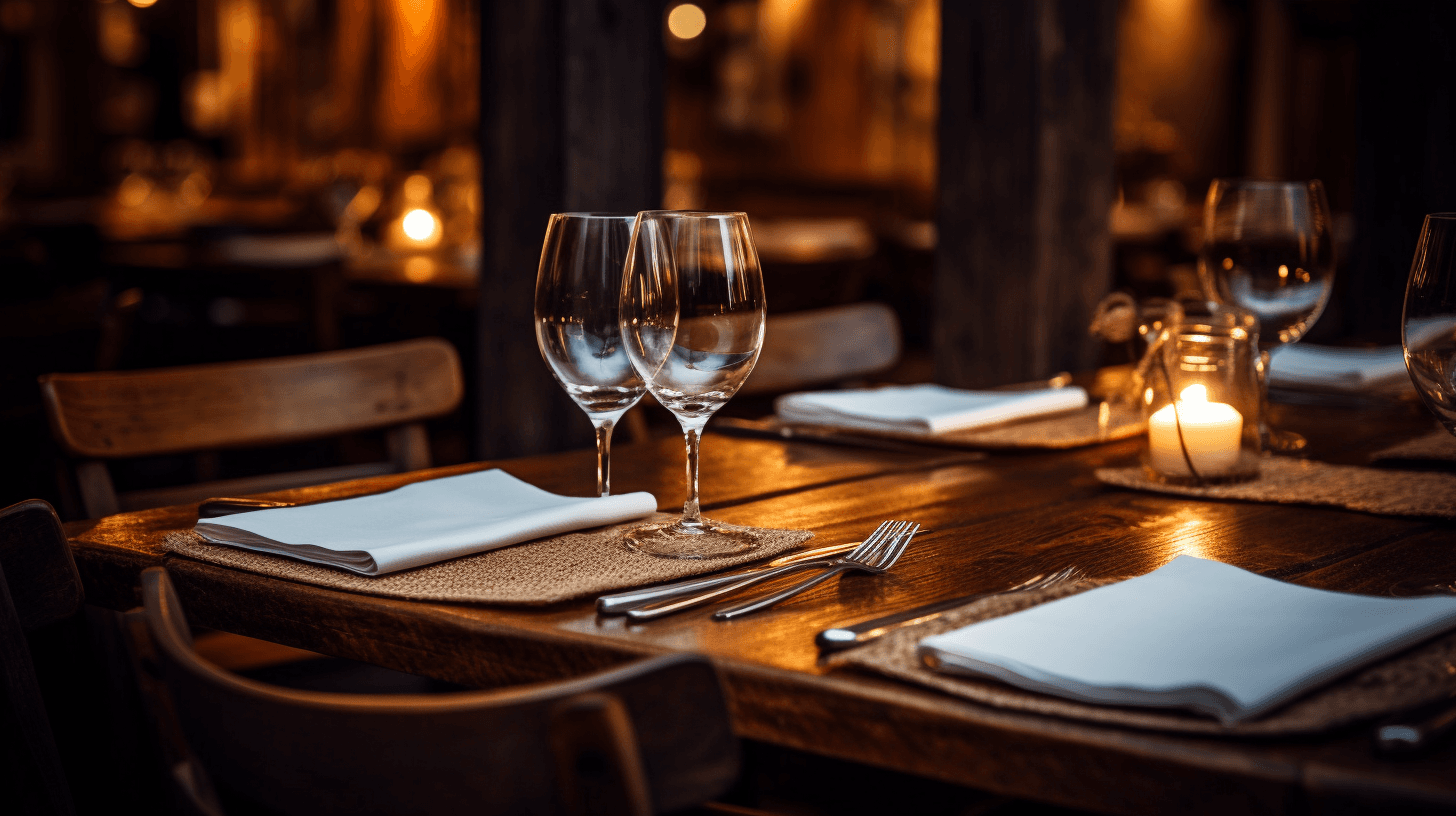
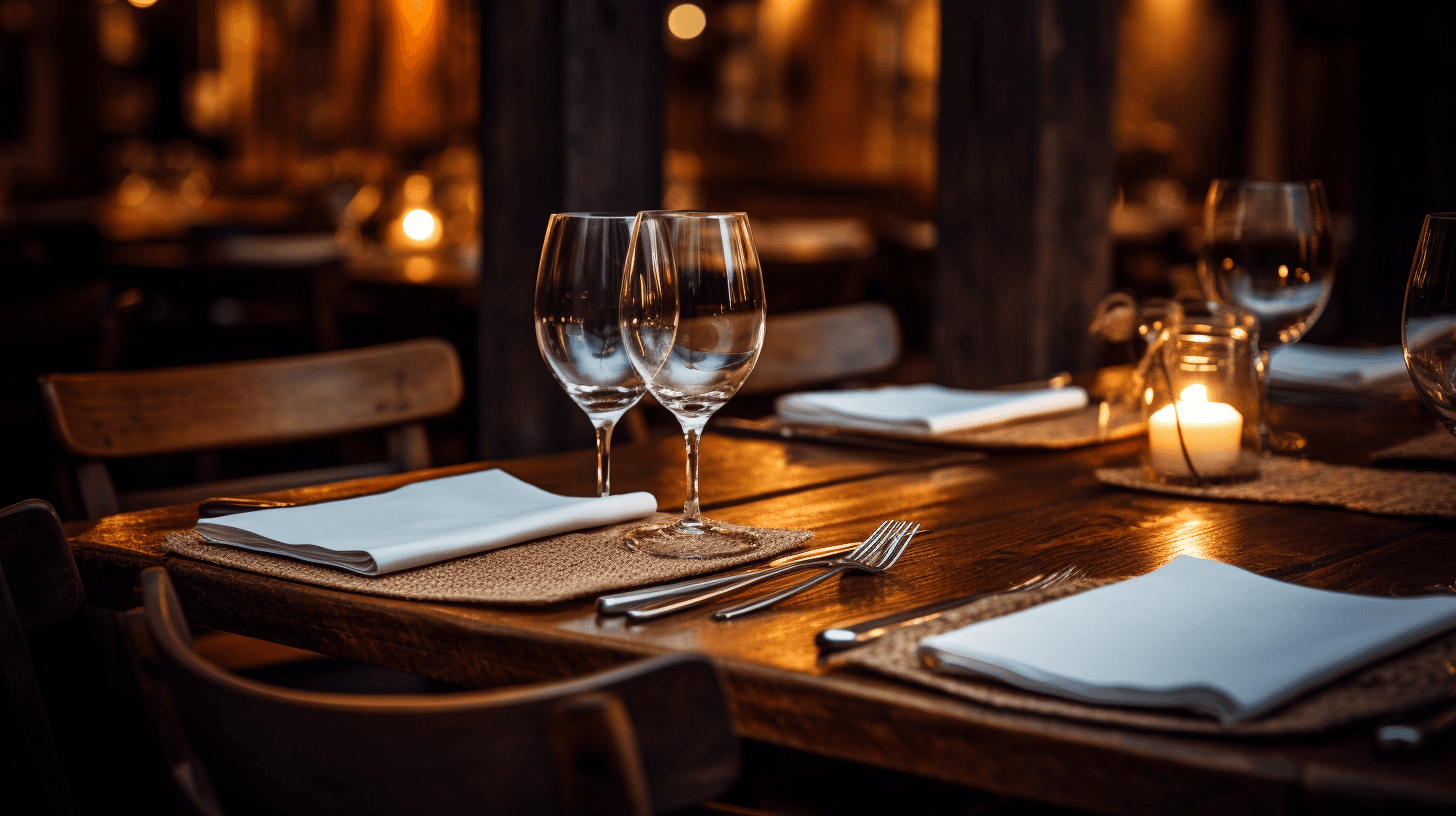
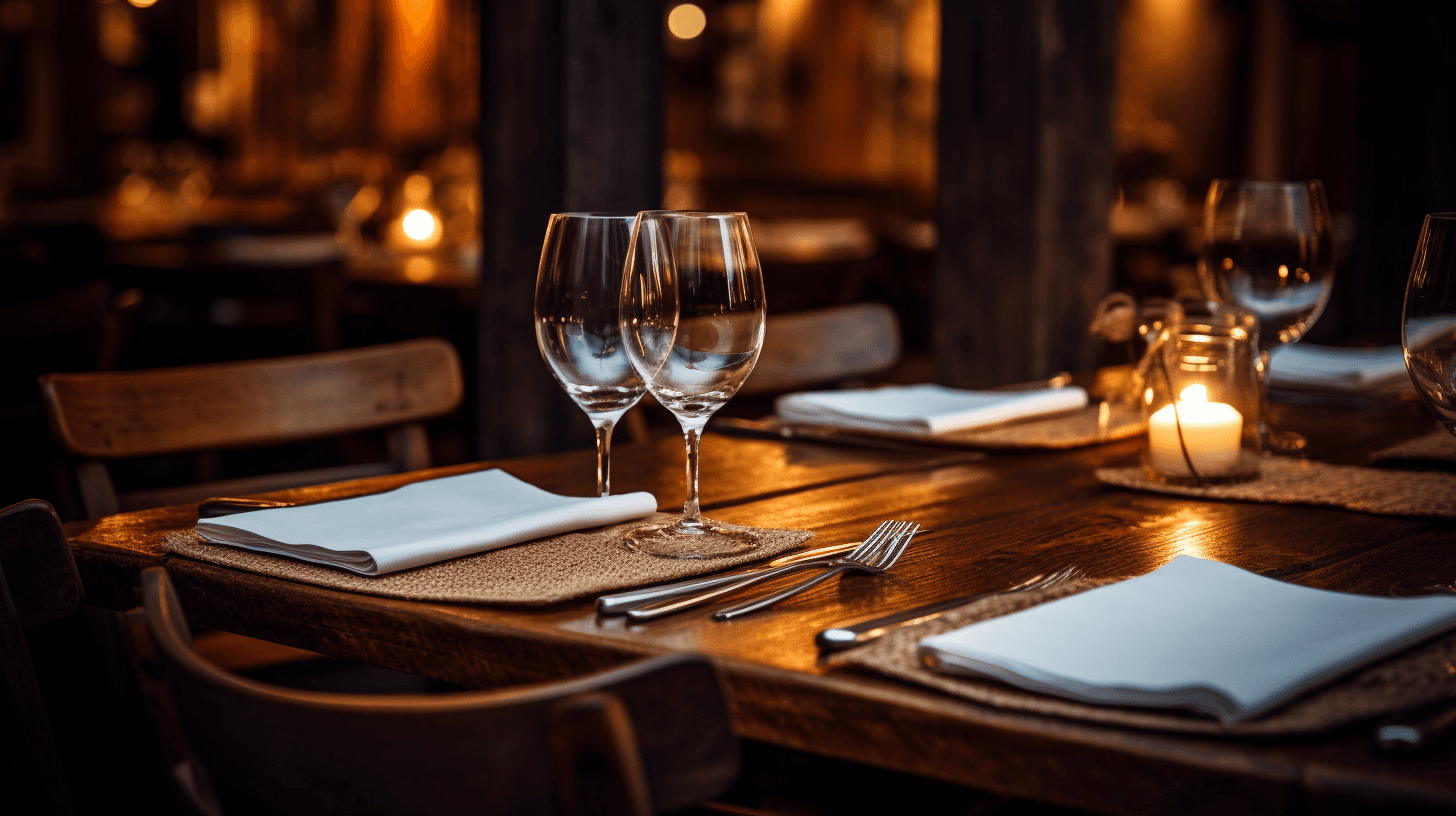
The dining rooms occupy multiple levels within a sixteenth-century building. Wood paneling, tile, and exposed beams create a sense of age that doesn't feel contrived because it's genuine. The rooms fill quickly and maintain a steady hum of conversation in Spanish, English, and other languages.
You'll find a mix of tourists, locals celebrating milestones, and business diners. The space absorbs all of them without pretension. The wood-fired ovens visible from the dining areas remind you constantly of the cooking method that defines the food.
Service and Experience
The staff navigates a complex operation with efficiency. Service tends to be professional but not stiff. You're eating in a working restaurant that has refined its rhythms over centuries, not a museum piece. The table-side carving of the suckling pig is handled with practiced ease.
Staff speak English, and the menu includes explanations in multiple languages. If you ask about wine pairings, the servers offer knowledgeable suggestions from the deep cellar.
Reservations and Waits
Botin requires a reservation. Walk-ins are turned away most days, especially during lunch and dinner service. Book at least a few days in advance during off-season, and further ahead if you're visiting during peak tourist months (April through October, and around Christmas).
Tables turn over predictably. If you arrive after your reservation time, expect a wait of 15 to 30 minutes depending on how busy the preceding service was. The bar area allows you to stand with a drink while waiting.
Price Tier
Botin is an upscale restaurant with fine dining pricing. A meal with wine will cost considerably more than casual dining but somewhat less than Michelin fine dining in northern Europe. The suckling pig and roasted meats drive the bill upward. Wine selections range from affordable Spanish bottles to expensive aged reserves.
Best Time to Visit
Lunch service runs earlier and tends to be less crowded than dinner, though both fill quickly. If you prefer a quieter experience, aim for early lunch, around 1 PM, or late dinner after 10 PM. The kitchen and dining rooms function year-round without seasonal closures.
Avoid peak tourist season if you value a less hectic atmosphere, though Botin maintains its character regardless of crowd size.
Good to Know Before You Go
- The address is on a steep, narrow medieval street. If you're arriving by car, use a nearby parking garage rather than attempting street parking.
- The building has multiple levels connected by stairs and tight passages. It's not accessible for mobility devices or large luggage.
- The menu is predominantly meat-focused. Vegetarian options exist but are limited.
- Credit cards are accepted, but confirm your preferred payment method when booking.
- The dining rooms can feel warm due to the wood-fired ovens. Dress accordingly.
Neighborhood and Location Context
Botin sits in Madrid's historic Centro, steps from the Plaza Mayor and the Viaduct. The surrounding streets contain other restaurants, tapas bars, and shops catering to both locals and tourists. The neighborhood is pedestrian-friendly, though the cobblestones and medieval street layout require attention.
Public transit serves the area well. The nearest metro station is La Latina, about a five-minute walk uphill from the restaurant.
Who This Is For
Botin suits travelers seeking a genuine historical experience rather than a novelty. If you want to eat the same dishes in the same space where people ate them in 1850, this is the place. The cooking is straightforward and excellent, not experimental. The atmosphere mixes tourists and locals in a way that feels natural rather than forced.
This works for special occasions, for solo travelers interested in Madrid's culinary history, and for anyone who values continuity and craft over innovation. The meal requires time and advance planning, not spontaneity. If you're eating here, you've decided that roasted meat in a centuries-old dining room is worth the reservation, the walk, and the price.
FAQ
- How far in advance should I book? At least three to four days during quieter periods, one to two weeks during summer and holidays.
- Is the suckling pig available every day? Yes, it's prepared daily and is the most reliable main course to order.
- Can I request a specific table or room? Mention preferences when reserving, though the restaurant accommodates requests based on availability.
- What's the typical meal length? Plan 90 minutes to two hours from arrival to departure.
- Are there non-meat options? The menu includes fish and vegetable-forward dishes, though they're secondary to the roasted meats.
Opening hours
Reviews
Sign in and mark this place visited to leave a review.
No reviews yet.
Free Trip Planner
Plan your Madrid trip with our free planner
Build a day-by-day itinerary with AI suggestions, hand-picked places, and friends. Free forever — no credit card.