
Spain Travel Guide: Overview
Spain is made up of diverse and vibrant cities whose locals are among the friendliest in the world. For history buffs, Spain has many museums and galleries and has the largest number of World Heritage Cities. Spain has a relaxed lifestyle for young souls—they take siestas, have incredible nightlife, and host amazing cultural festivals. We hope this Spain travel guide helps you plan your trip to Spain!
Table of Contents
Spain Travel Guide: When to Visit
All year long, there is plenty to do in Spain. However, the best weather can be found between the months of April and October. In the spring and fall you will experience fewer crowds, and the weather is ideal.
It’s really hot during the summer, particularly during the months of July and August. It is also very crowded during those months. The locals use that time to go on holiday to beat the crowds. For those who are planning a trip during these months, it’s best to book plane tickets and accommodations in advance.
Spain Travel Guide: How to Get There
Spain is made up of autonomous regions, and each has its own distinct culture. Traveling to Spain is easy because most cities have international airports. The busiest is in the capital Madrid, followed by airports in Barcelona, Palma de Mallorca, and Malaga. Ibiza has an airport that caters to mostly domestic flights and seasonal flights coming from other parts of Europe.
If coming from other parts of Europe, traveling to Spain is easy by train. There’s a high-speed train traveling from France to Barcelona and Madrid. If you are on a tight budget, taking the bus is possible too. Though trips can take longer, sometimes a day, they are much cheaper.
Spain Travel Guide: Travel Tips
Expect to have a late lunch or dinner. Everything is at a slower pace in Spain. If you’re on time, you’re early.
Bring some cash and coins with you. This is essential when trying out local food on the streets, using public toilets, and using public transportation.
Try local cuisines and spend time at local coffee shops. Spanish cuisines are famous because of their delectable ingredients and unique fusion of flavors. The coffees at local cafes are incredibly good too, so try as many as possible and skip Starbucks.
Take care of your valuables. Just like in other famous European countries, there are also pickpockets in most cities in Spain, especially in the top tourist destinations.
Expect a lively afternoon. They have afternoon siestas, and most local shops and Eat and Drinks are closed during these times. They re-open during the evening to serve dinner.
Don’t fall for tourist traps. If something seems too good to be true, it’s probably best to ignore it. This can be in terms of a good accommodation, a good Eat and Drink, or even a city tour headed by local tour guides.
Spain Travel Guide: Typical Costs
Price Range for Hotels
Accommodation across Spain is surprisingly cheaper than in most other countries in western Europe. Budget hostels could cost around €15 up to €35, depending on the season. In major cities like Madrid or Barcelona, it can start at about €25. A decent private room starts at around €50 per night in most cities.
Cost of a Meal
A decent meal on a budget is about €10 to €15, and sometimes, it comes with wine as well. A complete meal with drinks and an appetizer is usually about €25 and up. A simple snack of a sandwich and drink is about €5 to €7. Groceries are much cheaper at €25 per week per person.
Cost of a commute
It’s easy to travel around cities in Spain. Public transportation is excellent and very reliable. Madrid and Barcelona, two main tourist cities, have extensive (and tourist friendly) bus and metro systems. You can get tickets for both the bus and the metro for about €1 to €2 per trip. For regional trips, night buses are considered cheap at around €18 per trip.
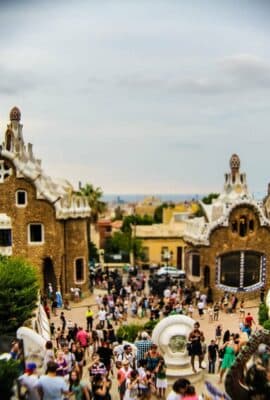
Barcelona


Photographs
Where to Go in Ibiza
Ibiza's best spots fall into three groups: the old town in Ibiza Town, the sunset bars and coves on the west coast around Sant Antoni, and a few quieter places in the north and east. Spend a daytime on Dalt Vila, then give the west coast an afternoon and evening, since the beaches and sunset venues are close together. Save the clubs for last, and plan your Saturday around the market.
Dalt Vila is the walled old quarter above Ibiza Town's harbour and part of the island's UNESCO World Heritage listing. Go here first if you want history rather than beaches, and do it in the morning before the heat builds.
Cala Comte is a series of small sandy coves and rocky platforms on the west coast near Sant Antoni, with remarkably clear shallow water. It is one of the island's most beautiful beaches, so arrive in the afternoon and stay for the sunset.
Cala Bassa is a wide horseshoe bay with fine sand, calm shallow water and pine and juniper trees for shade. It suits a relaxed beach day, especially if you want sheltered water over dramatic scenery.
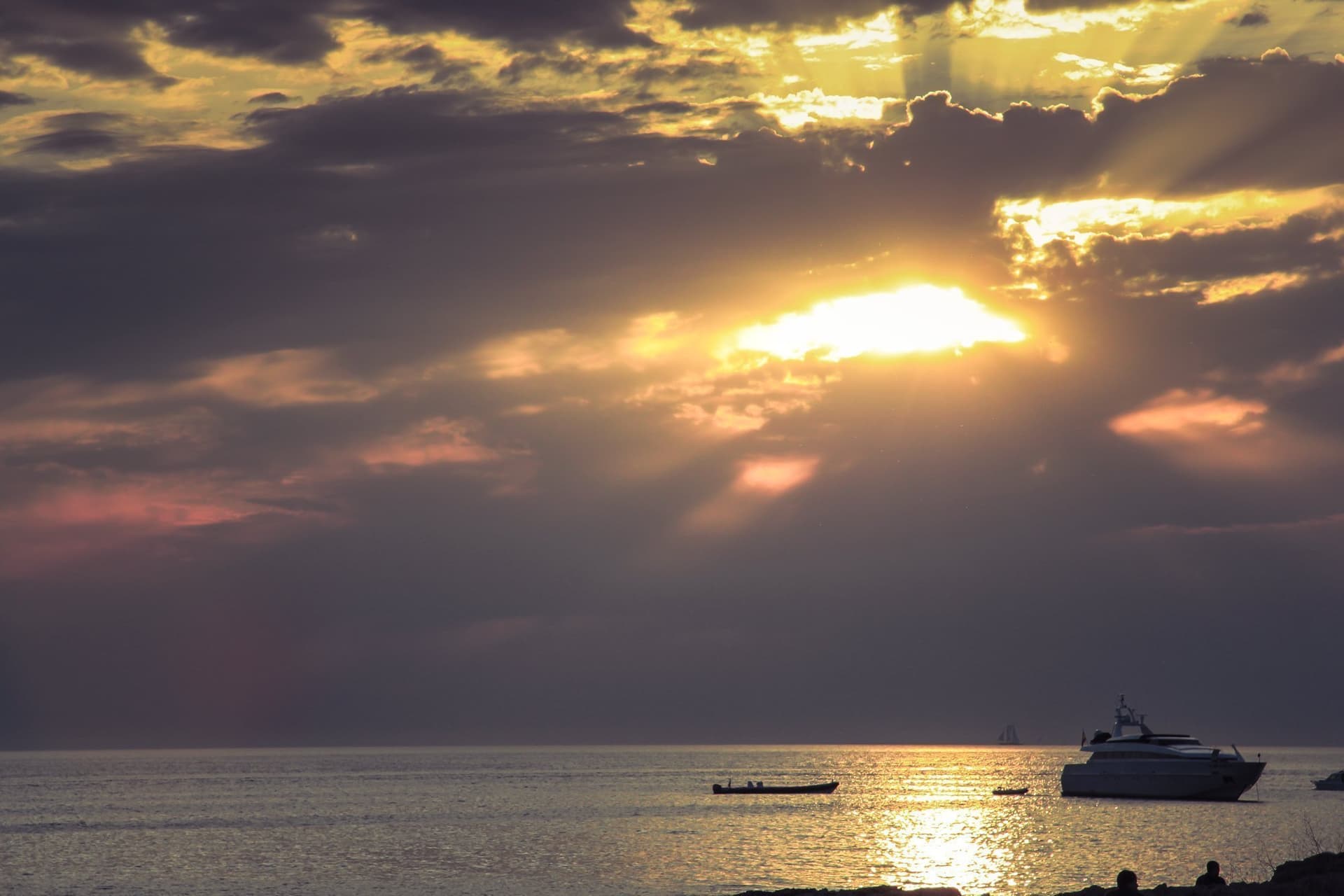
Cafe Del Mar has drawn sunset pilgrims since 1980 from its terrace on the rocky western edge of Sant Antoni. Its terrace faces almost directly toward the sunset, so plan your evening around it.
Café Mambo Ibiza sits right next to Café del Mar on the stretch known as the Sunset Strip. It is another famous place to watch the sun go down, so you can compare the two and pick the one that suits your mood.
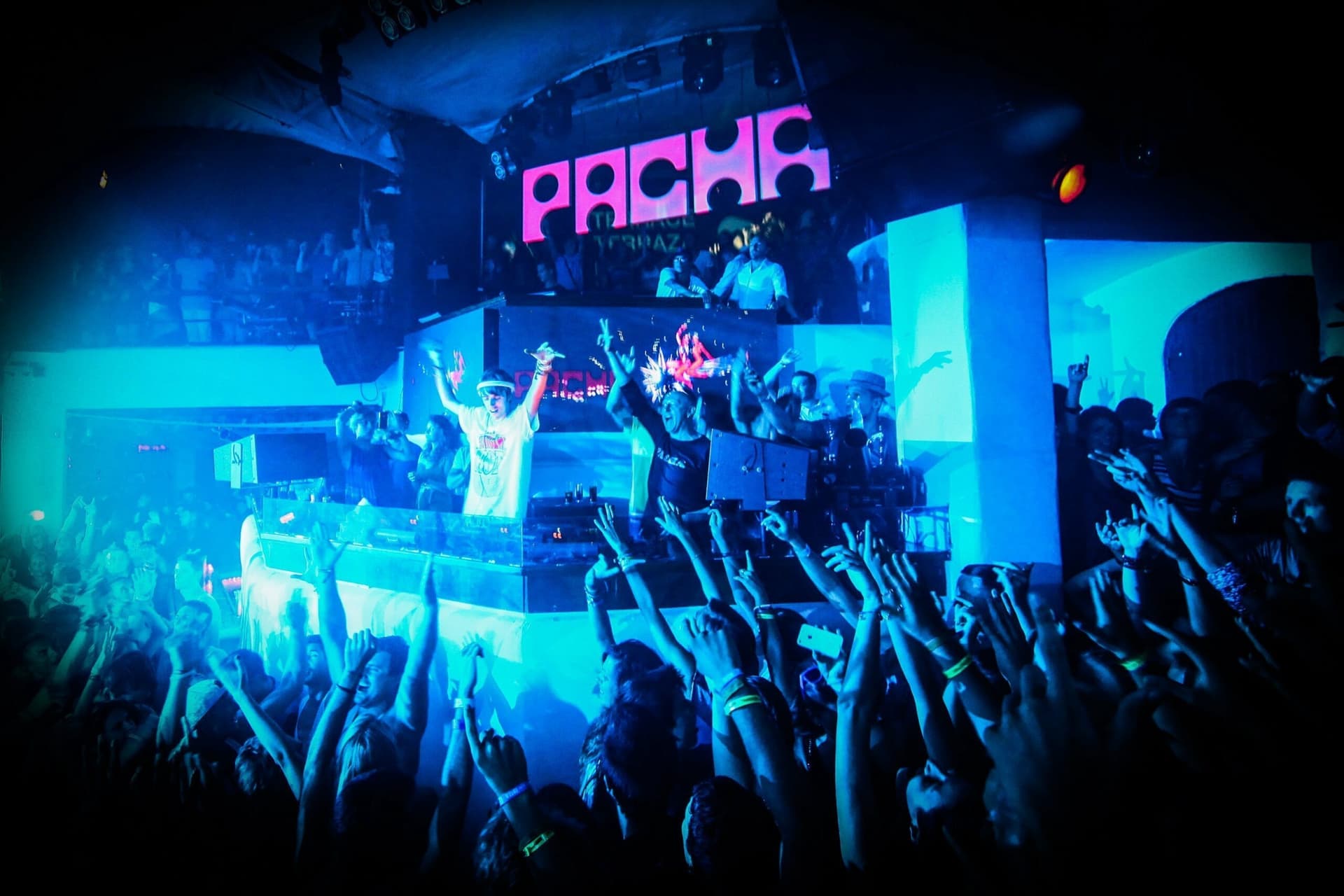
Experience The Nightlife Of Ibiza covers the side of the island that made its name in electronic music and club culture. Read it before you go out so you know what the scene actually looks like after the sunset drinks end.
Benirràs Beach is a scenic cove on the green north coast, framed by wooded hills with a small rocky islet at the mouth of the bay. It is worth the trip across the island if you want a break from the west coast crowds.
Las Dalias Hippy Market is a Saturday market in the countryside near Sant Carles de Peralta in the northeast. It began in 1985 with five stalls and is now a sprawling gathering of artisans and designers, so give it a relaxed few hours.
FAQ
How many days do you need in Spain?
Plan at least a week for a first trip, and closer to two if you want to cover several regions. Spain is made up of autonomous regions with distinct cultures, so rushing between Barcelona, Madrid, Seville and Valencia eats into your time. Pick two or three bases, then add days for islands such as Ibiza or for day trips.
Is Spain safe for tourists?
Yes, Spain is generally safe for travelers, and petty theft is the main thing to watch for. Pickpockets work in most cities, especially around the top tourist sights, so keep bags zipped and valuables out of sight. Be skeptical of offers that seem too good to be true, including accommodation and city tours.
Is Spain expensive to visit?
Spain is generally affordable compared with most of western Europe, especially for accommodation, everyday meals and local transport. Hostels, simple meals and groceries keep a budget trip manageable, even in Madrid and Barcelona. Costs climb in peak summer and in the busiest tourist areas, so check current rates for your dates before you book.
Do you need a car in Spain?
No, you can see most of Spain's highlights without a car. Madrid and Barcelona have extensive metro and bus systems, most cities have airports, and high-speed trains and cheaper buses connect many regions. A car is worth considering only for rural areas and small villages, where public transport can be infrequent, so check schedules for your route.
Do people speak English in Spain?
Yes, you can usually get by in English in tourist areas, hotels and many restaurants, but it is less common in small towns and local eateries. Learning a few Spanish phrases helps and is appreciated. Carry some cash and coins as well, since street food, public toilets and public transport often need them.
Do shops close for siesta in Spain?
Yes, many local shops and eateries close in the afternoon for siesta and reopen in the evening. Lunch and dinner run later than in many countries, so expect to eat late. Plan sightseeing and errands for the morning, and use the afternoon break to rest. Hours vary by city and business, so confirm before you go.
Spain on the map
80 places from this guide. Tap a pin to open the listing.
Top Places to Visit in Spain
View all See & Do
 See & Do
 See & Do
 See & Do
 See & Do
Setas de Sevilla (Metropol Parasol)
 See & Do
Tumba de Amaro Pargo
 See & Do
 See & Do
Top Places to Eat in Spain
View all Eat & DrinkModerate · $$
 Eat & DrinkBudget · $
Xurreria Trebol
 Eat & Drink
 Eat & DrinkModerate · $$
Orient Express Cocktail Bar
 Eat & DrinkBudget · $
 Eat & DrinkModerate · $$
 Eat & DrinkModerate · $$
 Eat & DrinkModerate · $$