C Level Cirque Trail
C-Level Cirque Hiking Trail, Improvement District No. 9, AB T0L 1E0, CanadaThe C Level Cirque Trail climbs out of the Bow Valley just northeast of the Banff townsite and ends in a glacier-carved bowl below the cliffs of Mount Inglismaldie. It's one of those trails locals mention when someone asks for a half-day hike that doesn't feel like a theme park queue. You start among pine forest and old coal mine ruins, and you finish standing in an amphitheater of rock at roughly 2,040 metres, with scree underfoot and not much else above you but the headwall. For a park as busy as Banff gets in July, that combination of accessibility and relative solitude is worth something.
This is not a trail that requires technical skill, ropes, or scrambling experience to reach its main objective. It does require decent fitness, sturdy footwear, and respect for the fact that you're in bear country on an exposed upper slope. Most people who hike regularly will find it satisfying rather than grueling.
Why the C Level Cirque Trail Matters
Banff National Park has no shortage of alpine scenery, but a lot of it requires either a long full-day commitment or a lift-assisted shortcut. The C Level Cirque Trail sits in a useful middle ground. At around 4 kilometres one way and 455 metres of elevation gain, it delivers a genuine glacial cirque, open scree slopes, and valley views without demanding a sunrise start or a backcountry permit. It's also one of the few hikes in the immediate Banff area that layers human history onto the landscape in an obvious way, thanks to the Bankhead mining ruins sitting right at the trailhead.
Quick Facts
- Trail type: Out-and-back
- One-way distance: approximately 4 kilometres
- Elevation gain: approximately 455 metres
- Difficulty: Moderate
- Trailhead: Upper Bankhead parking area, off Lake Minnewanka Road
- Park entry: Banff National Park requires a valid Parks Canada pass
- Dogs: Permitted on leash
- Season: Typically accessible from late spring through early fall, snow dependent
Getting There
The trailhead sits at the Upper Bankhead parking area, reached by turning onto Lake Minnewanka Road from the Trans-Canada Highway interchange near the Banff townsite. The parking lot is about 3.5 kilometres along that road, and most people driving from town get there in under 10 minutes.
There's no shuttle running directly to this trailhead, so you'll want a car or a bicycle. If you're staying in the townsite without a vehicle, biking out is a reasonable option. The stretch of Lake Minnewanka Road leading to Upper Bankhead is gentle, so you arrive at the trailhead without having burned your legs before the climbing even starts.
Parking fills up on busy summer mornings. If you're heading out on a Saturday or Sunday in July or August, aim to arrive before 9am. Weekday mornings are far more forgiving.
History and Background
The name C Level refers to the coal mining operations that once ran through this exact stretch of mountainside. Bankhead operated as a functioning coal mining town from 1903 until 1922, and the lettered "levels" marked the different horizontal tunnels driven into the rock to access coal seams at various elevations. C Level was one of the higher access points.
What makes this worth dwelling on is the contrast. Bankhead was a real company town, complete with housing, a school, and the industrial infrastructure of an early twentieth-century mining operation, operating inside the boundaries of what had already been designated parkland. Coal extraction and national park status briefly coexisted here before the mine closed and the town was dismantled. Walking past the ruins today, you're looking at the foundations of houses and mine buildings that sat for two decades inside a landscape now protected as wilderness.
Parks Canada has preserved the stone foundations and structural remnants near the trailhead, along with interpretive signage explaining the site's industrial past. It's a short detour and it changes how you read the rest of the hike. The forest you walk through on the way up was, within living memory of the region's oldest residents, an active industrial corridor rather than untouched subalpine terrain.
The Layout and Experience
The trail begins at the Upper Bankhead lot and almost immediately passes through the ghost town ruins, where you can see scattered foundations before the route proper starts climbing. From there it enters dense lodgepole pine and spruce forest that keeps you shaded for most of the lower half of the climb.
The grade is steady rather than brutal. Switchbacks are well maintained through this section, and the footing is solid dirt and root rather than loose rock. Around the halfway point, the trees start to thin and you get your first real look across the Bow Valley, which is a good psychological marker that the harder, more exposed part is coming.
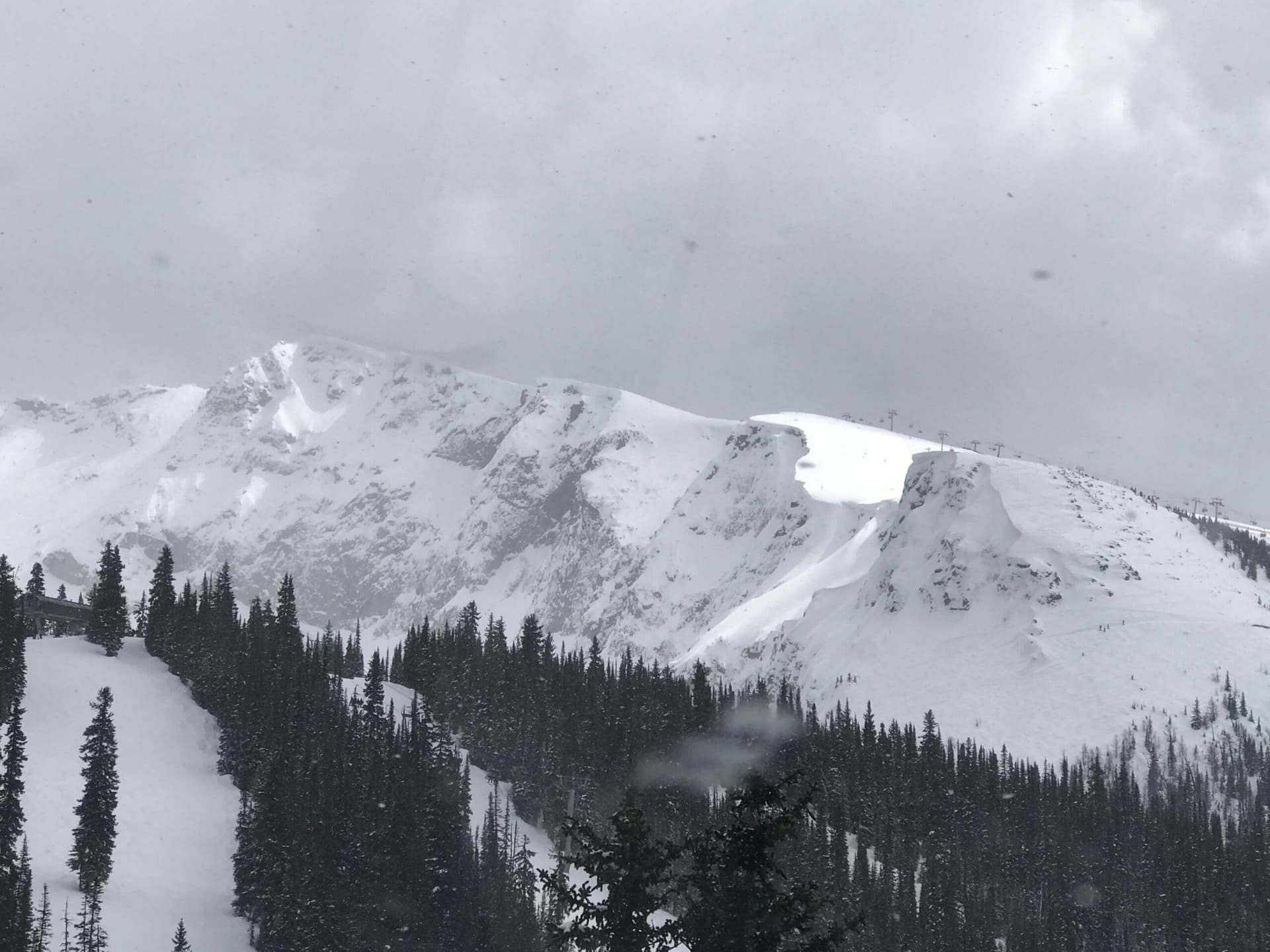
Past that point the trail opens onto a broad scree slope that leads up into the cirque basin itself. This upper section is more exposed to wind and sun, and the footing loosens considerably. Trekking poles genuinely help here rather than being an optional accessory. Once you crest into the cirque you're facing the steep headwall of Mount Inglismaldie, with snow patches often lingering across the bowl floor well into summer depending on the year.
Most hikers treat the cirque basin as the natural end point. There's no maintained trail beyond it, and the headwall above is scrambling and mountaineering terrain reserved for those with the appropriate skills and gear.
Main Highlights
- The cirque basin itself, a dramatic glacial hollow ringed by steep cliffs
- Panoramic Bow Valley views from the open scree slopes on the upper trail
- The Bankhead ghost town ruins near the trailhead, with original stone foundations and interpretive signage
- Wildflower meadows across the open slopes in July and August
- Pika colonies in the boulder fields near the cirque
- Noticeably lighter crowds compared to trails departing directly from the townsite
Best Time to Visit
Late June through September is the reliable window for this trail. Snow can linger on the upper scree slopes well into June in some years, and by October conditions can turn icy without much warning. Mid-July through late August tends to be the sweet spot for wildflowers and stable footing, though those same weeks bring the heaviest foot traffic.
Weekday mornings are consistently quieter than weekends. If you can start by 7 or 8am on any day, you'll likely have the upper trail to yourself. Morning light also happens to be far better for photographing the cirque headwall than the flat glare of midday.
Wildlife and Environment
This is bear country, and it's treated as such by Parks Canada. Black bears are reported fairly often in this corridor, especially during berry season from late July into September. Carry bear spray, know how to use it before you need to, and hike in a group of two or more where possible.
Pikas are almost guaranteed in the boulder fields near the cirque, and ground squirrels show up regularly on the lower slopes. The subalpine and alpine zones here are fragile environments, and boot traffic off the marked trail accelerates erosion faster than most hikers expect, particularly on the scree. Stay on the visible trail wherever you can see one.
Tickets and Entry
There's no separate fee for the trail itself, but you do need a valid Parks Canada pass to enter Banff National Park. Passes come in daily or annual formats and can be bought at the park gates or online through Parks Canada. If you're in Banff for more than a couple of days, the annual Discovery Pass tends to pay for itself quickly against the daily rate.
Photography Tips
The most photogenic moment on this trail comes at the treeline, where the forest suddenly opens onto scree and the full sweep of the Bow Valley appears below you. Morning light from the east catches the valley floor well at this spot.
At the cirque itself, try shooting from the center of the basin facing the headwall. That gives you enough foreground in the frame to communicate the actual scale of the cliffs, which is easy to lose without a reference point. The Bankhead ruins near the trailhead photograph nicely in soft morning or evening light, and the stone foundations have enough texture to carry a shot on their own.
Combining with Nearby Attractions
Lake Minnewanka sits just a few minutes further along Lake Minnewanka Road from the trailhead, and it pairs naturally with this hike if you finish before midday. Summer boat tours run on the lake, and the lakeshore walk is flat, which your legs will appreciate after the scree climb.
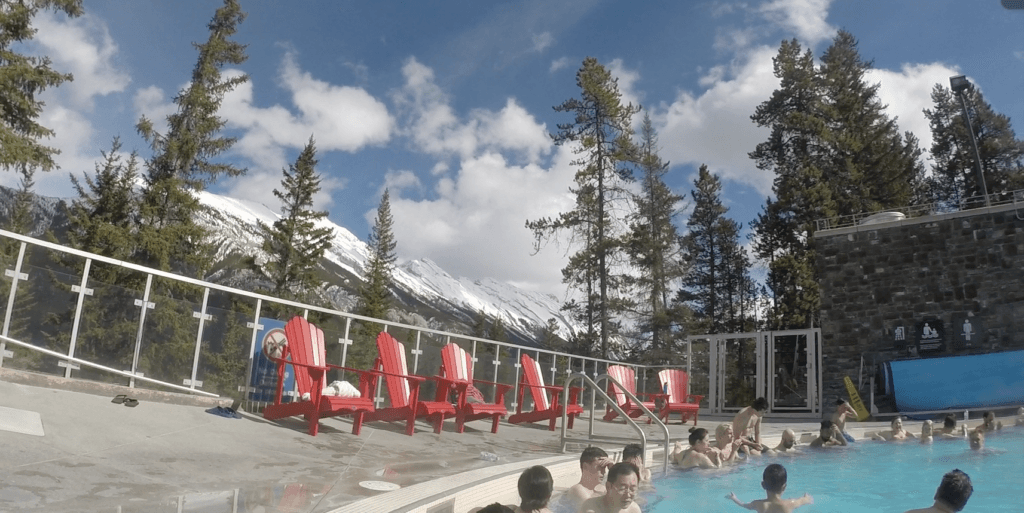
The Banff townsite, with its restaurants, cafes, and the Banff Upper Hot Springs, is less than 15 minutes away by car. A soak at the hot springs after a morning on the C Level Cirque Trail isn't just a tourist cliché, it's a genuinely good idea for anyone who just spent three or four hours on loose scree.
Sample Visit Plan
Start at the Upper Bankhead lot by 7:30 or 8am, giving yourself time to walk through the ghost town ruins before the climb. Budget roughly 90 minutes to 2 hours for the ascent to the cirque, depending on pace and how many photo stops you take at the treeline. Spend 30 to 45 minutes at the basin itself before heading back down. By early-to-mid afternoon you should be back at the trailhead, leaving the rest of the day open for Lake Minnewanka or the hot springs.
Practical Tips
- Bring trekking poles. The loose scree on the upper section is much more manageable with them.
- Carry at least 1.5 litres of water per person. There's no reliable water source on the trail.
- Bear spray is strongly recommended. Clip it to a hip belt so it's accessible, not buried in your pack.
- Wear layers. The cirque sits at altitude and wind can pick up sharply even on warm days.
- Start early on summer weekends to secure parking and avoid the midday crowd.
- Download an offline map before you go. Cell service is unreliable above the treeline.
- Check the Parks Canada trail conditions page before heading out, especially in June and early July when snow may still cover the upper trail.
FAQ
Is the C Level Cirque Trail suitable for children?
Older children comfortable on uneven terrain and with some prior hiking experience will likely manage it fine. The loose scree on the upper section requires sure footing, so it's less appropriate for very young children or those new to hiking.
How long does the hike take?
Most hikers complete the round trip in 3 to 4 hours at a comfortable pace, including time at the cirque. Faster hikers can do it in under 2.5 hours.
Is the trail well marked?
Yes, the lower portion through the forest is clearly marked. On the upper scree the trail can be less obvious, but the route to the cirque basin is generally straightforward if you keep heading uphill toward the obvious bowl.
Can you camp at the cirque?
There's no designated backcountry campsite at the cirque. Overnight camping in Banff National Park requires a permit and must be at an established site.
If you're weighing hikes near the Banff townsite and want something that feels like real mountain terrain rather than a paved interpretive loop, the C Level Cirque Trail is worth putting near the top of the list. It asks a few hours and a decent pair of boots, and it gives back a glacial basin, a mining ghost town, and a stretch of the Bow Valley most visitors never see from this angle.
Reviews
Sign in and mark this place visited to leave a review.
No reviews yet.
Free Trip Planner
Plan your Banff National Park trip with our free planner
Build a day-by-day itinerary with AI suggestions, hand-picked places, and friends. Free forever — no credit card.