
Casa Batllo
Passeig de Gracia, 43, 08007 Barcelona Spain Posted by Brandon B.Admin
Casa Batlló: Gaudí's Most Theatrical Building in Barcelona
If you only have time for one building on Passeig de Gràcia, make it Casa Batlló. Antoni Gaudí's 1906 renovation of this Barcelona townhouse turned a fairly ordinary apartment block into something that looks like it grew rather than was built. The facade ripples with ceramic tiles in blues and greens, the balconies curl like the jaws of skulls, and the roof arches upward in the shape of a dragon's spine. It is one of the most photographed buildings in Spain, and standing in front of it for the first time, you will understand why.
The building sits in the stretch of Passeig de Gràcia known as the Manzana de la Discordia, a single city block where three of Catalonia's greatest modernista architects each left a major work within steps of each other. That context matters. Casa Batlló is not a standalone curiosity. It is the centerpiece of an architectural argument that has been running since the early 1900s.
Why Casa Batlló Matters
Gaudí completed the renovation in 1906, working for the textile industrialist Josep Batlló. The brief was essentially to tear it down and start again, but Gaudí chose to keep the existing structure and transform it from the outside in. That decision makes the building unusual even within his own body of work. Every surface, from the staircase to the light well to the rooftop, was reconsidered as part of a single organic idea.
UNESCO recognized the building as a World Heritage Site in 2005, grouping it with six other Gaudí works across Catalonia. It is one of the few privately owned buildings on that list that remains open to the public as its primary function.
Quick Facts
- Address: Passeig de Gràcia, 43, Barcelona
- Architect: Antoni Gaudí (renovation completed 1906)
- UNESCO World Heritage Site since 2005
- Located on the Manzana de la Discordia alongside Casa Amatller and Casa Lleó Morera
- Entry is timed and ticketed; advance booking is strongly recommended
- The Magic Nights experience runs in the evening and offers a different atmosphere from daytime visits
- Audio guide (now delivered via tablet) is included with standard admission
Getting There
The nearest metro stop is Passeig de Gràcia on lines L2, L3, and L4. From the station exit, the building is about a 2-minute walk north along the boulevard. You really cannot miss it. The facade catches the light differently depending on the time of day, and there is almost always a crowd in front of it taking photos.
If you are coming from the Gothic Quarter, the walk up takes around 20 minutes. From Gràcia neighborhood, it is a similar distance heading south. Taxis and ride-share services drop off easily on Passeig de Gràcia, though the boulevard is busy and you may need to walk a short distance from wherever you are dropped.
The Layout and Experience
The visit follows a set route through the building, starting at the main floor that the Batlló family used as their private residence. The rooms here have an almost underwater quality. Ceilings spiral in smooth plaster, doorframes curve without a single straight edge, and the color shifts from deep blue near the central light well to warm cream toward the street-facing rooms. It does not feel like a museum. It feels like you have walked inside something alive.
The central light well is one of the most quietly impressive parts of the building. Gaudí tiled it in gradations of blue, darker at the top where natural light is strongest, lighter toward the bottom, so that the whole shaft appears to glow evenly from floor to floor. It is a practical solution dressed as art.
From the main floor you move upward through the attic, which has a series of parabolic arches in white brick that look more like ribs than architecture. Then the rooftop terrace opens up. The dragon's back ridge, covered in broken ceramic in shades of green and blue, curves against the Barcelona skyline. On a clear day you can see the towers of the Sagrada Família in the distance. Most visitors spend a significant amount of time up here, and it earns every minute.
The standard visit uses a tablet-based audio guide with an augmented reality feature that reconstructs how certain rooms looked during the Batlló family's residence. Whether you find that helpful or distracting depends on your tolerance for technology in historic spaces. You can largely ignore it and just look at the building.
Main Highlights
- The main floor noble rooms, particularly the oval-shaped salon facing Passeig de Gràcia
- The central light well with its gradient blue tilework
- The attic with its sequence of parabolic white arches
- The rooftop terrace and the dragon's back ceramic ridge
- The facade itself, best viewed from the far side of the boulevard in the late afternoon when the sun hits the tiles directly
Best Time to Visit
Mornings tend to be busiest, especially in summer. If you book the first entry slot of the day, you will share the space with fewer people and the light in the main-floor rooms is softer and more even. Late afternoon visits, around 4 or 5pm, give you the best light on the facade from outside.
The Magic Nights experience runs in the evening during certain seasons and includes a different program, often with a drink on the rooftop. It is a genuinely different atmosphere from the daytime visit and worth considering if you are visiting Barcelona on a longer trip and want to see the building twice. The rooftop at dusk, with the city lights coming on below the dragon's back ridge, is hard to beat.
July and August are the most crowded months by a wide margin. If you are visiting in shoulder season, October or March for example, the queues are shorter and the experience is noticeably calmer.
Photography Tips
For the exterior, cross to the opposite side of Passeig de Gràcia and use a wide-angle lens or your phone's ultra-wide setting. The full facade is tall and you need the distance to capture it properly. Late afternoon light, roughly 4 to 6pm depending on the season, turns the ceramic tiles iridescent and makes the blues and greens pop against the stone upper sections.
Inside, the light well rewards patience. Stand at the bottom and look up for a shot that most visitors miss in their rush toward the rooftop. The main salon facing the boulevard is bright but the rooms deeper in the floor plan are dim, so adjust your ISO accordingly if you are shooting without flash (flash is not permitted inside).
On the rooftop, the dragon's back ridge photographs best in the golden hour. The Sagrada Família towers visible in the background give the image a specifically Barcelona context that you will not get anywhere else.
Tickets and Entry
Timed entry tickets must be bought in advance, particularly between April and September. Walk-up tickets are sometimes available but the queue can be long and there is no guarantee of entry on busy days. The official website is the most reliable booking source. Third-party resellers exist but prices vary and some offer less flexibility on rescheduling.
Several ticket tiers exist, typically covering standard admission, a premium option with skip-the-line access or enhanced audio features, and the separate Magic Nights evening experience. Group tickets and combined passes with other Gaudí sites are also available depending on the season.
Combining with Nearby Attractions
The Manzana de la Discordia makes for an easy half-day on its own. Casa Amatller, designed by Josep Puig i Cadafalch, sits directly next door at number 41. Casa Lleó Morera, by Lluís Domènech i Montaner, is a few doors down at number 35. You can view all three facades without entering any of them in about 10 minutes, or go inside Casa Amatller for a contrasting perspective on how a different architect approached a similar brief.
From Passeig de Gràcia, Casa Milà (La Pedrera) is about a 10-minute walk north. It is another Gaudí building and also a UNESCO site, but built later and with a different character. If you are committed to understanding Gaudí's development as an architect, doing both in a single day is feasible. The Sagrada Família is a metro ride away, roughly 15 minutes door to door from Passeig de Gràcia station.
Practical Tips
- Book tickets online before you arrive in Barcelona, not the morning of your visit
- The building has an elevator, but parts of the rooftop and some interior transitions involve steps
- Bring sunscreen for the rooftop in summer; there is no shade up there
- The gift shop is at the exit and sells quality reproductions of Gaudí ceramics and prints if you want something beyond a fridge magnet
- The tablet audio guide is available in many languages; pick it up at the start of the visit and return it at the end
- Photography is permitted throughout, including the interior, but flash is not allowed
- If you are visiting with children, the rooftop and the tactile surfaces tend to hold their attention better than the interior rooms
FAQ
Do I need to book in advance? Yes, especially from spring through early autumn. Walk-in tickets exist but sell out quickly on busy days. Booking the night before is often too late in peak season.
How long does a visit take? Most visitors spend between 60 and 90 minutes inside. If you linger on the rooftop or explore the audio guide thoroughly, two hours is reasonable.
Is Casa Batlló accessible for visitors with mobility limitations? There is an elevator serving most floors, but the rooftop involves some uneven ceramic surfaces. It is worth contacting the venue directly if you have specific accessibility needs before booking.
Is the Magic Nights experience worth the extra cost? If you are already doing a daytime visit, it depends on your budget and interest. The rooftop in the evening has a genuinely different feel. If you can only visit once, the daytime experience gives you more time and better visibility inside the building.
Can you see the building without buying a ticket? The exterior is entirely free to view from the street. The facade alone is worth the trip to Passeig de Gràcia. You do not need to go inside to appreciate what Gaudí did to the outside of the building, though you would be missing the better half of the experience.
Opening hours
Reviews
Sign in and mark this place visited to leave a review.
No reviews yet.
Free Trip Planner
Plan your Barcelona trip with our free planner
Build a day-by-day itinerary with AI suggestions, hand-picked places, and friends. Free forever — no credit card.
Related reading


Things to see near Casa Batllo

Colonia Guell Gaudi Crypt
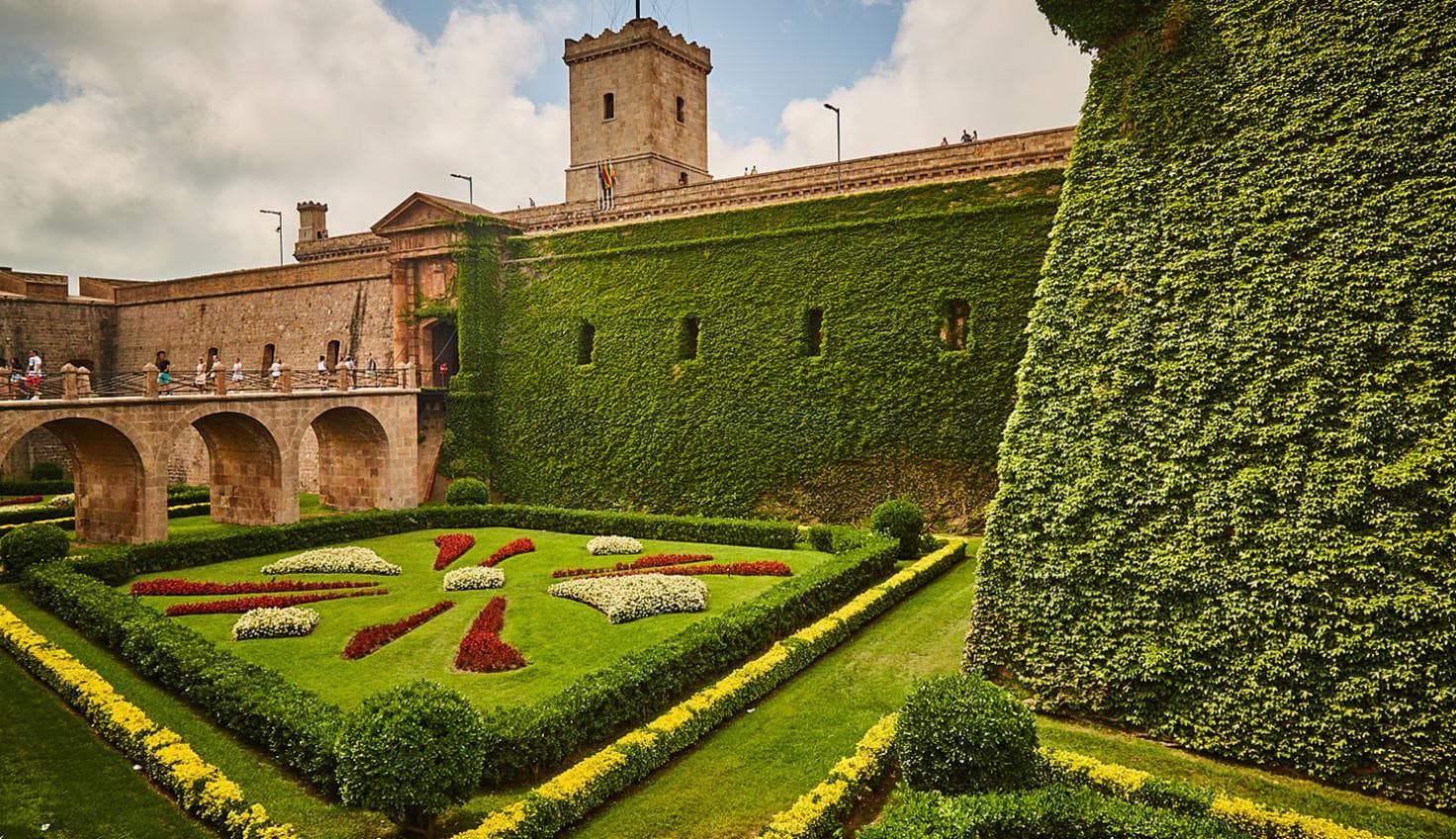
Montjuïc Castle
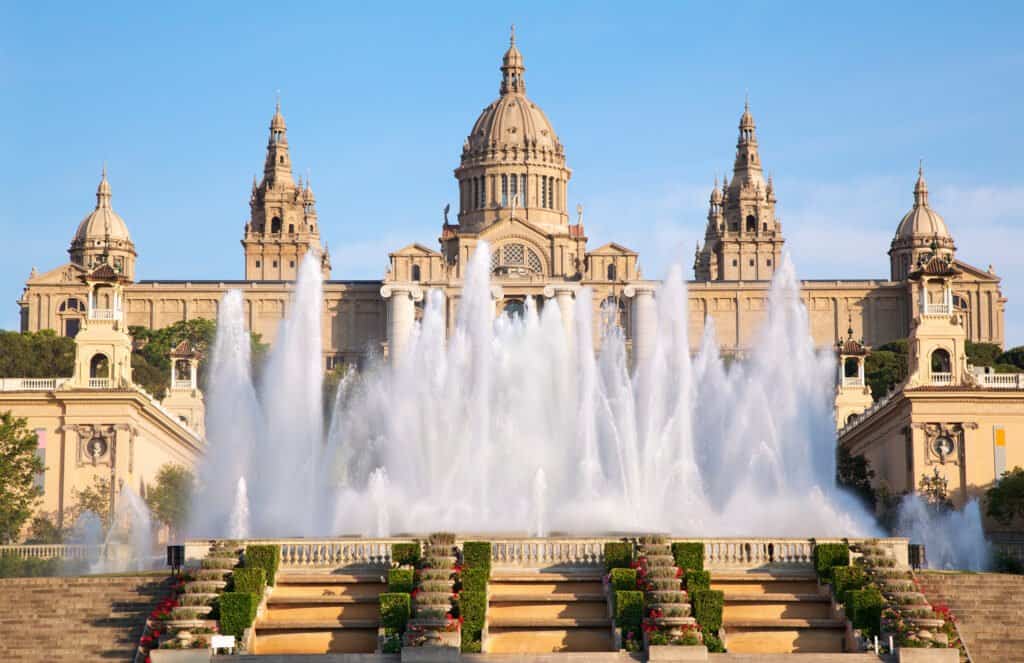
Magic Fountain of Montjuïc
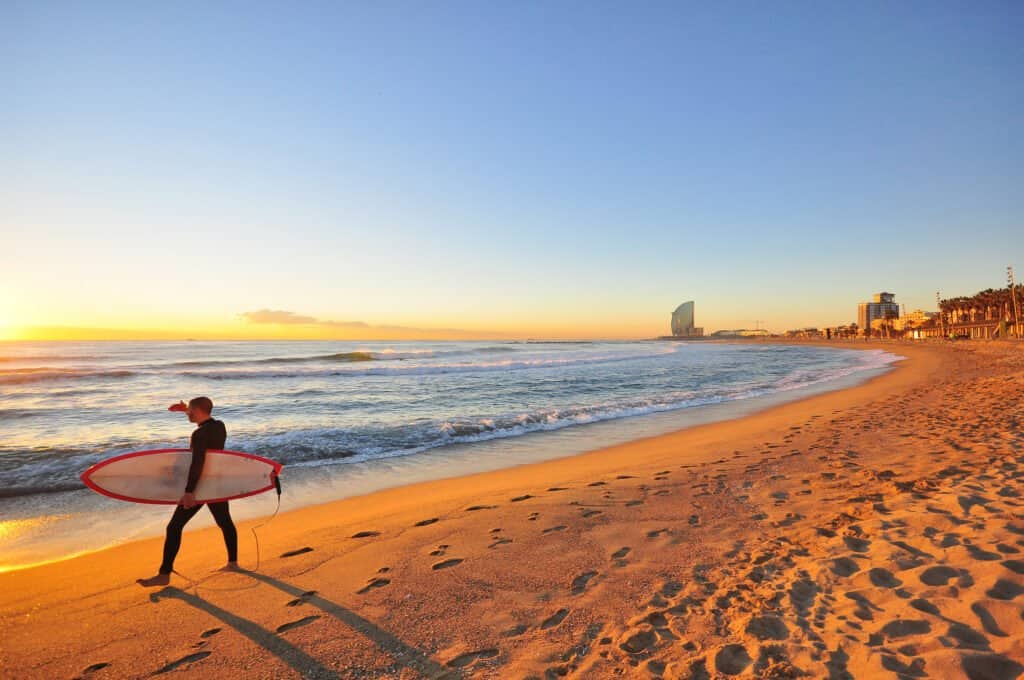
Barceloneta Beach
Places to eat or drink near Casa Batllo



More places in Barcelona

Sagardi BCN Centre

Orient Express Cocktail Bar

Xurreria Trebol
