
Casa Calvet
C/ Casp 48 Eixample, 08010 Barcelona Spain Posted by Brandon B.Admin
Casa Calvet: Gaudí's Quietest Masterpiece in Eixample
Most visitors to Barcelona spend their days staring up at the Sagrada Família or wandering through Casa Batlló, and that's understandable. But Casa Calvet, sitting at Carrer de Casp 48 in the Eixample district, rewards the traveler who looks a little harder. Built between 1898 and 1900, it was the first major urban commission Antoni Gaudí completed in Barcelona, and it remains one of the most approachable entries into his work. The building doesn't announce itself with the same theatrical energy as his later projects. It pulls you in quietly, and that's precisely what makes it worth seeking out.
Why Casa Calvet Matters
In 1900, the city of Barcelona awarded Casa Calvet its annual prize for the best building constructed that year. It was the only official municipal architecture prize Gaudí ever received during his lifetime, which tells you something about how the city's taste and his vision didn't always align. By the time he finished his later work, the establishment had largely moved on from him.
The building was commissioned by textile merchant Pere Màrtir Calvet as both a family residence and a place of business, with the ground floor originally serving as the company's offices and warehouse. That dual purpose shaped the design in ways you can still read today. The facade is more restrained than anything Gaudí produced after 1905, but look closely and the details are extraordinary: stone carvings referencing the owner's patron saint, baroque curves that hint at what was coming later, a double cross at the roofline, and door knockers shaped like a cross striking a bug, a symbol of bad luck being driven away.
The building sits within the rigid Eixample grid, that famous 19th-century urban expansion plan designed by Ildefons Cerdà. Working within those constraints, Gaudí still managed to push the facade slightly beyond the permitted building line, which briefly landed him in trouble with the city. He argued his case and won. It was not the last time.
Quick Facts
- Address: Carrer de Casp 48, Eixample, Barcelona
- Architect: Antoni Gaudí
- Construction: 1898 to 1900
- Municipal prize: Best Building in Barcelona, 1900
- Current use: Private residential building with a restaurant on the ground floor
- Nearest metro: Passeig de Gràcia (Lines 2, 3, 4), roughly 5 minutes on foot
- Entry to the exterior: Free, street level only
Getting There
The easiest approach is from Passeig de Gràcia metro station, one of the most central stops in the city. Walk east along Carrer de Casp for about 5 minutes and the building appears on your left. You're in the upper Eixample here, a neighborhood of wide pavements, 19th-century apartment blocks, and a handful of the city's better restaurants. It's an easy walk from the Manzana de la Discordia, the famous block on Passeig de Gràcia where buildings by Gaudí, Domènech i Montaner, and Puig i Cadafalch stand within meters of each other.
If you're coming from the Sagrada Família, it's about a 15-minute walk southwest or a short ride on the L2 metro line. The Rambla de Catalunya is also close, making it straightforward to combine this stop with a longer walk through the neighborhood.
The Layout and Experience
Casa Calvet is a private residential building. That means you cannot tour the upper floors or the interior spaces where the Calvet family once lived. What you can do is stand on Carrer de Casp and spend real time with the facade, which is more than enough for most visits. The stonework is Montjuïc sandstone, warm and slightly golden in afternoon light, and the surface is dense with sculptural detail that takes time to read properly.
The ground floor restaurant, also called Casa Calvet, occupies the space that was originally the family's textile business. If you book a table, you'll eat inside a space that retains original Gaudí-designed furniture and fittings, including chairs with ergonomic backrests that were genuinely ahead of their time. The dining room is the closest most visitors will ever get to being inside a Gaudí-designed interior that isn't a museum or a ticketed monument.
The entrance vestibule, visible if the front door is open, contains one of Gaudí's early experiments with the parabolic arch, a structural and aesthetic obsession that would define his later career. Don't linger too long in the doorway if residents are coming and going, but a quick look from the street is entirely reasonable.
Main Highlights
The Facade
Start at street level and work upward. The ground floor features the original entrance with its ornate ironwork, designed by Gaudí himself. The door knockers are small but worth getting close to: each one is a cross mounted above a wrought-iron insect, the gesture of knocking meant to symbolically crush bad luck before entering. Above the main entrance, the facade rises through decorative stonework referencing mushrooms, a nod to the Calvet family's Catalan roots and their connection to the forests around their hometown of Vilassar de Dalt.
The Roofline
Look up at the double baroque gable at the top of the building. Gaudí incorporated a cypress tree and a tau cross, plus busts of the patron saints of the Calvet family. This upper register is where the building starts to feel like a precursor to what came later, the shaped silhouettes, the organic references, the layering of symbolic meaning.
The Restaurant Interior
If your budget allows for a mid-range to upscale dinner in Barcelona, eating at the Casa Calvet restaurant is genuinely worth it for the setting alone. The original Gaudí-designed chairs are still in use, and the interior woodwork and tiling belong to the building's original fit-out. The menu focuses on refined Catalan cuisine. Reservations are recommended, especially on weekends.
Best Time to Visit
For photographs, late afternoon on a clear day brings out the warmth of the Montjuïc stone beautifully. The building faces roughly northeast, so morning light hits it more directly, but the golden hour effect later in the day tends to produce the better images. Most days Carrer de Casp has moderate pedestrian traffic, which means you won't have the street entirely to yourself, but it's never as crowded as the block containing Casa Batlló.
If you're planning to eat at the restaurant, lunch tends to be quieter than dinner service. Weekday lunchtimes in particular can feel almost calm by Barcelona standards, which is a rare thing in this city during the tourist season.
Photography Tips
The building is narrow enough that a wide-angle lens or your phone's ultra-wide mode will capture the full facade from directly across the street. Carrer de Casp is wide enough to give you distance. The ironwork on the ground floor repays close-up attention: the door knockers, the mailbox, and the handle plates all carry Gaudí's fingerprints and photograph well in soft natural light.
Try to arrive when the restaurant is open, as the entrance doors are often ajar, giving you a partial view of the vestibule and the parabolic arch inside. That interior glimpse is one of the most interesting shots you can get without actually entering.
Combining with Nearby Attractions
Casa Calvet sits at the eastern edge of a very walkable Gaudí and Modernisme circuit. From here, Passeig de Gràcia is about 5 minutes west, where you'll find Casa Batlló and Casa Milà (La Pedrera) within a short stretch of the same boulevard. The Palau del Baró de Quadras and Casa Lleó Morera are also in this general zone.
The Palau de la Música Catalana, designed by Lluís Domènech i Montaner and a UNESCO World Heritage Site like Gaudí's major works, is about 15 minutes on foot heading northeast toward the old city. If you're spending a day on Modernisme architecture, Casa Calvet makes a logical first or last stop on that route.
Practical Tips
- The exterior is freely accessible at any hour, but the best light for photography is roughly between 4pm and 7pm depending on the season.
- The building is residential. Be respectful of residents entering and leaving and don't attempt to access the upper floors.
- The restaurant requires a reservation for dinner most nights. Book ahead if you want to see the interior.
- If the front door is open, a brief look at the vestibule from the doorway is generally tolerated, but step aside quickly for anyone passing through.
- Combine this stop with the nearby Manzana de la Discordia on Passeig de Gràcia to make the most of the walk.
- Audio guide apps for Barcelona Modernisme sometimes include Casa Calvet and can add useful context for the facade symbolism.
FAQ
Can you go inside Casa Calvet?
The upper floors are private residences and not open to the public. The ground floor restaurant is accessible to diners, and the entrance vestibule can sometimes be glimpsed from the street when the front door is open.
Is Casa Calvet a UNESCO World Heritage Site?
Not individually. It is sometimes grouped with the broader recognition of Gaudí's work in Barcelona, but the specific UNESCO designation covers seven of his other works, including the Sagrada Família, Casa Batlló, and Casa Milà. Casa Calvet is not among them.
How long should I spend at Casa Calvet?
For a serious look at the facade and the surrounding streetscape, 20 to 30 minutes is enough. If you're eating at the restaurant, budget a full lunch or dinner sitting, which typically runs around two hours.
Is it worth visiting if I've already seen Casa Batlló and La Pedrera?
Yes, for a different reason entirely. Casa Calvet shows you where Gaudí was before his style fully matured, and it gives you a sense of the progression. It's also far less crowded, which makes the experience of actually looking at the building more relaxed and personal.
Opening hours
Reviews
Sign in and mark this place visited to leave a review.
No reviews yet.
Free Trip Planner
Plan your Barcelona trip with our free planner
Build a day-by-day itinerary with AI suggestions, hand-picked places, and friends. Free forever — no credit card.
Related reading

Things to see near Casa Calvet

Colonia Guell Gaudi Crypt
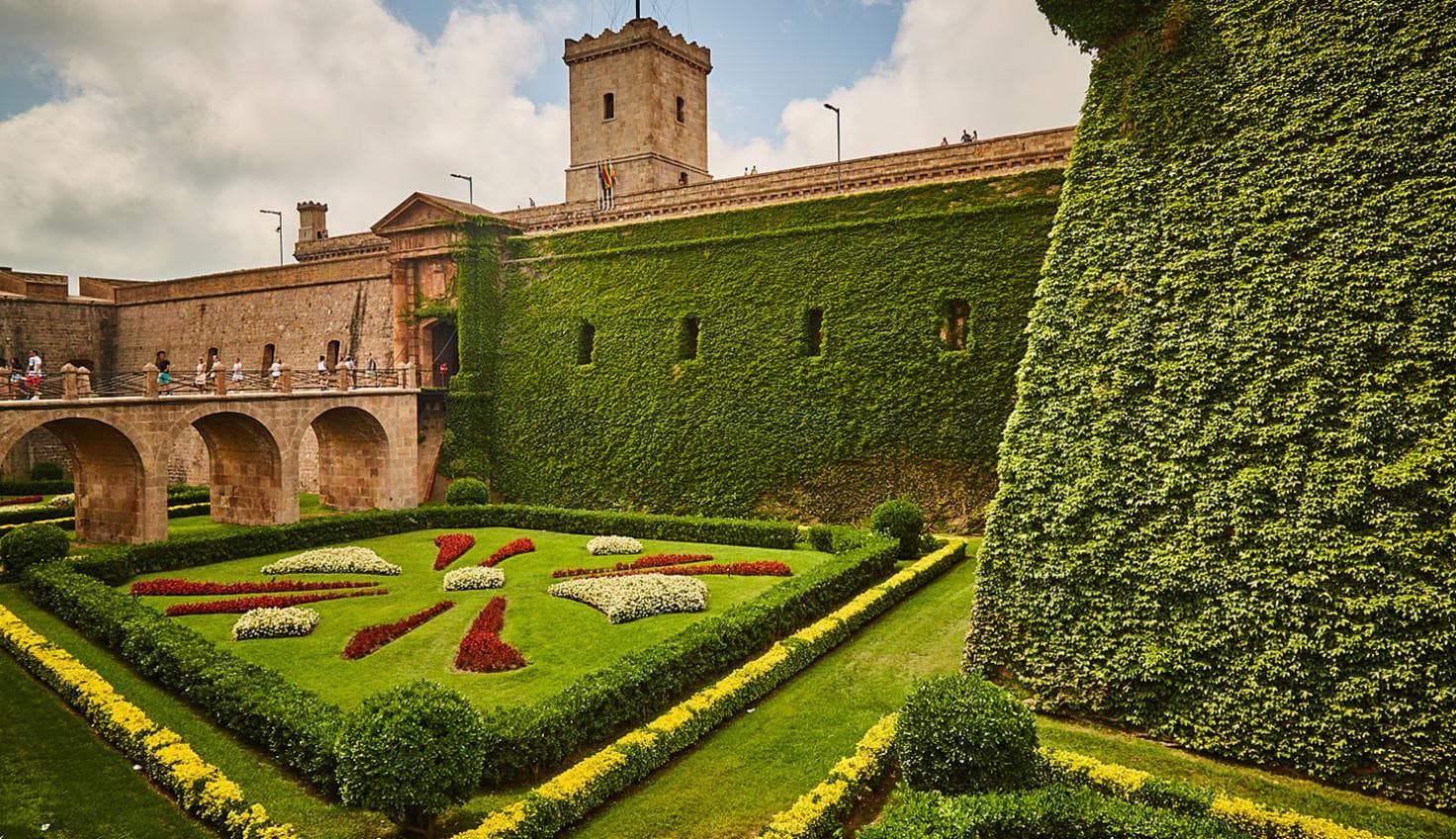
Montjuïc Castle
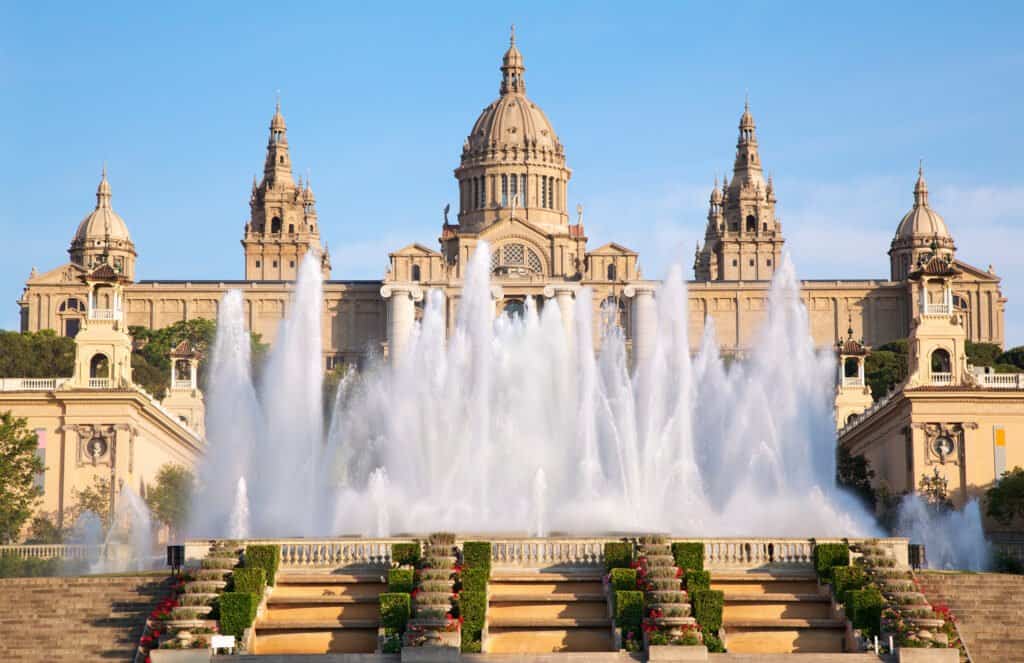
Magic Fountain of Montjuïc
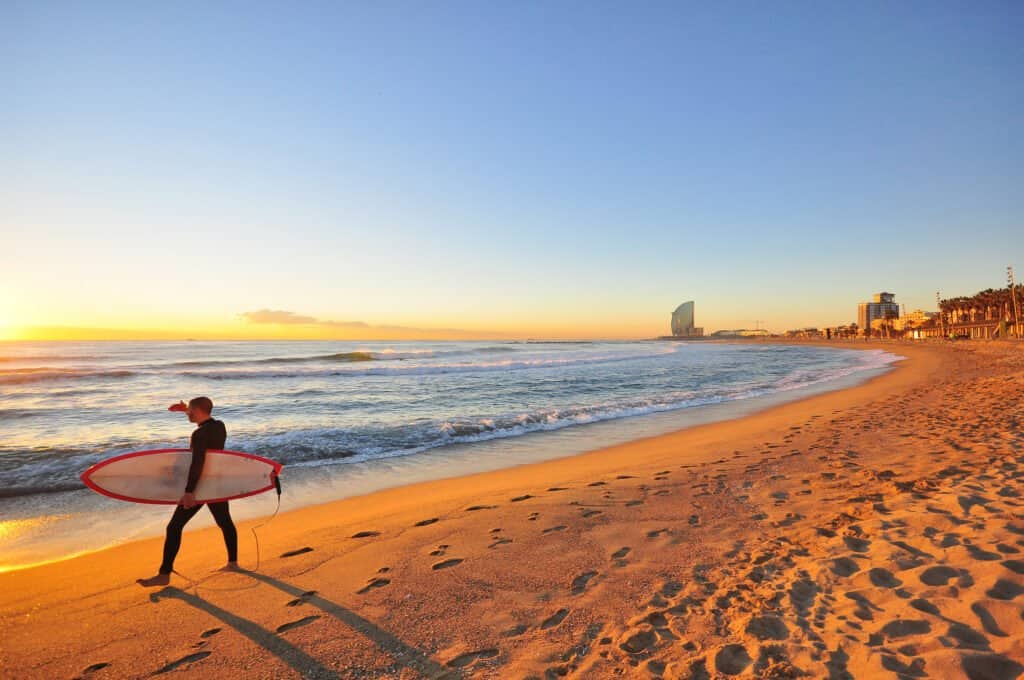
Barceloneta Beach
Places to eat or drink near Casa Calvet



More places in Barcelona

Sagardi BCN Centre

Orient Express Cocktail Bar

Xurreria Trebol
