
Cascada Monumental
Passeig de Picasso, 21 Ciutadella Park, 08003 Barcelona Spain Posted by Brandon B.Admin
Cascada Monumental: Barcelona's Grand Fountain in Parc de la Ciutadella
If you spend any time wandering Parc de la Ciutadella, you will almost certainly end up in front of the Cascada Monumental. It is hard to miss. The fountain dominates the northeastern corner of the park with a tiered cascade of sculpted stone, gilt figures, and rushing water that looks more like a stage set than a public amenity. It is one of Barcelona's most photographed landmarks, and yet plenty of visitors walk past without knowing what they are actually looking at.
The cascade sits just inside the park from Passeig de Picasso, roughly a five-minute walk from the main entrance near the Arc de Triomf. What you see today is the result of a collaboration between students and masters at the Barcelona School of Architecture in the late 19th century, and it carries more art history than most people realize.
Why the Cascada Monumental Matters
The fountain was built as part of a broader transformation of the park, which was redesigned to host the Universal Exhibition of 1888. That event was a turning point for Barcelona, the moment the city announced itself to Europe as a place of ambition and modernity. The Cascada was meant to impress, and it still does.
What makes it genuinely interesting is the connection to Antoni Gaudí. As a young architecture student, Gaudí contributed to the design and construction of the monument, likely working on the central grotto and surrounding rockwork. You can see early hints of his geological obsession here, the way rough stone is stacked to suggest something natural rather than engineered. It is one of the few places in Barcelona where you can observe Gaudí's hand before he became Gaudí.
Quick Facts
- Location: Northeastern corner of Parc de la Ciutadella, off Passeig de Picasso, 08003 Barcelona
- Entry: Free and open to the public during park hours
- Nearest metro: Arc de Triomf (L1) or Barceloneta (L4), both around 10 minutes on foot
- Park opening hours: Generally open from early morning to late evening, though hours shift with the seasons
- Best for: Architecture lovers, history buffs, families, photographers
- Year of Universal Exhibition: 1888
- Gaudí connection: Contributed to the project as a student under Josep Fontserè
Getting There
The most direct approach is from the Arc de Triomf metro station on the L1 (red) line. Walk south along Passeig de Lluís Companys and enter the park at the top. From there the cascade is roughly a 10-minute walk through the park's central path. If you are coming from the Born neighborhood or the waterfront, the Barceloneta L4 station puts you at the southern edge of the park, and you can walk up through the gardens in about the same time.
Several bus lines stop along Passeig de Picasso, which runs directly alongside the park's western wall. If you are cycling, the park has bike-friendly paths and several Bicing docking stations nearby.
The Layout and Experience
The Cascada itself rises in three distinct levels. Water pours from the upper tier, tumbling over carved stone into a central pool below. The structure is flanked by ramps and steps, and the whole composition is framed by classical statues and mythological figures. At the very top sits a quadriga, a chariot pulled by four horses, a motif borrowed from Roman triumphal architecture.
The central grotto is the most tactile part of the structure. The rockwork here is rough-hewn and irregular, clearly the work of someone who was more interested in geology than in classical symmetry. This is the section most often attributed to Gaudí's involvement, and if you come with that context, you will see it differently.
The pool in front of the cascade is shallow and calm on most days, and the reflection of the monument on a still morning is one of the better photographs in the park. Families tend to gather here in the afternoons, and on weekends the area fills up quickly. Come before 10am if you want it relatively to yourself.
History and Background
The land that became Parc de la Ciutadella had a complicated history before it became a park. For nearly 150 years it was occupied by a military citadel built by Philip V after the War of Spanish Succession. The fortress was demolished in 1869 following years of public pressure, and the land was handed to the city. The park was formally laid out by architect Josep Fontserè, who won the design competition and brought on architecture students to help with various elements of the project.
Gaudí was one of those students. His role in the Cascada is documented, though the exact extent of his contribution is still debated by historians. What is not debated is that the project gave him early experience working at a large scale with natural materials, themes that would define his entire career.
The fountain was completed in time for the 1888 Universal Exhibition, which drew visitors from across Europe and helped cement Barcelona's reputation as a forward-thinking city. The exhibition also produced the Arc de Triomf, the Hivernacle greenhouse, and the Umbracle, all of which still stand in or near the park today.
Best Time to Visit
Spring is probably the most rewarding season. The park's trees and flower beds are in full color, and the light in the late afternoon catches the gold of the fountain's upper figures in a way that photographs beautifully. Summer mornings work well too, but by midday the park is busy and the heat makes the stone uncomfortable to sit on.
Winter visits have their own appeal. The park thins out considerably, and you can spend real time looking at the sculptural details without navigating around tour groups. The fountain still runs on most winter days, though you should check if the park has any scheduled maintenance closures during your visit.
Photography Tips
The fountain faces roughly west, which means it gets direct light in the afternoon. Golden hour, around an hour before sunset, is the sweet spot for warm, even light across the whole structure. Mornings offer softer, cooler light and a much quieter scene.
For a full-frame shot of the cascade, stand at the far edge of the pool and shoot with a wide lens. The reflection doubles the composition nicely. If you want to isolate the grotto detail, move in closer and shoot upward from the base. The rough stone texture and the water trickling down the rocks make for a strong close-up.
Avoid the middle of the day on weekends. You will spend most of your time waiting for people to step out of frame.
Combining with Nearby Attractions
The park itself deserves at least two hours if you want to see it properly. The Hivernacle, a Victorian iron-and-glass greenhouse just south of the cascade, is worth a look even from the outside. The Museu d'Història de Catalunya sits a short walk away near the Barceloneta waterfront. If you cross into the Born neighborhood through the park's western gate on Passeig de Picasso, you are immediately in one of Barcelona's best streets for independent cafes and bars, within a few minutes of the Basílica de Santa Maria del Mar.
The Arc de Triomf is a natural bookend to a morning in the park. Walk up to it after visiting the cascade and you have a clean north-south route through the whole Ciutadella area.
Practical Tips
- Entry to the park and the fountain is free. No tickets, no booking required.
- The area around the cascade can get crowded on weekend afternoons. Aim for a weekday morning if you want space.
- There are several cafe kiosks inside the park if you want to sit with a coffee after your visit.
- The park has public toilets near the main entrances.
- Cycling through the immediate fountain area is not recommended during busy hours. Lock your bike at one of the nearby racks and walk in.
- If you are visiting with children, the park has a boating lake and a small zoo nearby, both of which add time to your plan.
- Wear comfortable shoes. The stone steps and ramps around the cascade are uneven in places.
FAQ
Is there an entry fee for the Cascada Monumental?
No. The fountain is inside Parc de la Ciutadella, which is a free public park. You can walk up to the cascade at any time during park opening hours without paying anything.
Did Gaudí really design the Cascada?
Gaudí contributed to it as a student, working under the lead architect Josep Fontserè. He is most often associated with the central grotto section. The overall design credit belongs to Fontserè, but Gaudí's involvement is well documented enough to be considered historically significant.
How long should I budget for the cascade itself?
If you are there purely to see the fountain, 20 to 30 minutes is usually enough to walk around it, look at the details, and take photos. Most people combine it with a broader stroll through the park, which adds another hour or more depending on your pace.
Is the fountain accessible for visitors with mobility needs?
The park paths leading to the cascade are generally flat and paved. The cascade structure itself involves steps and ramps, but you can get a full view of the monument from the pool level without climbing. The park's main entrances on Passeig de Picasso are step-free.
Reviews
Sign in and mark this place visited to leave a review.
No reviews yet.
Free Trip Planner
Plan your Barcelona trip with our free planner
Build a day-by-day itinerary with AI suggestions, hand-picked places, and friends. Free forever — no credit card.
Related reading
Things to see near Cascada Monumental

Colonia Guell Gaudi Crypt
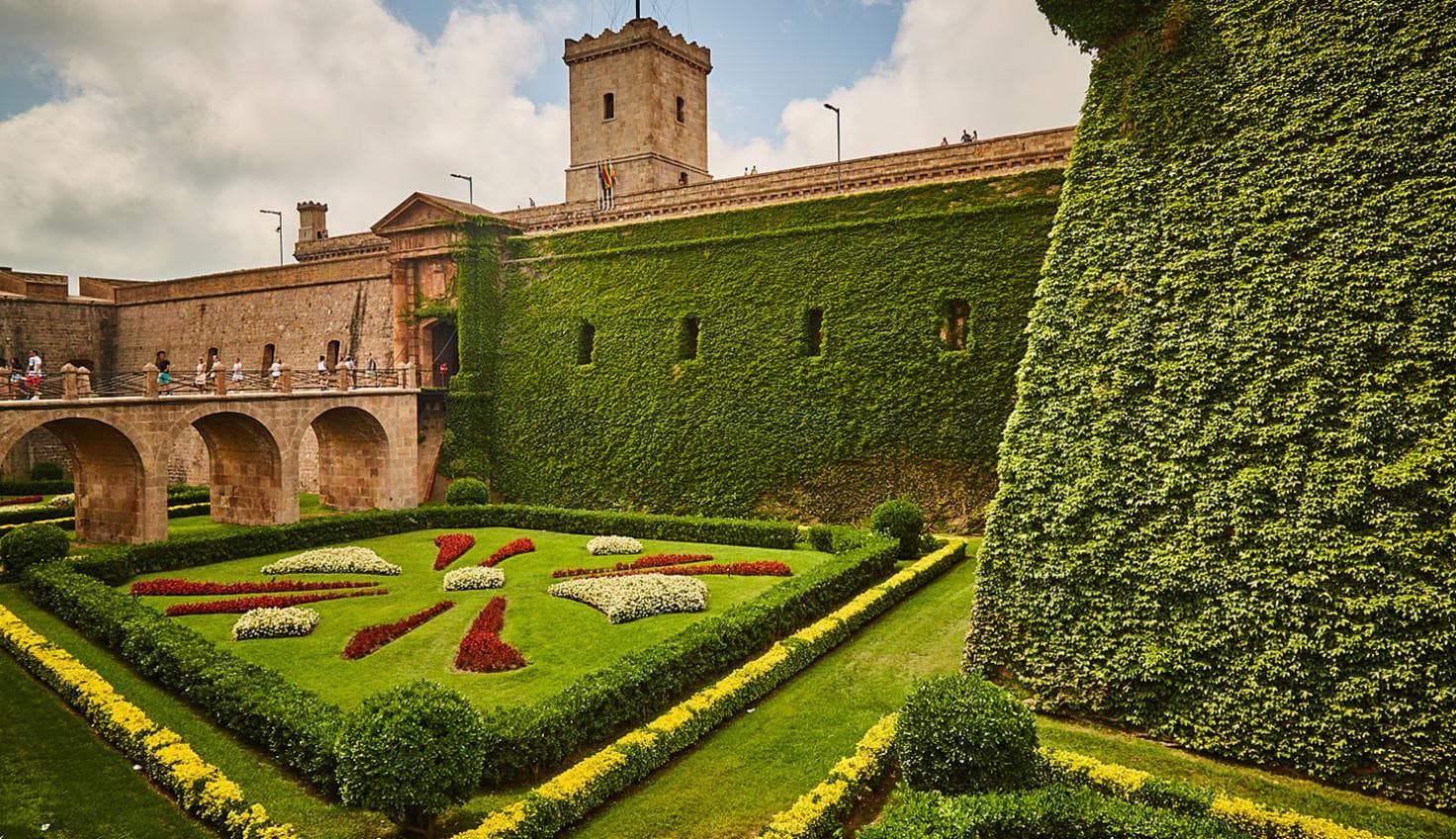
Montjuïc Castle
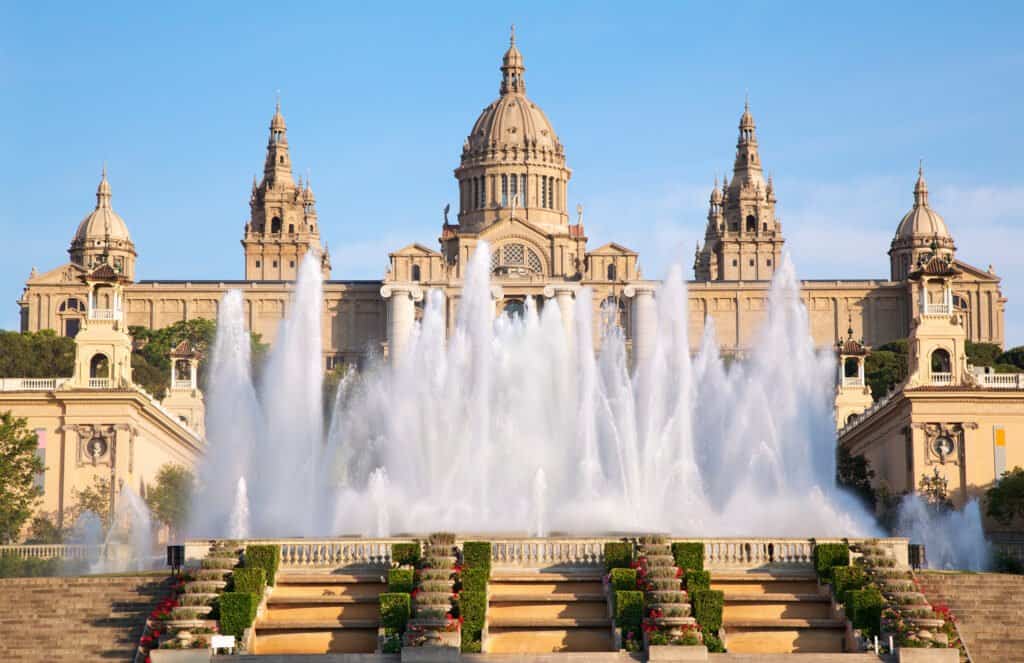
Magic Fountain of Montjuïc
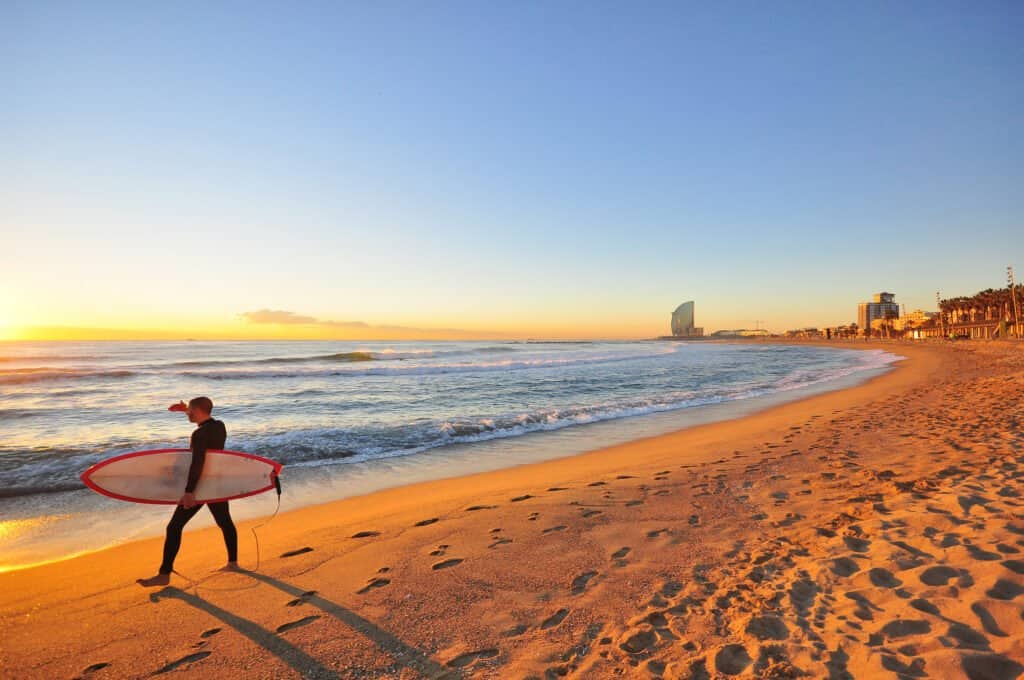
Barceloneta Beach
Places to eat or drink near Cascada Monumental



More places in Barcelona

Sagardi BCN Centre

Orient Express Cocktail Bar

Xurreria Trebol
