Fisherman's Wharf
Fisherman's Wharf, Fisherman's Wharf, San Francisco, CA, USA Posted by MbmendezTraveler
Fisherman's Wharf: San Francisco's Working Waterfront
Fisherman's Wharf sits along San Francisco's northern waterfront, where the city's fishing industry still operates beneath the tourist crowds. This stretch of the bay has been a working harbor since the 1800s, and that gritty heritage remains visible if you look past the gift shops and sea lion colonies. You'll find actual fishing boats, wholesale seafood dealers, and locals buying fish alongside visitors photographing the Golden Gate Bridge from Pier 39. The wharf isn't a single building or attraction but rather several blocks of piers, restaurants, shops, and genuine maritime activity clustered between Pier 33 and Pier 47.
Why This Place Matters
Fisherman's Wharf represents a rare overlap in San Francisco. It's one of the few waterfront neighborhoods where tourism and working industry coexist. Fishing boats still depart at dawn. Fishmongers still sell their catch at the wholesale markets on the eastern piers. Yet every day, thousands of visitors arrive by cable car or on foot, drawn by the sea lions, the Dungeness crab stands, and the views across the bay.
This duality is what makes the wharf worth visiting on your own terms rather than as a checkbox. You can witness the actual working harbor if you arrive early and stick to the eastern side. Or you can embrace the tourist experience, eat crab, watch sea lions, and ride a ferry. Both approaches reveal something true about San Francisco.
Quick Facts
- Free to walk around; individual attractions and restaurants charge separately
- Located at the northern edge of downtown, accessible by multiple cable car lines
- Sea lions have occupied Pier 39 since 1989, when they arrived unexpectedly
- The wharf spans roughly from Pier 33 to Pier 47 along the waterfront
- Fishing boats operate year-round; activity is highest in winter and spring
- Most restaurants and shops open by 10 or 11 a.m. and stay open until 9 or 10 p.m.
Getting There
The cable car is the most direct route. The Powell-Hyde line ends at Fisherman's Wharf near Pier 39. The Powell-Mason line stops a few blocks away at Bay Street. Both run frequently during the day. A single cable car ride costs a standard transit fare, and the journey itself is half the experience if you've never ridden one.
If you prefer walking, the wharf is about 20 minutes on foot from Union Square heading north and downhill toward the water. You can also take a regular Muni bus or rideshare if the weather is poor or you're carrying heavy bags.
Parking is expensive and difficult to find during peak hours. A nearby parking garage will run you mid-range prices for several hours. Most visitors arrive by transit or on foot.
The Layout and Experience
The wharf is not a linear place. You need to wander to understand it.
Pier 39, on the western side, is the most tourist-focused area. It's a shopping and entertainment pier with restaurants, arcades, and the famous sea lion colony. The sea lions occupy K Dock, where you can watch them from a safe distance for free. They're loud, smelly, and worth seeing once. They've become the mascot of the wharf even though they arrived by accident.
Walking east along the waterfront, you'll pass Pier 35, where ferries depart for Alcatraz and the Golden Gate Bridge tours. If you want to visit Alcatraz, you buy tickets here. The pier itself is open for walking and sitting if you're not taking a tour.
Continue further east and the character changes. You'll see working fishing boats, fish markets, and restaurants that cater more to locals than tourists. The Fishermen's and Merchants Exchange building stands here, a historic spot where fishermen still auction their catch. This is the wharf as it functions, not as it's marketed. The wholesale fish markets on the eastern piers sell to restaurants and stores, not to tourists, but you can watch the action and smell the ocean.
The waterfront promenade connects most of these areas, though it's interrupted in places by private or operational sections. You won't be able to walk a straight line from one end to the other, so plan to backtrack slightly.
Main Highlights
The sea lions at Pier 39 are the wharf's most recognizable feature. If you've seen photos of San Francisco's sea lions, they were almost certainly taken here. Hundreds of them pile onto the docks, barking and jostling. The smell is strong. The sound is louder than you'd expect. They're worth 15 minutes of your time, especially if you've never seen wild marine mammals in large numbers.
Alcatraz tours depart from Pier 33. You buy tickets at the dock. The ferry ride takes about 15 minutes each way, and the tour of the former prison typically lasts two to three hours. This is one of San Francisco's most visited attractions, and tickets often sell out, especially during peak season. If Alcatraz interests you, buy tickets in advance online.
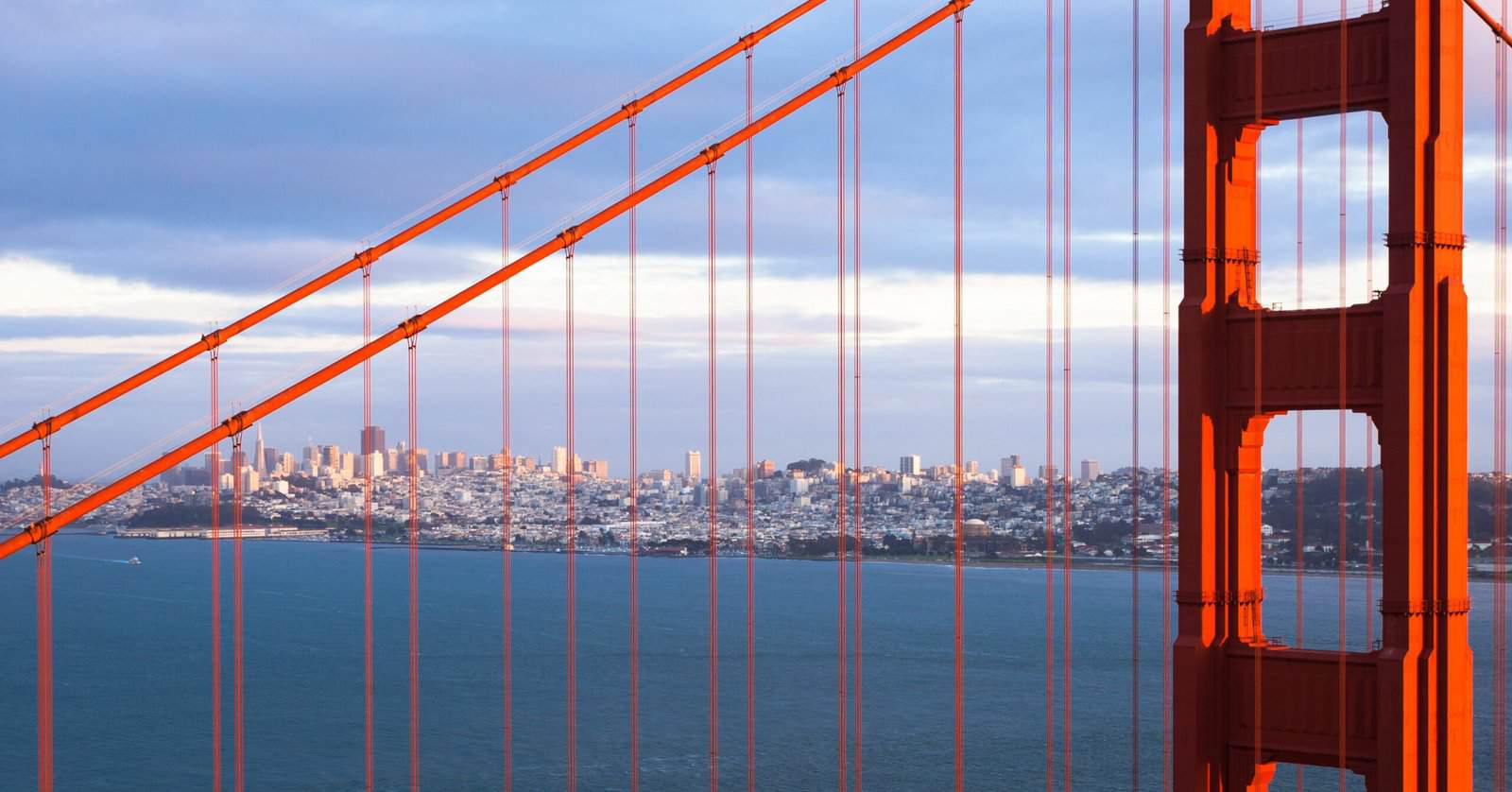
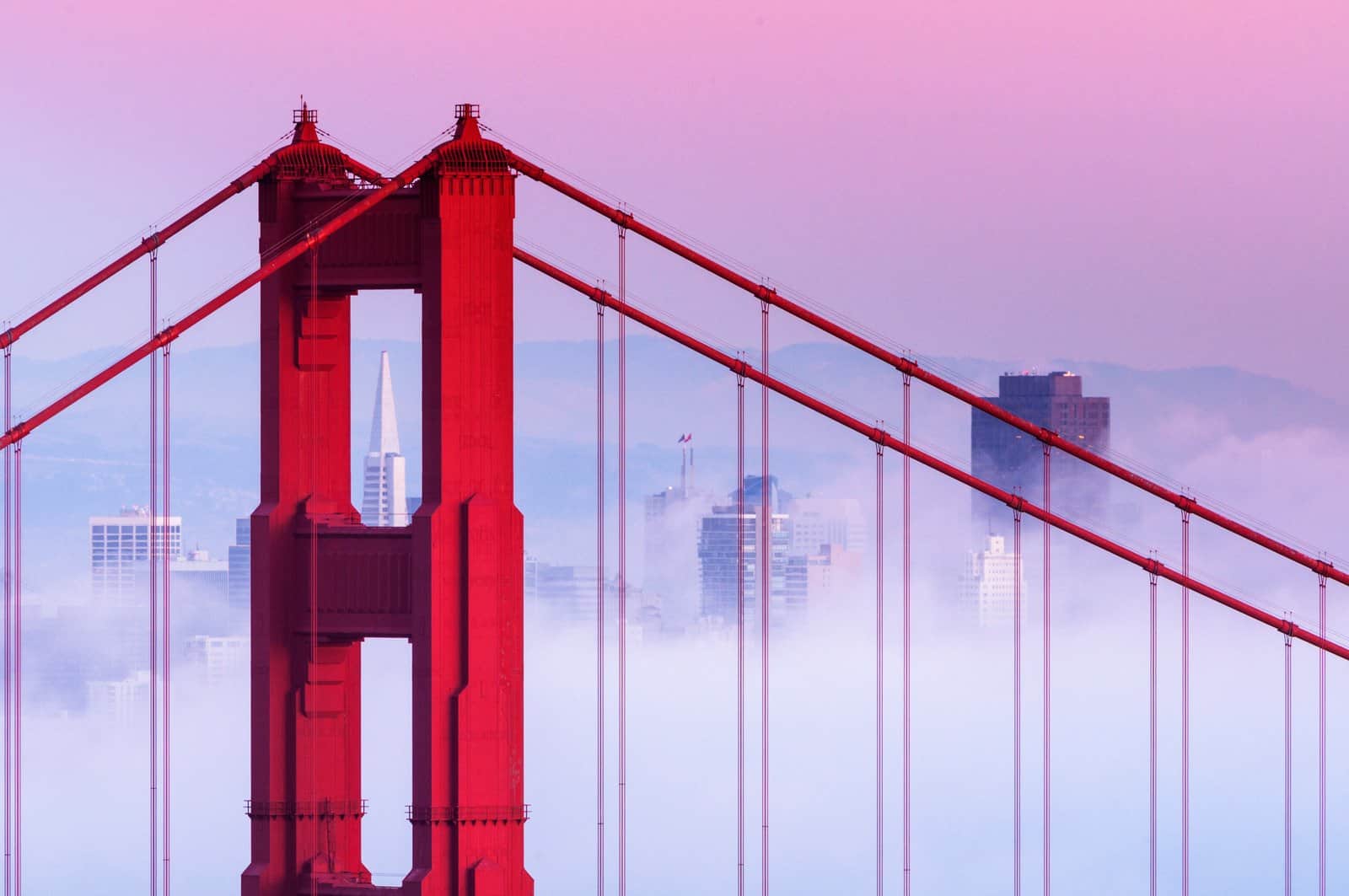
The Golden Gate Bridge is visible from several points along the wharf. You don't get a perfect postcard angle from the piers themselves, but the views are strong, especially from the eastern side near Pier 47. If you want the classic bridge photo, the best vantage point is across the bay at the Marin Headlands or from a bridge tour boat.
Eating fresh crab or seafood is practically mandatory. Multiple stands and restaurants along the wharf serve Dungeness crab, which is in season from November through June. The casual crab stands offer whole crabs, crab sandwiches, or crab cocktails at mid-range prices. If you want to sit down, dozens of seafood restaurants line the piers, ranging from casual to upscale.
The waterfront itself, if you ignore the shops and crowds, offers views across the bay to Marin County, Sausalito, and the Marin Headlands. On clear days, you can see Mount Tamalpais in the distance. These views are free and accessible to anyone walking the promenade.
History and Background
San Francisco's fishing industry began in the 1800s when Italian and Chinese immigrants started harvesting fish from the bay. The wharf grew as a landing point for their boats. By the early 1900s, it was the primary fishing port for the West Coast, and Italian fishermen dominated the trade. The neighborhoods around the wharf, particularly North Beach, became predominantly Italian.
The fishing industry declined significantly in the mid-20th century as overfishing reduced local stocks and as San Francisco's economy shifted toward finance and services. By the 1970s, Fisherman's Wharf had transformed into a tourist destination. Pier 39 opened in 1978 as a shopping and entertainment complex. The sea lions arrived in 1989, drawn by the abundant fish and the dock structure, and they've remained ever since.
Today, the wharf exists in two modes. The eastern piers still function as a working harbor. Fishing boats still operate, though in much smaller numbers than decades ago. Wholesale fish markets still exist. But the western side and the central area have become primarily tourist-oriented. This tension between heritage and commerce is what makes the wharf interesting to explore.
Best Time to Visit
Fisherman's Wharf is busiest from late spring through early fall. If you dislike crowds, visit in winter or early spring. The weather is cooler and often rainy, but the fishing activity is higher, and you'll see more locals and fewer tour groups.
Dungeness crab season runs from November through June, with peak availability in winter. If fresh crab is a priority, visit between December and March.
Weekday mornings, especially before 10 a.m., are the quietest times. If you want to see the working harbor and fish markets in action, arrive early on a weekday.
The sea lions are present year-round, though their numbers fluctuate slightly with the seasons.
Photography Tips
The sea lions at Pier 39 are easy to photograph from the viewing platform. They're close enough for detail shots even with a phone camera. The light is usually good since the platform faces south and west.
For wider waterfront shots, the eastern end of the promenade offers clear views of the Golden Gate Bridge with the bay in the foreground. Early morning or late afternoon light is better than harsh midday sun.
The working fishing boats and fish markets are visually interesting but move quickly. If you want to photograph fishermen or the wholesale market, go early and ask permission before shooting.
Avoid shooting into the sun if the Golden Gate Bridge is your subject. The best light is when the sun is behind you, typically morning or late afternoon depending on your exact position along the wharf.
Facilities and Preparation
Restrooms are available at Pier 39 and near several restaurants and shops. They tend to be crowded during peak hours.
The wharf is mostly flat and paved, making it accessible to strollers, wheelchairs, and people with mobility limitations. Some piers have slight inclines or uneven surfaces, but most of the main promenade is smooth.
There are benches scattered along the waterfront, though they fill up quickly on nice days. If you want to sit and eat, bring your own food or plan to eat at a restaurant.
Bring a jacket. The waterfront is exposed to the bay wind, and it's typically 10 to 15 degrees cooler than the rest of San Francisco. Even on warm days inland, it can feel cold out on the piers.
Seagulls are aggressive. Don't leave food unattended on benches or tables.
Combining With Nearby Attractions
Alcatraz is the obvious pairing. If you take a ferry to the island, you'll spend two to three hours there. Tickets should be booked in advance.
The Golden Gate Bridge is about 20 to 30 minutes away by bus or car. The bridge has a pedestrian walkway, and the views back toward San Francisco are excellent.
North Beach, the historic Italian neighborhood, is a five to ten minute walk inland from the wharf. It has better restaurants, quieter streets, and genuine neighborhood character compared to the tourist-focused waterfront.
Pier 43.5 hosts the Musee Mecanique, a quirky collection of antique mechanical devices and fortune tellers. It's free to enter and takes 10 to 15 minutes to explore.
Sample Visit Plan
A typical visit might follow this loose itinerary. Arrive by cable car around 9 or 10 a.m. on a weekday to avoid the largest crowds. Walk east along the waterfront toward Pier 47, observing the working harbor and fish markets. This takes 20 to 30 minutes and gives you a sense of the authentic wharf before you hit the tourist areas.
Stop for coffee or a light breakfast at one of the casual spots along the eastern piers. Walk back west toward Pier 39, spending 15 to 20 minutes watching the sea lions. Grab fresh crab at one of the stands for lunch.
If you want to visit Alcatraz, go to Pier 33 around midday to catch a ferry. Spend the afternoon on the island and return by late afternoon. If Alcatraz isn't on your list, spend another hour browsing shops or taking photos along the promenade, then head inland to North Beach for a late lunch or early dinner at a proper restaurant.
The entire waterfront can be seen in two to three hours if you skip Alcatraz. With Alcatraz, plan for five to six hours total.
Practical Tips
- Buy Alcatraz tickets online in advance, especially during peak season. Same-day tickets often sell out.
- The cable car has a long line at Fisherman's Wharf. If you want to ride one, board it earlier in the day or at a less popular stop.
- Fresh crab stands offer better value and a more authentic experience than sit-down restaurants, though the restaurants have better views and comfort.
- The wharf is windy. If you're sensitive to wind or cold, bring layers.
- Parking garages are overpriced. Use transit or plan to walk.
- The wholesale fish market is most active in the early morning, especially on weekdays. Visit before 9 a.m. if you want to see peak activity.
- Bring cash for some of the smaller crab stands and vendors. Not all accept cards.
FAQ
Is Fisherman's Wharf worth visiting? Yes, but on your own terms. If you go expecting a quaint fishing village, you'll be disappointed by the crowds and shops. If you approach it as a place where tourism and working industry overlap, and you time your visit strategically, it's interesting. The sea lions and views are genuinely worthwhile.
How long should I spend at Fisherman's Wharf? Two to three hours is enough to see the main highlights without Alcatraz. Add another three hours if you visit the island. More than that, and you're probably just shopping or sitting in restaurants.
Is the wharf accessible without a car? Yes, absolutely. The cable car is the most scenic way to arrive. Once there, everything is walkable.
When can I see the fishing boats? Early morning, especially on weekdays. Boats typically depart before sunrise and return by midday. If you want to photograph or observe working fishermen, arrive before 8 a.m.
Should I buy a Fisherman's Wharf tourist pass or package? No. Most attractions are free to walk around, and Alcatraz tickets are cheaper if you buy them directly or online. There's no benefit to a bundled package.
Reviews
Sign in and mark this place visited to leave a review.
No reviews yet.
Free Trip Planner
Plan your California trip with our free planner
Build a day-by-day itinerary with AI suggestions, hand-picked places, and friends. Free forever — no credit card.