
Pacific Overlook
California Coastal Trl, San Francisco, CA 94129, USA Posted by bazartravelsTraveler
Pacific Overlook in San Francisco
Pacific Overlook sits on the northwestern edge of San Francisco, perched above the Golden Gate Strait where the Pacific Ocean meets the bay. This windswept promontory offers some of the city's most dramatic coastal views, with the Golden Gate Bridge visible to the south and the Marin Headlands rising across the water. The overlook is accessible via a short walk from the Coastal Trail, making it a destination for photographers, hikers, and anyone seeking a moment away from the urban core. The raw, unpolished character of the spot appeals to people who want to experience San Francisco's wilder side.
Why This Place Matters
Pacific Overlook represents the natural backbone of San Francisco's northwestern waterfront. The Golden Gate National Recreation Area manages this stretch of coast, preserving it as open space despite decades of urban development surrounding it. The overlook sits within the Presidio, a former military installation turned public park that spans 1,491 acres. From this vantage point, you can see why early explorers and settlers chose this location: the combination of protected anchorage, dramatic topography, and passage to the open ocean made it strategically and economically valuable.
The site also marks the boundary between two distinct environments. To the north and west, the Pacific Ocean's colder waters and stronger currents dominate. To the east, the sheltered bay provides calmer conditions. This meeting point creates visible differences in water color, wave patterns, and marine life activity that shift with the season and time of day.
Quick Facts
- Located in the Presidio, northwest San Francisco
- Accessible year-round, no admission fee
- Approximately 10 minutes' walk from the Coastal Trail parking area
- Elevation roughly 200 feet above sea level
- No facilities at the overlook itself (restrooms and water are at nearby visitor areas)
- Wind is frequent and often strong, especially in summer
- Best visibility typically occurs mid-morning to early afternoon
Getting There
The easiest approach is to drive to the Battery Spencer or Hawk Hill parking area near the Coastal Trail entrance off Lincoln Boulevard. From downtown San Francisco, the drive takes 20 to 25 minutes depending on traffic. Once parked, follow the Coastal Trail signs heading west and uphill. The walk is straightforward and well-marked, though it does gain elevation steadily over the final stretch.
Public transit is less direct. The 38R bus runs along the Presidio's perimeter, but you would need to walk from the nearest stop. Most visitors find the drive and short walk more practical than bus options.
If you're already exploring the Presidio, Pacific Overlook can be reached as part of a longer loop hike. The terrain is mostly packed dirt and coastal scrub, with some sections of paved path closer to the trailhead.
The Layout and Experience
The overlook itself is informal. There is no visitor center, no benches, no marked viewpoint. You arrive at a natural high point where the land drops steeply toward the cliffs. The Coastal Trail continues past it in both directions, so the experience is fluid: you might pause for five minutes or stay for an hour, depending on your pace and the weather.
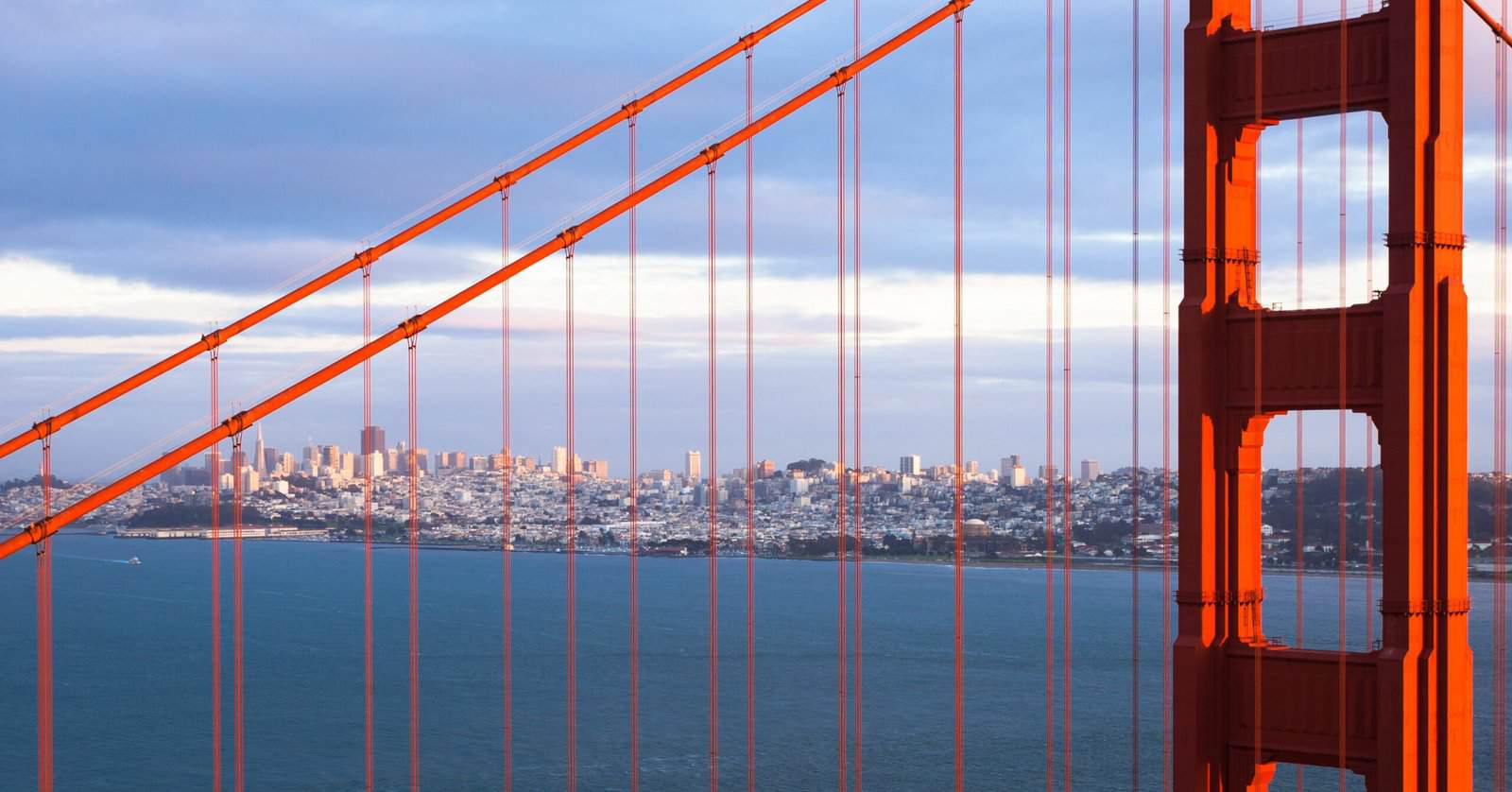
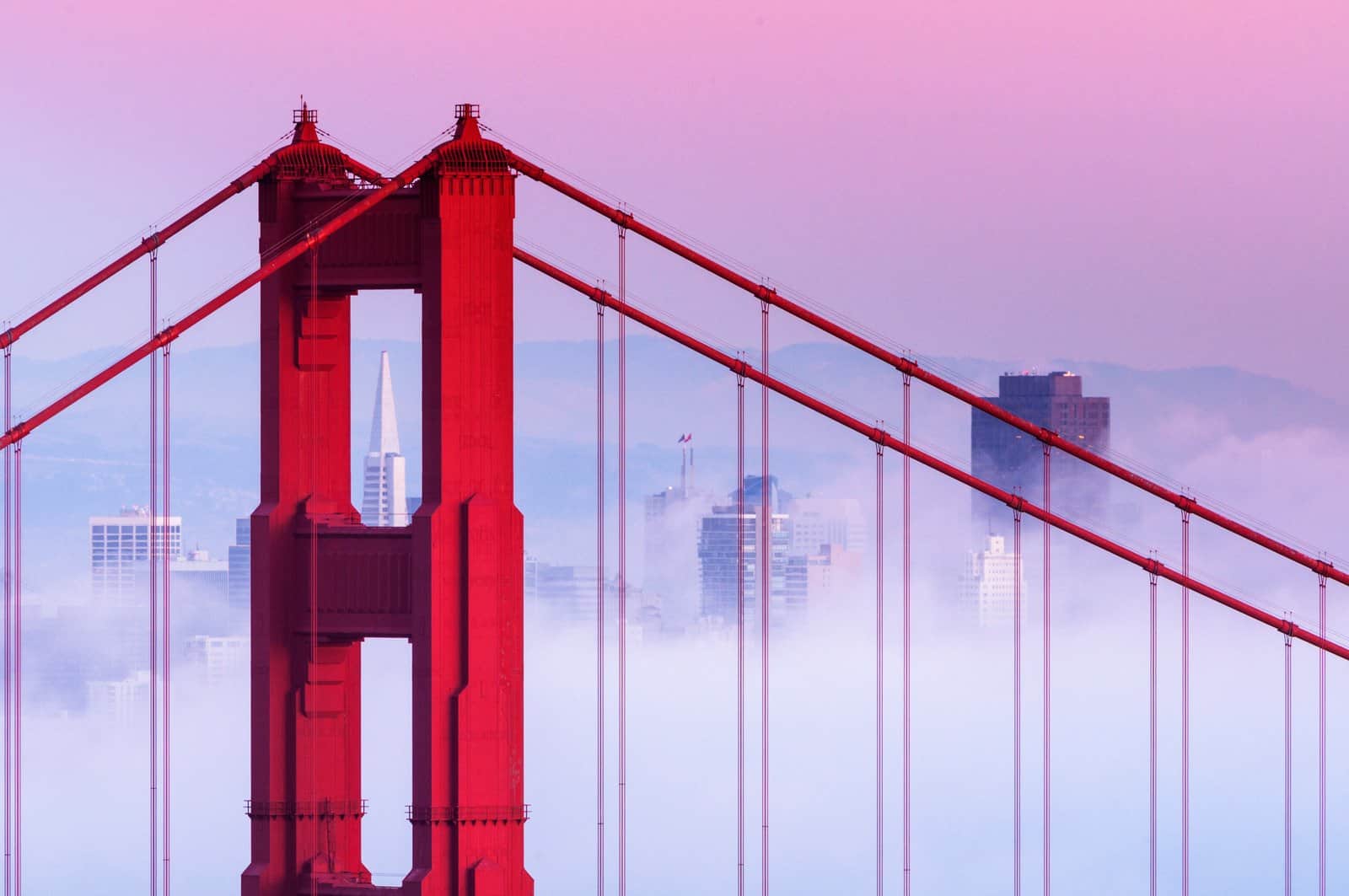
The view opens in multiple directions. South, the Golden Gate Bridge dominates the skyline, its International Orange towers framed against the Marin hills. West, the Pacific stretches toward the horizon with no land in between. North, the Marin Headlands rise in layers of ridges. East, you can trace the curve of the bay toward the city's downtown towers. On clear days, visibility extends 20 miles or more.
Wind is the defining characteristic. The overlook's exposure to ocean swells and weather patterns means you will almost always feel a breeze, often a strong one. This constant motion of air and water, the sound of the waves below, and the absence of nearby buildings create a sense of exposure and scale that feels genuinely wild for an urban location.
The ground is rocky and uneven. Wear sturdy footwear and watch your footing, especially near the cliff edge where drop-offs are sudden and severe. The area has no railings or barriers.
Main Highlights
The view of the Golden Gate Bridge from this angle differs significantly from more famous vantage points. You see the bridge from the north, with the Marin shore behind it rather than the San Francisco cityscape. This perspective appeals to photographers who want something beyond the standard postcard angle. The bridge's engineering is visible up close: the suspension cables, the tower structure, the traffic flow across the deck.
Marine life activity varies seasonally. Gray whale migrations occur in winter and spring as the animals move between Arctic feeding grounds and Mexican breeding lagoons. Seabirds are present year-round, with certain species more common in specific seasons. Harbor seals and sea lions inhabit the rocks and coves below, though visibility from the overlook depends on time of day and swell conditions.
The light changes dramatically throughout the day. Early morning often brings clarity and soft directional light. Midday sun is bright but harsh, washing out details. Late afternoon and early evening can produce golden tones on the hills and deeper colors in the water, though fog frequently moves in during summer afternoons.
History and Background
The Presidio was established as a Spanish military garrison in 1776, occupying this strategic location at the entrance to the bay. The overlook area was part of the original defensive perimeter, used to monitor traffic entering and leaving the harbor. When the United States took control in 1846, the Presidio remained a military installation for more than 150 years.
The Coastal Trail and public access to these overlooks are relatively recent developments. The Presidio transferred to the National Park Service in 1994, ending military control and opening much of the land to public use. The trail system was developed and expanded in the years following, creating the accessible network that exists today.
The cliffs and coastal features visible from Pacific Overlook are formed from Franciscan bedrock, the same complex of rocks and sediments that underlies much of the San Francisco Bay Area. Erosion, uplift, and the region's active fault systems have shaped these dramatic topography over millions of years.
Best Time to Visit
Spring brings the most reliable combination of clear skies and moderate wind. March through May tends to offer visibility without the summer fog that often obscures the view in afternoon hours. The wildflowers bloom on the surrounding hillsides during this period as well.
Summer is popular with tourists but frequently brings afternoon fog that rolls in from the Pacific. If you visit between June and August, arrive early in the day before the marine layer thickens. The wind is typically stronger in summer than other seasons.
Fall can be excellent. September and October often have clearer afternoons than summer, with less fog. The water temperature is warmest in fall, and marine activity sometimes increases.
Winter brings storm systems that can obscure views, but clear days after a storm system passes often deliver exceptional visibility. Winter is also when gray whales are most likely to pass close to shore during their migration. Fewer tourists visit during winter, so the overlook feels quieter.
Photography Tips
Bring a wide-angle lens or plan to step back to capture the full scope of the view. The overlook's elevation and exposure make it a strong location for landscape photography, but standard focal lengths can feel limiting given the expansive scenery.
The Golden Gate Bridge photographs best when side-lit rather than front-lit. Morning light from the east creates dimension and reduces glare off the structure. Late afternoon light from the west can produce warm tones but also increases haze and glare.
Wind can be a practical challenge. If you're using a tripod, weight it down or brace it against the rocks. Loose items like lens caps and filters are easily blown away. Consider bringing a lens cloth to manage salt spray and moisture.
The water below the cliffs offers foreground interest if you can position yourself safely to include it in the frame. The rocks and scrub vegetation also provide texture and scale reference that improves composition.
Facilities and Preparation
Pacific Overlook itself has no facilities. There are no restrooms, water fountains, trash cans, or shelter. Plan accordingly before you arrive. Nearby areas like the Presidio visitor center have restrooms and water, but they require driving or a longer walk.
Bring water, especially in summer or on windy days when dehydration happens quickly. Sunscreen is essential despite the wind and potential for fog. The sun reflects off the water and rocks, intensifying exposure even when skies appear overcast.
Layers are advisable. The wind can be cold, but physical exertion during the walk generates heat. A lightweight jacket that you can remove or tie around your waist works well. Avoid loose clothing or items that can blow away.
The terrain is uneven and the wind is unpredictable. Sturdy, closed-toe hiking boots are better than sneakers. Children should be closely supervised near the cliff edges, which drop steeply with no barriers.
Combining with Nearby Attractions
The Presidio's Coastal Trail extends for miles in both directions, offering options for longer walks or loops. You can continue south toward Battery Spencer and Hawk Hill, or north toward China Beach and the cliffs near the Golden Gate Bridge's north tower. Many visitors combine Pacific Overlook with a longer Presidio hike.
The Presidio Officers' Club is located inland, a historic building now serving as a cultural and educational venue. The Presidio also contains museums, trails, restored buildings, and forest areas. A full day in the Presidio allows you to combine multiple attractions.
The Golden Gate Bridge itself is accessible by foot or vehicle from the Presidio. The bridge's visitor plaza and viewpoints are 15 to 20 minutes' drive or a longer walk from Pacific Overlook.
Sample Visit Plan
A basic Pacific Overlook visit takes 45 minutes to an hour. Park at the Coastal Trail area, walk to the overlook, spend 20 to 30 minutes taking in the view and photographs, and return. This works well if you're combining it with other Presidio activities.
A half-day itinerary might include a longer Coastal Trail loop, walking north and south from the overlook, visiting Battery Spencer or other nearby viewpoints, and exploring some of the Presidio's interior trails. This would occupy 3 to 4 hours depending on your pace and how many stops you make.
A full-day visit could include Pacific Overlook as one part of a comprehensive Presidio exploration, adding the Officers' Club, the forest areas, and multiple coastal viewpoints. This approach requires driving between some locations or committing to a very long walk.
Practical Tips
- Check weather conditions before driving. Fog and wind are normal, but storms can make the overlook unsafe
- Arrive early on weekends if you want to avoid crowds in the parking area
- The overlook is exposed to wind from multiple directions depending on weather systems. Wind direction changes the experience and the best vantage points
- Bring binoculars if you're interested in marine life or bird watching
- The Coastal Trail is popular with joggers and cyclists. Stay aware of others sharing the space
- Cell service can be spotty depending on your provider. Download offline maps if you plan to explore beyond the main trail
- The overlook is accessible year-round, but winter storms occasionally close nearby roads temporarily
FAQ
Is there parking at Pacific Overlook? There is no parking directly at the overlook. Park at the Coastal Trail parking area, which is about a 10-minute walk away. Parking is free.
Can I bring my dog? Dogs are allowed in the Presidio and on the Coastal Trail. Keep them on leash and under control, especially near cliff edges and other trail users.
How long does it take to get there from downtown San Francisco? Driving typically takes 20 to 25 minutes from downtown, plus time to park and walk to the overlook. Public transit would take longer and require transfers.
What is the best time of day to visit? Morning hours generally offer the clearest views. Afternoon fog is common in summer. Late afternoon can be good in fall and winter. Avoid midday glare if you're photographing the Golden Gate Bridge.
Is the walk to the overlook difficult? The walk is moderate. It's uphill and gains elevation steadily, but the distance is short and the path is clear. Most people complete it in 10 to 15 minutes without difficulty.
Reviews
Sign in and mark this place visited to leave a review.
No reviews yet.
Free Trip Planner
Plan your San Francisco trip with our free planner
Build a day-by-day itinerary with AI suggestions, hand-picked places, and friends. Free forever — no credit card.
Related reading
Things to see near Pacific Overlook


Places to eat or drink near Pacific Overlook


More places in San Francisco

Harborview Restaurant & Bar

Golden Gate Bridge Vista Point

Altamirano Restaurant & Bar
