
Palace of Fine Arts
3301 Lyon St, San Francisco, CA 94123, USAOverview
The Palace of Fine Arts stands at 3301 Lyon Street in San Francisco's Marina District, a monumental structure that has captivated visitors since its creation for the 1915 Panama-Pacific International Exposition. The building is one of the most photographed landmarks in the city, with its massive dome, colonnades, and reflecting lagoon creating an unmistakable silhouette against the San Francisco Bay. What makes it unusual is that it was never meant to be permanent. The Palace was designed as a temporary exhibition hall, yet its beauty proved so compelling that the city decided to preserve it, making it a rare survivor from that era of grand expositions.
Today the Palace of Fine Arts serves as both a cultural venue and an open-air monument to early 20th-century Beaux-Arts architecture. The building itself is not a traditional museum with galleries and artifacts. Instead, it functions as a striking backdrop for events, exhibitions, and the kind of contemplative wandering that San Francisco is known for. The surrounding grounds offer one of the most accessible waterfront experiences in the city, with views of the Golden Gate Bridge and the bay from multiple vantage points.
Why this place matters
The Palace represents a pivotal moment in San Francisco's history. In 1915, the city was recovering from the devastating 1906 earthquake and fire. The Panama-Pacific International Exposition was meant to showcase the city's resilience and recovery to the world. Architect Bernard Maybeck designed the Palace as the exposition's centerpiece, drawing inspiration from classical European architecture and the Baroque tradition. The building's ornamental design was intentionally theatrical and escapist, offering visitors a temporary retreat into an idealized world of beauty and grandeur.
The decision to preserve the Palace after the exposition closed in 1916 reflected how deeply it had resonated with San Francisco residents. Rather than demolish it as originally planned, the city invested in restoration and reconstruction, particularly in the 1960s and again in the 1990s and 2000s. This preservation effort demonstrates how a structure designed to be temporary can become a permanent symbol of a place's character and ambition.
Quick facts
- Built in 1915 as part of the Panama-Pacific International Exposition
- Designed by architect Bernard Maybeck
- Main dome stands approximately 150 feet tall
- Located in the Marina District, near the waterfront
- Open to the public year-round at no cost
- The surrounding grounds span roughly 5.5 acres
- Hosts rotating exhibitions and cultural events throughout the year
Getting there
The Palace is located in the Marina District, easily accessible by public transit or car. If you're using Muni, the 30-Stockton bus stops nearby on Marina Boulevard, and the 22-Fillmore also serves the neighborhood. The walk from the Marina District's central commercial area takes about 10 to 15 minutes depending on where you start. Parking is available in the surrounding neighborhood, though it tends to fill during peak visiting hours, especially on weekends and during good weather.
If you're biking, the Palace sits along the Bay Trail, a continuous path that runs along much of San Francisco's waterfront. Many visitors arrive on two wheels, using the bike paths that lead directly to the Palace grounds. The Exploratorium, which is housed in a separate building on the Palace grounds, has a dedicated parking lot that's free for visitors of the museum.
The layout and experience
The Palace itself is an open structure, not a building you enter in the traditional sense. The main dome sits at the center, surrounded by a colonnade of Corinthian columns that extends outward in a semicircle. The front of the building faces a large reflecting lagoon, which doubles as both an aesthetic feature and a practical water management system. The lagoon creates a mirror effect on calm days, multiplying the visual impact of the dome and columns.
You can walk directly under the colonnade, through the open archways, and around the entire structure. The walkways are paved and relatively level, making it accessible for visitors of varying mobility. The grounds around the Palace are landscaped with gardens and pathways that invite slow exploration. Many people find themselves spending an hour or more here, moving from vantage point to vantage point to capture different perspectives and light conditions.
The Exploratorium, a hands-on science museum, occupies the Palace's interior palace structure. If you're interested in exhibits and interactive displays, this requires separate admission and is a distinct experience from simply exploring the architectural exterior and grounds.
Main highlights
The dome itself is the undeniable focal point. It's rendered in a greenish patina copper color now, the result of decades of exposure to the Bay Area's weather. The dome's surface is decorated with ornamental details that are visible from a distance but become more intricate the closer you approach. The scale of it becomes apparent only when you're standing beneath the colonnade, surrounded by columns that rise 60 feet high.
The reflecting lagoon in front of the Palace is another essential element. On still mornings, the water creates a perfect mirror of the dome and columns. This is particularly striking during sunrise or sunset when the light takes on warm tones. The lagoon also attracts waterfowl, including ducks and geese, which add a living element to the scene.
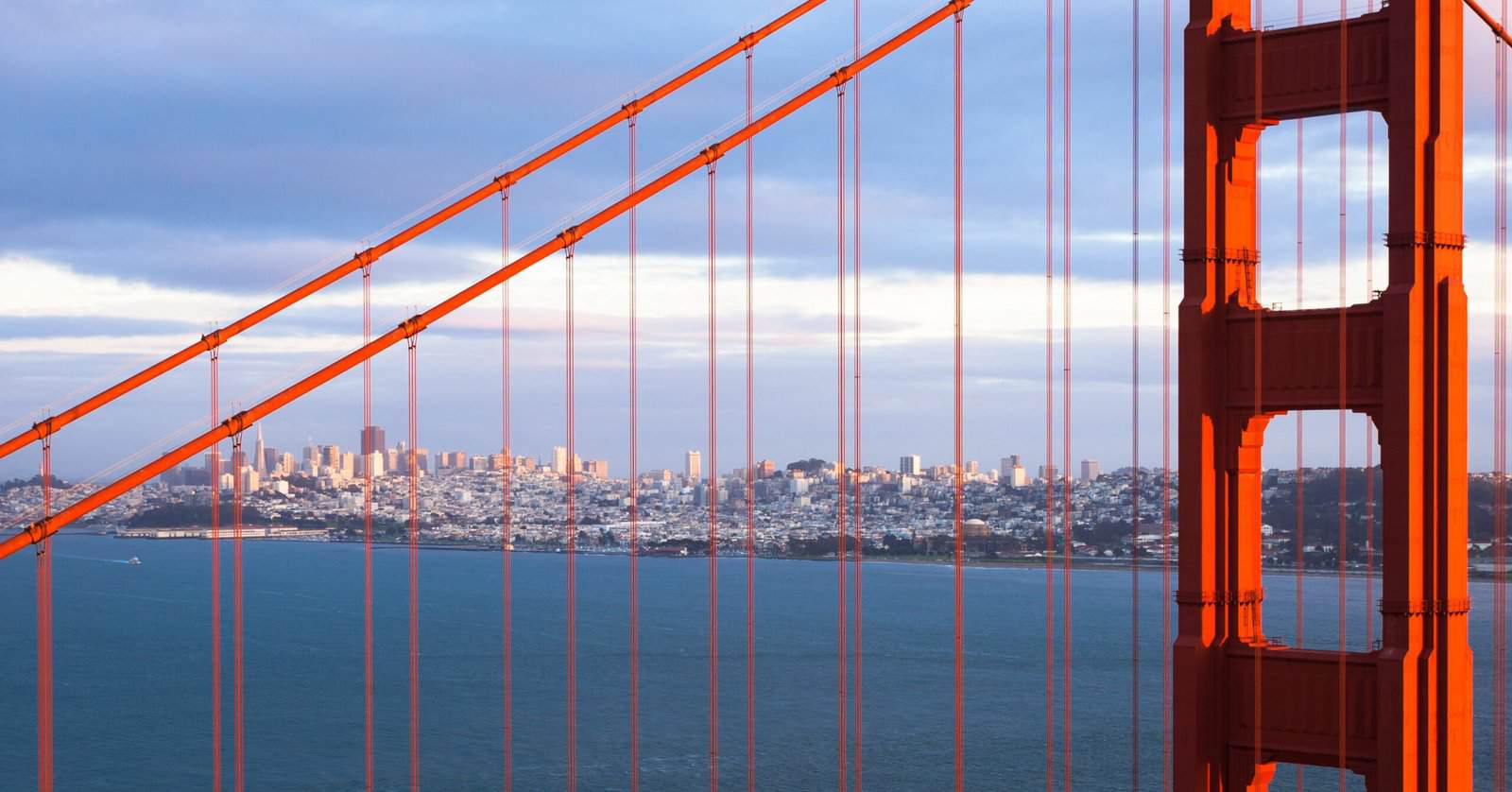
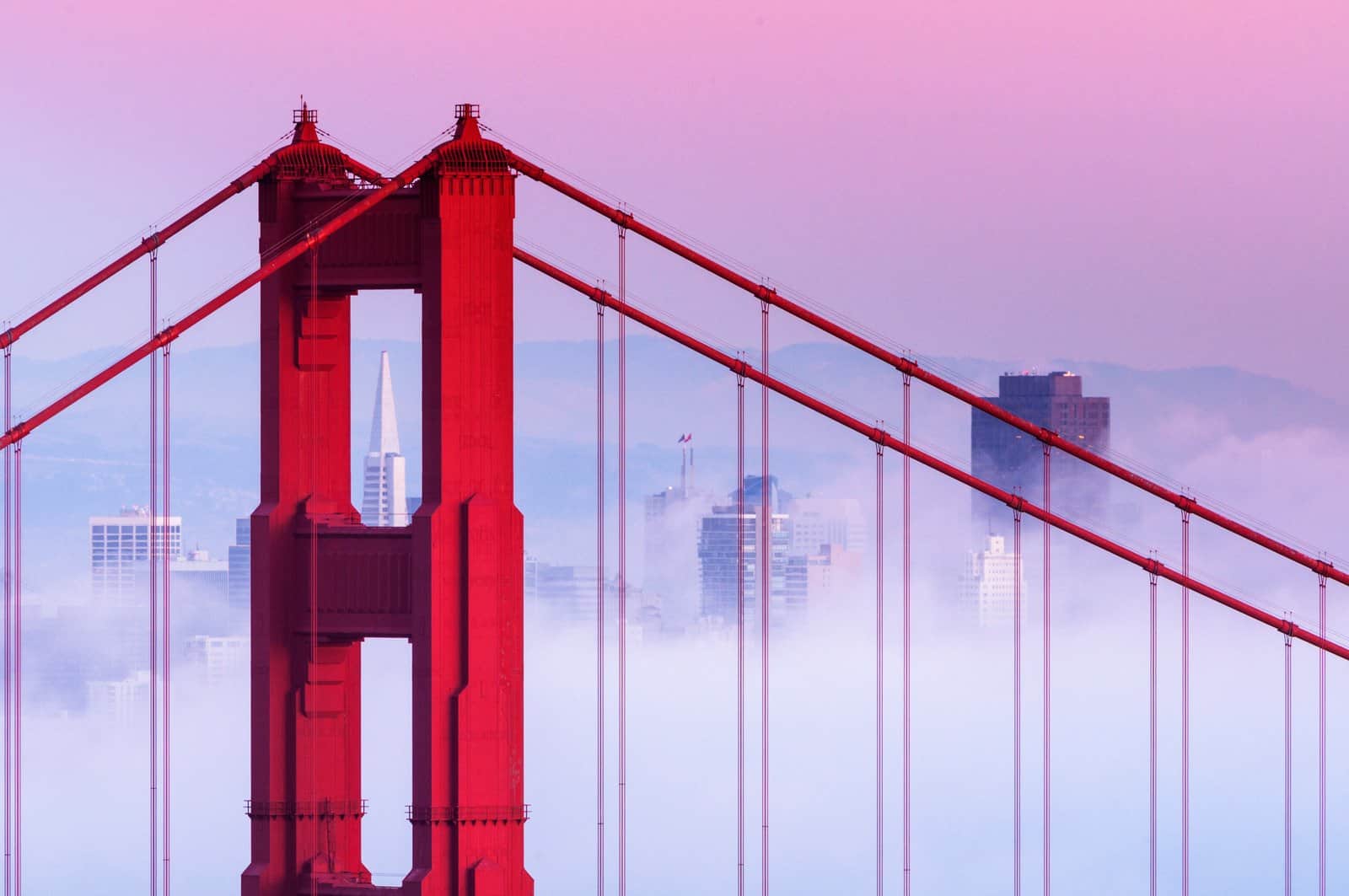
The views from the Palace grounds extend beyond the building itself. You can see the Golden Gate Bridge from several spots on the grounds, particularly from the eastern side. The bay stretches out with views of the Marin Headlands across the water. On clear days, the light reflecting off the water and the distant hills creates the kind of panoramic vista that makes San Francisco distinctive.
History and background
The 1915 Panama-Pacific International Exposition was held to celebrate the completion of the Panama Canal and to demonstrate San Francisco's recovery from the 1906 earthquake. The exposition covered 635 acres of land that had been hastily filled in from the bay, creating new ground for the event. The Palace of Fine Arts was the exposition's Palace of Liberal Arts, designed to house exhibits celebrating human knowledge and achievement across the liberal arts and sciences.
Bernard Maybeck, the architect, drew inspiration from the Palais de la Légion d'Honneur in Paris and classical Roman baths. He created a design that was deliberately escapist and ornamental, almost dreamlike in its proportions and detailing. The Palace was constructed primarily from staff, a temporary material made of plaster, cement, and jute. This material was never intended to last decades, let alone a century.
After the exposition closed in December 1915, the buildings were largely demolished. The Palace, however, was so beloved by San Francisco residents that pressure mounted to preserve it. The city began restoration efforts in the 1920s, replacing the deteriorating staff with more permanent materials. Major reconstructions took place in the 1960s, 1990s, and 2000s, with the most recent work focusing on structural reinforcement and aesthetic restoration.
Tickets and entry
The grounds of the Palace of Fine Arts are free to access at any time. There are no gates, no admission booths, and no ticketing system for simply walking around the exterior, the colonnade, and the surrounding grounds. This open access is one of the reasons it's so popular with locals and visitors alike. You can arrive at dawn, midday, or dusk without any cost or reservation.
The Exploratorium, which is located within the Palace structure, is a separate ticketed attraction with its own admission fee. General admission tickets are required to enter the museum's exhibits and interactive displays. There are various ticket tiers including discounted rates for students, seniors, and youth, as well as membership options. The Exploratorium's hours are generally from 10 AM to 5 PM on most days, though hours may vary seasonally.
Best time to visit
The Palace looks different depending on the time of day and season. Early mornings tend to be quieter, with fewer tourists and better light for photography. The sun rises over the bay and hits the Palace from the east, creating warm tones on the dome and columns. Mornings are also when the reflecting lagoon is most likely to be still and mirror-like.
Late afternoon and early evening bring another kind of beauty. The sun moves westward, casting the Palace in golden light and creating long shadows from the colonnade. Sunset is popular with photographers and visitors seeking that particular quality of light. Spring and fall offer mild weather and clear skies more consistently than summer, which can bring fog to the Marina District.
Weekdays are generally less crowded than weekends. If you prefer a quieter experience, visiting on a weekday morning or late afternoon works well. Summer weekends draw significant crowds, particularly during midday hours. Winter months are cooler but often clearer, with less marine layer blocking views of the bridge and bay.
Photography tips
The Palace is one of the most photographed buildings in San Francisco, and for good reason. The composition is forgiving because of the symmetry and scale. The reflecting lagoon offers one of the most classic vantage points, with the dome centered and reflected in the water. Position yourself low to maximize the reflection and include the colonnade extending outward.
Experiment with different angles by walking around the structure. The view from the east side of the lagoon is the most famous, but approaching from the sides or behind reveals different perspectives of the dome and columns. The colonnade creates strong leading lines when photographed from certain angles, drawing the eye toward the dome.
Golden hour, the period shortly after sunrise or before sunset, provides the most flattering light. The dome's copper surface glows, and the sky takes on richer colors. Cloudy days can be surprisingly effective for photography because they provide even, diffused light and dramatic skies. Avoid harsh midday sun if you're aiming for subtle, professional-looking images.
Facilities and preparation
The grounds are largely open-air, so bring sunscreen and a hat if you plan to spend time here. The area is exposed to wind coming off the bay, so a light jacket is often helpful even on warm days. The paved walkways are smooth and flat, suitable for walking shoes, but there are no stairs or significant elevation changes.
There are limited facilities directly on the Palace grounds. Restrooms are available at the Exploratorium if you're visiting during its operating hours. The nearby Marina District has restaurants, cafes, and shops along Chestnut Street and Marina Boulevard, a short walk away. If you plan to picnic on the grounds, bring your own food and water, as there are no vendors on the Palace property itself.
The area is safe and well-maintained during daylight hours. The grounds are open to the public throughout the day and evening, though they're less crowded and less staffed after sunset. Bring a camera or phone if you plan to photograph, and consider visiting during less crowded times if you prefer a more contemplative experience.
Combining with nearby attractions
The Palace of Fine Arts sits at the edge of several neighborhoods and attractions worth combining with a visit. The Exploratorium, as mentioned, is housed within the Palace structure itself and offers two to three hours of interactive exhibits depending on your pace and interests.
The Marina District surrounding the Palace has shops and restaurants along Chestnut Street and Union Street. The area is known for being one of San Francisco's more upscale residential neighborhoods, with a neighborhood feel despite its proximity to major attractions. You could easily spend an afternoon walking the neighborhood, browsing local shops, and eating at restaurants or cafes.
From the Palace, you can walk or bike toward the Golden Gate Bridge, which is roughly 2 miles away. The Bay Trail connects the two, offering a scenic waterfront walk or ride. If you have transportation, the Presidio is directly adjacent to the Palace's eastern side, offering hiking trails, historic structures, and additional views of the bay and bridge.
Sample visit plan
A basic visit to the Palace of Fine Arts typically takes 45 minutes to an hour. Arrive early morning or late afternoon for the best light and fewest crowds. Start at the eastern edge of the reflecting lagoon facing the dome, taking time to absorb the view and photograph from this classic vantage point. Walk around the lagoon's perimeter, approaching the colonnade from different angles. Spend 15 to 20 minutes walking under the columns and exploring the open archways.
If you're interested in the Exploratorium, plan an additional two to three hours. The museum offers hands-on exhibits related to science, art, and human perception. If you're combining the Palace with neighborhood exploration, add another hour to walk Chestnut Street or Marina Boulevard, browsing shops and stopping for coffee or lunch.
For a half-day excursion, combine the Palace with a walk toward the Golden Gate Bridge or into the Presidio. This creates a longer waterfront walk with multiple distinct viewpoints and experiences. You could start at the Palace, walk along the Bay Trail toward the bridge, and return for a late-afternoon visit when the light is warmer.
Practical tips
- Arrive early or visit on a weekday to avoid crowds
- Bring water and sunscreen, as the grounds offer little shade
- Wear layers because of wind coming off the bay
- The reflecting lagoon is best viewed on calm, clear days
- Parking is free in the nearby neighborhood but can be difficult on weekends
- The Exploratorium requires separate admission and has separate hours
- The grounds are accessible year-round and free to explore
- Bring a camera or phone, as the Palace is highly photogenic from multiple angles
FAQ
Can I go inside the Palace of Fine Arts building itself? The Palace's interior is occupied by the Exploratorium, a science museum that requires paid admission. The exterior colonnade and grounds are always open and free to explore.
Is there parking at the Palace of Fine Arts? There is no dedicated parking lot directly at the Palace, but street parking is available in the surrounding Marina District neighborhood. The Exploratorium has a parking lot for its visitors. Street parking fills quickly on weekends and pleasant weather days.
What are the best times to photograph the Palace? Early morning and late afternoon offer the best light. The reflecting lagoon is most effective on calm, clear days. Golden hour, shortly after sunrise or before sunset, provides warm, flattering light on the dome.
How long does a typical visit take? Most people spend 45 minutes to an hour exploring the exterior and grounds. If you visit the Exploratorium, add two to three hours. Combining with nearby neighborhood exploration can extend the visit to a half-day outing.
Is the Palace accessible for people with mobility limitations? The grounds are flat and paved with smooth walkways. The exterior colonnade and lagoon area are fully accessible. The Exploratorium's interior accessibility depends on the specific exhibits, and you can contact them for detailed information.
Reviews
Sign in and mark this place visited to leave a review.
No reviews yet.
Free Trip Planner
Plan your San Francisco trip with our free planner
Build a day-by-day itinerary with AI suggestions, hand-picked places, and friends. Free forever — no credit card.
Related reading
Things to see near Palace of Fine Arts


Places to eat or drink near Palace of Fine Arts


More places in San Francisco

Harborview Restaurant & Bar

Golden Gate Bridge Vista Point

Altamirano Restaurant & Bar
