Fort Worth Nature Center & Refuge
9601 Fossil Ridge Rd, Fort Worth, TX 76135-9148 Posted by Brandon B.Admin
Fort Worth Nature Center and Refuge: A Wild Escape on the City's Edge
Most people don't expect to find bison grazing within twenty minutes of downtown Fort Worth. The Fort Worth Nature Center and Refuge makes that possible. Spread across more than 3,600 acres along the western shore of Lake Worth, this is one of the largest city-owned nature preserves in the United States, and it earns that distinction not just in size but in what you actually encounter out there: tallgrass prairie, bottomland hardwoods, marshland, and a resident bison herd that has lived on the property for decades.
It's the kind of place that reminds you Texas still has wild in it.
Why the Fort Worth Nature Center and Refuge Stands Out
Urban nature centers often feel like glorified parks with a trail map. This one operates differently. The refuge manages actual habitat, which means the landscape shifts depending on where you walk and what time of year you visit. You might move from an open meadow into a dense creek bottom within a quarter mile. The bison herd, one of the most visible draws, roams a dedicated pasture section of the property and can typically be spotted from the bison trail loop.
There's also real ecological variety here. The preserve sits at the intersection of several Texas ecosystems, which is part of why the bird list runs long. During spring and fall migration, birders show up early and stay late. On a quiet Tuesday morning, you might share the trail with almost no one.
Quick Facts
- Located at 9601 Fossil Ridge Road, Fort Worth, TX 76135
- Over 3,600 acres of protected land along Lake Worth
- More than 20 miles of hiking trails across varied terrain
- Home to a resident bison herd
- Operated by the City of Fort Worth
- Includes a visitor center with educational exhibits
- Admission is charged; children under a certain age typically enter free
- No pets allowed on trails
Getting There
The refuge sits about 10 miles northwest of downtown Fort Worth. From the city center, take TX-199 (Jacksboro Highway) west and follow the signs toward the nature center. The entrance on Fossil Ridge Road is easy to miss if you're moving fast, so slow down once you're on TX-199 past the Lake Worth bridge. There's no meaningful public transit connection, so a car is essentially required.
Parking is available at the visitor center and at a few trailhead pullouts within the property. On weekend mornings, the main lot fills up faster than you'd expect.
The Layout and Experience
The property is large enough that first-time visitors benefit from stopping at the visitor center before heading out. Staff there can tell you where the bison were last spotted, which trails are muddy after rain, and whether any sections are temporarily closed for habitat management. That five-minute conversation can save a lot of backtracking.
Trails range from short, flat boardwalk loops through the marsh to longer routes that dip into creek bottoms and climb through cedar and oak. The terrain is genuinely varied. Some sections stay shaded and cool even in summer; others cross open prairie where the sun hits hard by mid-morning. Wear layers in winter and bring more water than you think you'll need in summer.
The bison pasture area has a designated viewing trail. You won't be able to walk up to the animals, which is exactly as it should be. Binoculars help. If the herd is near the fence line, even a phone camera gets decent results.
Main Highlights
The Bison Herd
This is what most first-timers come to see, and it delivers. The Fort Worth Nature Center has maintained bison on the property for many years as part of broader conservation efforts. Seeing a full-grown bison at relatively close range, especially against open Texas grassland, is genuinely striking. The best time to spot them near the trail is early morning or late afternoon.
Marsh Boardwalk
The boardwalk section near the visitor center gives you a ground-level view of the wetland habitat. In spring, the marsh is loud with frogs and red-winged blackbirds. It's an easy walk and accessible to most visitors, which makes it a good starting point before heading deeper into the preserve.
Birding
The combination of habitats makes the refuge an unusually productive birding site for an urban area. Warblers move through in spring. Waterfowl use the lake edge and marshes in winter. Resident species include various woodpeckers, raptors, and songbirds that stay year-round. Bring binoculars regardless of whether you consider yourself a birder.
Fossil Creek and Bottomland Trails
The creek bottom sections of the trail system feel remote in a way that surprises people. Cottonwoods and sycamores line the creek, and the understory gets dense. These trails tend to hold moisture longer after rain, so check conditions before committing to them.
Best Time to Visit
Spring and fall are the most rewarding seasons. Temperatures are manageable, wildflowers appear across the prairie sections in spring, and bird activity peaks during migration windows. October tends to bring good light and comfortable walking weather.
Summer visits are entirely doable but demand early starts. By 10am on a July day, the open sections of the trail are genuinely hot. The shaded creek bottoms stay cooler, but humidity is its own challenge. Winter is underrated here. The bare trees open up sightlines for birding, bison are often more active in cooler weather, and you'll likely have significant stretches of trail to yourself.
Photography Tips
Golden hour works well across the open prairie sections, where the light catches the grass and any bison in the field. If you're specifically after bison shots, the bison trail loop in early morning gives you the best combination of soft light and animal activity. A longer lens is useful since you're keeping a respectful distance.
The marsh boardwalk is best on overcast mornings when glare off the water is minimal. For trail and forest shots, the bottomland sections near the creek offer the most visual texture, especially in fall when the cottonwoods turn yellow.
Practical Tips
- Check the refuge website or call ahead for current hours, which vary by season
- No pets on trails, which is enforced
- Bring water regardless of season; there are limited water sources on the trail
- Wear closed-toe shoes with grip; some trail sections get slippery after rain
- Tick checks are important, especially after walking through tall grass or brushy areas
- The visitor center has restrooms; facilities on the trail itself are limited
- Cash and card are both typically accepted at entry
- Cell coverage can be spotty in the deeper parts of the property, so download a trail map before you go
Combining with Nearby Attractions
Lake Worth sits directly adjacent to the refuge, and the surrounding area has its own character worth exploring. The historic Lake Worth area along Jacksboro Highway has been experiencing a slow revival, with a handful of local spots worth a stop on the way back into town. If you're making a day of the northwest Fort Worth area, the Fort Worth Botanic Garden is about 15 minutes southeast and offers a completely different kind of nature experience. The two together make for a full day without any overlap in what you're seeing.
FAQ
Can you see bison on every visit?
Most visits, yes, though the herd moves around the pasture and isn't always near the viewing trail. Early morning tends to offer the best sightings. Staff at the visitor center usually know the herd's general location on any given day.
Is the Fort Worth Nature Center and Refuge suitable for young children?
Younger children do well on the boardwalk and shorter loops near the visitor center. The longer trail sections involve uneven terrain and distance that may be challenging for small kids. The bison viewing area tends to be a highlight for children of most ages.
Are dogs allowed?
No. The no-pets policy applies to the trails and most of the property. This is a firm rule and part of how the refuge maintains its habitat.
How long should you plan to spend?
A casual visit covering the boardwalk, bison trail, and visitor center takes around two hours. If you want to explore multiple trail systems and spend time birding, half a day is more realistic. The property is large enough that you won't cover everything in one visit.
Is there an entrance fee?
Yes, there is a small admission fee. It's one of the more affordable outdoor experiences in the Fort Worth area, and the fee supports the refuge's operations. Check the current fee schedule directly with the center before your visit.
Reviews
Sign in and mark this place visited to leave a review.
No reviews yet.
Free Trip Planner
Plan your Fort Worth trip with our free planner
Build a day-by-day itinerary with AI suggestions, hand-picked places, and friends. Free forever — no credit card.
Related reading
Things to see near Fort Worth Nature Center & Refuge


Places to eat or drink near Fort Worth Nature Center & Refuge
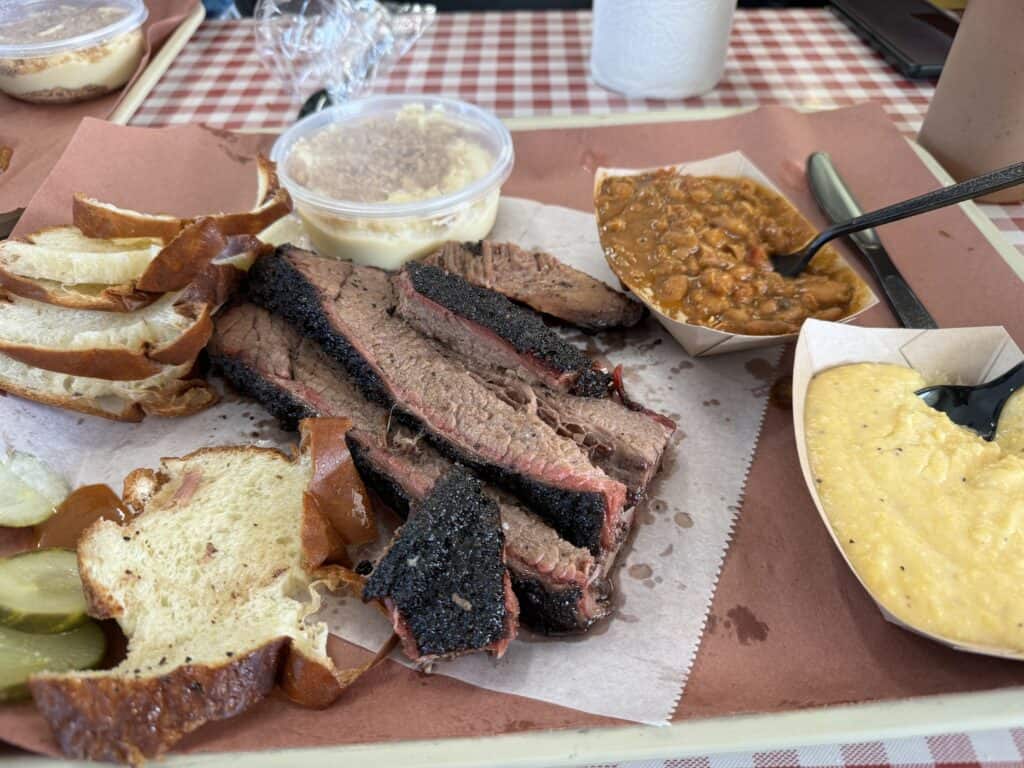
Goldee's Barbecue
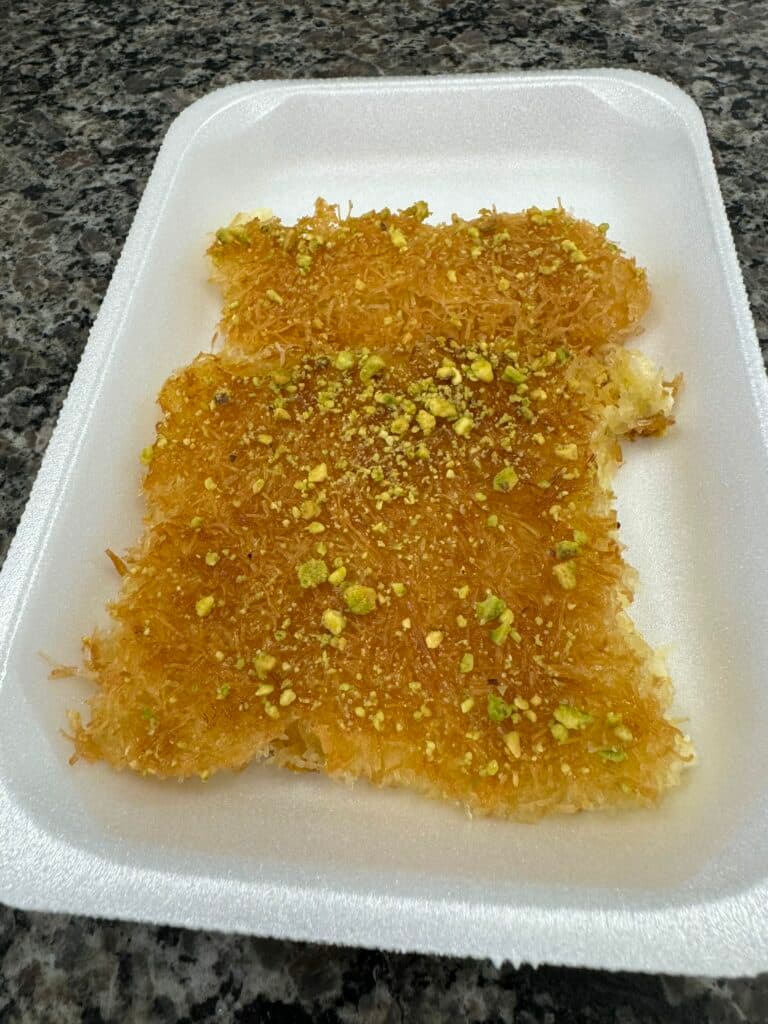
Kunafa Factory

Smoke'N Ash BBQ