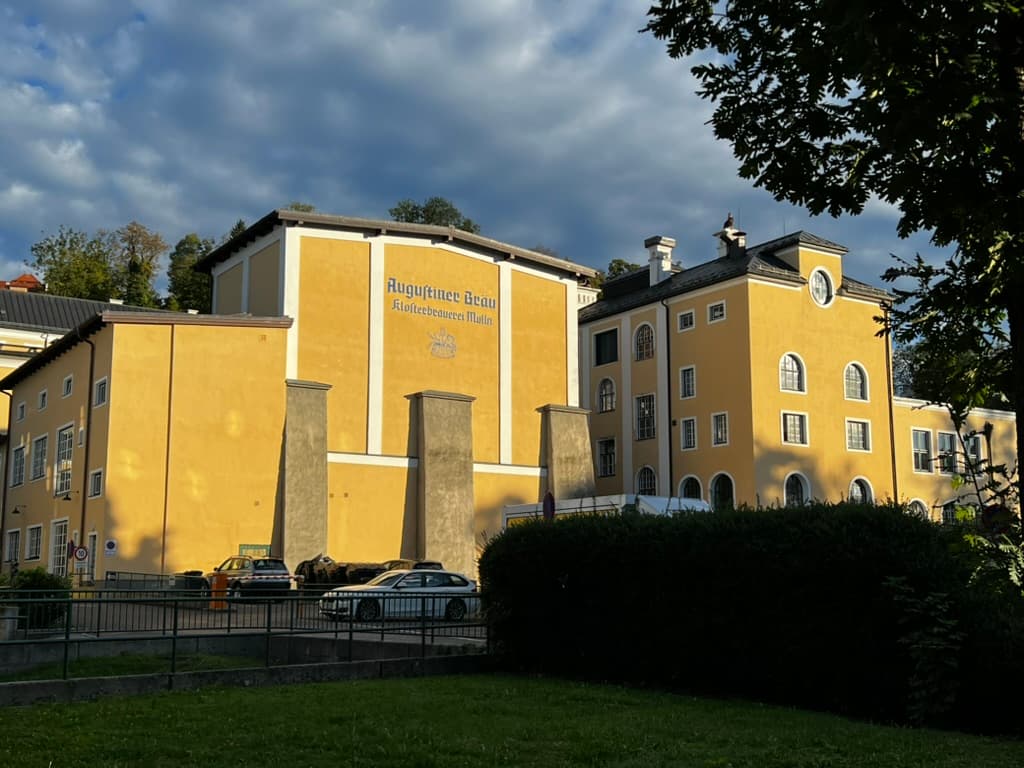
Haus der Natur
Museumsplatz 5, Salzburg 5020 Austria Posted by Brandon B.Admin
Haus der Natur: Salzburg's Science and Natural History Museum
Right on Museumsplatz in the old city, Haus der Natur is one of Salzburg's most visited indoor attractions and genuinely one of the better natural history museums in the German-speaking world. It covers everything from dinosaur fossils and live reptiles to space travel and human biology, all across a building that sprawls over multiple floors in a way that tends to surprise first-time visitors. If you arrive expecting a modest regional museum, you'll leave having misjudged it considerably.
The museum has been at this address since 1924, which gives it nearly a century of collecting, curating, and expanding. That longevity shows in the depth of the collections, even if the presentation in many halls has been updated to feel contemporary.
Why Haus der Natur Matters
Salzburg draws millions of visitors each year, most of them pointed toward Mozart's birthplace or the Hohensalzburg Fortress. Haus der Natur offers something genuinely different: a full day of exhibits that have nothing to do with the city's musical reputation. For families especially, it fills a real gap. The reptile hall alone holds dozens of live species, from large tortoises to venomous snakes, in enclosures you can get very close to. That kind of hands-on proximity is rare.
The aquarium section is also more substantial than the name "natural history museum" might suggest. There are saltwater and freshwater tanks covering a wide range of ecosystems, and the coral reef displays in particular tend to draw long looks from both children and adults.
Quick Facts
- Address: Museumsplatz 5, 5020 Salzburg, Austria
- Founded: 1924
- Open most days of the year, including weekends and public holidays
- Multiple floors covering natural history, space, aquarium, reptiles, and human biology
- Signage is primarily in German, with some English descriptions available in select halls
- Suitable for all ages, but particularly strong for families with children
- Located in the Altstadt (old city), within easy walking distance of the Salzburg main train station area and the historic center
Getting There
The museum sits on Museumsplatz, which is just off the Staatsbrücke end of the old city. If you're coming from Salzburg Hauptbahnhof, the walk takes roughly 20 minutes along the Salzach River, or you can take one of the city buses that stop near the museum. From the Getreidegasse shopping street, it's about a 5-minute walk north toward the river. Parking in this part of Salzburg is limited and expensive, so public transport or walking is the practical choice for most visitors.
The Layout and Experience
Haus der Natur spreads across around 80 exhibition rooms on several floors, which is far more than the modest exterior implies. The ground floor tends to pull you toward the aquarium and reptile hall quickly, but the upper floors hold the geology, paleontology, and space sections, all of which deserve serious time. A single rushed visit won't do it justice.
The reptile hall is a highlight for many visitors. The enclosures are large and well-maintained, and the range of species is genuinely impressive. You'll find large pythons, monitor lizards, and a number of amphibians alongside the more expected display animals. The live animals are housed in conditions that suggest real investment in the collection rather than a token exhibit.
The space hall covers topics like the solar system, human spaceflight, and planetary science with a mix of models and interactive displays. It's one of the more visually dramatic sections of the museum. The paleontology galleries hold a solid collection of fossils and skeletal reconstructions, including large dinosaur specimens that children tend to gravitate toward immediately.
The aquarium section runs to both freshwater and marine environments. Depending on which tanks you encounter first, it can feel like a different museum altogether. The diversity of fish and invertebrates on display is well above average for a landlocked Central European city.
History and Background
The museum was founded in 1924 under the direction of Eduard Paul Tratz, a naturalist who shaped the institution's early character and collection priorities. It has operated continuously from its current address since then, accumulating specimens, live animals, and scientific models over nearly 100 years. The building itself is a former convent, which accounts for the somewhat labyrinthine layout of rooms and corridors. That architectural quirk makes the museum feel more exploratory than a purpose-built facility would.
Over the decades, the museum has expanded well beyond its original natural history mandate to include science, space, and medicine. The result is an institution that doesn't fit neatly into any single category, which is part of its appeal.
Tickets and Entry
Entry is ticketed, with separate pricing tiers for adults, children, and families. The museum offers combination tickets that include access to all permanent exhibitions, including the aquarium and reptile hall, which are sometimes priced as add-ons at similar institutions. Check the museum's official website before your visit for current pricing, as it tends to be updated seasonally. The general admission rate is mid-range for European natural history museums, and the volume of content makes it strong value for a full day.
Guided tours are available for groups and can be arranged in advance. Individual visitors generally explore at their own pace with the help of exhibit labels and printed floor guides available at the entrance.
Best Time to Visit
Weekday mornings are the quietest time to visit. The museum draws school groups regularly, particularly on weekday mornings during the school year, so if you want to move through the reptile hall or aquarium without crowds, arriving early on a Tuesday or Wednesday tends to help. Weekend afternoons in summer can be busy, especially when rain drives visitors indoors from the old city streets.
The museum is open year-round, which makes it a reliable option during the shoulder seasons and winter months when outdoor Salzburg sightseeing is less appealing. It's one of the more sensible wet-weather choices in the city.
Photography Tips
The reptile hall and aquarium offer the most photogenic subjects, but both are challenging to shoot. Glass reflections, low light, and moving animals require patience. A phone with a good low-light mode will outperform a standard camera in many of the tank areas. The space hall has dramatic backlighting on several of its models and is worth a few shots. Flash photography near the live animals is generally discouraged, and in some enclosures it's prohibited, so check the signage before shooting.
Combining with Nearby Attractions
Museumsplatz puts you within a short walk of several other significant Salzburg sites. The Salzburg Museum is essentially next door on the same square, covering the city's history and art in a complementary way. The Panorama Museum, which houses the famous circular panorama painting of Salzburg from 1829, is also nearby. If you're spending a full day in the old city, a morning at Haus der Natur followed by an afternoon at the Salzburg Museum covers a lot of ground without requiring much transit.
The Staatsbrücke bridge and the Salzach riverfront are a 5-minute walk away, and from there you're essentially in the heart of the pedestrian old city with easy access to Getreidegasse, the Mozart birthplace, and the cable car up to Hohensalzburg Fortress.
Practical Tips
- Allow at least 3 hours for a thorough visit. A full day is realistic if you have children or a strong interest in natural science.
- The museum shop near the entrance carries books and natural science gifts that are worth browsing on the way out.
- Signage is mostly in German. If you don't read German, an audio guide or printed English summary (ask at the ticket desk) will help in the more detailed scientific sections.
- The building has elevator access, but the original convent layout means some areas involve narrow staircases. Check accessibility options at the desk if needed.
- There is a café on site for breaks during longer visits.
- Coat storage is available near the entrance, which is useful in winter when carrying a heavy jacket through 80 rooms becomes tiresome.
- Buying tickets online in advance can save time at busy periods, particularly in summer and during Austrian school holidays.
FAQ
Is Haus der Natur suitable for very young children?
Yes, and it's one of the better options in Salzburg for families with toddlers and young children. The live reptiles and aquarium fish provide immediate visual engagement, and the dinosaur skeletons tend to be a reliable crowd-pleaser regardless of age.
How long does a typical visit take?
Most visitors spend between 2 and 4 hours. Families with children who want to linger in the reptile hall and aquarium often find 3 to 4 hours passes quickly. Solo visitors moving at a faster pace can cover the main highlights in around 2 hours.
Is the museum accessible by public transport?
Yes. Several city bus routes stop close to Museumsplatz, and the museum is walkable from the main train station in roughly 20 minutes along the river. Driving is possible but parking in the Altstadt is limited and expensive.
Are there exhibits in English?
The primary language throughout the museum is German. English descriptions are available in some sections, and English-language printed guides can often be obtained at the ticket desk. For a deeper understanding of the scientific content, some preparation or a guided tour helps.
Is the aquarium included in the general admission ticket?
The aquarium and reptile hall are generally included in the standard admission ticket, but it's worth confirming on the official website before your visit as ticketing structures can change.
Reviews
Sign in and mark this place visited to leave a review.
No reviews yet.
Free Trip Planner
Plan your Austria trip with our free planner
Build a day-by-day itinerary with AI suggestions, hand-picked places, and friends. Free forever — no credit card.