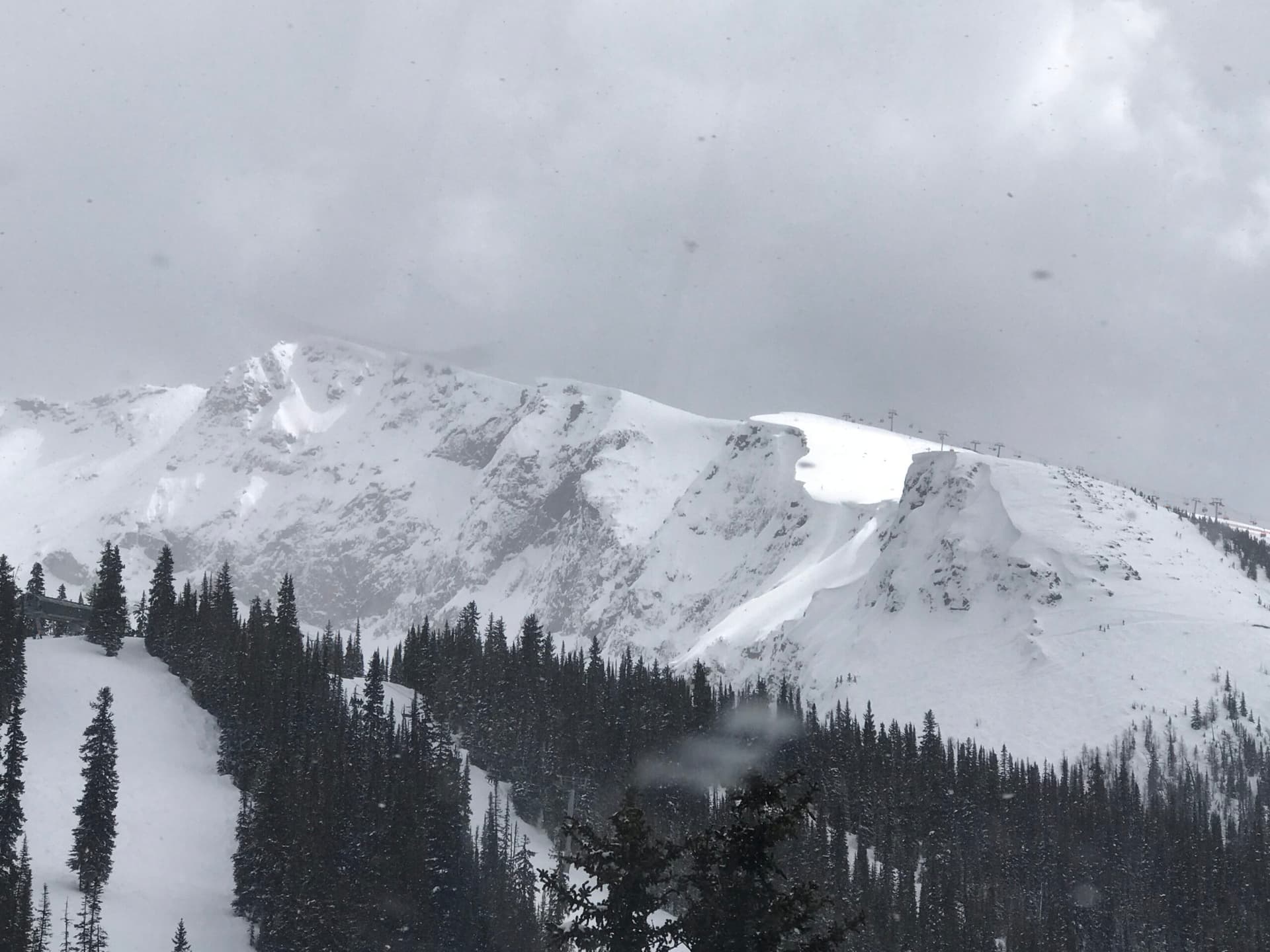
Hoodoos Trail climbs out of the Banff townsite into a stretch of forest and rock that most visitors to the park never see. It's a moderate day hike, roughly 3.8 kilometers round trip with about 460 meters of elevation gain, built around a payoff that's genuinely strange to look at: pale, columnar rock spires rising straight out of the lodgepole pine, formed by uneven erosion over tens of thousands of years. Most people finish it in three to four hours, which puts it in a useful middle category for Banff hiking. It's harder than a stroll along the Bow River, easier than committing to a full backcountry route, and it rewards the effort with a view and a landform you won't find on the Lake Louise shuttle circuit.
Why Hoodoos Trail matters
There's a geology lesson built into this hike that doesn't require a ranger talk or a museum placard. The hoodoos visible from the trail are physical evidence of how water and weather work on layered bedrock, carving away softer rock while a harder capstone layer holds its shape longer. You can see the mechanism at work just by looking at the formations: narrow stone columns, each one topped by a slightly wider cap of harder rock that has protected the softer material underneath from eroding at the same rate.
For visitors trying to get past the postcard version of Banff, places like this matter. Lake Louise and Moraine Lake pull enormous crowds and for good reason, but they don't leave much room for solitude. Hoodoos Trail, by contrast, tends to be quiet even in peak season once you're more than 20 minutes past the trailhead. If you want a sense of discovering something on your own terms, this is closer to that experience than almost anything accessible by a short drive from Banff townsite.
Quick facts
- Distance: approximately 3.8 kilometers round trip
- Elevation gain: roughly 460 meters
- Time required: 3 to 4 hours for most hikers
- Difficulty: moderate, with steep sections near the top
- Trailhead: Banff townsite area, accessible by road
- No permit required for day hiking
- Seasonal window: typically snow-free from June through September
Getting there
The trailhead sits in the Banff townsite area, close enough that if you're staying anywhere in Banff village, you can reach the parking lot in under 10 minutes by car. That proximity is part of what makes this hike appealing for people without a full day to dedicate to a backcountry excursion. You don't need to drive out toward Lake Louise or deeper into the park to get a serious climb and a real reward at the top.
The lot fills early on summer weekends and on any clear-weather day in July or August. Arriving before mid-morning improves your odds considerably. If you show up at noon on a Saturday in peak season, expect to circle for a spot or park further down the access road.
Public transit inside Banff National Park is limited, and this trailhead isn't well served by it. If you don't have a rental car, ask your hotel or hostel whether they run a shuttle to area trailheads, or check with the Banff Visitor Centre about seasonal shared transportation. Options here tend to shift year to year, so it's worth a quick inquiry rather than assuming a fixed schedule.
The layout and experience
The trail starts mild. You're walking through lodgepole pine forest on a gentle grade for the first section, the kind of terrain that lulls you into thinking the whole hike will be like this. It won't be. As you gain elevation, the trees thin slightly and the grade steepens in a way that's noticeable rather than gradual. Your legs will know the difference.
The final stretch to the hoodoos overlook is the hardest part. Switchbacks carry you up rocky terrain that demands attention to footing, especially if the ground is wet from recent rain or still holding ice in the shoulder seasons. This isn't technical climbing, but it's not a casual walk either. Loose rock and uneven steps mean you want decent boots and a bit of caution.
At the top, the trail opens onto the hoodoos themselves, with a clear vantage down the Bow Valley toward Banff townsite and across to the surrounding peaks. The contrast is the thing that sticks with people: delicate-looking stone spires standing directly above a dense carpet of forest, like something got left behind when the landscape around it eroded away. Many hikers spend a half hour or more here before heading back down. The descent is lighter on the lungs but still requires care on the steep sections, particularly if your legs are tired by that point.
Main highlights
The hoodoos are the obvious centerpiece, and they earn it. These pale rock columns stand out dramatically against darker forest, and they look best in late afternoon light, when shadows deepen the texture and the color variation in the stone becomes more visible. Midday sun flattens them considerably.
The Bow Valley vista from the top does useful work for orientation. On a clear day you can pick out major peaks and start to understand how glaciers carved this valley over the last ice age, with the Bow River now running through what the ice left behind.
Wildlife sightings are possible but not guaranteed. Pikas, marmots, and ground squirrels live in the rocky terrain near the hoodoos, and you'll likely hear pikas calling even if you don't spot one. Elk and mule deer occasionally show up in the forested lower sections, most often in early morning or late afternoon when they're more active.
History and background
Hoodoos as a geological phenomenon aren't unique to Banff. You'll find similar formations in badlands terrain across western North America, from Alberta's own Drumheller region to parts of Utah and Arizona. What sets the Banff examples apart is how well-preserved and accessible they are, tucked into a forested slope rather than an exposed desert basin. They form through a specific process: uneven erosion acting on rock layers of differing hardness, where a resistant capstone shields the softer rock beneath it, leaving a narrow spire standing after the surrounding material has washed and weathered away. Given enough time, even the capstone eventually fails and the column collapses. These are not permanent features. They are a visible stage in an ongoing process that will eventually erase them.
The Bow Valley itself has a much longer human history than the trail does. Indigenous peoples traveled and lived in this valley for centuries before European settlement, following the river corridor as a route through the mountains. Banff National Park was established in 1885, Canada's first national park, and trails like this one were developed over the following decades to give ordinary visitors, not just mountaineers, a way to access the park's more dramatic landscape features without technical climbing equipment or guided mountaineering experience.
Best time to visit
June through September is your window. Snow typically clears from the trail by early June, and conditions stay reasonably stable through the summer. July and August bring the warmest weather and the biggest crowds, both at the trailhead parking lot and, to a lesser degree, on the trail itself. September is often the sweet spot: fewer people, cooler temperatures, and frequently clearer air for the long views down the valley.
Early morning starts give you the quietest trail experience and better light for photographs, since the sun hasn't climbed high enough yet to wash out the rock's texture. October can still work if the weather holds, but snow arrives unpredictably at this elevation once autumn sets in. Winter hiking here requires real cold-weather skill and equipment, and most casual visitors should plan around the snow-free months instead.
Photography tips
Side-lighting is what makes the hoodoos photograph well, which means planning your visit for early morning or late afternoon rather than the middle of the day. Direct overhead sun flattens the formations and drains the color out of the rock.
Bringing some foreground into the frame helps too. A branch of evergreen, a nearby boulder, anything that adds a sense of scale and depth against the distant spires makes for a stronger composition than shooting the hoodoos alone against open sky.
Take a few minutes at the overlook to move around rather than shooting from the first spot you reach. Different angles let you frame the formations against the valley below instead of just empty air, which generally makes for a more interesting photo.
Facilities and preparation
There's nothing at the trailhead beyond the parking area itself. No restrooms, no water, no concessions. The nearest services, including food and bathrooms, are back in Banff townsite, a short drive away, so plan accordingly before you set out.
Bring water, more than you think you'll need. Most hikers carry at least a liter, but two liters is a safer bet, particularly on warm days when the open stretches near the top get direct sun. Sturdy hiking boots with ankle support matter here given the rocky, steep terrain in the final push to the overlook.
The elevation gain is steady and real, not a gentle warm-up followed by a short scramble. If hills tend to wear you out, build in extra time and plan for frequent breaks rather than pushing through at a pace that leaves you exhausted before you reach the top. Sun exposure increases noticeably as the forest opens up higher on the trail, and the intensity at this elevation can surprise people even under cloud cover. Sunscreen and a hat are worth packing regardless of the forecast.
Combining with nearby attractions
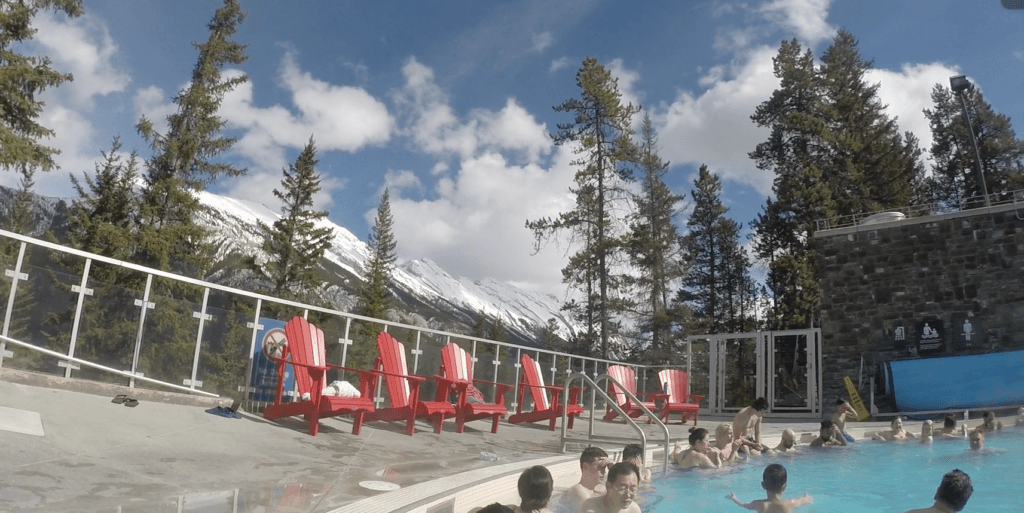
Banff townsite is only minutes from the trailhead, with restaurants, shops, and the Banff Visitor Centre all within easy reach for a post-hike meal or a question about trail conditions. The Upper Hot Springs make a natural reward after the climb, a short drive from where you parked, and soaking tired legs there is a popular way to end the day.
If you want to turn this into a two-hike day, Tunnel Mountain Trail is another moderate route in the immediate area, though you'll want to pace yourself if you're tackling both in one outing. Several viewpoints scattered around Banff townsite offer different angles on the surrounding peaks and valley if you'd rather drive than hike for your second stop.
For a multi-day visit to the park, this hike pairs naturally with a trip out to Lake Louise and Moraine Lake, both worth dedicated time, and a scenic drive along the Icefields Parkway if your schedule allows it.
Sample visit plan
Leave your accommodation by 8 or 9 in the morning to beat the parking rush. Drive to the trailhead, park, and start hiking by mid-morning, giving yourself a steady pace rather than rushing the climb. Spend 30 to 45 minutes at the hoodoos overlook eating lunch, taking photos, and letting your legs recover before the descent.
Start heading back down by early afternoon so you're not navigating the steeper sections as daylight fades. Most hikers are back at the parking area by mid to late afternoon. If you've still got energy, a short walk around Banff townsite or a stop at one of the nearby viewpoints rounds out the day. Dinner in town afterward is a good time to compare notes on the hike and plan the next day.
Practical tips
- Start early to secure parking and beat the crowds on the trail itself
- Carry more water than you think you'll need, plus a snack with protein and carbs
- Wear sunscreen even under cloud cover, since the sun at this elevation is stronger than it looks
- Check the Parks Canada website or ask at the visitor center about trail conditions, especially in shoulder season
- Expect mud after rain, which makes footing tricky on the steep sections
- Turn back if a thunderstorm moves in; mountain weather shifts fast
- Stay on the marked trail to avoid damaging vegetation and causing erosion
FAQ
How difficult is Hoodoos Trail compared to other Banff hikes?
It sits in the moderate range, more demanding than the flat walk through Johnston Canyon but considerably shorter and more approachable than a backcountry route. A steady pace and reasonable fitness will get you through it.
Is the trail suitable for children?
Older kids, roughly 10 and up, with some hiking experience can usually manage it, but the steep, rocky sections near the top require good balance. Younger children may find the sustained climb more tiring than enjoyable.
Can I hike this trail in winter?
Snow and ice turn the steep upper sections hazardous without proper winter gear and experience. Most casual hikers stick to the June through September window instead.
Are there bears on this trail?
Both black bears and grizzly bears live in Banff National Park. Make noise as you hike, carry bear spray if you know how to use it, and follow Parks Canada's wildlife guidance. Most hikers never see one.
What if I'm slower than expected?
Nobody's grading your pace. If it's clear you won't reach the top with enough daylight left, turn around and descend safely. A partial hike through this forest and toward the lower rock formations is still worth the effort.
Reviews
Sign in and mark this place visited to leave a review.
No reviews yet.
Free Trip Planner
Plan your Banff National Park trip with our free planner
Build a day-by-day itinerary with AI suggestions, hand-picked places, and friends. Free forever — no credit card.