Klondike Gold Rush National Historical Park
319 2nd Ave S, Seattle, WA 98104, USAKlondike Gold Rush National Historical Park is a small, free museum tucked into a restored 1889 warehouse on 2nd Avenue South in Pioneer Square, Seattle's oldest commercial district. It is a unit of the National Park Service, though there is no dramatic landscape to protect here, no trailhead, no visitor center perched on a scenic overlook. Instead there are two floors of exhibits explaining what happened to Seattle when a ship called the Portland docked in July 1897 carrying gold from the Klondike and set off a stampede of roughly a hundred thousand people trying to reach the Yukon. The park's real subject isn't the goldfields themselves, which were in Canada's Yukon Territory, hundreds of miles north. It's what the rush did to Seattle, which outfitted the stampeders, sold them their gear, booked their passage north, and in the process became the city it is today.
Why Klondike Gold Rush National Historical Park matters
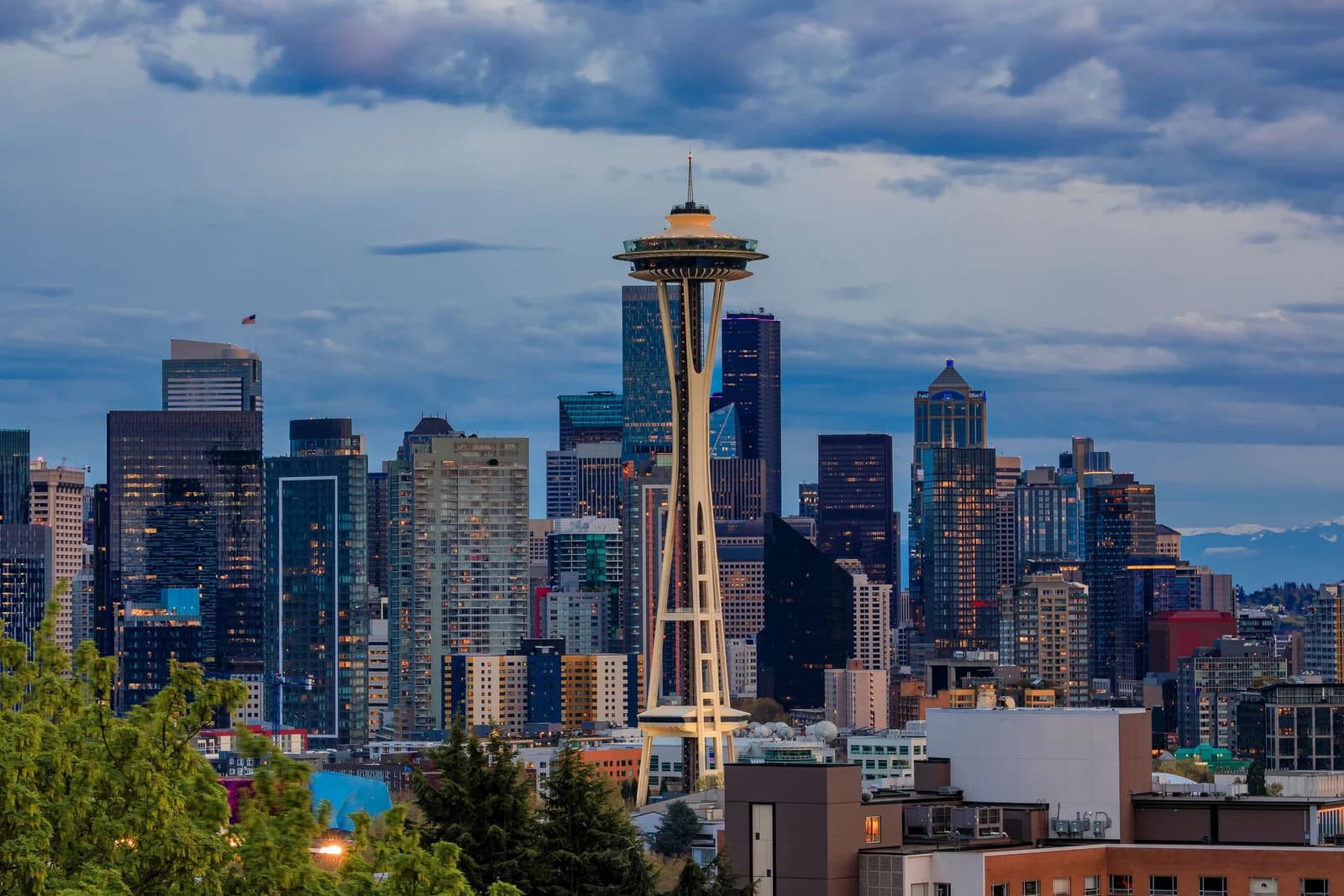
Seattle in 1897 was a modest Pacific Northwest port, still recovering from a fire that had leveled its downtown eight years earlier and competing hard with Tacoma, Portland, and San Francisco for shipping trade. The gold rush changed that almost overnight. Local merchants, hardware stores, and steamship operators realized that outfitting prospectors was more reliably profitable than prospecting itself. Seattle's chamber of commerce ran an aggressive campaign to brand the city as the official gateway to the Klondike, and it worked. The exhibits here walk through that campaign and the economics behind it with more clarity than you'd expect from a two-room museum, and by the time you leave you understand why Seattle's population and port infrastructure took off the way they did at the turn of the century.
Quick facts
- Location: 319 2nd Ave S, Pioneer Square, Seattle
- Run by the National Park Service, part of a park unit that also has a companion site in Skagway, Alaska
- Housed in a restored 1889 commercial warehouse
- Admission is free
- A visit typically takes about an hour
Getting there
The museum sits in the middle of Pioneer Square, a few blocks from Pioneer Square station on Seattle's light rail and bus tunnel line, and an easy walk from the waterfront and from CenturyField's stadium district if you're combining a visit with a game day. Street parking in Pioneer Square is metered and often tight, so most visitors arrive on foot or by transit rather than driving in. The building blends into a row of brick and sandstone commercial storefronts, so it's worth having the street address ready rather than looking for anything that reads as a typical park entrance.
The layout and experience
Inside, the museum occupies the ground floor of the old warehouse, with the brick walls and heavy timber structure of the original building left exposed around the display cases. The pace is self-guided. You move through period photographs, outfitting checklists, steamship advertisements, and artifacts that belonged to actual stampeders, including tools, clothing, and the kind of packaged food that was marketed specifically for the trail north. Park rangers are generally on hand to answer questions and sometimes give short talks, though the museum doesn't require you to join anything to get the full experience. Because the space is compact, there's no sense of a long march through galleries. You can read everything in under an hour and still come away with a fairly complete picture of the era.
Main highlights
The strongest material in the museum concerns the sheer logistics of what each stampeder was required to bring north. Canadian authorities, worried about starvation in the Yukon interior, required anyone crossing into Canadian territory over the Chilkoot or White Pass trails to carry roughly a year's worth of supplies, commonly cited at close to a ton of goods per person. That requirement reshaped the outfitting business entirely. Seattle stores sold pre-packaged "Klondike outfits" bundling flour, bacon, tools, and cold-weather gear, and the exhibits here display outfitting lists next to the actual products, which makes the scale of the undertaking much more tangible than reading a number in a textbook. There's also good coverage of the steamship companies that competed for passage north, often overselling tickets on unseaworthy vessels, and of how little gold most stampeders actually found once they arrived.
History and background
The gold itself had been discovered in the Klondike region of Canada's Yukon in August 1896, but word didn't reach the outside world until the following summer, when ships loaded with miners and their gold arrived in San Francisco and Seattle within days of each other. Seattle's timing and salesmanship won it the title of the gold rush's main gateway city on the American side, over rival ports. The building that now houses the park was constructed in 1889, the same year as Seattle's Great Fire, and like much of Pioneer Square it was built in the fire's aftermath using brick and stone rather than the wood construction that had burned so easily. It later served as commercial warehouse space before being restored and given over to the National Park Service. The park unit itself is split between this Seattle site and a second unit in Skagway, Alaska, the town where most stampeders actually disembarked before setting off on the overland trails to the goldfields.
Tickets and entry
There's no ticket to buy. Entry is free, as with Park Service sites built around interpretation rather than a protected landscape. There's no indication of timed entry or reservations being required, and the museum is small enough that crowding isn't typically an issue even on a busy weekend in Pioneer Square.
Best time to visit
Because the whole experience happens indoors, weather isn't much of a factor, which makes this a reasonable stop on a rainy Seattle afternoon when outdoor sightseeing loses its appeal. Pioneer Square itself tends to be quieter in the mornings before the neighborhood's galleries, bars, and the nearby stadiums fill up with foot traffic later in the day. If you're pairing the museum with a longer walk through Pioneer Square's architecture, an earlier start gives you a calmer version of the neighborhood.
Combining with nearby attractions
Pioneer Square rewards slow walking, and the museum works well as one stop among several. Seattle's Underground Tour, which explores the street-level remnants of the city buried after the 1889 fire and subsequent regrading, sits a few blocks away and covers some of the same era from a different angle. The waterfront, with its ferry terminals and the Seattle Aquarium, is a short walk downhill. If you're interested in the maritime side of the Klondike story, the shipping and port history on display complements a visit to the waterfront well. Sports fans will find T-Mobile Park and CenturyField within easy walking distance, making this an easy add-on before or after a game.
Practical tips
- Budget about an hour, less if you're moving quickly through the exhibits
- Wear comfortable shoes if you're combining the museum with a walk through the rest of Pioneer Square, which has uneven brick sidewalks in places
- Check ahead for operating days before making a special trip, since small Park Service sites sometimes close on certain weekdays or federal holidays
- The museum is a good indoor option on one of Seattle's frequent rainy days
- Ask a ranger if one is on duty. The staff here tend to know the outfitting-era details in more depth than the wall text covers
FAQ
Is there an admission fee?
No. Entry to Klondike Gold Rush National Historical Park in Seattle is free.
How long does a visit take?
Most visitors spend about an hour moving through the exhibits at a comfortable pace.
Is this the same park as the one in Alaska?
Yes. The park unit is split between this site in Seattle and a companion site in Skagway, Alaska, which covers the trailhead end of the stampeders' journey north.
Is the museum good for kids?
The exhibits are text and photo heavy rather than hands-on, so it suits older kids and adults with an interest in history better than very young children.
Where exactly is it in Pioneer Square?
The museum is at 319 2nd Ave S, inside a restored 1889 warehouse building, within easy walking distance of the rest of Pioneer Square's historic core.
Reviews
Sign in and mark this place visited to leave a review.
No reviews yet.
Free Trip Planner
Plan your United States trip with our free planner
Build a day-by-day itinerary with AI suggestions, hand-picked places, and friends. Free forever — no credit card.