Lake Minnewanka
Lake Minnewanka, Improvement District No. 9, AB T0L, CanadaLake Minnewanka stretches across the northeastern edge of Banff National Park, a 28-kilometer-long reservoir that feels worlds apart from the crowded valley floors near Banff Avenue. The lake sits at 1,894 meters elevation, ringed by sharp peaks and dense conifer forest, and it's one of the few places in Banff where motorboats are permitted, which draws a different crowd than the hiking-only areas nearby. If you're looking to escape the tour bus throngs at Lake Louise, Minnewanka offers genuine solitude, whether you arrive by boat, trail, or car. It's a working lake as much as a scenic one, and that duality shapes almost everything about visiting it.
Why Lake Minnewanka Matters
Lake Minnewanka is the largest body of water in Banff National Park, and it holds a layered history that most visitors never learn. The name comes from the Stoney Nakota word meaning "water of the spirits," a reference to the Indigenous presence here long before the park's establishment in 1885. The Stoney Nakota used this valley for hunting and travel for generations, and the lake would have carried spiritual weight well before any road reached it.
When the lake was dammed in 1941 to generate hydroelectric power, it flooded the original townsite of Minnewanka, and on exceptionally clear days, divers have reported seeing remnants of the submerged settlement below. That flooding is the single most interesting fact about this place, and it's easy to miss entirely if you only skim a map. The lake also marks a transition zone between the high peaks and the gentler terrain to the east, making it ecologically significant for wildlife movement through the park.
Quick Facts
- 28 kilometers long, the largest lake in Banff National Park
- Elevation 1,894 meters
- One of only two lakes in Banff where motorboats are allowed
- Approximately 20 minutes by car from Banff townsite
- Open year-round, though winter access depends on road conditions
- Original townsite submerged after 1941 dam construction
Getting There
From Banff townsite, take Banff Avenue north and turn right onto Lake Minnewanka Road. The drive is roughly 20 minutes and winds through forest before opening onto the lake. The parking area sits at the north end of the lake, where you'll find boat launch facilities and the main trailhead.
In winter, Lake Minnewanka Road sometimes closes due to avalanche risk or heavy snow, so check with Parks Canada before heading out during the coldest months. If you're using public transit, the Roam bus system serves the Banff area, though service to Lake Minnewanka is limited. Renting a car gives you much more flexibility to explore at your own pace, and it's really the only practical way to combine Minnewanka with other stops in a single day.
The Layout and Experience
The lake occupies a long, narrow valley running roughly northeast to southwest. The parking and facilities cluster at the northern end, where a paved path leads to a beach area and boat launch. From here, the lake extends south for kilometers, flanked by forested slopes that rise steeply in places. The eastern shore tends to be quieter and more forested, while the western shore opens to broader views of the surrounding peaks.
Most visitors experience Minnewanka in one of three ways. Boat tours depart from the dock and cruise the length of the lake, often stopping near Ghost Island, where the submerged townsite lies below. Day hikers tackle the shoreline trails, which offer changing perspectives of the water and mountains. Others simply park, walk the short beach path, and enjoy the calm water and relative emptiness compared to other Banff lakes.
Main Highlights
The boat tour is the most accessible way to see the full expanse of Minnewanka without committing to a full-day hike. Tours typically last one to two hours and provide narration about the lake's history, geology, and wildlife. The Ghost Island stop is the emotional core of the tour, even if you can't see the ruins directly from the surface.
The Minnewanka Loop Trail is a popular day hike that runs along the northern shore. It's moderately easy, mostly flat, and rewards you with unobstructed lake views. Depending on which section you walk, it takes between 30 minutes and two hours. The trail is well-maintained and sees regular foot traffic, so it suits families and casual walkers as much as serious hikers.
Wildlife viewing is genuine here. The lake's shores host elk, mule deer, and occasionally bighorn sheep on the higher slopes. Bald eagles nest in the tall conifers, and if you're quiet on the water or trail, you may spot them hunting over the surface. Morning visits tend to be best for wildlife encounters.
History and Background
The Stoney Nakota people used this area for hunting and travel long before European arrival. The lake itself was known to fur traders and early mountaineers, but it remained relatively remote until road access improved in the mid-20th century.
The 1941 dam construction was transformative and controversial. The original Lake Minnewanka townsite, which had served as a small tourist destination and administrative hub, was deliberately flooded to create the reservoir for hydroelectric generation. The water level rose significantly, drowning buildings, roads, and the landscape that early visitors had known. It's worth sitting with that for a moment: an entire settlement, with its own hotel and cabins, now sits beneath the water you're looking at from the parking lot. This engineering project remains one of the most visible human alterations in Banff, though the flooded townsite has become an archaeological curiosity rather than a tragedy in modern memory. Occasional dive expeditions, conducted under permit, have documented foundations and pilings still standing in the murk near Ghost Island, a reminder that national parks aren't always untouched wilderness.
Over the decades, Minnewanka shifted from a destination for hardy mountaineers to a more accessible recreational lake. The motorboat allowance and boat tour operations from the 1980s onward brought new visitors. Today it occupies an interesting position in Banff's identity: less famous than Lake Louise or Moraine Lake, but larger and more ecologically diverse than either.
Tickets and Entry
Access to the lake itself is free with a valid Banff National Park pass. Day-use parking at the trailhead parking area is included. If you want to take a boat tour, there's a separate fee to book a seat. Tours are operated by a concessionaire, and reservations are recommended, especially in summer.
Guided tours operate seasonally, typically from May through September, though exact dates vary year to year depending on conditions. If you're planning to hike, no additional tickets are needed beyond your park entry pass. Trails are first-come, first-served.
Best Time to Visit
Summer, from July through early September, brings the most reliable weather and the most visitors. The lake is warmest then, boat tours run on full schedules, and all trails are snow-free. Wildflowers bloom in the meadows around the parking area in early summer.
June and September offer fewer crowds and still pleasant conditions, though weather becomes more unpredictable. Morning fog is common in September, and it can actually make for some of the more atmospheric photographs of the year.
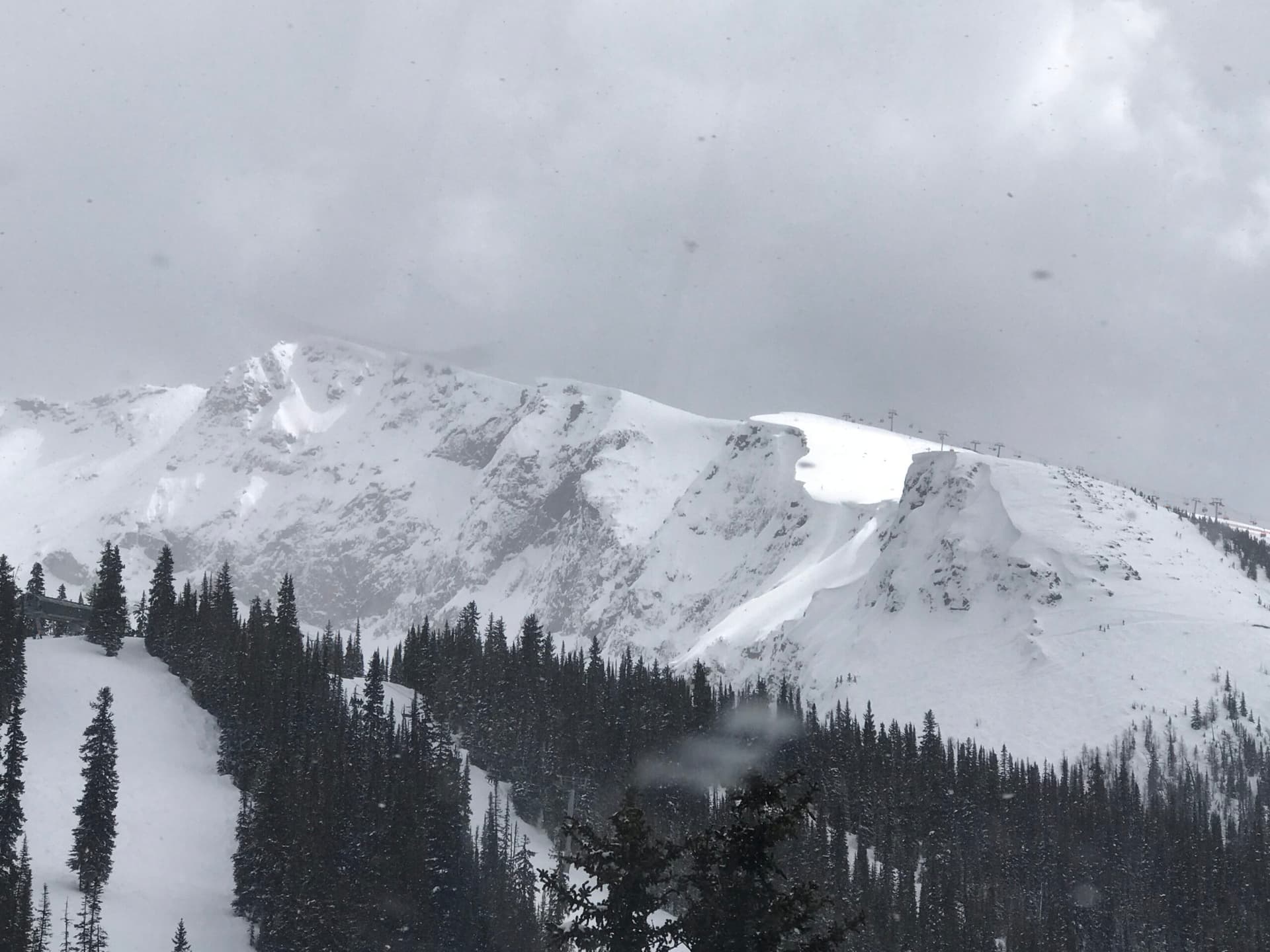
Winter access is hit-or-miss. The road sometimes closes, and when it's open, the lake takes on a stark, quiet beauty. If you can reach it, winter hiking around Minnewanka is peaceful, though trails may be icy and daylight is limited. Spring is muddy and wet, with lingering snow on higher ground. Many trails are still snowpacked in May.
Photography Tips
The mountains reflected in calm morning water are the classic shot here. Arrive early before wind roughens the surface. The north end of the lake, shooting south, gives you the longest sight lines down the valley.
The eastern shore, particularly around the shoreline trail, offers more intimate shots of conifers and water without the wide-open vistas. Late afternoon light warms the forest here. If you take a boat tour, position yourself on the upper deck for unobstructed views. Ghost Island itself photographs better from the boat than from shore, as the shallow bay reveals more of the submerged foundations on exceptionally clear days.
Wildlife photography is possible, but requires patience. Bring binoculars and a telephoto lens if you have one. Early morning and late evening are prime times for eagles and deer.
Facilities and Preparation
The parking area has a paved lot with roughly 100 spaces, though it fills on busy summer weekends. There are pit toilets near the parking area and a small boat launch facility. There is no food service, gas station, or lodging at the lake itself, so bring water and snacks.
Trails are marked but can be muddy, especially in early summer and after rain. Wear sturdy footwear. The shoreline trail is exposed in places, so bring sunscreen and a hat. Weather can change rapidly at elevation, so pack a light layer even on warm days. If you're boating on your own with a private launch, life jackets are required and Parks Canada regulations must be followed. Check current rules before arriving.
How Lake Minnewanka Compares to Similar Places
Lake Minnewanka differs from Lake Louise and Moraine Lake in fundamental ways. Those two are smaller, higher elevation, and restricted to foot traffic and canoes. Minnewanka allows motorboats, making it noisier and more active, but also more accessible to people who can't hike long distances. The scenery is less dramatic than the turquoise waters of Moraine Lake, but more varied and wilder.
Compared to lower-elevation Banff lakes like Two Jack Lake or Johnson Lake, Minnewanka is significantly larger, colder, and feels more remote despite being accessible by car. It attracts fewer casual visitors and more serious recreationalists, the kind of people coming for a boat tour or a proper hike rather than a quick photo stop.
Combining with Nearby Attractions
Lake Minnewanka sits on the eastern fringe of Banff, so it works well as a morning or afternoon addition to a day exploring the Bow Valley. If you're based in Banff townsite, you could visit Minnewanka in the early morning, then drive west to explore Johnston Canyon or the Bow Falls area later in the day. The Cascade Mountain area and the lower Bow Valley are 15 to 25 minutes south by car.
If you're combining activities, plan for at least half a day at Minnewanka if you want to take a boat tour and walk a trail. The Trans-Canada Highway is roughly 30 minutes south, connecting Banff to Lake Louise. A full day trip could include Minnewanka in the morning and Lake Louise in the afternoon, though that's ambitious and tiring given the driving involved.
Sample Visit Plan
Arrive by 8:30 a.m. to claim parking and avoid midday crowds. Walk the Minnewanka Loop Trail for 45 minutes to an hour, staying on the northern shore for the best light and views. Return to the parking area by mid-morning and head into Banff townsite for lunch.
If you're interested in the boat tour, check availability and book an early afternoon slot. Tours typically depart around 1 p.m. and 3 p.m. in peak season, and a two-hour tour will occupy most of your afternoon. If you skip the boat tour, use the midday hours to explore the eastern shore on foot, either via the continuation of the shoreline trail or by finding quieter spots away from the main parking area. The light is harsh at midday, but the solitude is rewarding.
Practical Tips
- Arrive early in the day to secure parking and avoid afternoon crowds
- Bring more water than you think you'll need, there's no refill on the trails
- Check road conditions before winter visits, Lake Minnewanka Road closes unpredictably
- Boat tours book up in July and August, reserve in advance if that's your priority
- The wind picks up in late afternoon, making the water choppy and reflections difficult to photograph
- Cell service is unreliable at the lake, download offline maps if you're hiking
- Wildlife is most active at dawn and dusk, plan accordingly if viewing is your goal
FAQ
Can I swim in Lake Minnewanka? Technically yes, but the water is cold year-round, rarely exceeding 15 degrees Celsius even in August. Most people find it too cold for comfortable swimming.
Are there fish in the lake? Yes, the lake supports populations of lake trout and whitefish. Fishing is allowed with a valid Alberta fishing license, subject to Parks Canada regulations.
What's really under the water at Ghost Island? The submerged townsite contains foundations, pilings, and possibly remnants of buildings, though the water depth and sediment make detailed visibility rare. Divers occasionally explore the site under permit.
Can I hike the entire shoreline? The Minnewanka Loop and adjacent trails cover much of the northern and eastern shore, but the western shore is less developed. A full circumnavigation would require backcountry camping or a boat drop-off.
Is there cell service at Lake Minnewanka? Coverage is spotty and unreliable. Don't rely on your phone for emergency navigation while visiting Lake Minnewanka.
Reviews
Sign in and mark this place visited to leave a review.
No reviews yet.
Free Trip Planner
Plan your Banff National Park trip with our free planner
Build a day-by-day itinerary with AI suggestions, hand-picked places, and friends. Free forever — no credit card.