
Los Pabellones de la Finca Guell
Avenida de Pedralbes, 7, 08034 Barcelona Spain Posted by Brandon B.Admin
Antoni Gaudí's Forgotten Gateway: Los Pabellones de la Finca Güell
Most visitors to Barcelona make a beeline for the Sagrada Família or Park Güell, and that's understandable. But tucked along Avinguda de Pedralbes in the affluent Les Corts district, Los Pabellones de la Finca Güell represent one of Gaudí's most concentrated bursts of early invention. The complex served as the entrance pavilions and stables for the Güell family's country estate, commissioned by Eusebi Güell, the industrialist who would become Gaudí's most important patron. What you find here is not the polished, finished Gaudí of later years. This is the younger architect working things out, and it's fascinating to watch.
The site sits just a short walk from the Palau Reial de Pedralbes, in a part of the city that feels noticeably quieter than the tourist corridors of the old town. That quiet is part of the appeal.
Why Los Pabellones de la Finca Güell Matters
Gaudí designed the pavilions between 1884 and 1887, which places the project right at the start of his professional relationship with the Güell family. The commission came just before he began serious work on the Sagrada Família, so in many ways this site marks the beginning of one of the most productive partnerships in architectural history.
The dragon gate is the reason most people come, and rightly so. Wrought in iron and spanning the main entrance, the dragon is technically a depiction of the dragon Ladon from the myth of the Garden of the Hesperides, an orange grove that Gaudí used as a symbolic reference to Catalonia itself. The ironwork is extraordinary up close, with articulated scales and a jaw that actually opens on a hinge mechanism. It's one of the finest pieces of decorative metalwork from the entire Modernisme period.
Beyond the gate, the two main pavilions use polychrome ceramic tile and exposed brick in ways that feel simultaneously Moorish and something entirely Gaudí's own. The stable building in particular has a parabolic roof structure that anticipates the forms he would develop at far larger scale later in his career. Seeing it here, at human scale, makes the logic of the shapes easier to grasp than it ever is inside the Sagrada Família's soaring nave.
Quick Facts
- Address: Avinguda de Pedralbes, 7, Les Corts, Barcelona
- Designed by Antoni Gaudí, constructed between 1884 and 1887
- Currently home to the Càtedra Gaudí, a research center affiliated with the Universitat Politècnica de Catalunya
- Entry is by guided tour only
- Tours are conducted in Catalan, Spanish, and English depending on the day
- The site is a UNESCO World Heritage property, listed as part of the Works of Antoni Gaudí designation granted in 1984
- Walking distance from Palau Reial metro station: roughly 5 minutes
Getting There
The most straightforward approach is the metro. Take Line 3 (the green line) to Palau Reial, exit onto Avinguda Diagonal, and walk southwest along Avinguda de Pedralbes for about 5 minutes. The dragon gate is visible from the street once you're close, so you won't need to hunt for it.
Bus routes along Diagonal also stop nearby. If you're coming from the Pedralbes Monastery, the two sites are less than 10 minutes apart on foot, which makes combining them an obvious choice.
There is limited street parking in the area, but given how well-served the location is by public transit, driving adds more friction than it's worth on most days.
The Layout and Experience
The complex consists of two main pavilions flanking the original entrance to the Güell estate. The porter's lodge sits on one side, the stables on the other, with the dragon gate connecting them at the entrance axis. A third, smaller structure is also part of the ensemble.
Because the Càtedra Gaudí operates from inside the buildings, the visit has a slightly academic atmosphere that you either find appealing or slightly formal. The guided tour takes you through the interiors, which contain architectural models, documents, and drawings related to Gaudí's work. It's not a pure house-museum experience. Think of it more as a working research institution that happens to occupy one of Barcelona's most unusual buildings, and that opens its doors to curious visitors.
The dragon gate itself can be appreciated from the street for free, and many people do exactly that. But the interior details of the stable building, with its parabolic brick vaulting and tiled surfaces, genuinely reward the tour admission.
History and Background
Eusebi Güell inherited the Pedralbes estate and wanted it redesigned in a way that reflected both his family's status and his own interest in Catalan cultural identity. He found in Gaudí an architect who shared that sensibility. The Güell family's textile wealth was connected to the cotton trade, and Eusebi had spent time in France, where he encountered the ideas of John Ruskin and the Arts and Crafts movement. His brief to Gaudí seems to have encouraged a richness of ornament that the young architect embraced completely.
The Hesperides symbolism running through the gate design was not accidental. The orange tree, golden fruit, and guardian dragon formed a deliberate allegory for Catalonia as a promised land, a theme that resonated strongly during the Renaixença, the cultural and linguistic revival that was reshaping Catalan identity in the late 19th century. Gaudí, a committed Catalan nationalist throughout his life, brought genuine conviction to these references rather than treating them as decorative window dressing.
After the Güell family eventually donated much of the Pedralbes estate to the city, the main villa became the Palau Reial and the pavilions passed through various institutional hands before the Universitat Politècnica de Catalunya established the Càtedra Gaudí here in 1956.
Tickets and Entry
Entry is through a guided tour, and you need to book in advance rather than simply showing up. The Càtedra Gaudí manages bookings directly, and tour availability varies by day and season. Ticket pricing falls in the budget to mid-range tier for Barcelona attractions, which is to say it costs considerably less than the Sagrada Família or Casa Batlló. Check the official Càtedra Gaudí website for current schedules before you plan your visit, as tour times can shift depending on academic calendar and staff availability.
As a UNESCO World Heritage site, the pavilions are sometimes included in combination tickets or passes offered through Barcelona tourism channels, so it's worth checking whether your existing passes cover entry.
Best Time to Visit
The site tends to be far less crowded than any other Gaudí property in the city, which is itself a reason to come. Even during peak summer months, tour groups here are small. Morning tours, when available, are generally the most comfortable in summer given the exposed tile surfaces reflect afternoon heat.
If you're combining the visit with the Pedralbes Monastery next door, plan at least half a day for the neighborhood. The monastery's Gothic cloister and single-nave church are worth an hour on their own, and the surrounding streets of Les Corts have a calm, residential quality that makes for pleasant walking between sites.
Photography Tips
The dragon gate photographs best in the morning when the light comes from the east and catches the metalwork without casting harsh shadows into the recesses. Get close enough to fill the frame with the dragon's head and the articulated iron scales become the story, rather than the gate as a whole. The textures in the ironwork reward a detail-focused approach.
Inside the stables, the parabolic brick arches are the strongest architectural subject. A wide-angle lens or the widest setting on a phone camera helps capture the full sweep of the vaulting. The polychrome tile on the exterior of the porter's lodge works well in flat, overcast light when the colors read clearly without specular glare.
Combining with Nearby Attractions
The Monastery of Pedralbes is the obvious companion, about 10 minutes on foot uphill from the pavilions. Founded in 1326, it's one of the best-preserved Gothic monasteries in the region and gives you a completely different architectural register to compare against Gaudí's exuberance.
The Palau Reial de Pedralbes and its gardens are essentially next door. The gardens are free to enter and provide a shaded place to sit and decompress between sites. Diagonal itself has several café options if you need a break before or after the tour.
For a full Gaudí-focused day in the western part of the city, you could pair the pavilions with the Palau Güell in the old town, which was built during roughly the same years and lets you see how the architect was working simultaneously at very different scales for the same patron.
Practical Tips
- Book your tour slot in advance through the Càtedra Gaudí website. Walk-ins may not be possible.
- Confirm the tour language before booking if English is important to you, as availability varies.
- The dragon gate is visible from Avinguda de Pedralbes at no cost if you only want a quick look.
- Wear comfortable shoes. The neighborhood involves a gentle uphill walk from the metro.
- Combine with the Pedralbes Monastery to make the most of a trip to this part of the city.
- The site is not heavily signposted from the metro exit, so use maps to navigate the last stretch.
- Photography inside the buildings may be restricted during certain tour segments. Ask the guide at the start.
FAQ
Can I see the dragon gate without buying a ticket?
Yes. The gate faces directly onto Avinguda de Pedralbes and is visible from the street at no charge. You can photograph it from outside the entrance without joining a tour. The interior of the pavilions, however, requires a ticket.
How long does the guided tour take?
Tours typically run around an hour, though this can vary depending on group size and the guide. Budget at least 90 minutes for your visit including travel time from the metro.
Is this site suitable for children?
The dragon gate tends to captivate younger visitors immediately. The tour itself is more architecturally focused and may hold the attention of older children and teenagers better than very young ones. The site is compact and easy to manage with kids.
How does this compare to Park Güell?
Park Güell is larger, more colorful, and far more crowded. Los Pabellones de la Finca Güell offers a more intimate and less commercially packaged experience. If you're genuinely interested in Gaudí's development as an architect, the pavilions arguably tell you more per square meter than Park Güell does.
Los Pabellones de la Finca Güell rewards the kind of traveler who is willing to step slightly off the main tourist circuit. The dragon gate alone justifies the trip. Add the parabolic vaulting of the stables, the Hesperides symbolism, and the sheer rarity of having a UNESCO Gaudí site nearly to yourself, and this becomes one of the better-kept secrets in a city that doesn't have many left.
Reviews
Sign in and mark this place visited to leave a review.
No reviews yet.
Free Trip Planner
Plan your Barcelona trip with our free planner
Build a day-by-day itinerary with AI suggestions, hand-picked places, and friends. Free forever — no credit card.
Related reading




Things to see near Los Pabellones de la Finca Guell

Colonia Guell Gaudi Crypt
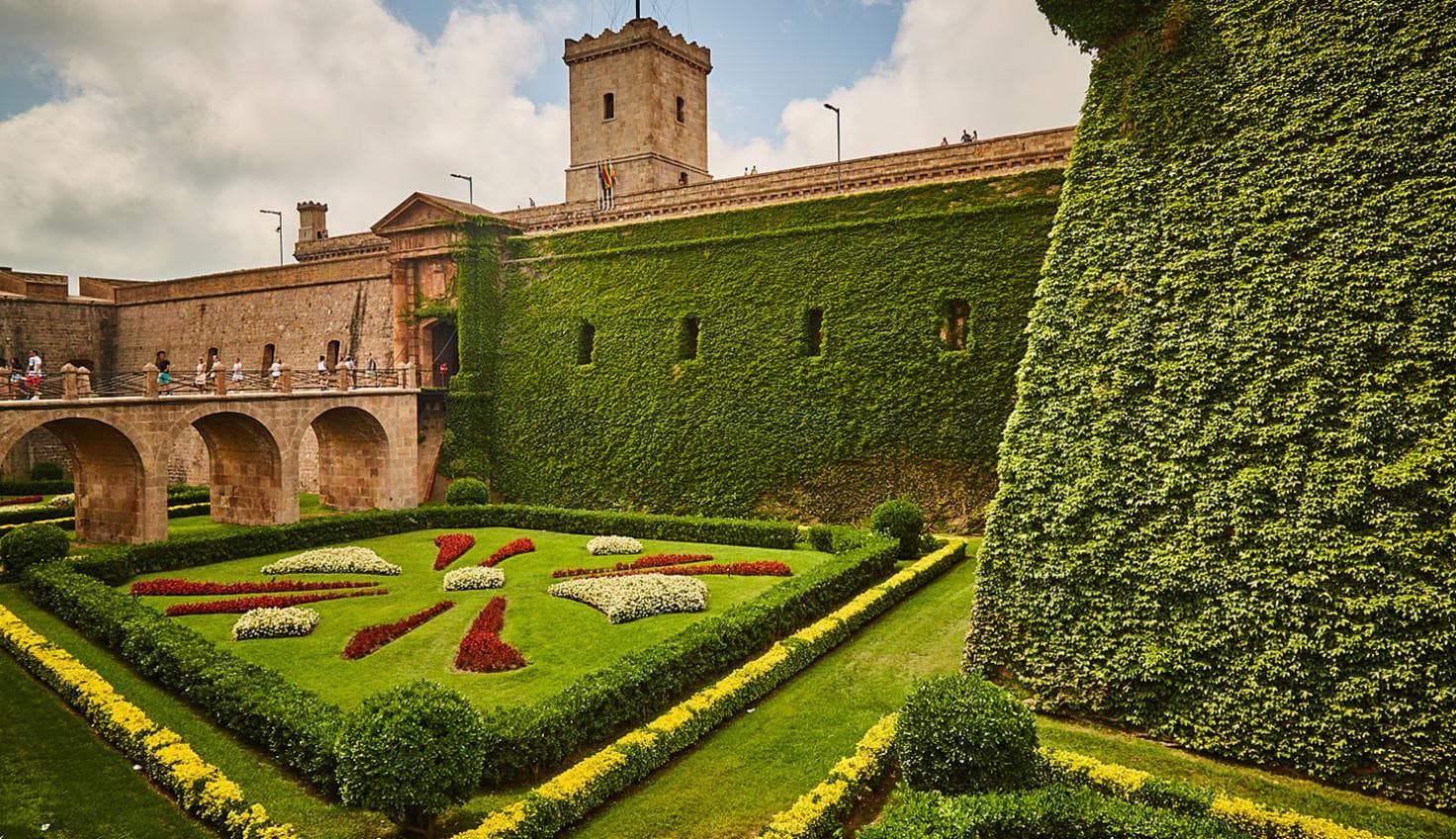
Montjuïc Castle
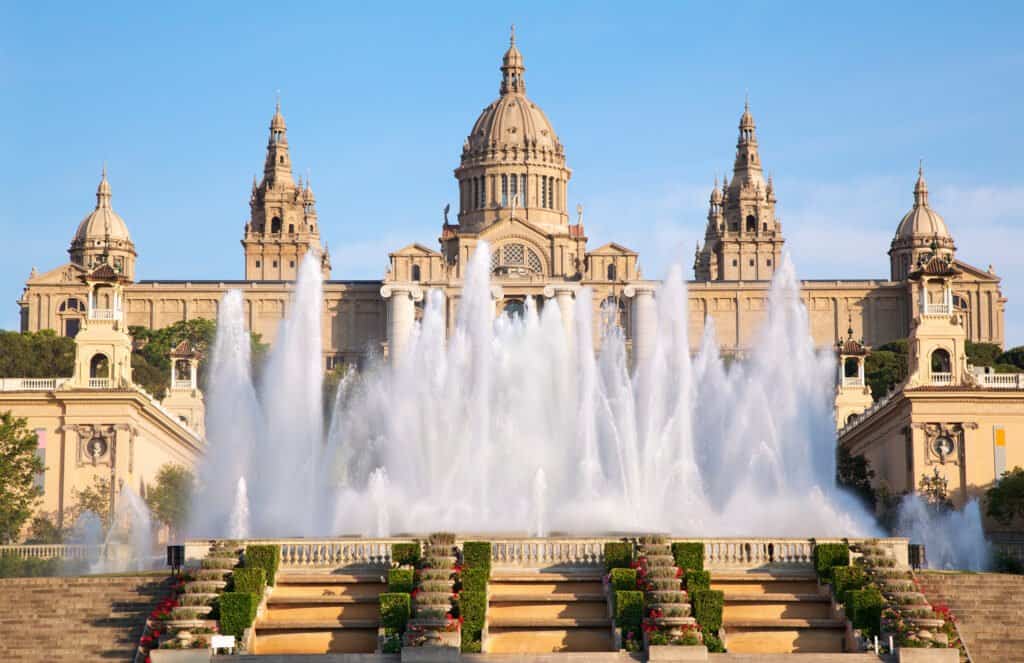
Magic Fountain of Montjuïc
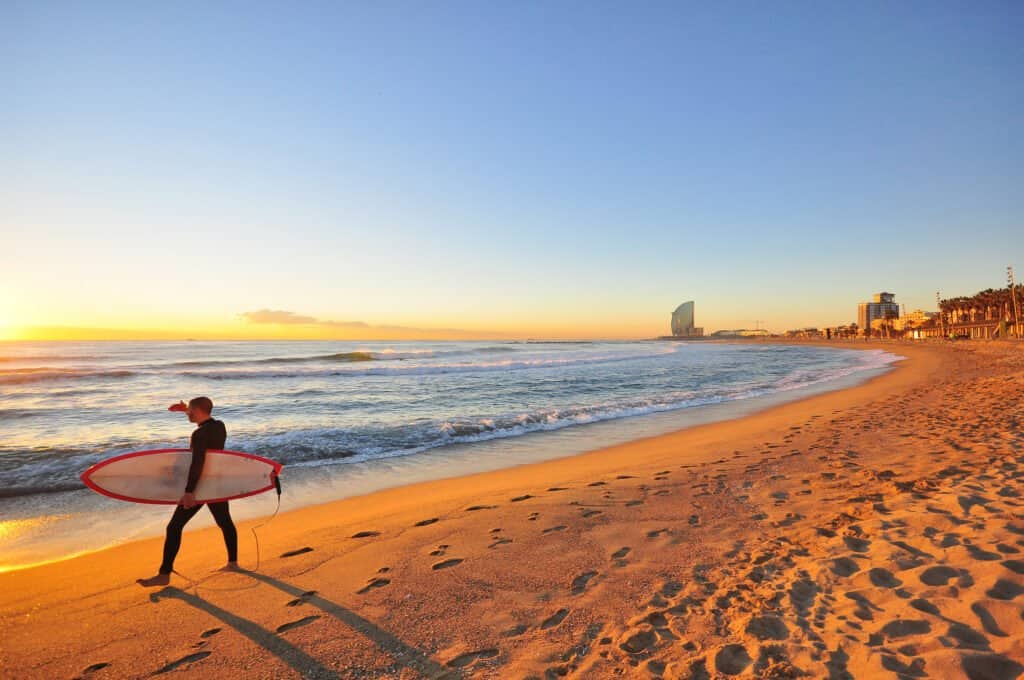
Barceloneta Beach
Places to eat or drink near Los Pabellones de la Finca Guell



More places in Barcelona

Sagardi BCN Centre

Orient Express Cocktail Bar

Xurreria Trebol
