Mandor Waterfall
Open now
 Posted by Brandon B.Admin
Overview
Mandor Waterfall sits in a lush valley about 10 kilometers from Aguas Calientes, the mountain town that serves as the gateway to Machu Picchu. The waterfall drops roughly 200 meters through dense cloud forest, creating a dramatic cascade that feels removed from the crowds you'll find at the archaeological site itself. If you have an extra day in the region, this hike offers a genuine taste of the Peruvian cloud forest without requiring the same level of preparation or cost as a trek to the citadel.
The walk to Mandor Waterfall takes most visitors between two and three hours round trip. It's moderately strenuous but not technical. The path winds upward through vegetation that changes as you gain elevation, and you'll cross a few small streams before reaching the viewpoint.
Why this place matters
Mandor represents an alternative way to experience the landscape around Machu Picchu. While the citadel draws hundreds of thousands of visitors annually, relatively few make the effort to visit this waterfall. That means you're likely to have the space and quiet to notice the forest itself: the varieties of ferns, the birds, the sound of water echoing off stone.
For hikers, it also serves as a solid acclimatization option if you've just arrived at elevation. The walk is demanding enough to gauge how your body is handling the altitude without committing to a full multi-day trek.
Quick facts
- Distance from Aguas Calientes: approximately 10 kilometers
- Round trip hiking time: 2 to 3 hours depending on pace and fitness
- Elevation gain: roughly 400 meters
- Best season: May through September (dry season)
- No entrance fee required
- Trail condition: mixed terrain, some steep sections, can be muddy in wet months
Getting there
From Aguas Calientes, you'll start on the main road heading toward Machu Picchu. The trailhead isn't immediately obvious, so asking your hotel or a local guide for directions is worth the time. Some visitors hire a local guide in town for the day, which costs mid-range rates and provides both navigation and knowledge about the forest.
You can also ask your hotel to arrange transport partway up the road, which saves time on the initial leg. From the drop-off point, the trail continues upward through farmland before entering the forest proper.
If you prefer a structured option, tour operators in Aguas Calientes offer guided day trips to Mandor Waterfall. These typically include transport and a guide who knows the route and can identify plants and wildlife.
The layout and experience
The trail begins on a wide path through local agricultural plots. You'll pass small farms and eventually the path narrows as you enter the cloud forest. Vegetation becomes denser, and the temperature drops as you gain altitude.
About halfway through, the forest closes in completely. Tree roots cross the path, and in the wet season, the trail can be slippery. The sound of water grows louder as you approach the waterfall. When you finally reach the viewpoint, you're standing at a vantage where the full cascade comes into view, with mist rising from the rocks below.
Most visitors spend 20 to 30 minutes at the waterfall before beginning the descent. The return trip tends to be faster since you're going downhill.
Main highlights
The waterfall itself is the primary draw, but the forest ecosystem is equally rewarding. You'll likely spot orchids growing on trees, and if you're quiet, you might see birds like toucans or hummingbirds. The air smells of wet earth and vegetation.
The vantage point near the waterfall offers a sense of scale that photographs don't quite capture. Standing there, you understand why this region has sustained human settlement for centuries.
Best time to visit
May through September is the dry season in the Cusco region. During these months, the trail is most passable and the weather most predictable. You may still encounter clouds and mist, especially in the early morning or late afternoon, but heavy rain is less frequent.
If you visit during the wet season (November through March), expect the trail to be muddy and slippery. The waterfall will have more water volume, which some find visually more impressive, but the hike becomes significantly more challenging.
Early morning departures tend to work better. By midday, clouds often settle into the valley, reducing visibility.
Photography tips
The waterfall is backlit by the valley, so positioning yourself to avoid direct sun in your lens helps. The mist around the cascade can create interesting atmospheric effects, especially in soft morning light.
Wide-angle shots capture the scale of the waterfall within the forest. Macro or close-up shots of the forest floor, ferns, and small details are equally compelling if you're patient.
Bring a microfiber cloth or bag to protect your camera from the moisture. The air is humid and spray from the waterfall can reach the viewpoint.
Facilities and preparation
There are no facilities at the waterfall itself. No bathrooms, no water fountains, no shelter. Bring enough water to drink on the hike and consider bringing electrolyte tablets or snacks with salt, especially if you're still acclimating to elevation.
Wear sturdy hiking boots or shoes with good grip. The path is muddy even in the dry season, and tree roots create tripping hazards. Bring a light rain jacket or poncho regardless of the forecast, as conditions change quickly in the cloud forest.
Sunscreen and insect repellent are worth packing. The forest canopy provides shade, but sun exposure is still possible on exposed sections.
Combining with nearby attractions
Mandor Waterfall works well as a day trip while you're based in Aguas Calientes waiting for or recovering from a Machu Picchu visit. The hike is less demanding than the Inca Trail but still offers physical engagement and forest immersion.
Some visitors combine it with a visit to the local hot springs in Aguas Calientes itself, which lie on the outskirts of town. A morning hike to Mandor followed by an afternoon soak creates a balanced day that engages both movement and relaxation.
Sample visit plan
Depart your hotel in Aguas Calientes by 7 am. Arrange transport or hire a guide the day before. Plan to spend one hour reaching the trailhead and another 1.5 to 2 hours hiking to the waterfall. Spend 20 to 30 minutes at the viewpoint. Allow the same time for the descent. You should be back in town by early afternoon, leaving time for lunch and rest.
Practical tips
- Start early to avoid afternoon clouds and rain
- Bring more water than you think you'll need, especially if acclimating to altitude
- Wear waterproof hiking boots with ankle support
- Ask your hotel to arrange a guide or confirm directions the day before
- If hiking solo, let someone know your plans and expected return time
- The trail can be slippery after rain, even hours later
- Pack a headlamp or flashlight if you think you might return after dark
FAQ
Is the hike to Mandor Waterfall difficult? It's moderately strenuous. The elevation gain is steady but not extreme, and the path is well-used. Fitness level and acclimatization matter more than technical skill.
Can I visit Mandor Waterfall and Machu Picchu on the same day? Technically yes, but it's rushed. Most visitors spend a full day at Machu Picchu. If you do both in one day, you'd need to wake very early and likely skip one of them properly.
Do I need a guide to visit Mandor Waterfall? The trail is established and many hikers do it independently. A guide adds context about the forest and ensures you don't take wrong turns, especially if the path is muddy or overgrown.
What wildlife might I see? Birds are most common, including hummingbirds and toucans. Insects are numerous. Larger mammals are present but shy and rarely seen by daytime hikers.
Opening hours
Reviews
Sign in and mark this place visited to leave a review.
No reviews yet.
Free Trip Planner
Plan your Aguas Calientes trip with our free planner
Build a day-by-day itinerary with AI suggestions, hand-picked places, and friends. Free forever — no credit card.
Related reading

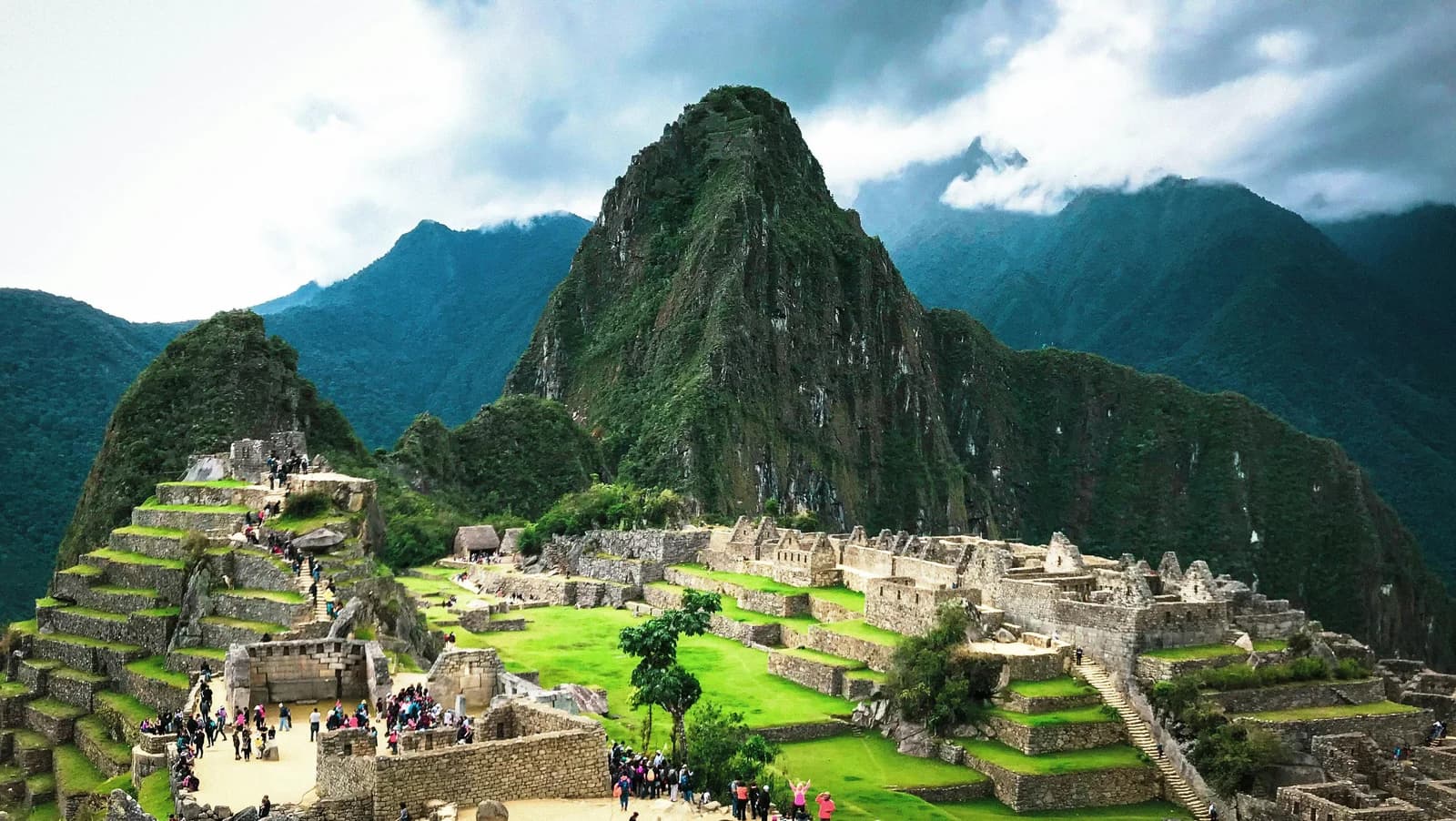
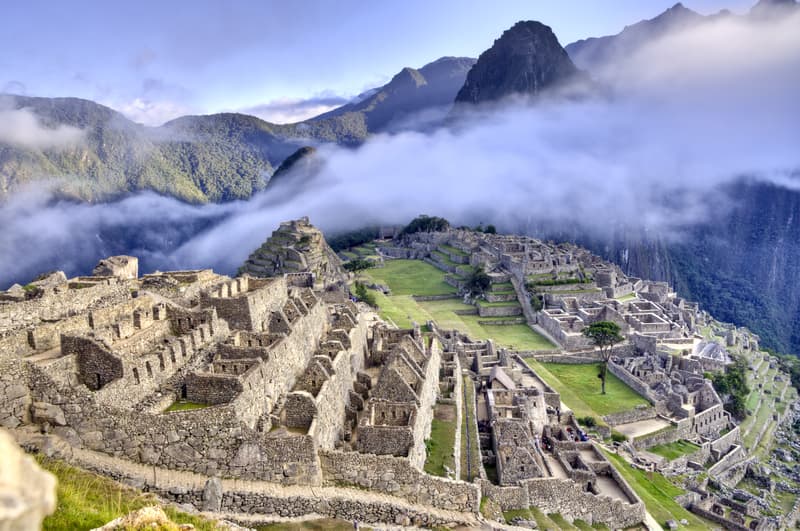
Things to see near Mandor Waterfall

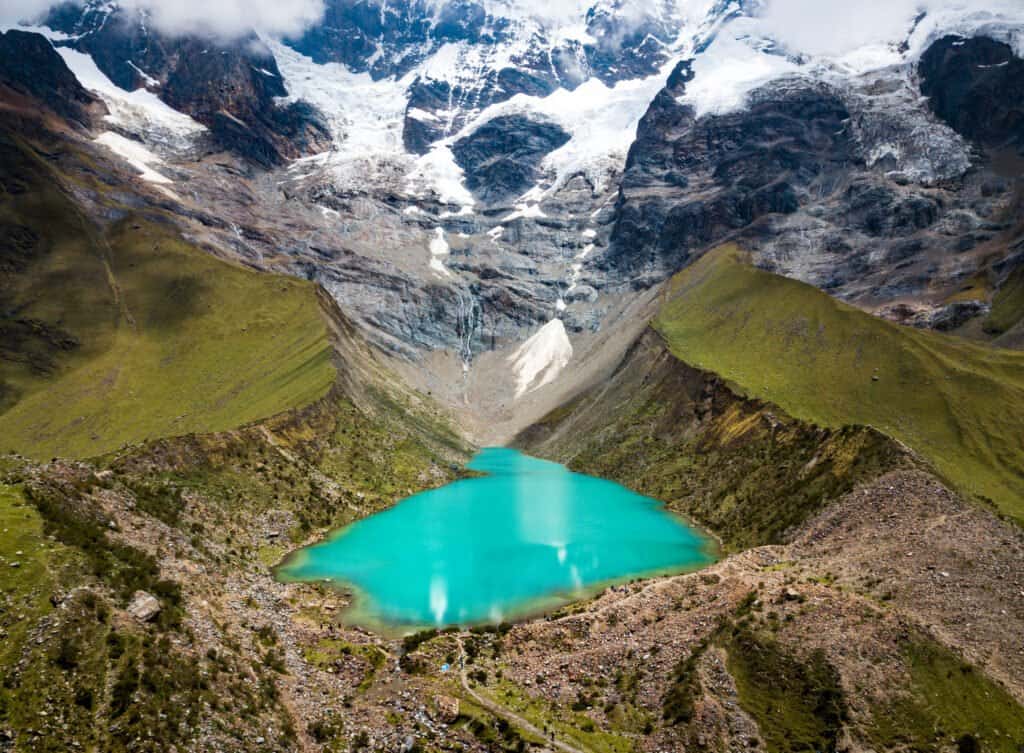
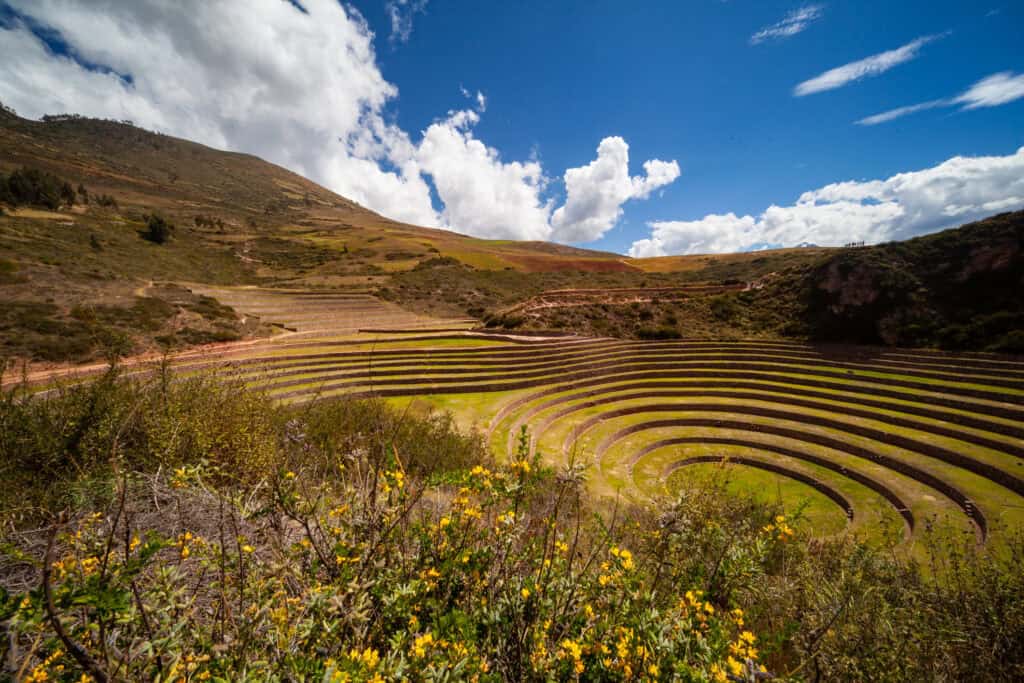
Places to eat or drink near Mandor Waterfall

Tampu Restaurant at Sanctuary Lodge

Tinkuy Restaurant

Peru Cafe Machupicchu

INKA TAMBO Restaurant
More places in Aguas Calientes

Machu Picchu HotSprings

Cascadas Allcamayo

Mercado de Artesanias