Marina Piccola
80067 Sorrento, Metropolitan City of Naples, ItalyOverview
Marina Piccola sits at the edge of Sorrento's dramatic cliffs, where a tight cluster of colorful fishing boats bobs in the shelter of a small natural harbor. The moment you descend the narrow stone steps carved into the rockface, the scale shifts from the crowded town above to something intimate and lived-in. Fishermen mend nets on the dock, water laps against ancient stone, and the smell of salt and seaweed dominates the air. This is not a beach resort or a manicured marina. It's the working heart of Sorrento's relationship with the sea, and it has looked roughly this way for centuries.
Marina Piccola offers a different rhythm than the shops and restaurants of the main piazza. You come here to sit by the water, watch the light change on the cliffs, swim if the water is calm, or simply understand how this town actually connects to the Sorrentine Peninsula's coastline. The harbor itself is small enough to take in at a glance, but detailed enough to reward an hour of sitting and observing.
Why this place matters
Sorrento has always been shaped by its position on the water, and Marina Piccola is where that relationship is most visible. While the upper town has transformed into a tourist center over the past century, this harbor has remained functionally the same: a place where local fishermen keep their boats and where the sea actually meets human work, not just human leisure.
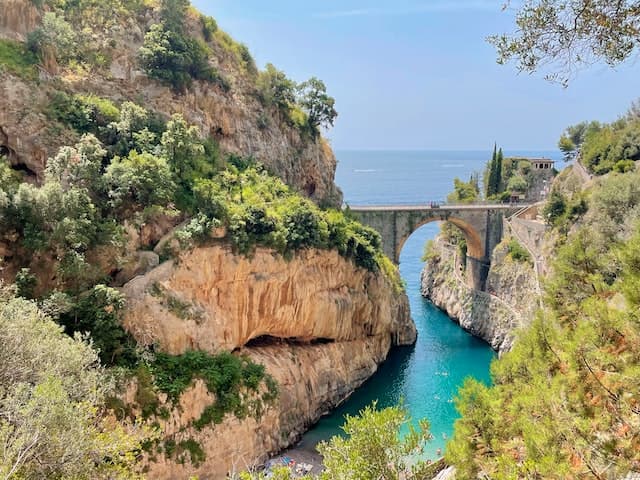
The setting also illustrates the Sorrentine Peninsula's geological character. The cliffs that define the landscape rise sharply above the marina, and the natural rock formations create a safe, sheltered anchorage that has made this spot valuable for hundreds of years. If you want to grasp why Sorrento exists where it does, you need to see it from the water's edge.
Quick facts
- Located in the center of Sorrento, roughly 200 meters downslope from the main piazza
- No admission fee or restricted access
- Open year-round; accessible from dawn until dusk on most days
- Accessible by a steep flight of stone steps (no elevator or paved ramp)
- Small beach area and swimming possible in calm water
- Several waterfront restaurants and bars with views of the harbor
Getting there
Marina Piccola is within walking distance of central Sorrento, but the approach requires descending a long staircase. From Piazza Tasso (the main piazza), head toward the edge of the cliff and look for signs pointing to Marina Piccola or Marina Grande. The stone steps begin near the public garden and drop steeply toward the water. The descent takes roughly five to ten minutes depending on your pace and fitness level.
There is no road access to the marina itself. If you have mobility concerns, the stairs make independent access difficult. A few restaurants near the top of the stairs offer viewing areas without requiring the full descent.
Parking in Sorrento is limited and often paid. Most visitors who arrive by car use one of the several parking lots near the main piazza and walk from there. If you arrive by bus or train, you'll enter Sorrento's central area naturally, from which Marina Piccola is a short walk downhill.
The layout and experience
Marina Piccola is small and compact by design. The harbor opens to the south and is protected on three sides by rocky outcrops and cliff walls. A narrow waterfront strip runs along the base of the stairs, with a few small buildings housing restaurants, boat services, and storage facilities.
The actual water level is where most activity happens. Fishing boats in primary colors (blue, yellow, red) are typically moored close to the dock. In summer, you'll see swimmers and people renting small boats or taking guided trips along the coast. A narrow beach of dark sand and pebbles sits to one side of the harbor, accessible but modest in size.
The stairs themselves are part of the experience. They're steep and worn smooth by generations of use, built directly into the rock. Railings are present in most sections, though in places they're minimal. On the way down you pass landings with views of the harbor opening up before you. On the way back up, the effort of the climb amplifies your sense of arrival back in the town.
Main highlights
The primary draw is the view and the atmosphere. Marina Piccola offers an unfiltered look at Sorrento's relationship with the sea, free from the mediation of a resort or marina complex. The light is best in late afternoon, when the sun hits the cliffs and the water reflects a deep blue-green.
Swimming is possible on calm days. The water is typically clear and cool even in summer. There are no changing facilities or lifeguards, so this is for confident swimmers. If you're unsure about conditions, check with one of the restaurants or boat operators on the dock.
Boat rental and guided trips along the coast are available through several operators based at the marina. These tend to run throughout the day in peak season and offer access to caves and smaller coves that aren't reachable on foot from Sorrento proper.
The waterfront restaurants and bars provide a reason to linger. You can eat or drink overlooking the harbor, watching the boats and the light change. Prices are higher than inland restaurants, but the setting justifies the difference for most visitors.
History and background
Marina Piccola has been Sorrento's primary harbor for at least the past 500 years, and likely much longer. The settlement of Sorrento itself grew up partly because of this natural shelter, which allowed fishing and small-scale maritime trade even when larger ships could not safely approach the cliffs.
The stairs leading down to the marina were carved and rebuilt over centuries, with different sections reflecting different periods of construction and repair. The oldest sections are difficult to date precisely, but the general layout has remained consistent since at least the medieval period.
In the 19th and 20th centuries, as tourism began to reshape Sorrento's economy, the marina remained a working fishing harbor rather than transforming into a leisure facility. This continuity is what gives it character and authenticity today. The boats you see are still used for fishing and ferrying, not just photo opportunities.
Best time to visit
Marina Piccola is pleasant to visit year-round, but the experience varies with season. In summer (June through August), the harbor is most active, with swimmers, tourists, and boat traffic. The water is warmest and calmest on average, though crowding increases proportionally. Sunset views are strongest in late afternoon, when the cliffs glow and the harbor empties slightly as people head back to dinner.
Spring and autumn offer fewer crowds and still-pleasant water temperatures. The light is often softer and more nuanced in these seasons. Winter is quiet and atmospheric, but the water is cold and storms occasionally make the harbor rough enough to discourage swimming and boat activity.
Morning visits tend to be less crowded than afternoon ones. If you want to see the fishing boats actively working or departing, an early visit increases your chances.
Photography tips
The harbor is photogenic from multiple angles. From the top of the stairs, you get the full view of the water and cliffs. From the waterfront, you can shoot the boats with the cliff walls as backdrop. The stairs themselves, with their worn stone and iron railings, make interesting compositional elements.
Light changes dramatically depending on time of day and season. Morning light tends to be soft and frontal. Late afternoon light rakes across the cliffs and creates strong shadows, which some photographers prefer for drama. Overcast days reduce glare on the water but flatten colors.
If you're photographing the boats, be respectful of working fishermen and don't block access to the dock or stairs. Early morning is your best window for candid shots of people actually working rather than posing for photos.
Facilities and preparation
There are no public restrooms at the marina itself. The nearest facilities are in the restaurants or back up in the town. There is no fresh water source at the water's edge.
The stairs are steep and the descent is one-way downhill (the return is uphill). Wear shoes with good grip, as the stone can be slippery when wet or in certain light conditions. If you plan to swim, bring a towel and a change of clothes. There are no lockers or secure storage at the marina, so travel light or use a restaurant as a base.
The harbor is exposed to the south, so weather can change quickly. On windy or stormy days, the water becomes rough and swimming becomes unsafe. Check conditions before descending if that's part of your plan.
Combining with nearby attractions
Marina Piccola sits within walking distance of Sorrento's main attractions. The Piazza Tasso and Cathedral are five to ten minutes uphill. The Museo Correale, which houses decorative arts and antiquities, is roughly 15 minutes on foot. The Sorrentine Peninsula's other major attraction, Marina Grande, is the second harbor on the opposite side of town, reachable in about 20 minutes by walking through the center.
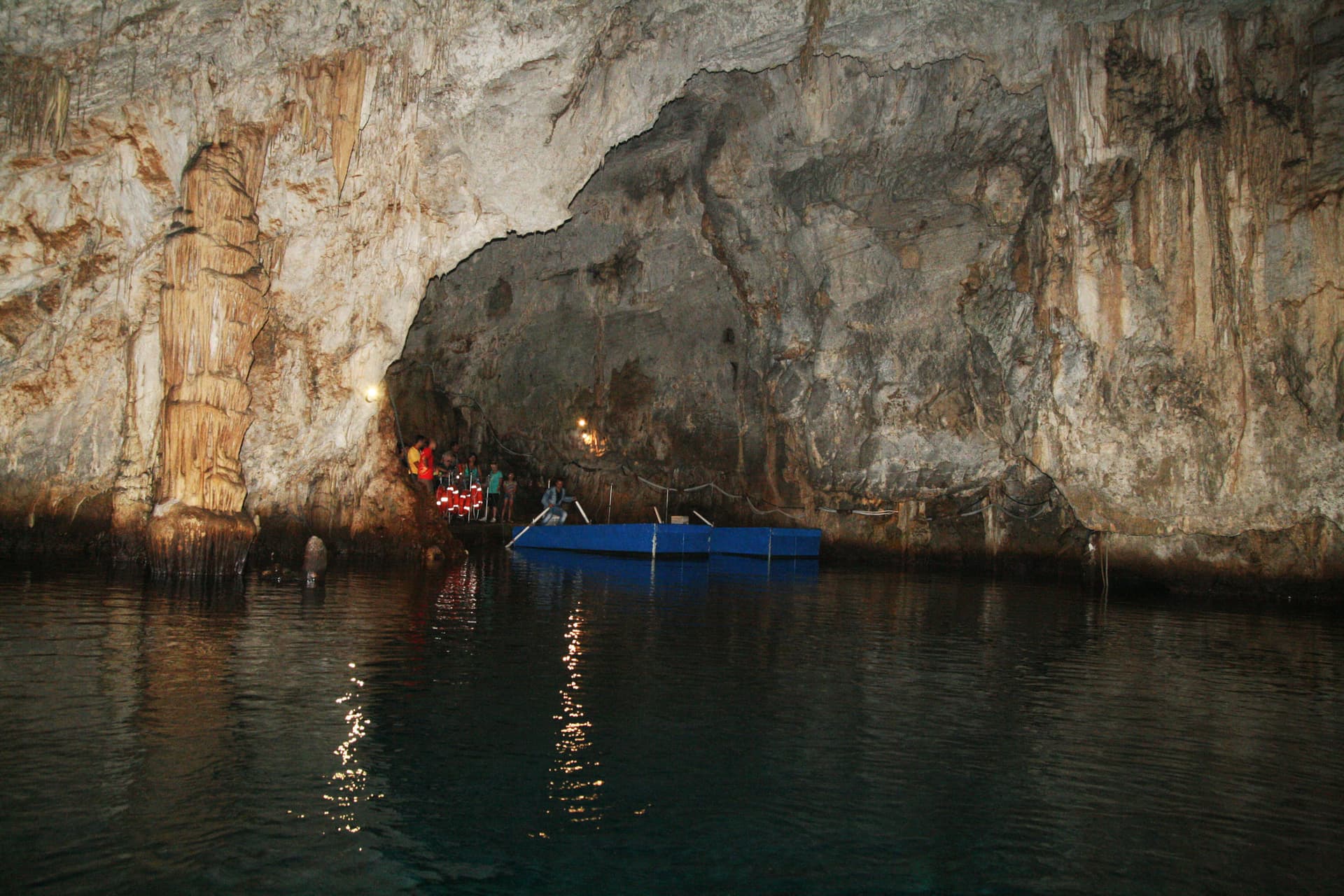
If you're interested in coastal scenery and boat access, you could take a morning trip from Marina Piccola to the Emerald Grotto or Blue Grotto and return by early afternoon, then explore the town proper. Alternatively, use Marina Piccola as a calm break from town sightseeing.
Sample visit plan
Arrive at Marina Piccola in late morning, when the sun is high but the afternoon crowd hasn't arrived. Spend 30 minutes to an hour exploring the harbor, taking photographs, and observing the boats and activity. If swimming appeals to you and conditions permit, spend 20 to 30 minutes in the water. Eat a light lunch at one of the waterfront restaurants, lingering until mid-afternoon. Ascend the stairs back to town at a leisurely pace, taking breaks on the landings if needed. Use late afternoon to explore Piazza Tasso and the cathedral, then return to your accommodation or a restaurant for dinner.
This plan works best in shoulder seasons (April to May, September to October) when crowds are manageable and the weather is stable. In high summer, arrive earlier to avoid the peak heat and afternoon congestion.
Practical tips
- Wear slip-resistant shoes with good ankle support; the stairs are steep and the stone is smooth
- Bring a light jacket or sweater; the harbor can be significantly cooler than town, especially in morning or evening
- If swimming, enter the water carefully and check with locals or restaurants about current conditions
- Restaurants at the marina are more expensive than those uphill; budget accordingly if you plan to eat there
- Visit early in the day if you want to avoid crowds and heat
- Allow at least 45 minutes round-trip if you're only making a quick stop; the stairs demand a slower pace than normal walking
- Boat rental and tour operators typically take cash or cards; confirm before committing
FAQ
Can you drive to Marina Piccola? No. Access is only by foot via the stone stairs. The marina is not accessible by car.
Is the water clean for swimming? Generally yes, though conditions vary by day and season. Ask a restaurant owner or boat operator for current conditions before entering. The water is cold year-round.
Are there lockers or secure storage? No public lockers or storage facilities exist at the marina. Some restaurants may allow you to leave a bag while you swim, but confirm first.
How long does it take to walk down the stairs? Roughly five to ten minutes depending on your fitness and pace. The return climb is noticeably slower for most people, often 10 to 15 minutes.
Can you rent a boat without previous experience? Small boat rentals are available, but operators typically require some boating experience or offer guided trips as an alternative. Ask directly at the marina.
Reviews
Sign in and mark this place visited to leave a review.
No reviews yet.
Free Trip Planner
Plan your Sorrento trip with our free planner
Build a day-by-day itinerary with AI suggestions, hand-picked places, and friends. Free forever — no credit card.