
Moon Temple Machu Picchu
RFX3+5CJ, Aguas Calientes 08680, PeruThe Moon Temple, sometimes called the Great Cave, sits on the back side of Huayna Picchu, the steep peak that rises behind the main Machu Picchu citadel. Most visitors to Machu Picchu never see it, simply because reaching it requires a separate ticket and a real hike. For those willing to make the detour, the Moon Temple offers something the main ruins don't: a quiet, half-hidden sanctuary built into a natural rock overhang, with stonework that suggests ceremonial use rather than the residential or agricultural purposes of most of the citadel's other structures.
This is not a stop you stumble into. You have to choose it, pay for it, and walk for it. That alone changes the character of the visit.
Why the Moon Temple matters
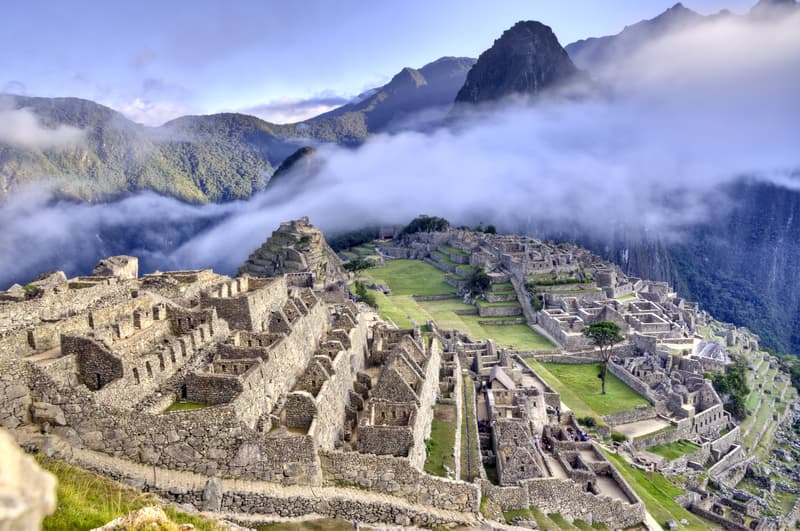
Machu Picchu gets photographed from the classic overlook thousands of times a day, but that view shows only the surface of the site. The Moon Temple represents a different register of Inca construction, one built around a natural cave rather than cleared terrain. The Inca frequently incorporated existing rock formations into their sacred architecture, treating certain outcrops and caverns as inherently powerful places. The Moon Temple is one of the clearest surviving examples of this practice within the wider Machu Picchu complex, and it gives visitors a sense of how the Inca blended landscape and masonry rather than simply building on top of the terrain.
Quick facts
- Location: behind Huayna Picchu, reached via a one-way trail from the Sacred Rock checkpoint
- Access: only possible with a Huayna Picchu ticket (Circuit 3, the Royalty Route)
- Round trip hiking time from the Sacred Rock: roughly 2 to 3 hours
- Daily visitor limit: 200 people
- Terrain: a mix of flat sections, descents, and ascents on narrow stone paths
- Also known as: the Great Cave
Getting there
You reach the Moon Temple from inside Machu Picchu itself, not from a separate entrance. After entering the citadel, plan on about 20 minutes of walking to get to the Sacred Rock, a flat, upright stone slab that echoes the silhouette of the mountains behind it. This is the first checkpoint, and a ranger will check your ticket here before letting you continue.
From the Sacred Rock, the trail moves along fairly level ground at first, then drops down before climbing back up. You'll reach a fork where the path splits, one direction leading up to the summit of Huayna Picchu, the other heading toward the Moon Temple. A second ranger checkpoint sits at this junction, and you'll need to show your ticket again before being waved left toward the temple.
From that point the trail runs one-way until you reach the temple itself, so there's no shortcut or alternate route back. Budget the full 2 to 3 hours round trip, and don't expect to rush it. The path is narrow in places, with stone steps that can be slick after rain, so sturdy footwear matters more here than almost anywhere else in the Machu Picchu complex.
The layout and experience
What sets the Moon Temple apart is the setting. Rather than open terraces and exposed walls, you're walking into a natural cave, with Inca stonework built directly into and around the rock overhang. The effect is almost architectural camouflage. Walls curve to follow the shape of the cavern, and in places it's hard to tell where the natural rock ends and the carved stone begins.
Inside, you'll find niches cut into the walls, which archaeologists generally interpret as spaces for ritual offerings, along with carved platforms that may have served as altars. The stonework here is finely fitted, consistent with the quality seen in Machu Picchu's most important structures, which suggests the site held real significance for whoever used it. Because the chamber sits partly underground and shielded by rock, it stays noticeably cooler and darker than the open sections of the main citadel, giving the whole visit a different feel, more enclosed and deliberate.
Because of the daily cap of 200 visitors and the effort required to get there, you're likely to find the Moon Temple far less crowded than the Sun Temple or the main plaza. Some stretches of trail you may walk entirely alone, with only birdsong and cloud forest around you.
Main highlights
- Intricate stonework: the temple's walls show the same precision cutting and fitting associated with Machu Picchu's most important ceremonial buildings, here applied to the irregular surface of a natural cave
- Carved altars: several platforms and niches point to ceremonial use, though their exact function is still debated among researchers
- Mountain and valley views: the trail segments leading to and from the temple open onto views of the Urubamba River valley and the surrounding peaks
- Relative solitude: the daily visitor cap and the physical effort of the hike mean you'll likely share the space with far fewer people than at the main ruins
History and background
The Moon Temple was built by the Inca as part of the broader Machu Picchu complex, which functioned as a royal estate and religious center rather than a conventional city. Inca builders were known for aligning structures with astronomical events and for integrating natural features, like springs, boulders, and caves, into their sacred geography. The Moon Temple reflects both tendencies. Its name is a modern label rather than a documented Inca term, since the Inca left no written records explaining the specific purpose of the cave, and much of what's said about its ceremonial function is informed inference based on its layout and the character of similar Inca ritual spaces elsewhere in Peru.
Because it lies on the back slope of Huayna Picchu, away from the main cluster of agricultural terraces and residential compounds, the Moon Temple would have required a deliberate detour even for the Inca themselves. That isolation is part of why many historians believe it served a specific ceremonial function rather than a daily, practical one.
Tickets and entry
You cannot visit the Moon Temple on a standard Machu Picchu ticket. Access comes only through the Huayna Picchu mountain ticket, which falls under Circuit 3, often marketed as the Royalty Route. That circuit begins with visits to the Temple of the Sun, the royal residences, and the Sacred Rock, then continues with the hike out to the Moon Temple, a round trip of about three hours from the start of that stretch. On the way back, the circuit wraps up with stops at the Water Mirror, the Temple of the Condor, and the old guardhouse.
Pricing follows the standard tiered structure used across Machu Picchu's tickets, with separate rates for adults, students, and children between 8 and 17. Because only 200 people are permitted onto this circuit each day, tickets sell out well in advance during peak months, so book ahead rather than hoping to arrange it on arrival.
Best time to visit
The dry season, running roughly from April through late December, gives you the best odds of a clear, non-slippery trail and unobstructed views along the way. The rainy season, concentrated from January through March, brings a real risk of slick stone steps on the descent and ascent sections, which can slow the hike considerably and reduce visibility from the overlooks along the route.
Early morning entry slots tend to mean cooler temperatures for the hike and a better chance of catching the valley before afternoon cloud builds up over the peaks.
Practical tips
- Book your Huayna Picchu ticket well in advance, ideally weeks or months ahead during high season, since only 200 spots are released per day
- Wear hiking shoes with real grip. Sections of the trail are steep and uneven, and some steps can be narrow enough to require careful footing
- Bring water and a light rain layer even in the dry season, since weather in this part of the Andes can shift quickly
- There are no official guided tours specifically for the Moon Temple, but hiring a local guide at the main entrance before you start can add useful context you won't get from signage alone
- Treat the site with the same care you would any archaeological structure. Don't touch or lean on the carved stonework, and follow any directions given by the rangers stationed along the trail
- Pace yourself. The round trip runs 2 to 3 hours, and the one-way nature of the trail means there's no quick way to turn back once you've committed
FAQ
Is the Moon Temple included in a regular Machu Picchu ticket?
No. You need the separate Huayna Picchu mountain ticket, which covers Circuit 3 and includes the hike out to the temple along with several other stops.
How difficult is the hike?
It's rated moderate to difficult. Expect flat stretches combined with real descents and climbs on stone steps, so a reasonable level of fitness helps.
Can I visit the Moon Temple without visiting Huayna Picchu's summit?
Yes. At the trail junction past the Sacred Rock, a ranger directs hikers either up to the Huayna Picchu summit or left toward the Moon Temple. You don't need to summit the mountain to reach the temple.
How many people are allowed to visit per day?
Entry is capped at 200 visitors daily as part of the Huayna Picchu ticket allocation, which is part of why advance booking matters.
Visiting the Moon Temple Machu Picchu takes real effort, a ticket booked ahead of time, and a few hours of steep walking, but it rewards you with one of the quieter, more unusual corners of the Machu Picchu complex, a cave sanctuary that most visitors to the site never even know exists.
Reviews
Sign in and mark this place visited to leave a review.
No reviews yet.
Free Trip Planner
Plan your Machu Picchu trip with our free planner
Build a day-by-day itinerary with AI suggestions, hand-picked places, and friends. Free forever — no credit card.
Related reading

Things to see near Moon Temple Machu Picchu


Places to eat or drink near Moon Temple Machu Picchu

Tampu Restaurant at Sanctuary Lodge

Tinkuy Restaurant

Peru Cafe Machupicchu


