Museo Cuevas del Sacromonte. Centro de Interpretación del Valle del Darro.
Closed now
Museo Cuevas del Sacromonte. Centro de Interpretación del Valle del Darro.
Barranco de los Negros, s/n (acceder por, C. Verea de Enmedio, Albaicín, 18010 Granada, SpainOverview
Museo Cuevas del Sacromonte sits in a ravine above Granada's Albaicín neighborhood, offering a rare glimpse into the cave dwellings that once housed Roma families and miners in this corner of Andalucía. The museum combines two experiences: a network of restored caves with period furnishings and domestic objects, and an interpretation center focused on the geography and history of the Darro Valley. It's a place where you can walk through actual living spaces carved into the hillside, seeing how people adapted to life underground in a way that textbooks can't convey.
The site sits on the Barranco de los Negros ravine, accessible via Calle Verea de Enmedio in the Albaicín. This isn't a polished modern museum with glass cases and climate control. Instead, you're moving through authentic cave structures, some still bearing the marks of their original inhabitants, with exhibits placed directly in the spaces where families cooked, slept, and worked.
Why this place matters
Granada's cave dwellings represent a specific chapter in Spanish history that's often overlooked. The Sacromonte caves housed a marginalized community over centuries, and the museum documents how they lived rather than simply telling you they existed. You see the cooking hearths, the niches where belongings were stored, the narrow passages connecting family units. This context matters because it shows adaptation, resilience, and a form of urban life that contradicts the idea that caves were primitive or temporary.
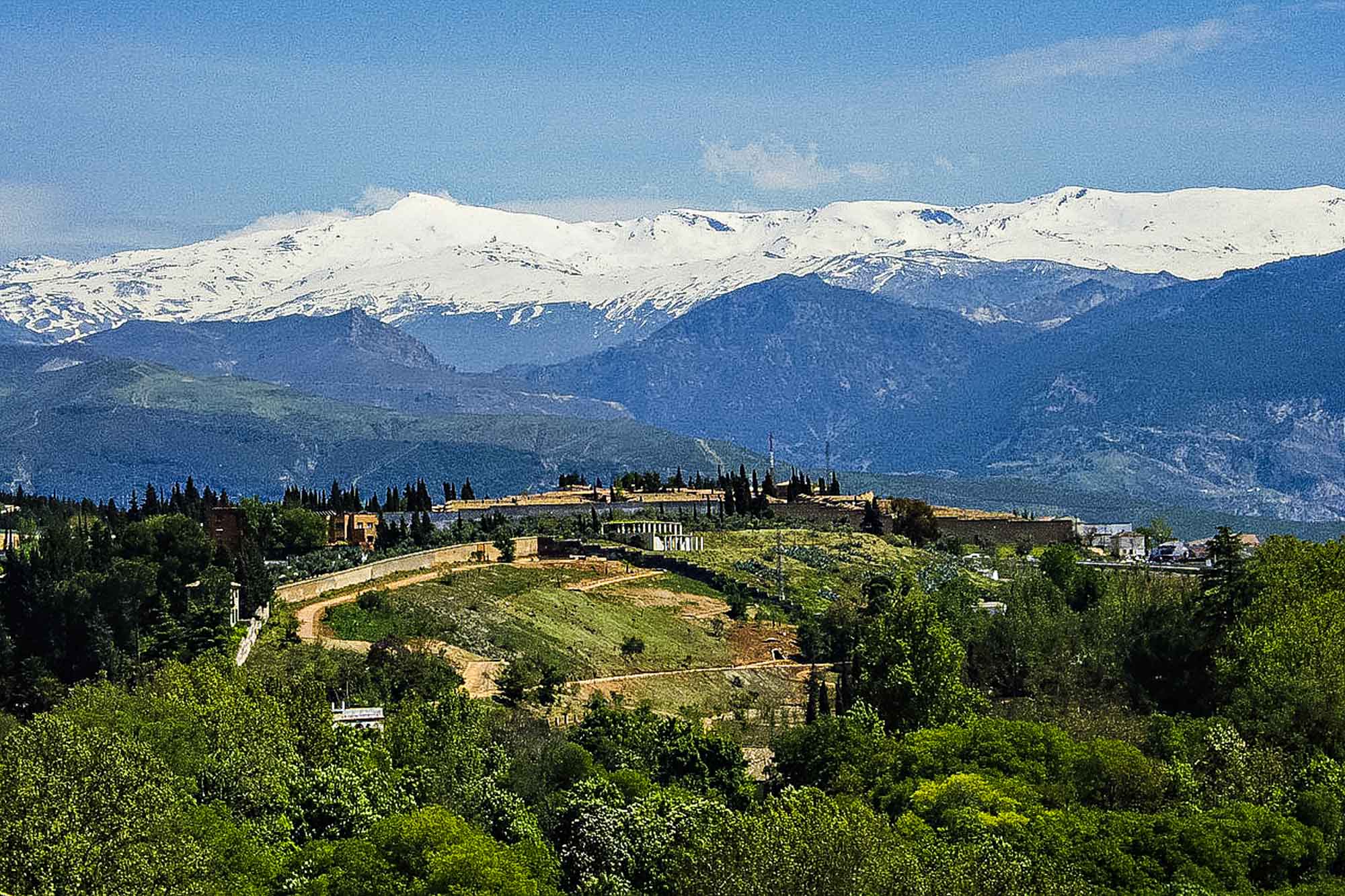
The interpretation center adds another layer by explaining the Darro Valley's geology and water systems. Granada's entire layout was shaped by this valley and its river, and understanding that geography helps you make sense of the city's neighborhoods and architecture when you walk through the Albaicín afterward.
Quick facts
- Location: Barranco de los Negros ravine, Albaicín district, accessed via Calle Verea de Enmedio
- Type: Museum combining restored cave dwellings with interpretation center
- Entry: Requires a ticket; timed entry slots may apply depending on visitor flow
- Duration: Plan 90 minutes to 2 hours for a thorough visit
- Accessibility: Involves climbing stairs and uneven cave floors; not wheelchair accessible
- Parking: Street parking in the Albaicín; no dedicated lot at the site
- Guided tours: Available in Spanish and English; advance booking recommended
Getting there
The museum entrance is on Calle Verea de Enmedio in the Albaicín. If you're coming from the city center, walk north into the Albaicín neighborhood. The street is steep and narrow, typical of this medieval district. Once you reach Calle Verea de Enmedio, look for signage directing you toward the museum entrance. The walk from Plaza Nueva (the main square bordering the Albaicín) takes about 15 to 20 minutes depending on your pace and how often you pause to look around.
Public buses serve the Albaicín, but the final approach to the museum requires walking. There's no car access to the ravine itself. If you're driving, find parking in the lower Albaicín and walk up. Street parking is available but can be tight during peak hours.
The layout and experience
The museum is divided into two main components that work together. The first is the cave network itself, which you navigate on foot following a marked route through restored dwellings. Each cave has been furnished to show how families lived, with original or period-appropriate objects like cooking utensils, textiles, and furnishings. The caves vary in size and condition; some are small single rooms, others are larger family units with multiple chambers connected by passages.
Walking through the caves, you notice the temperature stays cool and stable year-round. The walls bear traces of blackening from cooking fires and the wear patterns of daily use. Some caves retain their original plaster or whitewashing. The route is clearly marked, though you'll encounter stairs, low doorways, and uneven floors. The path is one-way, so you can't backtrack once you've moved forward.
The interpretation center occupies a separate modern space within the complex. Here you'll find exhibits on the Darro Valley's geology, hydrology, and human settlement patterns. Maps, diagrams, and artifacts explain how water shaped Granada's development and how cave dwelling fit into the broader history of settlement in this region. This section is more conventional museum space with controlled lighting and labeled displays.
Main highlights
The most striking element is simply being inside the caves themselves. The scale, the acoustic properties, the quality of light filtering through small windows carved into the rock all create an impression that photographs can't capture. You understand physically why these spaces were chosen and how they functioned.
Several caves stand out. The larger family units show how multiple generations might have shared space. The kitchen caves still have their cooking hearths and storage niches intact. One section demonstrates the typical layout of a Roma household from the 19th and early 20th centuries. Look for the domestic objects on display: pottery, tools, textiles, and furnishings that reveal what daily life actually involved.
The interpretation center's displays on the Darro Valley's water systems are particularly worthwhile. Granada was built around water management, and this museum explains that connection in ways the city's surface streets don't make obvious. You'll see how irrigation networks, mills, and settlements followed the river and its tributaries.
History and background
Cave dwelling in the Sacromonte area dates back centuries, though the population expanded significantly in the 18th and 19th centuries. Roma families and working-class residents carved or expanded caves in the ravines surrounding Granada, creating neighborhoods that were largely invisible to the wealthier districts above. These weren't temporary shelters but permanent homes, some occupied for generations.
The caves served multiple purposes over time. Some housed miners working the ravine. Others were home to families engaged in agriculture, textile work, or day labor. By the 20th century, the cave neighborhoods were increasingly marginalized, and many families relocated as Granada modernized. The caves fell into disrepair or were abandoned entirely.
The museum project began in the 1990s as an effort to preserve and interpret this history rather than let it disappear. The restoration work was careful to maintain authenticity while making the caves safe and accessible for visitors. The interpretation center was added later to provide broader context about the valley and its role in Granada's development.
Tickets and entry
General admission includes access to both the cave network and the interpretation center. Children under a certain age may enter free or at a reduced rate; families sometimes qualify for combined pricing. Guided tours in Spanish and English are available and are worth booking in advance, especially during peak tourist seasons. The guide can provide details about individual families who lived in the caves and explain the specific features of each space in ways that self-guided visits might miss.
Timed entry slots are used to manage visitor flow and prevent overcrowding in the narrow passages. Arrive early in the day if you haven't booked a specific time slot, as availability can fill up quickly in summer months.
Best time to visit
The caves maintain a cool temperature year-round, which makes them pleasant to explore in summer when the city above is very hot. Spring and fall offer comfortable weather for the walk up to the site and clear visibility for the views across the Darro Valley. Winter is quieter but the ravine can be damp.
Avoid mid-afternoon in July and August when both the city and the ravine draw large tourist crowds. Early morning visits tend to be less crowded and offer better light for photography inside the caves. Weekday mornings are typically quieter than weekends.
Photography tips
The interior cave lighting is dim and uneven, which makes photography challenging. Bring a camera or phone that performs well in low light. A tripod won't be practical given the narrow spaces and marked routes, but a higher ISO setting and slower shutter speed will help you capture detail without flash (which is generally discouraged to preserve the cave environment).
The views from the ravine terraces offer good opportunities for exterior shots of the hillside, the cave openings, and the Albaicín neighborhood beyond. The late afternoon light across the ravine can be dramatic. Avoid shooting directly into cave entrances as the backlit contrast is difficult to manage.
Facilities and preparation
There's a small visitor center with restrooms and a modest gift shop. Water is available. The caves themselves have minimal facilities, so use the restrooms before you begin the route. Bring water if you plan to spend more than an hour exploring.
Wear comfortable, closed-toe shoes with good grip. The cave floors are uneven and can be slippery, especially if there's been recent moisture. The route involves climbing stairs and navigating narrow passages, so it's not suitable for very young children or people with mobility restrictions. The caves stay cool, so bring a light layer even if it's warm outside.
The visit involves active movement through confined spaces. If you're claustrophobic or uncomfortable in tight areas, this may not be the right experience for you.
Combining with nearby attractions
The Albaicín neighborhood itself is the primary companion experience. Once you leave the museum, you're already in the heart of this medieval district. Wander the narrow streets, visit the Iglesia de San Nicolás for views toward the Alhambra, or stop at a traditional tea house. The neighborhood has numerous small shops, restaurants, and cafes that reward aimless exploration.
The Alhambra is accessible from the Albaicín via steep paths or by walking around to the main entrance on the south side. Many visitors combine a morning at the Cuevas del Sacromonte with an afternoon at the Alhambra, though that's a full day and you'll be doing a lot of walking and climbing.
The Darro River itself runs through a valley below the Albaicín. Walking along the Paseo de los Tristes (a street that follows the old riverbed) offers a different perspective on the valley's geography and brings you closer to the water that shaped the city's layout.
Sample visit plan
Arrive at the museum entrance by mid-morning. If you've booked a guided tour, confirm your time slot. Allow 90 minutes to two hours for the full experience: roughly an hour in the caves and 30 to 45 minutes in the interpretation center. After you finish, spend another hour wandering the Albaicín's immediate surroundings. Stop for lunch at a local restaurant or cafe in the neighborhood. If energy and time allow, visit the Iglesia de San Nicolás for views, or simply get lost in the maze of streets and alleyways, which is often the best way to experience this neighborhood.
Practical tips
- Book a guided tour in advance during peak season to secure a time slot
- Wear shoes with good grip and bring a light layer despite warm weather outside
- Visit early in the day for smaller crowds and better light in the caves
- Use the restroom before you start the cave route; facilities are limited
- The Albaicín is best explored on foot; don't try to drive to the museum entrance
- Bring water and plan for the physical effort of climbing stairs and navigating uneven terrain
- The interpretation center provides valuable context; don't skip it to save time
FAQ
How long does a visit typically take? Plan 90 minutes to two hours for the caves and interpretation center combined. Add another hour if you explore the surrounding Albaicín neighborhood.
Is the museum accessible for people with mobility issues? No. The caves involve climbing stairs, navigating narrow passages, and walking on uneven floors. It's not wheelchair accessible and not recommended for people with significant mobility restrictions.
Do I need to book a guided tour or can I explore on my own? Self-guided visits are possible, but a guide adds substantially to the experience by explaining the history of individual families and specific features of each cave. Guides are particularly valuable if you want to understand the social context of cave dwelling.
What's the difference between this museum and other cave sites in Granada? Museo Cuevas del Sacromonte focuses on residential cave dwellings and valley geography rather than geological formations or archaeological sites. The caves here are furnished to show how families lived, not preserved as empty structures.
Can I visit just the caves or just the interpretation center? Entry typically includes both. They're presented as a single experience, though you can move through them in either order depending on how you prefer to approach the subject.
Opening hours
Reviews
Sign in and mark this place visited to leave a review.
No reviews yet.
Free Trip Planner
Plan your Granada trip with our free planner
Build a day-by-day itinerary with AI suggestions, hand-picked places, and friends. Free forever — no credit card.