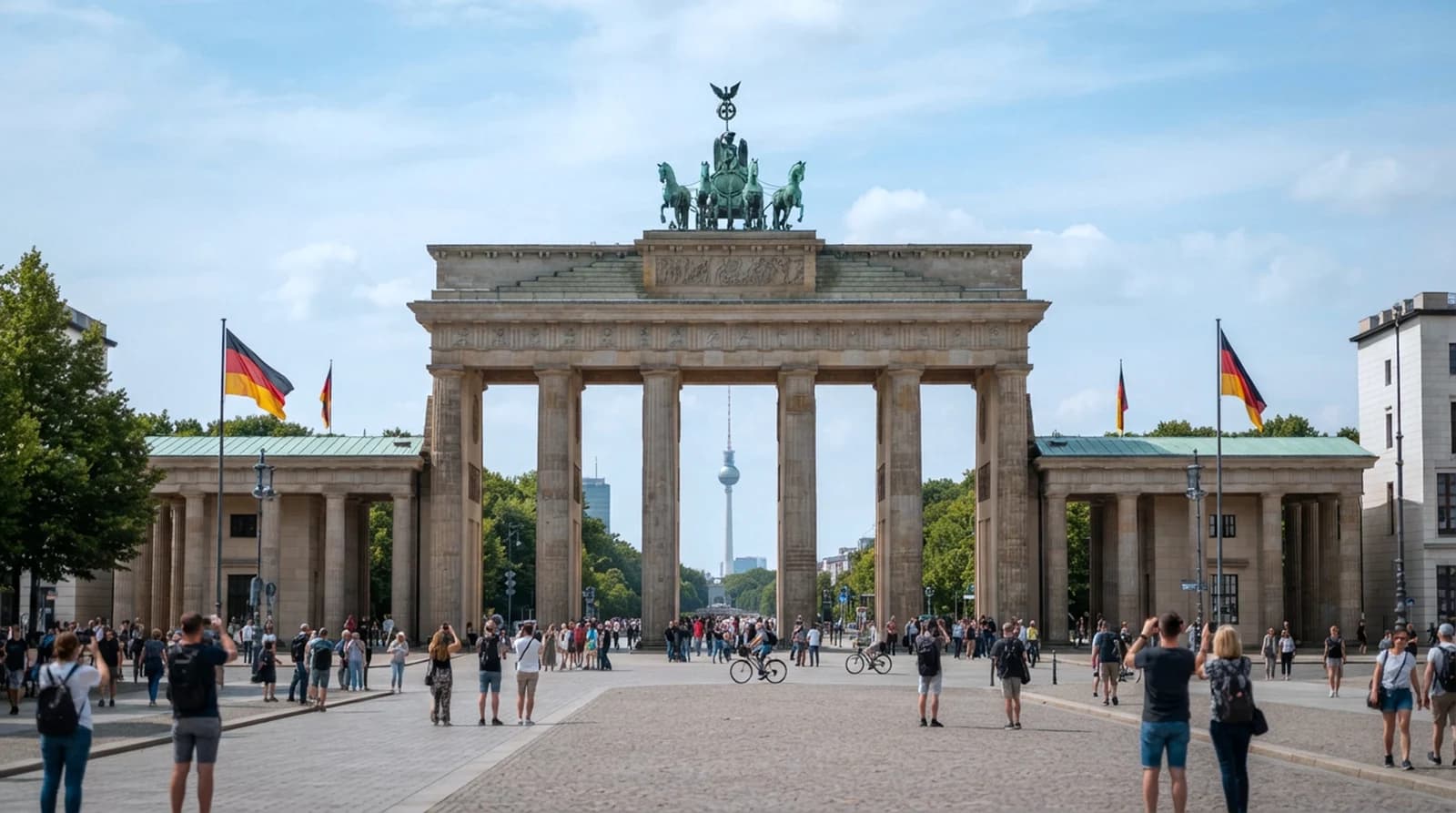
Museum Island
Museum Island, 10 Berlin, GermanyMuseum Island, Berlin: One of Europe's Great Cultural Complexes
Museum Island sits in the middle of the River Spree in central Berlin, a narrow strip of land that holds five of Germany's most important museums within a few minutes' walk of each other. UNESCO added it to the World Heritage List in 1999, recognizing it as one of the most remarkable concentrations of museum architecture anywhere on the continent. If you only have a single day in Berlin and want to understand why the city became a cultural capital, this is the place to spend it.
The island occupies the northern tip of the Spreeinsel, wedged between the Spree and the Kupfergraben canal, directly north of the Berlin Cathedral and a short walk from Alexanderplatz. It is not a quiet or overlooked spot. On most days the courtyards fill with school groups, art historians, and tourists who have planned their visit around a specific collection. That mix gives the place an energy that purely reverent cultural sites often lack.
Why Museum Island Matters
The five museums here collectively house artifacts spanning roughly six thousand years of human civilization. The Pergamon Museum alone contains the reconstructed Pergamon Altar, the Market Gate of Miletus, and the Ishtar Gate from Babylon. These are not replicas. They are the actual objects, transported to Berlin during the late 19th and early 20th centuries and reassembled inside buildings purpose-built to contain them.
That history is complicated, and worth knowing before you arrive. Much of what fills these galleries came to Berlin through colonial-era excavations and acquisitions that are now the subject of ongoing repatriation conversations. Engaging with the collections honestly means sitting with that tension alongside the genuine awe the objects inspire.
The architecture is itself part of the draw. Karl Friedrich Schinkel designed the Altes Museum in 1830, and it remains one of the finest neoclassical buildings in Northern Europe. Each subsequent museum on the island was built to dialogue with its neighbors, creating an ensemble that feels deliberate rather than accumulated.
Quick Facts
- Five museums: Pergamon Museum, Bode Museum, Neues Museum, Alte Nationalgalerie, Altes Museum
- UNESCO World Heritage Site since 1999
- Located on the Spree island in Berlin-Mitte, adjacent to the Berlin Cathedral (Berliner Dom)
- The Altes Museum opened in 1830, making it the oldest building in the complex
- The Pergamon Museum's main hall has been under partial renovation since 2023 and will remain so for several years
- A combined Museum Island day ticket covers all five museums and represents meaningful savings over individual entry
- Most museums are closed on Mondays
- The nearest S-Bahn station is Hackescher Markt, roughly 5 minutes on foot
Getting There
The easiest approach is from Hackescher Markt S-Bahn station, which puts you at the northern edge of the island in about five minutes on foot. From Alexanderplatz, the walk along Karl-Liebknecht-Strasse takes around ten minutes and passes the Berlin Cathedral, which serves as a useful landmark. Tram lines also stop along Am Lustgarten, directly in front of the Altes Museum.
Cycling is practical here. Berlin's bike infrastructure runs along both sides of the Spree, and there are racks near most museum entrances. If you are coming from the west, the route along Unter den Linden is flat and direct. Driving into the area is genuinely not worth the effort given limited parking and the density of pedestrian traffic around the island.
The Layout and Experience
The five buildings are clustered tightly enough that you can move between them without losing your bearings, but each has its own entrance and ticketing. The Altes Museum and the Neues Museum face the Lustgarten, a large open square on the western side of the island. The Alte Nationalgalerie sits just behind them. The Bode Museum occupies the northern tip of the island, facing the Spree on both sides, and is one of the more visually dramatic buildings on the waterfront. The Pergamon Museum fills the center of the island.
Plan for your legs to get tired. Even a focused visit to two museums will involve significant walking, and the Pergamon Museum's main hall requires you to crane your neck upward for extended periods. Comfortable shoes matter more here than at almost any other site in Berlin.
The outdoor spaces between buildings are worth slowing down for. The Kupfergraben canal path on the eastern side of the island is quieter than the Lustgarten and offers good views of the museum facades from across the water. On warm evenings, people sit on the steps along the canal with food from the kiosks nearby.
Main Highlights
Pergamon Museum
The Pergamon is the most visited of the five, and for most people it is the reason they come to Museum Island at all. The Ishtar Gate from Babylon, constructed around 575 BCE under King Nebuchadnezzar II, is covered in glazed blue tiles and stands tall enough that you genuinely feel small in front of it. Note that the main hall housing the Pergamon Altar is currently closed for renovation, so check the museum's current exhibition status before building your itinerary around it.
Neues Museum
The Neues Museum is home to the bust of Nefertiti, one of the most recognized objects in any museum anywhere. The building itself was heavily damaged in World War II and left as a ruin for decades. British architect David Chipperfield oversaw its reconstruction, completed in 2009, in a way that preserves the war damage as part of the building's story rather than erasing it. The result is genuinely moving.
Alte Nationalgalerie
The Alte Nationalgalerie holds 19th-century European painting and sculpture, including a strong collection of German Romanticism. Caspar David Friedrich is well represented here. The building, which opened in 1876, resembles a Corinthian temple raised on a high podium and looks especially good in late afternoon light.
Bode Museum and Altes Museum
The Bode Museum focuses on sculpture and Byzantine art, and its domed entrance hall is one of the more underrated interior spaces in Berlin. The Altes Museum houses Greek and Roman antiquities and is worth visiting as much for Schinkel's rotunda, modeled on the Pantheon in Rome, as for the collections themselves.
Tickets and Entry
Each museum charges general admission individually, but the Museum Island day ticket covers all five and tends to work out considerably cheaper if you plan to visit more than two. Timed entry tickets for the Neues Museum in particular can sell out, especially on weekends, so booking online in advance is advisable rather than optional. The Pergamon Museum's ticketing situation shifts with the ongoing renovation, so check directly with the Staatliche Museen zu Berlin website before you go.
Visitors under 18 enter free at all five museums. The Berlin WelcomeCard and the Berlin Museum Pass both include Museum Island access, which can make sense if your trip involves multiple museum days across the city.
Best Time to Visit
Weekday mornings, especially Tuesday through Thursday, are consistently the least crowded. Saturday afternoons in summer are the most congested, particularly around the Neues Museum and the Pergamon. If you arrive when the museums open, you will often have the Nefertiti bust to yourself for a few minutes before the first tour groups arrive. That window closes quickly.
Berlin's weather between May and September is generally pleasant for the outdoor walks between buildings. Winter visits have their own appeal: the light inside the museums feels warmer, the crowds thin noticeably, and the Bode Museum's entrance hall looks particularly good in December when the city has its holiday atmosphere.
Photography Tips
Photography is permitted in all five museums without flash, though individual objects occasionally have restrictions. The Nefertiti bust is the most photographed object on the island, but the line of people waiting to photograph it can itself become the subject of an interesting shot. The Ishtar Gate photographs best from a distance, where you can capture the full scale. For exterior shots, the Bode Museum's northern facade reflected in the Spree is one of the classic Berlin images, and early morning gives you the reflection without tour boats cutting through the frame.
Combining with Nearby Attractions
The Berlin Cathedral is immediately adjacent to the Lustgarten and worth at least a look from outside. The DDR Museum, which covers everyday life in East Germany, sits directly across the Spree from the island and takes about ninety minutes to get through. Hackescher Markt, five minutes north, has a concentration of good cafes and restaurants if you need a break between museums. The Humboldt Forum, a reconstructed Baroque palace on the southern end of the Spreeinsel, is a ten-minute walk and represents a very different approach to presenting cultural heritage.
Practical Tips
- Book timed-entry tickets for the Neues Museum online, especially on weekends or in summer
- Check the Pergamon Museum's current renovation status before your visit, as accessible areas change
- The combined Museum Island day ticket is the most economical option if you plan to visit more than two museums
- Most museums close on Mondays, so plan accordingly
- Bag storage is available at each museum, useful if you are carrying luggage between stops
- Audio guides are available for rent at individual museums and are worth it at the Pergamon and Neues Museum in particular
- The Lustgarten square outside the Altes Museum is a good spot to eat lunch if the weather cooperates
- Allow at least half a day for a focused visit to two museums, and a full day if you want to cover all five seriously
FAQ
Can I visit all five museums in one day?
Technically yes, but you will be rushing through each one. Most visitors find two or three museums in a single day more satisfying than a surface-level pass through all five. If all five is your goal, start when the doors open and be selective about what you stop for.
Is the Pergamon Altar currently accessible?
The main hall housing the Pergamon Altar has been closed for renovation since 2023 and is expected to remain closed for several years. The museum is still open and other major works, including the Ishtar Gate and the Market Gate of Miletus, remain on display. Check the Staatliche Museen zu Berlin website for current access details.
Is Museum Island suitable for children?
It depends heavily on the child and the museum. The Pergamon and Neues Museum tend to engage younger visitors through sheer scale and visual impact. The Alte Nationalgalerie, which is primarily painting and sculpture, often works better for older children or teenagers. Under-18 admission is free at all five museums.
How far in advance should I book tickets?
For weekday visits outside summer, a few days ahead is usually sufficient. For weekend visits between June and September, booking a week or more in advance for the Neues Museum is a sensible precaution.
Reviews
Sign in and mark this place visited to leave a review.
No reviews yet.
Free Trip Planner
Plan your Berlin trip with our free planner
Build a day-by-day itinerary with AI suggestions, hand-picked places, and friends. Free forever — no credit card.