
Nishiki Market Shopping District
Nakauoyacho, Nakagyo Ward, Kyoto 604-8054 Kyoto Prefecture Posted by Brandon B.Admin
Nishiki Market: Kyoto's Most Alive Shopping Street
Nishiki Market has fed and fascinated Kyoto for centuries. Running east to west through Nakagyo Ward, this narrow covered arcade stretches roughly 400 meters and packs in more than a hundred shops and stalls selling pickled vegetables, fresh tofu, grilled skewers, knives, tea, and things you won't find anywhere else in Japan. Locals call it "Kyoto's Kitchen," and that nickname earns its keep the moment you step inside.
It doesn't look like much from the street. The entrance off Teramachi-dori is easy to walk past. But once you're inside, the market opens up into something genuinely hard to describe without sounding like a brochure. The smells arrive before you have time to get your bearings.
Why Nishiki Market Matters
Kyoto developed a food culture unlike anywhere else in Japan, partly because of its landlocked geography. Cut off from easy access to fresh ocean fish, the city's cooks became experts in preservation: fermented vegetables, dried goods, freshwater ingredients, and intricate preparations that stretch seasonal produce as far as it will go. Nishiki is where you see that tradition still working in daily life, not just in museum displays.
The market has operated on this site since at least the Muromachi period, with records linking it to a fish wholesale district that dates back several hundred years. By the Edo period it had expanded into the broader food market it resembles today. That kind of continuity is rare even in Japan.
Quick Facts
- Location: Nakauoyacho, Nakagyo Ward, running parallel to and one block north of Shijo-dori
- Length: Approximately 400 meters from Teramachi-dori in the east to near Nishiki Tenmangu shrine in the west
- Number of shops: Over 100 individual vendors and stalls
- Market nickname: "Nishiki no Daidokoro" (Nishiki's Kitchen) or simply "Kyoto's Kitchen"
- Covered arcade: Yes, fully roofed and walkable in any weather
- Entry: Free to enter and walk through
- Best days: Weekday mornings tend to be quieter than weekends
Getting There
The easiest approach is from Shijo-Karasuma Station on the Hankyu Kyoto Line or the Karasuma subway line. From the station, walk east along Shijo-dori for about five to seven minutes until you see the Nishiki Market entrance sign pointing north. You can also approach from the Teramachi shopping arcade side, which puts you at the market's eastern entrance almost immediately.
If you're coming from Gion or the Yasaka Shrine area, the walk along Shijo-dori takes around ten to fifteen minutes. Kyoto City Bus lines stop nearby on Shijo-dori as well. There's no parking lot attached to the market itself, so arriving on foot or by public transport is the practical choice.
The Layout and Experience
The arcade runs in a mostly straight line, narrow enough that two people walking side by side will brush shoulders with someone coming the other direction during peak hours. That compression is part of what makes it feel alive. Shops sit right up against each other, and the vendors tend to keep their front displays out into the walkway.
Broadly speaking, the eastern end near Teramachi has more souvenir and gift shops mixed in with food vendors. As you move west, the market gets more ingredient-focused: pickled vegetables sold by weight, fresh yuba (tofu skin), specialty dashi shops, and seafood. The western end near Nishiki Tenmangu shrine has a small plaza where the market opens up slightly before ending.
Most stalls have some version of a "try before you buy" setup. Pickled daikon, sesame-crusted mochi, small cups of dashi broth, skewered octopus balls. You're not expected to buy everything you sample, but buying something from a vendor you've just tasted from is standard courtesy.
Main Highlights
Kyoto-style Pickles (Tsukemono)
Several shops along the arcade specialize entirely in tsukemono, the pickled and fermented vegetables that Kyoto cuisine treats as an art form. Senmaizuke (thinly sliced turnip pickled with kombu) is the most famous local variety. You can usually buy small vacuum-packed portions suitable for carrying home, or taste samples at the counter. The colors alone are worth stopping for.
Fresh Tofu and Yuba
Kyoto has historically been one of Japan's tofu capitals, and Nishiki reflects that. A few dedicated tofu shops sell fresh blocks, seasoned varieties, and yuba in multiple forms. Eating a small cup of fresh warm tofu with a few drops of soy sauce while standing at the counter is one of those simple market pleasures worth building into your visit.
Grilled Skewers and Street Food
Octopus balls (takoyaki-style), grilled chicken, chewy fish cakes on sticks, and sweetened skewers of mochi appear at regular intervals. This is walkable eating done properly. Budget for a few hundred yen per skewer and plan on stopping four or five times.
Knives and Kitchen Tools
Kyoto and the broader Kansai region have a deep tradition of blade-making, and a handful of shops in Nishiki sell high-quality Japanese kitchen knives. These aren't souvenir-grade items. You can watch staff demonstrate the sharpness, and some shops will engrave a blade while you wait. If you're a serious cook, this is one of the better places in Japan to buy a knife outside of Osaka's Doguyasuji district.
Nishiki Tenmangu Shrine
At the western end of the market sits a small Shinto shrine dedicated to Sugawara no Michizane, the scholar-deity associated with learning and good fortune. It's easy to miss if you're focused on the stalls, but worth a brief stop. The contrast between the commercial bustle of the market and the quiet of the shrine twenty steps away is the kind of thing Kyoto does repeatedly and well.
Best Time to Visit
Weekday mornings, particularly before 11am, give you the market at its most functional. Vendors are restocking, the produce is fresh, and you can actually stop and look at things without being moved along by the crowd. This is also when you're most likely to see locals shopping rather than tourists photographing.
Weekends and national holidays can get genuinely crowded, especially between noon and 3pm. The arcade is narrow enough that it becomes uncomfortable when packed. If a weekend visit is your only option, aim for when the market opens rather than midday.
Seasonally, the market shifts its offerings noticeably. Spring brings bamboo shoots and fresh mountain vegetables. Summer means an abundance of eggplant and special cooling preparations. Autumn is peak pickled vegetable season. Winter draws people in for warming broths and hot skewers.
Photography Tips
The overhead roofing creates flat, diffuse light that's actually kind to food photography most of the day. You won't get dramatic shadows, but the colors of the pickles and produce read clearly. Morning light filtering in from the open ends of the arcade can create some warmer tones before 10am.
The market is narrow and crowded, so a wide-angle lens or phone camera works better than anything requiring distance. Vendors are generally fine with photos of their displays, though pointing a camera directly at a person without acknowledgment is poor form anywhere in Japan. A quick nod or gesture tends to resolve it immediately.
Practical Tips
- Cash is still preferred at many individual stalls, though larger shops increasingly accept cards. Carry some yen in small denominations.
- The market is narrow and bags get in the way. A small daypack or shoulder bag is more manageable than rolling luggage.
- Eating while walking is technically discouraged in some parts of Kyoto, but street food is sold specifically for consumption within the market. Use the small standing areas near stalls where vendors have set them up.
- Many individual vendors close on Wednesdays. The market stays open, but you'll find fewer stalls operating.
- If you're buying perishables like fresh tofu or certain pickles, shop toward the end of your visit so you're not carrying them for hours.
- The market connects at its eastern end to the Teramachi and Shinkyogoku covered shopping arcades, which run north-south. These are different in character but make for an easy combined loop.
- Nishiki is free to walk through and there's no entrance ticket of any kind.
Combining with Nearby Attractions
The market sits within easy walking distance of several of Kyoto's most visited areas. Gion is about fifteen minutes east on foot. Nijo Castle is a twenty-minute walk north. The Karasuma shopping district, with its department stores and modern retail, starts just west of where the market ends.
A natural half-day combination is Nishiki Market in the morning, followed by Pontocho Alley (the narrow restaurant lane that runs parallel to the Kamo River) for lunch or dinner. The two streets share a similar compressed, corridor-like character but differ completely in atmosphere and era. Together they give you a decent cross-section of what Kyoto actually does with a narrow piece of real estate.
FAQ
Is Nishiki Market free to visit?
Yes. There's no entrance fee or ticket. You walk in, browse, buy what you like, and leave. Individual purchases at stalls are obviously at the vendor's price.
How long should I plan to spend?
An hour covers the full length comfortably with stops for tasting and browsing. If you're serious about shopping for kitchen goods or want to eat a proper amount of street food, two hours is more realistic.
Can I visit on a rainy day?
The entire market is covered, so rain doesn't affect your visit inside the arcade at all. It's actually one of the better rainy-day options in central Kyoto.
Are the food samples free?
Many vendors offer small tastes freely, yes. It's understood that sampling is part of how you decide what to buy. There's no obligation to purchase, but buying something after sampling is the polite and expected norm.
Is the market suitable for people with dietary restrictions?
It depends on the restriction. Vegetarians and pescatarians will find plenty to eat. Strict vegans or those avoiding gluten will need to ask at each stall, as dashi (fish stock) appears in many preparations that look vegetable-based. English-language menus are not universal, though some larger shops have them.
Reviews
Sign in and mark this place visited to leave a review.
No reviews yet.
Free Trip Planner
Plan your Japan trip with our free planner
Build a day-by-day itinerary with AI suggestions, hand-picked places, and friends. Free forever — no credit card.
Related reading

Things to see near Nishiki Market Shopping District

teamLab Nagai Botanical Garden Osaka

Horyu-ji

Yakushi-ji Temple

Dōtonbori
Places to eat or drink near Nishiki Market Shopping District

The Münch

Rai Rai Tei Ikuno Tatsumi

KITAN HIBIKI YAKINIKU&STEAK
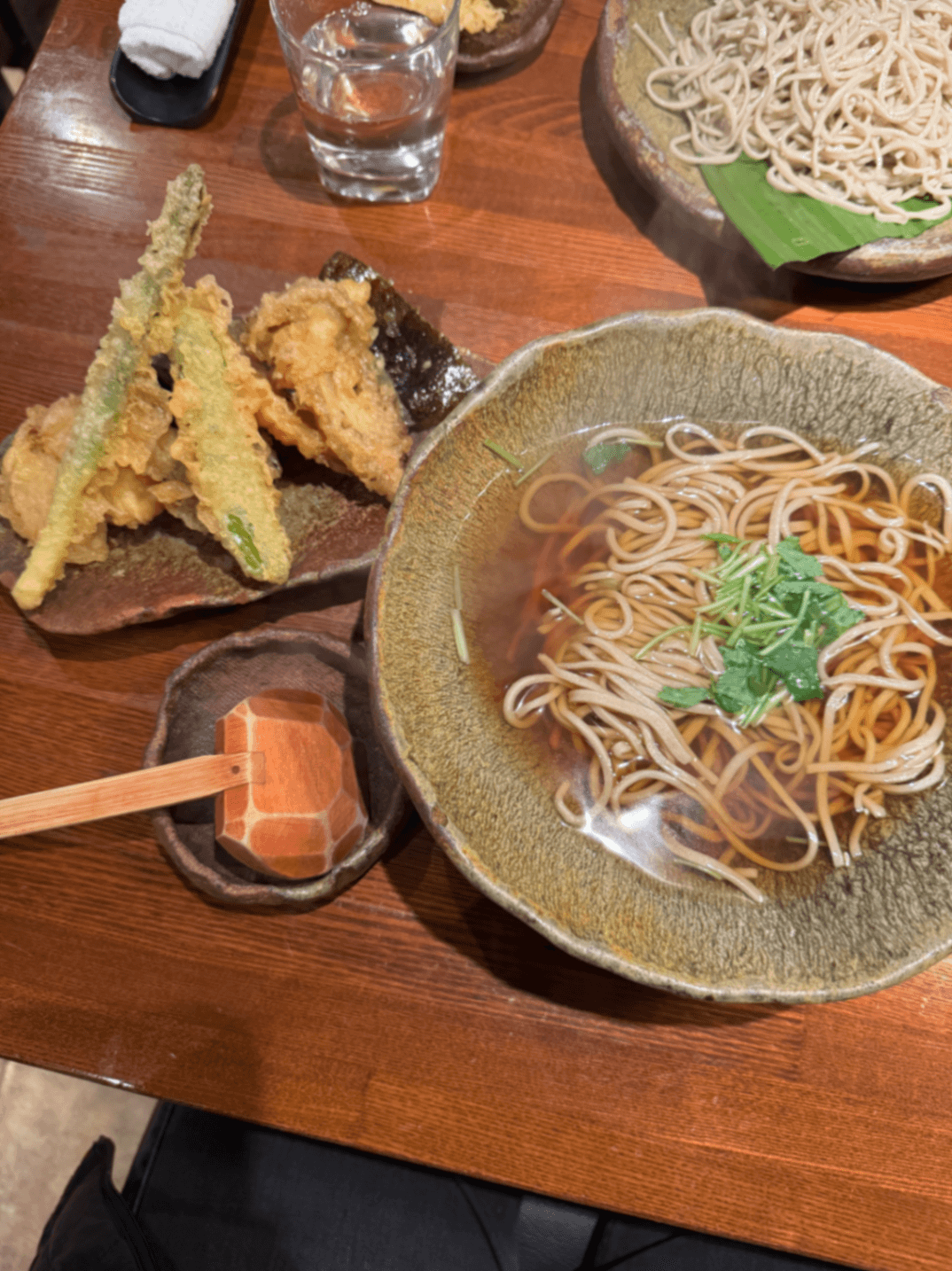
Akari Soba
More places in Kyoto

Rai Rai Tei Uzumasa

Menya Inoichi Hanare

Kiyomizu-dera Temple
