
Templo De La Virgen De Los Dolores
La Purísima, 36267 Gto., MexicoTemplo de la Virgen de los Dolores sits in La Purísima, a small community in the state of Guanajuato, and it has earned an odd kind of fame for something no church architect ever intends: parts of it spend much of the year underwater. The dam built nearby raised the local water table enough to swallow the lower half of the building, turning the nave into something closer to a lagoon than a sanctuary. On the right afternoon, with the light low and the water still, you can paddle a kayak straight through what used to be the center aisle.
It is not a grand colonial basilica and it never pretended to be. What makes it worth the detour is the strangeness of the scene itself, arches rising straight out of still water, a bell tower that still catches the evening sun, and a silence that has nothing to do with worship anymore.
Why Templo De La Virgen De Los Dolores matters
Flooded churches exist elsewhere in Mexico and Central America, usually the result of a reservoir project that submerged an old town along with its church. This one near La Purísima has become one of the more accessible examples in the Bajío region, close enough to Guanajuato city that it works as a half-day trip rather than a full expedition. Photographers and curious travelers come for the reflection shots, families come because kids like boats, and locals sometimes treat it as a swimming spot when the water is warm and the crowds are thin.
There's a melancholy undercurrent to the place too. Whatever the congregation looked like before the water rose, the building was never meant to hold a lake. Walking or paddling through it now feels a little like trespassing on something that used to matter in a very different way.
Quick facts
- Location: La Purísima, municipality in Guanajuato state, Mexico, postal code 36267
- Type: Partially flooded place of worship, now a recreational and photography spot
- Main activity: Kayaking or small boat rides through the submerged nave
- Water level: Variable, rises and falls depending on rainfall and dam management, so the amount of visible structure changes through the year
- Cost to enter area: Typically informal, with boat or kayak rental arranged on site through local families
Getting there
Most visitors base themselves in Guanajuato city or León and drive out from there, since public transit to La Purísima is limited and infrequent. A car gives you the flexibility to leave whenever the light looks good, which matters a lot here since the reflections on the water are the whole point. The last stretch of road into the community is rural, so a higher clearance vehicle helps after heavy rain, though it's generally passable in a regular sedan.
There isn't a formal visitor center or ticket booth. You'll likely park near the edge of the community and walk down toward the water, where local boat operators tend to gather, especially on weekends.
The layout and experience
From a distance the church reads almost normally, a modest facade, a bell tower, maybe a cross still standing. Get closer and the illusion breaks. Water laps against the base of the walls, sometimes just past the foundation, sometimes high enough to reach window ledges, depending on the season and recent rainfall. Inside, where pews and a altar would have stood, you now find open water deep enough to paddle through, with the old stone columns rising up on either side like a flooded colonnade.
Kayaking through the nave is the thing people come for. Local operators rent out kayaks and small rowboats, and a short paddle takes you from what would have been the entrance, under the arches, toward where the altar used to sit. There's no set route or timed entry, so you more or less go at your own pace, drifting between columns and ducking under archways that are now only a meter or two above the waterline in places.
Outside of the church itself, the surrounding reservoir and shoreline make for a pleasant, quiet landscape, the kind of rural Guanajuato scenery that doesn't make it into most guidebooks.
History and background
The broad story is straightforward even if the fine details are hard to pin down precisely: a dam project in the region raised water levels enough to partially submerge the town's old church, leaving the structure standing but unusable in its original form. This pattern repeats across Mexico wherever reservoirs were built near existing settlements, and La Purísima's church is one of the better known local examples, in part because it sits close enough to Guanajuato's tourist circuit for word to spread.
What was once a functioning parish church, serving whatever small community worshipped there, is now effectively a ruin shaped by water rather than time or decay. There's no formal plaque or museum explaining the exact timeline, which adds to its slightly off-the-map feel.
Best time to visit
Water levels shift through the year, so the experience in the dry season can look quite different from the rainy months. When the reservoir is fuller, more of the church sits underwater and the kayaking routes open up further into the structure. When levels drop, you might see more of the walls and floor exposed, which has its own appeal for photography but less for paddling.
Early morning or late afternoon tends to give the calmest water and the best light for photos, since the surface reflects the stone arches and sky most clearly before the wind picks up midday. Weekdays are noticeably quieter than weekends, when families from nearby towns come out for the water.
Practical tips
- Bring cash, since boat and kayak rentals here are informal and run by local families rather than a ticketed operator
- Wear clothes and shoes you don't mind getting wet, since getting in and out of a kayak near the church walls isn't always dry work
- Check recent rainfall or ask locally before you go, since water levels directly affect how much of the church you can actually paddle through
- Pack sun protection, there's little shade around the reservoir
- Combine the visit with a stop in Guanajuato city, since the drive back gives you time to see the city's hillside streets before evening
FAQ
Can you really kayak inside the flooded church?
Yes, local operators rent kayaks and small boats that let you paddle directly through the nave of the church, between the submerged columns and under the surviving arches. How far in you can go depends on current water levels.
How do you get to the flooded church near Guanajuato?
The easiest way is by car from Guanajuato city or León, since public transportation to La Purísima is limited. The final approach is on rural roads leading into the small community.
Is the church always underwater?
No, the water level changes with rainfall and reservoir management, so the amount of the structure visible above water shifts through the year. Some months show more of the walls and floor, others submerge more of the building.
Do you need to book a kayak in advance?
Generally no, rentals are arranged informally on site with local families who operate near the water's edge, though arriving early on weekends helps you avoid any wait.
However you choose to see it, by kayak, on foot along the shoreline, or just from a distance with a camera, Templo de la Virgen de los Dolores offers a strange, quiet detour from the usual colonial church circuit in Guanajuato, a building still standing but no longer entirely on land.
Opening hours
Reviews
Sign in and mark this place visited to leave a review.
No reviews yet.
Free Trip Planner
Plan your Guanajuato trip with our free planner
Build a day-by-day itinerary with AI suggestions, hand-picked places, and friends. Free forever — no credit card.
Things to see near Templo De La Virgen De Los Dolores

Monumento Al Pipila

Jardín de la Unión
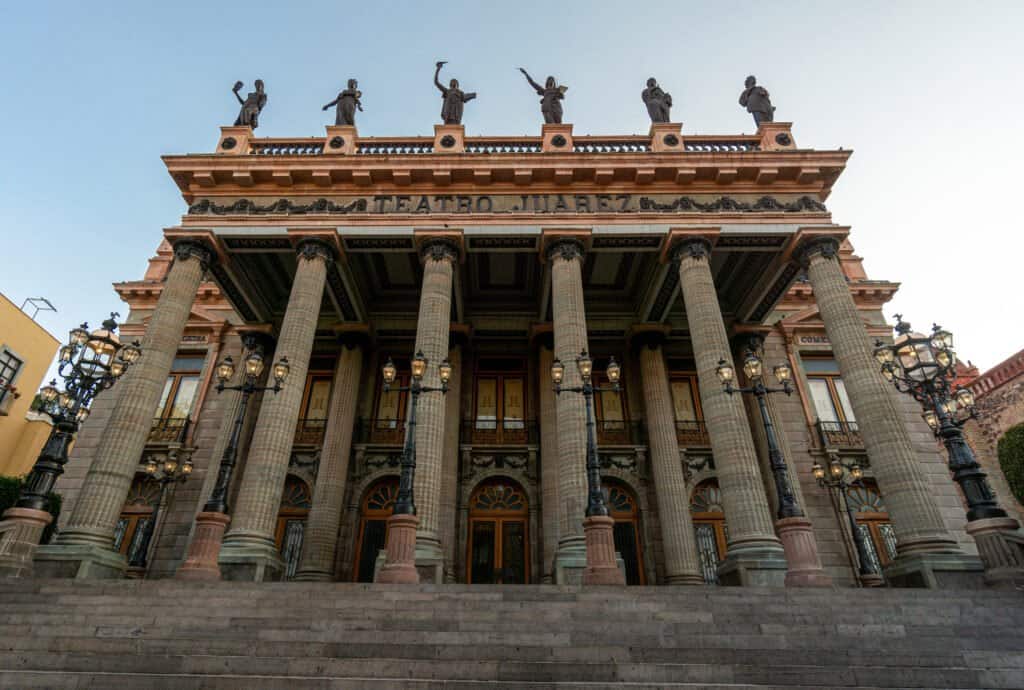
Teatro Juarez
Jardín de la Unión
More places in Guanajuato

El Charco del Ingenio

El Chorro and the Lavanderías

Museo de las Momias de Guanajuato
