
Trinquet de Pelayo
C/ de Pelai, 8, Extramurs, 46007 València, Valencia, SpainTrinquet de Pelayo sits on a quiet street in the Extramurs district, a few minutes' walk from the Estació del Nord, and it does not look like much from the outside. That is part of the point. Behind a plain facade on Carrer de Pelai is a long, narrow court where Valencian pilota, a bare-handed ball game with roots in medieval Europe, has been played continuously since 1868. Locals and the few guidebooks that mention it at all tend to call it the cathedral of the sport, and after a few minutes inside you stop thinking it's an exaggeration.
This is not a museum piece. Matches are still played here, bets are still shouted across the court between points, and the crowd still sits close enough to get hit by the ball. If you want to understand what Valencia was like before tourism reshaped so much of it, this is one of the few places left where you can actually watch it happen rather than read about it on a plaque.
Why Trinquet de Pelayo matters
Valencian pilota is the local branch of a much older family of games, the same one that eventually produced real tennis in France and England. Players strike a hard ball with bare hands wrapped in protective tape, off walls and a sloping gallery, in a format that has barely changed in centuries. Most of the trinquets, the specialized courts built for this game, have disappeared from Spanish cities over the last hundred years. Pelayo didn't. Spanish sports historians regularly cite it as the oldest sports venue still in active use anywhere in the country, which is a notable claim for a city as layered with Roman and Moorish ruins as Valencia.
What makes it worth a visit isn't just the age of the building. It's that the sport survives here in something close to its original social form. The betting isn't a sanitized tourist add-on, it's shouted in real time by an audience of mostly local, mostly older men who have been coming for decades. Nothing on a typical Valencia itinerary, from the Silk Exchange to the Oceanogràfic, resembles this.
Quick facts
- Address: Carrer de Pelai, 8, Extramurs, 46007 València
- Opened: 20 August 1868
- Game played: Valencian pilota, specifically the Escala i corda professional format
- Roofed and renovated: 1976, under the Tuzón family's ownership
- Closure risk: nearly shut down in 2015, reopened in 2017
- Current use: active pilota court and restaurant in the same building
- Nearest major landmark: Estació del Nord, a short walk away
Getting there
Trinquet de Pelayo is in Extramurs, just outside the old city walls despite the name of the district literally meaning "outside the walls." It's an easy walk from the historic center, roughly 10 to 15 minutes from the Torres de Quart or the Mercat Central, and closer still if you're coming from Estació del Nord, Valencia's main train station, which sits only a couple of minutes away on foot. There's no need for a taxi or bus unless you're staying well outside the center. The street itself, Carrer de Pelai, is residential and easy to miss, so it helps to know the building number in advance rather than expect obvious signage.
The layout and experience
The court itself is a long, rectangular corridor, walled on both long sides, with a sloping gallery called the escala running down one side where spectators sit. This isn't stadium seating set back from the action. You are essentially sitting on the edge of the playing surface, close enough that the ball comes into the crowd during play. That's not a safety lapse, it's baked into how the game has always been watched here. Regulars know where to sit and where not to.
Between points, and sometimes during them, you'll hear bets called out across the court. This is legal, longstanding, and completely normal at a trinquet, part of the texture of the sport rather than something tacked onto it for atmosphere. It takes a few minutes of watching to parse what's happening if you don't speak Valencian or follow pilota, but the energy of the room makes the broad strokes clear fast enough.
Since 2017, the venue has run as both a sports hall and a restaurant, with dining built directly into the space. That dual identity is useful to know going in, because it means a search for "Trinquet de Pelayo" online is as likely to surface the restaurant as the court. Both are the same building and, in a sense, the same institution. You can eat here on nights when there's no match, or combine a meal with watching play.
History and background
The trinquet opened on 20 August 1868, next to what would later become the Estació del Nord, on the street that took its name. For most of its history it was open to the sky, a walled outdoor court rather than an enclosed building, which is roughly how courts of this kind were originally built across Spain and France. That changed in 1976, when the Tuzón family bought the venue and roofed and renovated it into something close to what stands today.
The late 20th and early 21st centuries were not kind to pilota venues generally, and Pelayo came close to the same fate as many others. It nearly closed in 2015. It reopened in 2017 with the restaurant built into the building, a move that effectively subsidized the sport by giving the venue a second income stream. Whatever you think of mixing a dining room with a historic sports court, it's probably the reason the trinquet is still standing and still hosting matches rather than existing as a converted event space or, worse, having been demolished.
Tickets and entry
Matches are scheduled rather than daily, so the single most important piece of practical advice is to check the fixture list before you plan a visit. Turning up on a random evening with no match on the calendar means you'll find the court empty. The games to prioritize are the Escala i corda professional matches, the top tier of the sport and the ones most likely to show the game at its fastest and most intense. Tickets are inexpensive by the standards of most spectator sports, and the venue isn't set up for large crowds, so arriving with a little time to spare is worth it if a match is popular locally.
Best time to visit
Evenings tend to be when matches are scheduled, in keeping with the rhythms of a working-class neighborhood sport rather than a tourist attraction with fixed daytime hours. If you're combining a visit with dinner, pairing a match night with a meal at the attached restaurant is the natural way to do it, since the two run on the same calendar. Outside of match nights, there isn't much reason to visit the building itself, so this is one of the few entries on a Valencia itinerary where timing isn't flexible.
Facilities and preparation
Don't expect the amenities of a modern arena. This is an old, working building adapted over time, not redesigned from scratch. Seating on the escala is close to the action and informal rather than assigned in the way of a cinema or theater, so arriving early gets you a better vantage point. The restaurant side of the operation covers food and drink, which is useful since there's little reason to expect concessions in the traditional sporting sense. If you don't follow Spanish or Valencian, don't expect much in the way of English signage or explanation. Going in with a basic sense of how the game works, which side scores, roughly what Escala i corda format means, will make the evening far more legible.
Combining with nearby attractions
Because the trinquet sits right by Estació del Nord, it slots naturally into an evening that starts or ends with a look at the station's own Art Nouveau interior, all ceramic tile and orange-and-lemon motifs, one of Valencia's quieter architectural highlights. The old city center, with the Mercat Central and the Llotja de la Seda, is close enough to combine with a late match without much backtracking. Extramurs itself isn't a tourist neighborhood in the way the center is, so a visit here also gives you a look at an ordinary residential part of the city, which can be a useful counterweight to a day spent in the historic core.
Practical tips
- Check the fixture calendar before setting out. Matches are not daily, and there is no reason to visit on a night without one scheduled.
- Prioritize Escala i corda matches if you have a choice, these are the professional games and the most representative of the sport.
- Expect to sit close to play on the escala. The ball does come into the crowd, and this is normal rather than a hazard to avoid.
- The venue doubles as a restaurant, so it's worth considering dinner there as part of the visit rather than a separate stop.
- Little English is likely to be in use around the court. A basic grasp of the scoring and format beforehand goes a long way.
- It's a short, walkable distance from Estació del Nord, so it's easy to fold into a day that starts or ends at the station.
FAQ
Is Trinquet de Pelayo a restaurant or a sports venue?
Both, run out of the same building. The court has operated since 1868, and a restaurant was built into the space when it reopened in 2017 after a period of financial trouble.
What is Valencian pilota?
A bare-handed ball game, part of the same old European family of handball-style sports that produced real tennis. Players wear protective tape rather than gloves and strike a hard ball off the court's walls.
Is the betting legal?
Yes. Spectators shout bets across the court between points, openly and continuously, and it is a longstanding, legal part of how the game is watched here.
How do I find out when matches are happening?
Fixtures are scheduled rather than run daily, so check listings before you go. The Escala i corda professional matches are the ones worth prioritizing if you have a choice.
Is this easy to combine with other Valencia sightseeing?
Yes. It's a short walk from Estació del Nord and not far from the Mercat Central and the old city center, making it easy to fold into an evening that includes other parts of the city.
Reviews
Sign in and mark this place visited to leave a review.
No reviews yet.
Free Trip Planner
Plan your Valencia trip with our free planner
Build a day-by-day itinerary with AI suggestions, hand-picked places, and friends. Free forever — no credit card.
Related reading
Things to see near Trinquet de Pelayo

Salon Del Reino
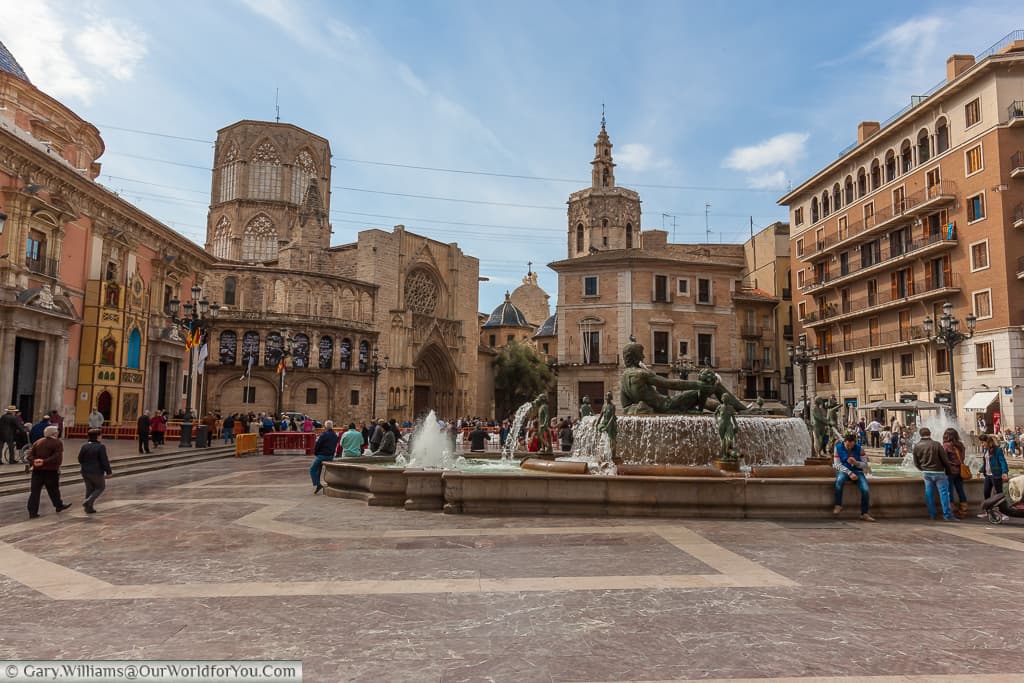
Wander Around Valencia

Mercado Central

La Lonja de la Seda
Places to eat or drink near Trinquet de Pelayo
El Poblet

Keksy Cookies

Atenea Sky

Central Bar
More places in Valencia

Tribunal de las Aguas

Lladró Lounge Bar

Plaza De Toros. Monumental De Valencia
