Villa Cimbrone Gardens
Via Santa Chiara 26, 84010 Ravello Salerno, Italy Posted by Brandon B.Admin
Overview
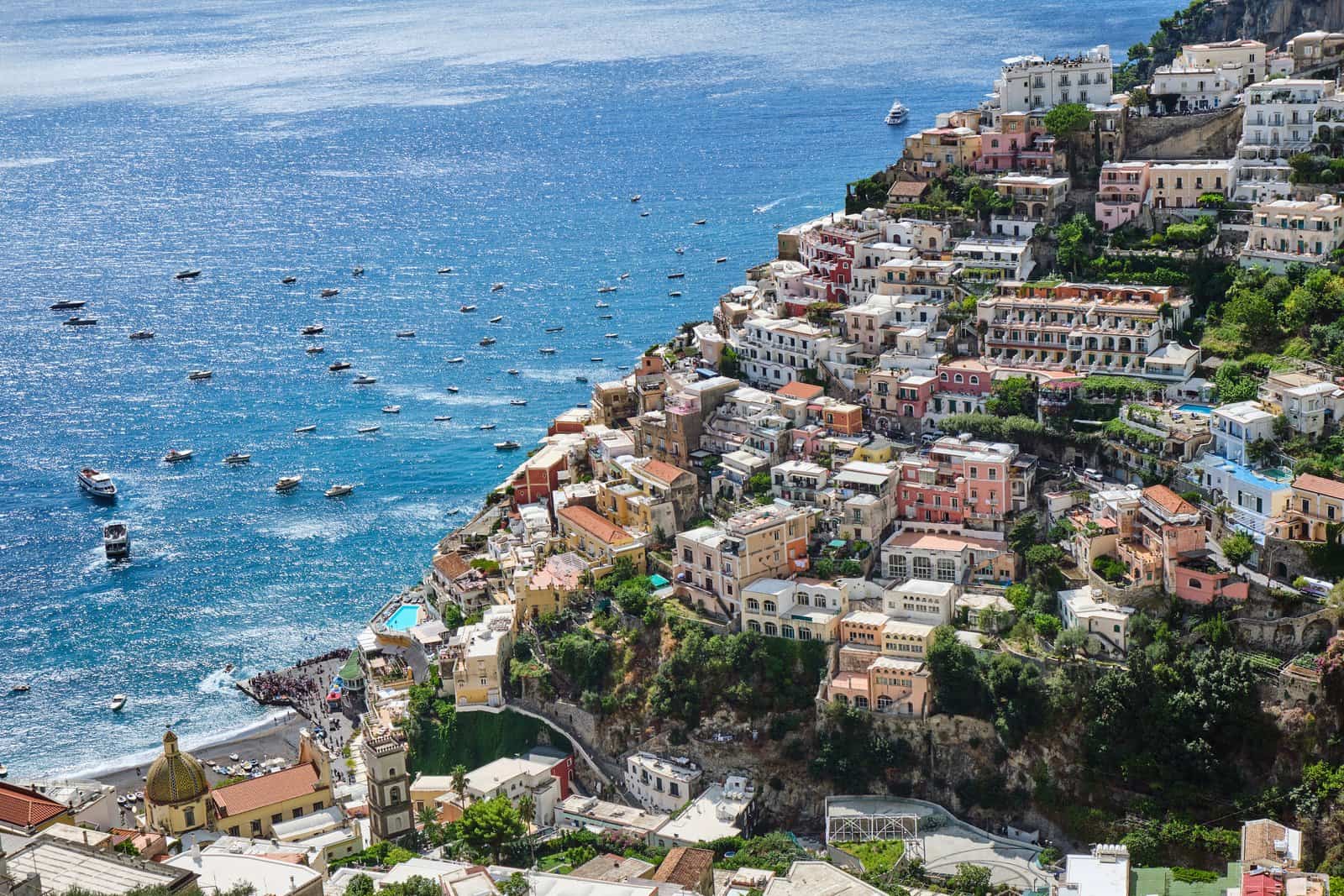
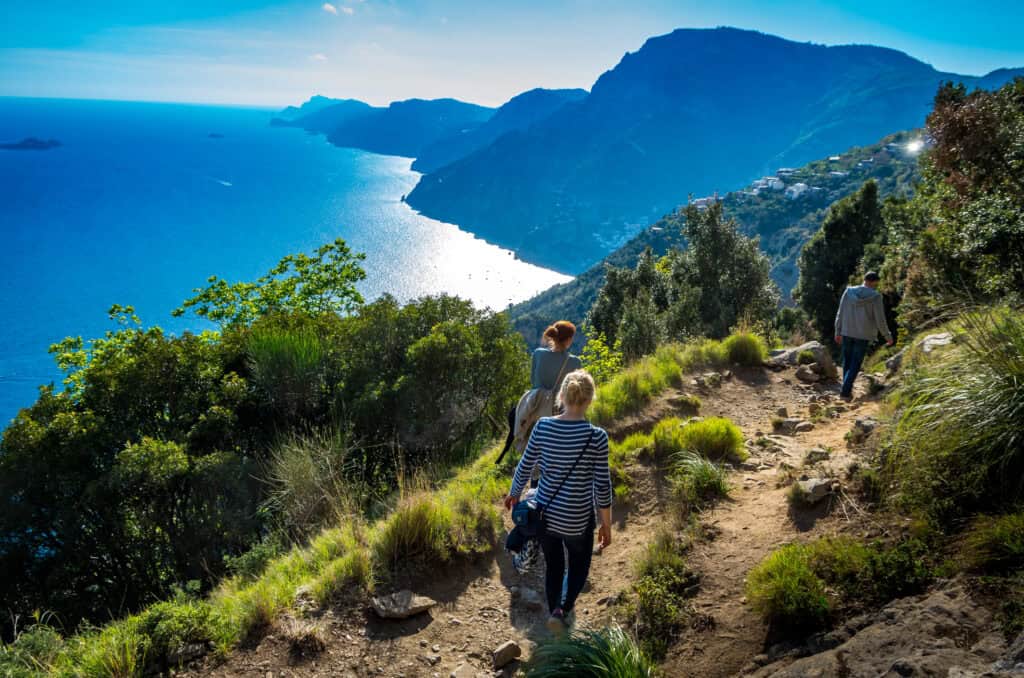
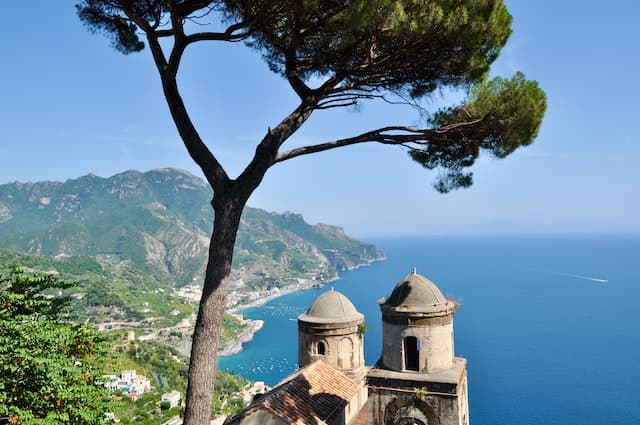
Villa Cimbrone Gardens sits on a dramatic clifftop in Ravello, a mountaintop village perched above the Amalfi Coast. The gardens belong to Villa Cimbrone, a villa built in the 11th century and substantially expanded in the early 1900s. What makes this place extraordinary is not just the villa itself, but the way the gardens frame the coastline. From the terraces, you look out across the Tyrrhenian Sea, with the villages of Praiano and Furore visible below, and on clear days, the island of Capri appears in the distance.
The gardens cover roughly 5 hectares of land that slopes downward from the villa toward the cliff edge. They are open to the public during specific hours, and many visitors come here solely for the gardens rather than the villa's interior. The cost of entry is modest, and if you arrive early in the day, you can experience the space with fewer crowds.
Why this place matters
Villa Cimbrone Gardens represent a particular moment in European taste. In the early 1900s, the villa's owner, an English gentleman named Ernest William Beckett (later the 2nd Baron Grimthorpe), transformed the property into a showcase of romantic landscape design. He imported rare plants, commissioned sculptural pieces, and designed walkways and viewpoints with the view as the central organizing principle.
For travelers interested in gardens, landscape history, or the intersection of architecture and nature, Villa Cimbrone is significant. It shows how a private collector in the early 20th century thought about beauty, collecting, and the relationship between human design and natural scenery. The gardens were also a gathering place for artists and writers during the 1950s and 1960s, which is part of Ravello's broader reputation as an intellectual and artistic retreat.
Quick facts
- Location: Via Santa Chiara 26, Ravello, in the Salerno province of Campania
- Opened to the public: Gardens are accessible year-round during daylight hours, though times vary by season
- Size: Approximately 5 hectares of landscaped grounds
- Entry: Separate tickets for gardens and villa, or combined admission available
- Duration: Most visitors spend 1.5 to 2.5 hours in the gardens
- Built: Villa constructed in the 11th century, gardens redesigned in the early 1900s
- Nearby: Ravello's main piazza and cathedral are within a 10-minute walk downhill
Getting there
Ravello is not directly accessible by car if you want to explore the village center. The town sits on a peninsula about 365 meters above sea level, and roads become pedestrian-only in the historic core. From the Amalfi Coast's main highway, you'll need to drive uphill on narrow, winding roads for about 15 minutes.
The main car park is outside the village. From there, it's a short walk into Ravello proper. Via Santa Chiara branches off from the main piazza area. If you ask a local or your accommodation, they can point you in the right direction; the villa gates are marked, though the signage is modest.
Alternatively, SITA buses run from Salerno and Amalfi up to Ravello, though schedules depend on the season and can be infrequent. If you're staying on the coast, a taxi or private driver is often more practical than trying to coordinate bus times.
The layout and experience
Once you pass through the villa's entrance gate, you enter a different world. The gardens do not announce themselves with fanfare. Instead, they reveal themselves gradually as you walk deeper into the property.
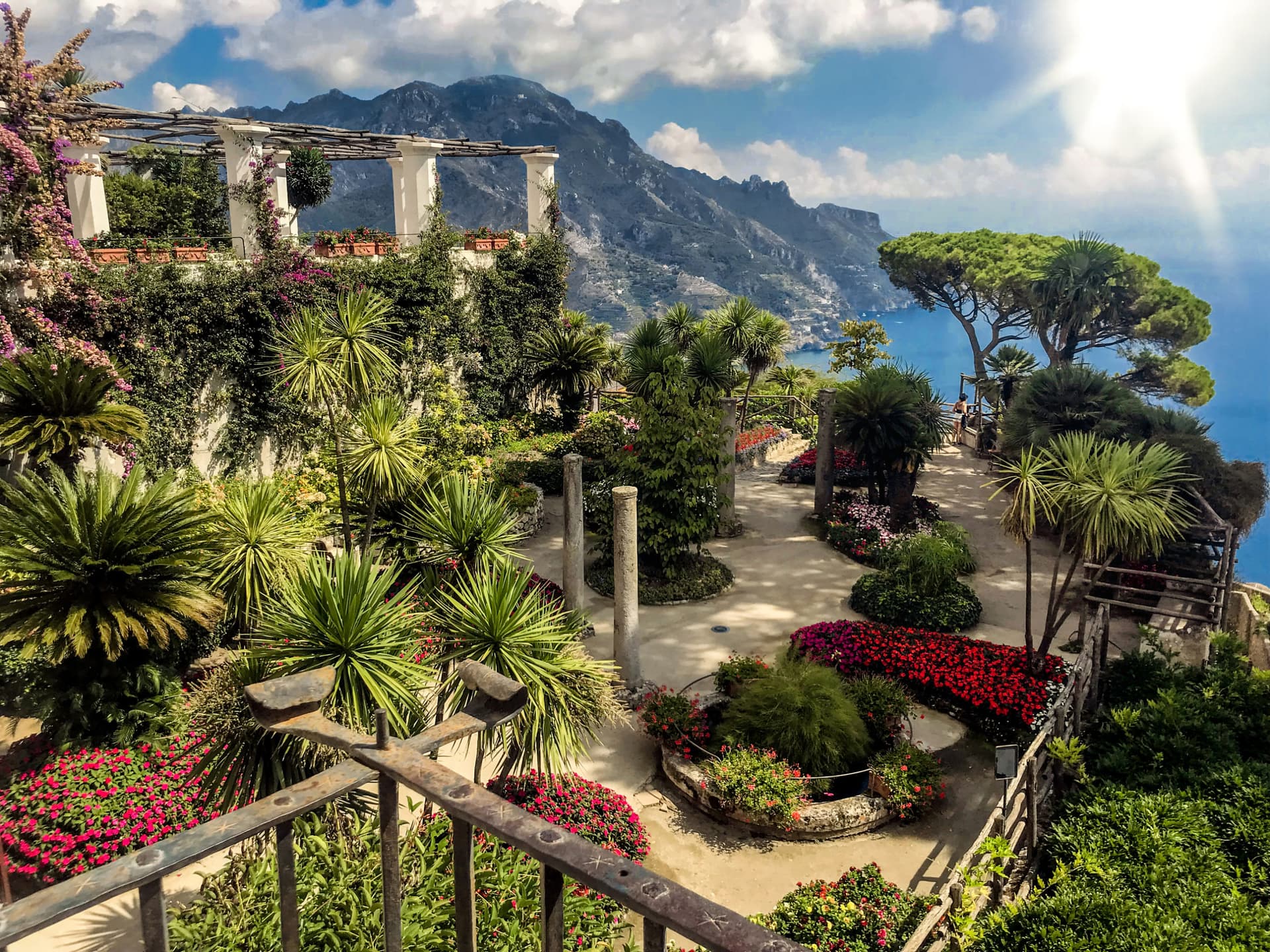
The paths wind through planted areas, past stone sculptures, pergolas draped with flowering vines, and small architectural follies. There are spots designed for sitting and viewing, and the plantings change with the seasons. In spring, wisteria and bougainvillea dominate. Summer brings heat, which can make the shaded areas under trees more appealing. Autumn colors are subtle on the coast, but the light becomes clearer. Winter is mild here, though some plantings go dormant.
The most iconic spot is the Belvedere Cimbrone, a terrace at the far edge of the property. It extends out toward the cliff edge and offers an unobstructed view of the coastline. The terrace is lined with white stone busts and statuary, which frame the view like a theater box. Many people come to Villa Cimbrone Gardens specifically to reach this point.
The walk from the entrance to the Belvedere takes about 15 to 20 minutes at a leisurely pace, with multiple stopping points along the way. You can linger as long as you like. The gardens are not rushed or densely crowded, even in peak season, because the entrance fee and the effort to reach Ravello itself naturally limit numbers.
Main highlights
The Belvedere Cimbrone is the centerpiece. It's a terrace that seems to float above the sea, bordered by classical statuary. The contrast between the Mediterranean light and the white stone creates a powerful visual moment. If you visit on a clear day, the view extends for kilometers along the coast.
The gardens also contain a small chapel, various sculptural installations, and formal planted areas near the villa itself. The pergolas and climbing vines are designed to provide shade while allowing views through to the landscape beyond. Grotto-like areas beneath the main terraces offer cooler microclimates and different perspectives on the grounds.
The villa itself is worth seeing if you buy a combined ticket, though the gardens are the primary draw for most visitors. The interior contains period furnishings and art, and some rooms open onto the gardens, making the boundary between inside and outside permeable.
History and background
The villa's origins date to the 11th century, when it functioned as a fortress-like structure. Over centuries, it changed hands and purposes multiple times. In 1904, Ernest William Beckett purchased the property and embarked on a significant renovation and expansion. Beckett was wealthy, well-traveled, and influenced by the aesthetic movements of his era. He brought in architects and landscapers to transform the villa and its surroundings into a romantic retreat.
The gardens as they exist today largely reflect Beckett's vision and the work done during the early 20th century. He collected statuary, commissioned new pieces, and selected plants with an eye toward creating a harmonious whole. The Belvedere Cimbrone, in its current form, was designed during this period.
In the mid-20th century, the villa and gardens became a retreat for artists, writers, and intellectuals. Gore Vidal, the American writer, lived here for a time, and the property was frequented by others in the creative world. This history is part of Ravello's broader identity as a place of artistic significance on the Amalfi Coast.
Tickets and entry
Entry to the gardens is via a separate ticket from the villa interior. You can purchase a gardens-only pass, a villa-only pass, or a combined ticket. Prices are modest, with gardens typically in the budget to mid-range tier. Hours vary seasonally, but the gardens are generally open during daylight hours year-round. Morning hours tend to be less crowded than afternoon.
If you're staying in Ravello, some accommodations may offer discounts or bundled access. It's worth asking when you book. There is no time limit once you're inside; you can stay as long as you wish.
Best time to visit
Spring (April to May) brings blooming flowers and mild temperatures, making it an excellent time for walking and photography. Summer (June to August) is warm and busy, with peak crowds in July and August. The Belvedere Cimbrone can feel congested during these months, particularly in the afternoon.
Autumn (September to October) offers clearer light and smaller crowds. The weather remains pleasant, and the views are often sharper due to less atmospheric haze. Winter is mild but can be gray. Some plantings go dormant, though the bones of the garden remain beautiful.
If you want solitude and good light for photography, visit in early morning during May, September, or October. If you prefer warm weather and don't mind crowds, come in June or late August.
Photography tips
The Belvedere Cimbrone is designed to be photographed, which means it's a popular subject. Arrive early in the morning to capture it with softer light and fewer people in the frame. The view toward Praiano and the coast is best photographed in the morning when the light comes from behind you.
The statuary and sculptural elements work well with side lighting, which brings out texture and shadow. Afternoon light from the west can create dramatic backlighting, especially if there are clouds. The pergolas and vine-covered archways offer framing opportunities for shots of the landscape beyond.
Wide-angle lenses are useful for capturing the relationship between the gardens and the view. A telephoto lens can compress the distance to the coastline and pick out details. The diffused light under the pergolas and trees is good for close-up botanical photography without harsh shadows.
Facilities and preparation
The gardens have some seating areas but are not developed as a major tourist facility with numerous amenities. There is no cafe, restaurant, or significant shelter. Bring water, especially in summer, as the open terraces offer little shade. Sunscreen is essential on clear days.
Wear comfortable walking shoes. The paths are mostly well-maintained, but some areas can be uneven, and you'll be moving up and down slopes throughout the visit. The main terraces are paved, but secondary paths can be rougher.
The villa and gardens do not have extensive facilities for people with mobility challenges. While some areas are accessible, others involve steps and sloped terrain. If you have specific accessibility needs, contact the villa in advance to ask about options.
Combining with nearby attractions
Ravello itself is small enough to explore in half a day. The Duomo (cathedral) is in the main piazza and contains art and architecture spanning centuries. Villa Rufolo, another historic villa with gardens, is also in Ravello and offers a different aesthetic and view. Some visitors see both villas in a single day.
The town has a few modest museums, some galleries, and the Festival Ravello, an annual summer music and arts festival that draws performers from around the world. If you're in Ravello during the festival (typically June to September), check the schedule for concerts or performances.
From Ravello, you can walk down toward the coast to villages like Atrani, Praiano, or Furore. These walks take 45 minutes to over an hour, depending on your starting point and destination, but they offer a different perspective on the landscape. The return walk uphill can be strenuous, so plan accordingly.
Sample visit plan
Arrive in Ravello early in the morning, ideally by 9 or 10 a.m. Park at the main lot and walk into town. Visit Villa Cimbrone Gardens first, before crowds build. Plan to spend 1.5 to 2 hours here, with time to reach the Belvedere and linger.
After the gardens, walk down to Ravello's piazza, visit the Duomo, and have lunch at one of the small restaurants or cafes. In the afternoon, either explore Villa Rufolo or take a walk down toward the coast. If you prefer a slower pace, spend the afternoon in the town itself, browsing galleries or sitting in the piazza.
If you're staying overnight in Ravello, a second morning walk through the gardens in quieter conditions is worthwhile, offering different light and fewer people.
Practical tips
- Visit early in the day for better light and fewer crowds, especially in summer
- Bring water and sunscreen; the open terraces offer little shade
- Wear comfortable walking shoes; paths involve slopes and uneven terrain in places
- Allow at least 1.5 hours to experience the gardens without rushing
- The gardens are open year-round, but hours vary by season; confirm before your visit
- Combined tickets for the villa and gardens are usually slightly cheaper than purchasing separately
- Parking is outside the village; walking into Ravello proper adds about 10 minutes to your journey
- The Belvedere Cimbrone is the main draw; if you have limited time, prioritize reaching it
FAQ
Can you visit the gardens without entering the villa? Yes, gardens-only tickets are available, and most visitors purchase this option.
Is Villa Cimbrone Gardens wheelchair accessible? Parts of the gardens are accessible, but there are steps and sloped terrain. Contact the villa directly if you have specific mobility concerns.
How long does it take to see the gardens? Most visitors spend 1.5 to 2.5 hours. You can move faster if you go directly to the Belvedere, or spend longer if you explore every corner.
What is the best month to visit? May, September, and October offer good weather, clear light, and fewer crowds than summer months.
Can you eat at the villa? There is no cafe or restaurant within the gardens. Eat in Ravello before or after your visit.
Reviews
Sign in and mark this place visited to leave a review.
No reviews yet.
Free Trip Planner
Plan your Amalfi Coast trip with our free planner
Build a day-by-day itinerary with AI suggestions, hand-picked places, and friends. Free forever — no credit card.