The Wing Luke Museum sits on South King Street in Seattle's Chinatown-International District, inside a building that has done double duty as both a community anchor and a kind of accidental time capsule. It's the only pan-Asian Pacific American museum in the United States and one of a small number of Smithsonian affiliates in the Pacific Northwest. The name comes from Wing Luke, the first Asian American elected to public office in the region, and the museum's reason for being goes beyond the usual rotation of exhibits. Its real draw is upstairs: a run of preserved immigrant hotel rooms left exactly as they were found, reachable only with a guide.
If you're working through a list of Seattle things to do that leans toward history over souvenir shopping, this is the stop that rewards slowing down. It's not a big museum, and it doesn't try to be. What it has instead is specificity.
Why the Wing Luke Museum matters
Most museums about immigrant communities are built by outside institutions looking in. The Wing Luke works the other way. Exhibitions here are developed with the communities they represent, not simply about them, which changes the texture of the place. Object labels tend to read less like catalog entries and more like testimony. You'll notice it in the way family donations are credited, and in how exhibits on Japanese American incarceration, Filipino labor organizing, or Southeast Asian refugee resettlement are framed by people who lived those histories or are close descendants of those who did.
The museum's name itself carries weight in the neighborhood. Wing Luke served on the Seattle City Council in the early 1960s and died in a plane crash in 1965, cutting short a career that had already broken ground for Asian American representation in Pacific Northwest politics. Naming a pan-Asian Pacific American museum after him, rather than after a single ethnic community, was a deliberate choice that still shapes how broadly the museum defines its subject.
Quick facts
- Address: 719 S King St, Seattle, WA 98104
- Neighborhood: Chinatown-International District (CID)
- Status: Smithsonian affiliate museum
- Building: the 1910 East Kong Yick Building
- Signature feature: preserved immigrant hotel rooms, accessible by guided tour only
- Focus: pan-Asian Pacific American history, art, and culture
Getting there
The museum is an easy walk from the International District/Chinatown light rail and Sounder station, close enough that you could pair a visit with a trip to or from the airport without much detour. If you're coming from downtown Seattle, it's roughly a 15 to 20 minute walk south along 4th or 5th Avenue, or a short bus or streetcar ride. Street parking in the CID can be tight, especially around lunch hours when the neighborhood's restaurants fill up, so public transit or a nearby parking garage tends to be the less stressful option.
The layout and experience
The museum occupies part of the East Kong Yick Building, a brick structure built in 1910 that was financed by shares sold to Chinese immigrant laborers who wanted a building of their own in a city that otherwise restricted where they could live and do business. The ground floor and main galleries function like a conventional museum: you move at your own pace through changing exhibitions and a core collection that touches on immigration, labor, war, and everyday life across Chinese, Japanese, Filipino, Vietnamese, Korean, South Asian, and other Pacific Islander American communities.
Upstairs is different. The building once operated as a residential hotel, the kind of single-room-occupancy housing that immigrant laborers depended on in the early 20th century when they had few other options for housing in a segregated city. When the museum took over the space, a number of those rooms were found essentially untouched, with furniture, letters, and personal belongings still in place. Rather than restore or stage them, the museum preserved them as found. You can only see these rooms on a guided tour, led by a docent who walks you through the building's residential history room by room. Tour group sizes are limited and spots can fill, so it's worth checking tour timing as soon as you arrive rather than assuming you can join one later in the day.
Main highlights
The preserved hotel rooms are the highlight, full stop, and the main reason to build a visit here around the guided tour rather than treating it as optional. Seeing a room with a single bed, a hot plate, and a calendar still tacked to the wall does something that a glass display case full of the same objects never quite manages. It's the difference between an artifact and a room someone actually lived in.
Beyond the hotel floor, look for exhibitions on the Chinese Exclusion Act era and its effect on Seattle's early Chinatown, on Japanese American incarceration during World War II and the CID families who were forced to leave almost overnight, and on the waves of Southeast Asian refugee arrivals following the Vietnam War. The museum also runs changing exhibitions on contemporary Asian Pacific American art and identity, so what's on view beyond the permanent core will vary depending on when you visit.
History and background
The East Kong Yick Building was one of two Kong Yick buildings built in 1910, financed through a stock association of Chinese immigrant investors, many of them laborers, at a time when banks and landlords routinely refused to deal with Chinese residents. The building housed shops, a hotel, and various community organizations for decades, anchoring a stretch of King Street that remains the commercial spine of the International District today. The hotel rooms on the upper floors housed generations of single male laborers, a demographic shaped directly by immigration laws that for decades barred Asian immigrant men from bringing wives or families to the United States.
The museum's community-curated model, where exhibitions are built in partnership with the families, associations, and individuals whose histories are on display, is as much a part of its identity as the building itself. It's part of why the Smithsonian designated it an affiliate, recognizing the museum's role as a serious cultural institution rather than a neighborhood historical society.
Tickets and entry
General admission gets you into the main galleries at your own pace. The guided tour of the preserved hotel rooms is a separate, timed experience and tends to be the better reason to plan your visit around a specific time slot rather than drop in casually. Because the tours are guided and group sizes are kept small for the sake of the historic rooms, it's worth building your schedule around the tour time rather than treating admission as a single flat experience.
Best time to visit
Weekday mornings tend to be quieter, which matters more here than at a typical museum because the hotel room tour works best in small groups where you can actually hear the docent and look closely at the rooms without jostling. Weekends bring more foot traffic from people combining the museum with lunch in the CID, so if you want a shot at an earlier tour slot, arriving close to opening is the safer bet.
Facilities and preparation
The museum is compact enough that you don't need to budget a full day, though pairing the galleries with the guided tour easily fills a couple of hours. Wear comfortable shoes if you're doing the tour, since the preserved floors involve stairs and older, uneven surfaces that haven't been modernized for the sake of authenticity. There's no elaborate food service inside, but that's not really a drawback given where you are.
Combining with nearby attractions
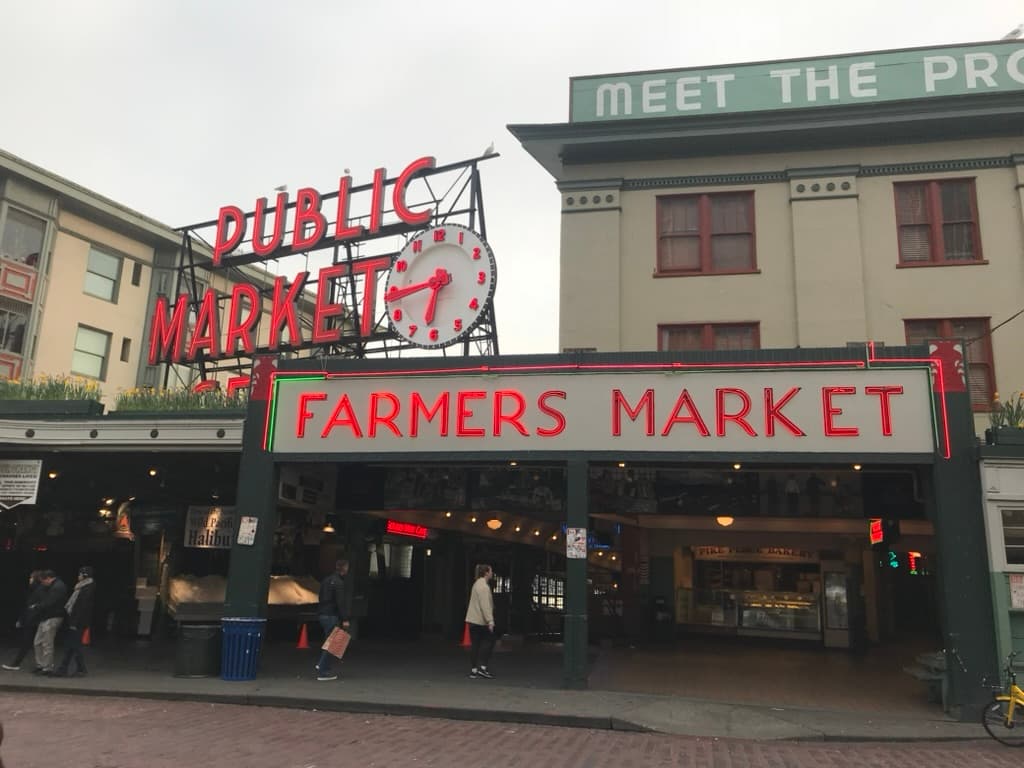
This is one of the easiest museums in Seattle to pair with a broader neighborhood visit, because it sits inside one of the city's most distinct commercial districts. Uwajimaya, the large Asian grocery and food hall, is a few minutes' walk away and worth it even just for lunch. Hing Hay Park, with its ornate pavilion donated by Taipei, anchors the other end of the main commercial block. The Panama Hotel, another building with its own preserved history tied to Japanese American incarceration, sits a short walk north and makes a natural companion stop if you're interested in this chapter of Seattle history. Pioneer Square and its own set of historic buildings and galleries are also within easy walking distance for those extending the day.
Practical tips
- Prioritize the guided tour of the hotel rooms over the self-guided galleries alone, it's the reason most visitors remember the place
- Arrive earlier in the day if you want a better chance at joining a tour without a long wait
- Combine the visit with lunch in the International District, the neighborhood's food is reason enough on its own
- Wear shoes suited to stairs and older floors for the upstairs tour
- Check exhibition listings before you go since the rotating shows change what else is on view beyond the permanent history
FAQ
Do I need a guided tour to see the whole museum?
You can see the main galleries on your own, but the preserved immigrant hotel rooms, the museum's signature feature, are only accessible on a guided tour.
Is the Wing Luke Museum only about Chinese American history?
No. It's a pan-Asian Pacific American museum, covering Chinese, Japanese, Filipino, Vietnamese, Korean, South Asian, and Pacific Islander communities among others, with exhibitions developed alongside those communities.
Who was Wing Luke?
Wing Luke was the first Asian American elected to public office in the Pacific Northwest, serving on the Seattle City Council until his death in a plane crash in 1965.
How long does a visit take?
Plan on a couple of hours if you're doing the guided tour alongside the galleries, less if you're only visiting the main exhibition floor.
Few museums anywhere let you walk into a room exactly as its last resident left it. That's what sets the Wing Luke Museum apart from other Seattle history stops, and it's worth building your International District day around the tour schedule rather than treating it as an afterthought.
Reviews
Sign in and mark this place visited to leave a review.
No reviews yet.
Free Trip Planner
Plan your United States trip with our free planner
Build a day-by-day itinerary with AI suggestions, hand-picked places, and friends. Free forever — no credit card.