Ye Olde Curiosity Shop
Pier 54, 1001 Alaskan Wy, Seattle, WA 98104, USAYe Olde Curiosity Shop sits right on Pier 54 along Seattle's downtown waterfront, wedged between the gift shops and the ferry views, and it has been there since 1899. That makes it one of the oldest continuously operating businesses in the city, and it has stayed in the same family's hands the entire time. From the street it reads as a souvenir stand, the kind of place you'd walk past looking for a magnet or a postcard. Walk a few steps further in and the magnets give way to shrunken heads, a narwhal tusk mounted on the wall, and two mummified bodies named Sylvester and Sylvia sitting in glass cases like they've been waiting for you.
It costs nothing to go in. There's no ticket booth, no turnstile, nothing stopping you from treating it as a fifteen minute detour between the aquarium and lunch. Most people do exactly that, and most people leave more unsettled, and more delighted, than they expected.
Why Ye Olde Curiosity Shop matters
Cabinet-of-curiosities shops used to be common along port cities in the late 19th and early 20th centuries, places where sailors, traders, and collectors brought back oddities from distant ports and sold or displayed them to a public hungry for the exotic and the unexplained. Almost none of those shops survived past a generation. This one did, which makes it less a novelty stop and more a genuine artifact of how Seattle presented itself to the world when it was still a frontier port town leaning hard on the Klondike Gold Rush traffic passing through Elliott Bay.
The shop's survival also means its collection has never been sanitized for a modern museum audience. Labels are informal, provenance is often murky, and the Alaskan and Northwest Native material on display ranges from legitimately old trade pieces to items whose origin stories are, at best, difficult to verify. That ambiguity is part of what makes a visit feel different from a history museum. Nobody here is pretending to have footnotes for everything.
Quick facts
- Location: Pier 54, 1001 Alaskan Way, Seattle, WA 98104
- Open since 1899, still run by descendants of the original family
- Free to enter and walk through
- Known for Sylvester and Sylvia, two mummified human remains on display
- Also houses shrunken heads, a narwhal tusk, fleas dressed in miniature outfits, and a wide mix of Alaskan and Pacific Northwest Native artifacts
- Functions as both a gift shop and an informal museum under one roof
Getting there
Pier 54 sits on Alaskan Way along Seattle's central waterfront, an easy walk from the Seattle Aquarium at Pier 59 and a short stroll south of the Pike Place Market hillclimb. If you're coming from downtown proper, it's roughly a 10 to 15 minute walk down to the water from Pike Place, most of it downhill. The waterfront streetcar and several bus routes run along Alaskan Way as well, and there's public parking scattered along the piers if you're driving in, though spots near the water fill up fast on cruise ship days.
The layout and experience
The front third of the shop is straightforward retail, the kind of souvenir stock you'd expect on any touristy pier: shot glasses, t-shirts, saltwater taffy, Bigfoot keychains. It's easy to assume that's all there is and turn around. The real shop unfolds as you move toward the back and along the side aisles, where glass cases start appearing between the shelves of merchandise. This is where Sylvester and Sylvia live, where the narwhal tusk hangs overhead, and where you'll find cases of taxidermy, carved masks, totemic pieces, and oddities that don't fit any single category.
There's no guided path and no signage directing you room to room, because it isn't really rooms, just a dense, winding floor plan where retail and display case blur into each other. Expect to spend somewhere between fifteen and thirty minutes if you're actually reading the case labels and taking it in, less if you're just passing through.
Main highlights
Sylvester is the shop's best known resident, a naturally mummified body discovered in the Arizona desert and acquired by the shop decades ago. Sylvia, displayed alongside him, is the other mummy most visitors come looking for. Their presence has made the shop a minor stop on Seattle's weirder tourist circuit for generations, and locals bringing out-of-town guests often cite them as the reason for the visit.
Beyond the mummies, look for the shrunken heads, genuine curiosities with their own murky trade history, and the narwhal tusk, a reminder of the shop's original Arctic and Alaskan trading connections. The fleas in dresses are a stranger, more old-world kind of attraction, a Victorian sideshow tradition of mounting dressed fleas under magnification, and they're easy to miss if you're not looking closely at the smaller cases. The Native American and Northwest Coast material scattered throughout is extensive but mixed in quality and documentation, worth looking at with curiosity rather than treating as a definitive historical record.
History and background
The shop opened in 1899, putting its founding right in the middle of the Klondike Gold Rush years, when Seattle's waterfront was thick with prospectors, sailors, and traders passing through on their way north or south. That context explains a lot about the original collection: a port-town shop catering to a transient population looking for souvenirs, oddities, and a bit of theater before they got back on a boat. It has operated continuously since, through the decline and later revival of the central waterfront, and remains under the same family's ownership today, which is unusual for almost any retail business this old, let alone one built around a cabinet of curiosities.
Tickets and entry
There's no admission charge. You walk in off the pier the same way you'd walk into any gift shop, browse as long as you like, and leave without anyone checking a ticket. The retail side obviously depends on purchases, but looking at the mummies and the rest of the collection costs nothing.
Best time to visit
Mornings and early afternoons on weekdays tend to be quieter, especially outside cruise season. The waterfront gets considerably busier in summer, partly from cruise ship passengers disembarking nearby and partly from general tourist traffic heading to the aquarium and the piers. If you want a slower look at the cases without squeezing past other visitors, aim for a weekday morning in the shoulder seasons.
Combining with nearby attractions
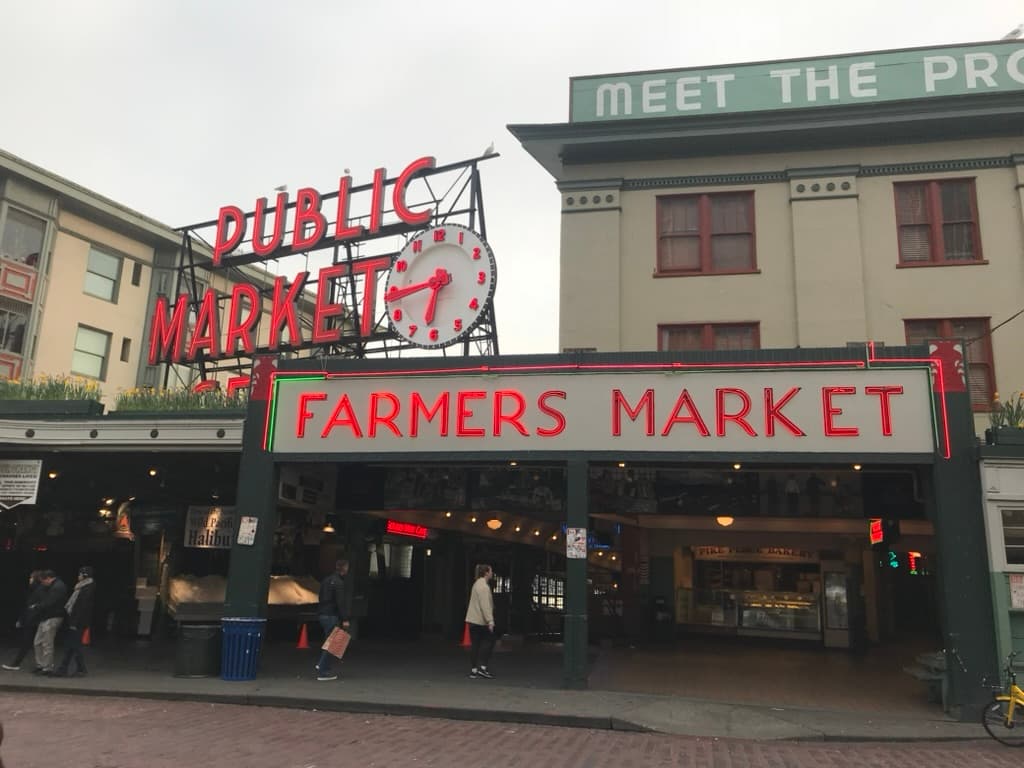
The shop sits close enough to the Seattle Aquarium and the Seattle Great Wheel that it's easy to fold into a single waterfront morning or afternoon. Pike Place Market is a short uphill walk away if you want to continue on to food stalls and the original Starbucks location. Given how little time the shop itself requires, most visitors treat it as one stop in a longer stretch along Alaskan Way rather than a destination on its own.
Practical tips
- Don't judge it from the entrance, the front room is standard souvenir stock and the interesting material is further back
- Budget 15 to 30 minutes depending on how closely you read the cases
- It's a working retail shop, so expect narrow aisles and shelving mixed in with the displays rather than a formal museum layout
- Good for kids who like the macabre, though parents of more sensitive children may want a heads up about the mummies before going in
- Bring cash or card for souvenirs, but know you can look around without buying anything
FAQ
Is Ye Olde Curiosity Shop a real museum?
Not formally. It's a retail shop with an embedded, informal collection of oddities and artifacts built up over more than a century.
Are Sylvester and Sylvia real human remains?
Yes, they are mummified human bodies that have been displayed at the shop for decades, with Sylvester's discovery in the Arizona desert being the better documented of the two.
Is it free to enter?
Yes, there's no admission fee. You can browse the entire shop, cases included, without paying anything.
How long should I plan for a visit?
Most people spend between 15 and 30 minutes, making it an easy add-on to a wider waterfront walk rather than a standalone outing.
Is the Native American material in the shop authentic?
Some pieces have real trade history tied to Alaska and the Pacific Northwest, but documentation is inconsistent across the collection, so it's best viewed as a historical curiosity rather than a vetted archive.
Reviews
Sign in and mark this place visited to leave a review.
No reviews yet.
Free Trip Planner
Plan your United States trip with our free planner
Build a day-by-day itinerary with AI suggestions, hand-picked places, and friends. Free forever — no credit card.