
Stiff After a Long Trip? When a Therapeutic Massage Makes Sense
By
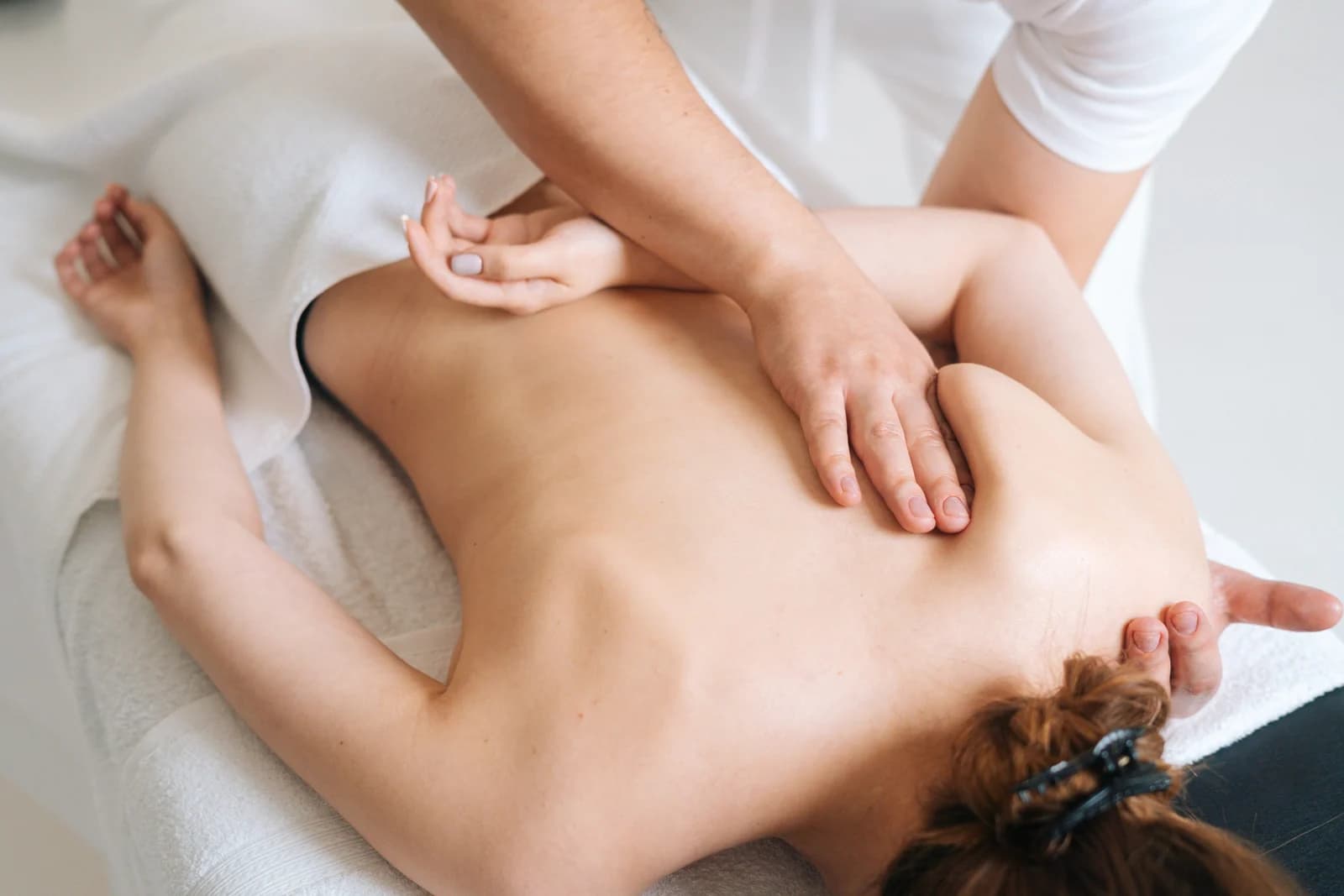
The trip was worth it. Your body may have a few notes, though: a neck that slept upright over the ocean, a lower back that sat through six hours in a rental car, a shoulder that dragged a carry-on through three terminals.
Sometimes that fades after a couple of nights in your own bed. Other times it doesn't. When a tight spot hangs around for days after you've unpacked, a therapeutic massage is worth considering, and it's a different booking from the hour you might have spent at a resort spa.
Why Travel Leaves So Many Tight Spots
A long travel day can mean hours in one position. On a plane, that's knees bent, hips folded and a head that keeps drifting toward the stranger in the next seat. A long drive isn't much better, since the seat stays the same and only the view changes.
Then there's the luggage. The American Academy of Orthopaedic Surgeons, in its tips for lifting and carrying luggage, ties bigger, heavier bags to a greater risk of neck, back and shoulder injuries. It also notes that with many airlines charging to check a bag, more travelers risk injury by hauling over-packed carry-ons through the airport and lifting them into overhead bins. No judgment.
The fun parts count too. Twenty thousand steps on cobblestones, a full day on a trail, three flights of stairs up to a walk-up rental. After an unusually active day, soreness may not be obvious until later or the next day.
Small Habits While You're Still in Transit
Some of the easy stuff happens before a massage is even on the table. The CDC's guidance for travelers on preventing blood clots suggests an aisle seat when possible, so you can walk around every two to three hours, and it recommends building breaks into car trips to stretch and walk.
That advice is aimed at clots, not comfort. It still gets you out of the seat, which on a ten-hour flight counts for something.
When getting up isn't an option, the same page suggests a few exercises you can do sitting down:
Raise your heels and lower them again, toes on the floor.
Lift your toes and lower them again, heels on the floor.
Tighten your leg muscles, then let them go.
How you carry your bags matters here, too. Those same luggage tips suggest carrying bags in both hands instead of one hand off to the side, switching shoulders often with a duffel, and resting a carry-on on top of the seat before lifting it into the bin.
Spa Massage vs. Therapeutic Massage: Not the Same Booking
A massage by the pool on day three of a beach trip is its own thing. It's about the view, the quiet and an excuse to lie down, and that's a fine reason to book one.
The aches that follow you home are a different job. Many resort spa menus lean toward unwinding. For a shoulder that's been tight since the overnight flight, a therapeutic massage may be a better fit if the goal is targeted bodywork rather than relaxation.
How a session starts varies from one practice to the next. You might be asked where it hurts, when it started and what you were doing at the time, whether that was a long-haul flight, a week of trail miles or ten days with a heavy duffel. Pressure and technique can be adjusted from there.
Depending on the goal, that might mean deep tissue work, trigger point therapy, sports massage or a gentler approach. Bodywork doesn't have to be intense to be useful.
When a Sore Leg Needs a Doctor, Not a Massage
One exception before booking anything. If a leg is swollen, painful or tender after a long flight or drive, get it checked before anyone massages it.
Those can be symptoms of deep vein thrombosis, a blood clot that can form in a deep vein, according to the same CDC page. Trouble breathing, a faster-than-normal heartbeat, chest pain or fainting can signal a pulmonary embolism, which happens when part of a clot travels to the lungs.
These clots are rare, the CDC notes, but serious, and its advice is to get medical care right away if symptoms show up. Skip the massage and seek medical care instead.
Same goes for anything that feels more like an injury than stiffness, such as a rolled ankle from the trail, numbness, or pain that keeps getting worse. Have a doctor look at that before a therapist does.
Getting More Out of a Post-Trip Therapeutic Massage
Tell the therapist about the trip. Small details help, like which side you slept on during the flight home, how many hours you drove, or which shoulder carried the backpack for a week.
Health history belongs in that conversation too, especially a past blood clot, recent surgery or anything you hurt while you were away. It helps the therapist figure out what to work on and what to leave alone.
Speak up about pressure during the session. Some discomfort on a tight spot can be normal, but sharp pain isn't something to sit through politely.
Timing matters a little. If a deeper session tends to leave you sore, scheduling it right before a long flight may not be the most comfortable option.
Quick tip: Book the appointment before the trip ends, for a day or two after you land. A session that's already on the calendar is easier to keep than one you're trying to find while jet-lagged and buried in laundry.
Plan for the Landing, Too
A lot of itineraries stop at the arrival gate. The day after rarely gets planned, even though that's when the stiff neck and the overflowing inbox tend to show up together.
Leave that day light if you can. A walk and an early night won't hurt. If stiffness isn't settling or continues to interfere with normal activity, consider talking with a healthcare professional or booking an appropriate massage session.
Or pack a lighter bag next time. That fix is free.