
The Florida Keys Watersports Guide: Paddle Boarding, Kayaking, Snorkeling and More
By
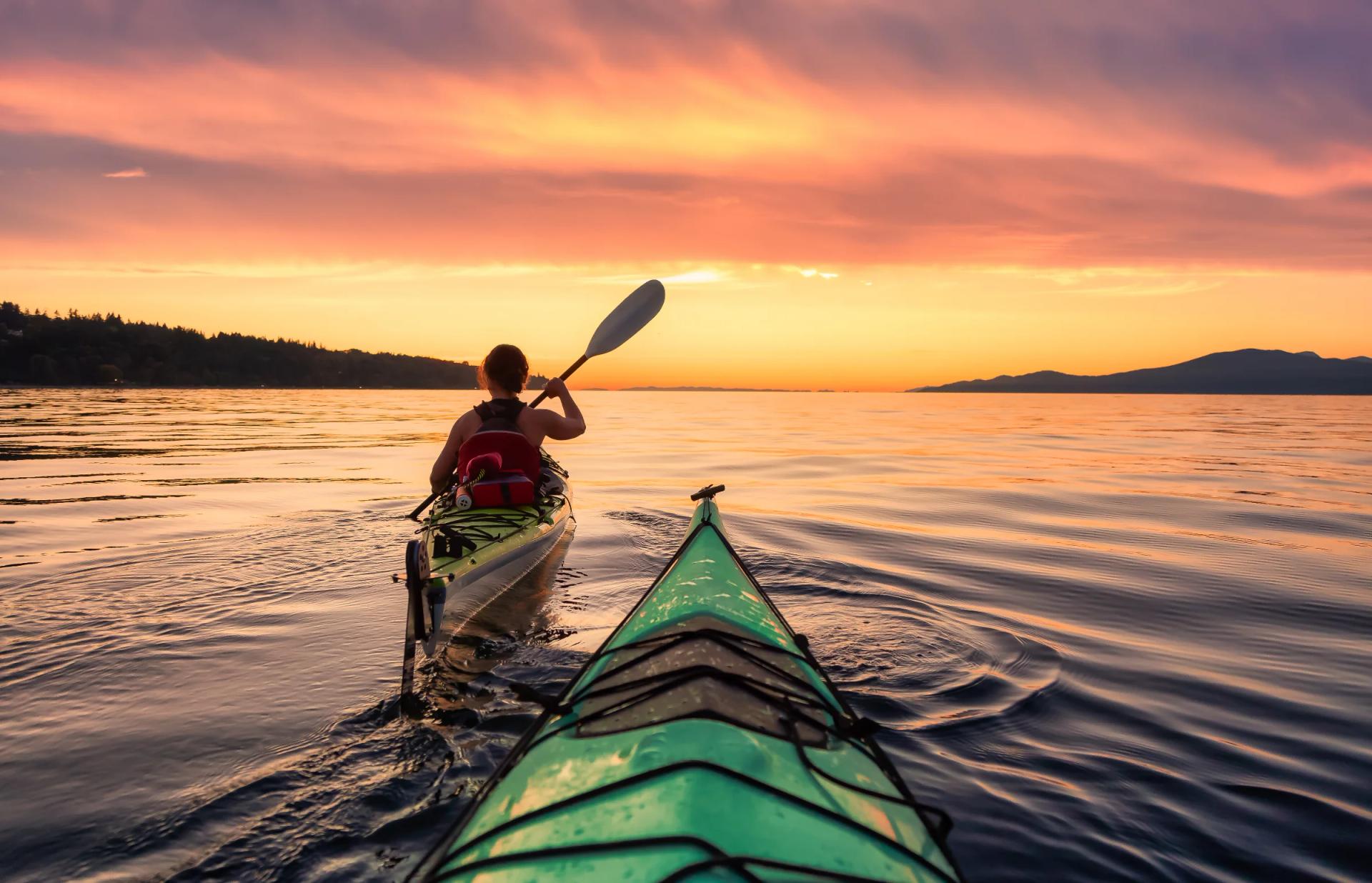
The Overseas Highway runs more than 100 miles through the islands, with shallow seagrass flats and mangrove channels on one side and the only living coral barrier reef in the continental US on the other. The subtropical climate means you can paddle, snorkel or sail almost year-round, though wind, tides and the June to November hurricane season all shape what’s possible on a given day. Whether you’re a first-time paddler or an experienced boarder, there’s an island that suits you.
Key Largo: Mangroves and Reefs
Key Largo is an ideal place to begin your Keys adventure. The mangrove-lined shorelines provide plenty of nooks and crannies that are perfect for paddling a kayak or standing on a paddleboard. Paddlers meander along narrow passages and channels, keeping an eye out for local marine wildlife and bird life. Guided tours are the way to go, at least at first, as you will not only learn about the delicate marine ecosystem that you are visiting, but you will have no problem finding the right way through shallow channels that aren’t always clearly marked.
A short distance offshore, the reefs offer a different kind of adventure. John Pennekamp Coral Reef State Park runs snorkel tours out to the reef, where you can see coral formations and colorful tropical fish. Guides pick the spot each day based on weather and water conditions.
Islamorada: Backcountry Paddling
Islamorada, often called the sportfishing capital of the world, has some sheltered spots for paddling. One of the best trips is out to Indian Key Historic State Park, a small island about half a mile offshore with the ruins of an 1830s settlement and an observation tower. Launch from the public ramp at Indian Key Fill, paddle across the seagrass flats (high tide and a calm day make it much easier) and use the marked kayak landing on the south side of the island, which is the only authorized landing spot. There’s a small park entrance fee and no facilities, so bring water.
The local guides offer some excellent paddling trips among the seagrass flats and along mangrove borders. For those interested in fishing, charters take you out to some of the best fishing areas. Please note: Give wildlife plenty of room. Do not disturb the birds that live along the shoreline.
Marathon: Easygoing Family Adventures
If you’re in Marathon and not quite ready for open water, the town is a good base for families. The sheltered seagrass flats and calmer shoreline areas suit beginner paddlers when conditions are right, and Sombrero Beach is a popular spot for an easy swim. Families can also charter a boat or rent jet skis, where allowed, for a few hours on the water.
Bahia Honda and Big Pine: Nature at a Slower Pace
A trip to the Lower Keys wouldn’t be complete without Bahia Honda State Park, known for its clear, shallow water. You can snorkel straight off the beach over seagrass beds, or join a boat trip from the park out to Looe Key, one of the best reefs in the Keys. On neighboring Big Pine Key, the National Key Deer Refuge is home to the small Key deer found nowhere else, and local guides run kayak eco-tours through the backcountry. Conditions can change from beach to beach, so check local advisories before you swim or launch.
Key West: Wind, Sails and Sunsets
Head to Key West and enjoy some open water activities. Perhaps parasailing or a sailing excursion is your idea of a good time. Visitors interested in kiteboarding can look for local lessons and rentals. An open-water SUP paddle as the sun sets is a great way to enjoy the beautiful light. New to water sports that rely on wind power? Lessons are recommended, and never paddle alone when wind or current is a factor.
SUP Tips: Renting, Beginner Spots and Staying Safe
If you’re flying in for a few days, or your accommodation doesn’t have board storage, renting is the easiest option. If you’re an experienced paddler staying longer, and your transport and airline rules allow it, bringing your own board makes sense. Either way, the right SUP Equipment makes a big difference, from a stable all-round board for the flats to a good leash, paddle and life jacket.
Beginners should start on calm, sheltered water such as the Key Largo mangrove trails or the flats around Marathon and Islamorada, ideally early in the morning before the wind picks up. On safety, the US Coast Guard treats a paddleboard outside a swimming area as a vessel, so carry a Coast Guard-approved life jacket and a whistle, and a light if you’re still out after sunset. Check the forecast and tell someone your plan before you head out.
Check your launch points in advance, too. Some parks, marinas and privately held waterfronts have parking, permit or access fees.
A Sample Five-Day Florida Keys Itinerary
Spend the first two days in Key Largo/Islamorada. Explore the mangroves and enjoy a guided snorkel tour to a nearby reef. Day 3: Drive down the Overseas Highway to Marathon and enjoy a relaxing trip out on the flats. Head to Bahia Honda on day four and explore the shoreline. Spend the last day in Key West, go sailing and/or enjoy a sunset paddle. Should wind, storms or water conditions not favor any of the above options, be sure to modify your plans.
Whether it’s a quiet paddle through mangrove channels, an afternoon on the reef or a sail at sunset, the Florida Keys have something for every kind of water lover. Plan around the conditions, use the right gear and give the wildlife plenty of space, and you’ll get the best of all five islands.