
Water temperatures at the world’s best dive and snorkel destinations: wetsuit temperature guide
By
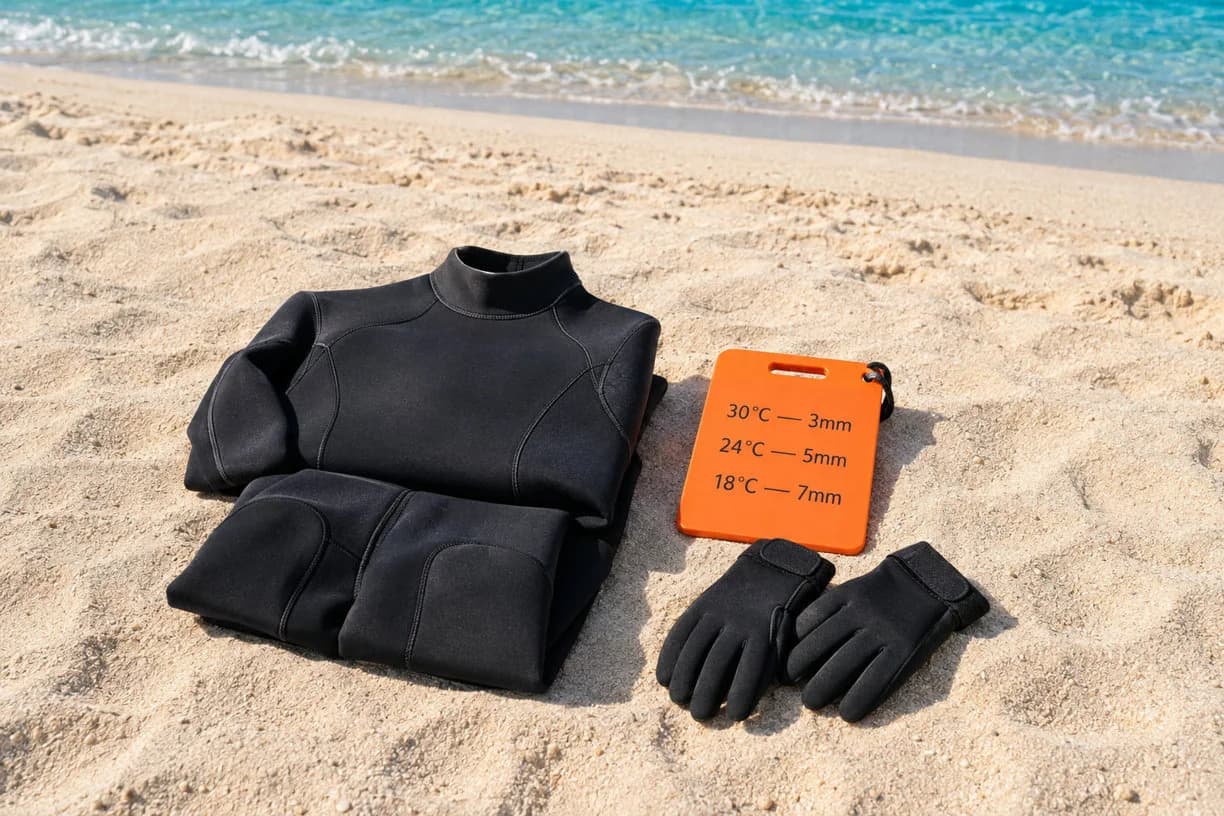
Your choice of dive and snorkel destination often depends on water temperatures and the right gear. Being prepared for seasonal temperature shifts at top locations can improve comfort and help you enjoy every moment in the water. Here’s what to expect, and which suit to pack, at five of the world’s most exciting sites.
Divers and snorkelers know that water temperature can shape every aspect of an adventure. Seasonal changes vary not only from region to region but also within each destination, affecting what kind of exposure protection is needed. Knowing when to bring a shorty, a 3mm full suit, or a thicker wetsuit allows you to dive safely and comfortably throughout the year. This article serves as a wetsuit temperature guide for key travel regions and gives practical tips for trips to the Red Sea, Galápagos, Philippines, Azores, and Cozumel.
The Red Sea: year-round warmth with seasonal variation
The Red Sea is famous for its clear waters and vibrant reefs. Water temperatures rise to about 28 to 30°C (82 to 86°F) from June through September, offering warm, calm diving. In these summer months, a shorty or 3mm wetsuit is suitable for most divers, making it an ideal time for those who prefer lighter gear.
Between December and February, temperatures drop to 22 to 24°C (72 to 75°F) and surface winds can pick up, especially in the north. During this cooler season, it is best to pack a 5mm full wetsuit, especially if you’ll be doing multiple dives each day. Visibility remains high throughout the year, but plankton blooms in spring can draw in whale sharks and other pelagics.
Spring months of March through May offer an excellent middle ground for Red Sea diving, with water temperatures settling around 24 to 26°C (75 to 79°F). This transitional period combines comfortable warmth with increasing marine activity as nutrients rise from deeper waters. A 3mm full wetsuit provides adequate protection for most divers during these months, while those planning extended bottom times or night dives might prefer a 5mm suit. The spring season also brings excellent opportunities to observe mating behaviors among reef fish and the possibility of encountering migrating species passing through the region on their seasonal journeys.
The Galápagos: dramatic currents and changing temperatures
Diving in the Galápagos is adventurous due to rich marine life and rapid changes in water conditions. December to May brings the warm season, part of a pronounced seasonal ocean-temperature cycle, when the sea is generally 23 to 26°C (73 to 79°F) and calmer, while the land experiences more rainfall. A 5mm wetsuit with a hooded vest works for many during this part of the year.
During the cool season from June to November, the Humboldt Current lowers temperatures to 16 to 22°C (61 to 72°F), and the ocean is more challenging. Most divers need a 7mm full suit with a hood and gloves for these cooler months, making it essential to adjust your packing list. Checking a wetsuits chart before heading to the Galápagos ensures you are ready for these demanding conditions and helps you stay focused on enjoying the abundant wildlife.
Thermoclines are a defining feature of Galápagos diving and can create sudden temperature drops of 5 to 8°C (9 to 14°F) within a single dive, particularly around seamounts and exposed sites. Divers often experience warm surface waters that give way to much colder layers as they descend or drift into upwelling zones. This makes layering crucial: many experienced Galápagos divers wear a hooded vest under their wetsuit and carry an additional thermal layer for particularly challenging sites. Understanding these rapid shifts and preparing with appropriate thermal protection ensures you can fully appreciate encounters with hammerhead schools, marine iguanas, and other iconic species without cutting dives short due to cold discomfort.
The Philippines: tropical conditions and seasonal monsoons
The Philippines offers consistently warm waters, with temperatures ranging between 27 and 30°C (81 to 86°F) during the dry season from March to May, perfect for a 3mm suit or shorty. Popular sites such as Tubbataha or Apo Reef offer gentle conditions and high marine diversity at this time of year.
From June to November, the monsoon season brings rain, potential typhoons, and slightly cooler waters of 26 to 29°C (79 to 84°F). While most divers remain comfortable in a 3mm suit, extra layers or a rash vest are wise for long dive days. Visibility generally peaks late in the dry season, while spring plankton blooms can increase your chances of seeing larger marine life. It is smart to reserve flexible travel dates to allow for any weather disruptions.
The Azores: Atlantic adventure with cooler waters
The Azores are famed for their offshore seamounts and unique wildlife encounters, but the water temperature shows strong seasonal swings. July to September offers the warmest diving, with temperatures at 22 to 24°C (72 to 75°F). A 5mm wetsuit is usually sufficient in these conditions, especially if you are diving daily.
From October through June, water drops to between 16 and 20°C (61 to 68°F) and winds can add a chill. For trips in these months, pack a 7mm wetsuit or semi-dry, plus a thermal vest or hood for extra warmth. Late summer and autumn bring the clearest water, after most plankton blooms have faded. Always check local forecasts, as weather can change quickly in the Atlantic.
Cozumel: warm Caribbean waters year-round
Cozumel is a diver’s paradise thanks to visibility, mild water temperatures, and the chance to see dramatic drift dives over vibrant reefs. May to September sees the warmest water, about 27 to 29°C (81 to 84°F), which makes a 3mm wetsuit ideal for most trips. Travelers comparing island options may also find Caribbean scuba diving conditions useful when planning a warm-water itinerary.
From October to March, water dips slightly to 25 to 27°C (77 to 81°F) and stronger winds can occasionally limit boat access. If you tend to get cold after repeated dives, consider layering with a rash vest during these cooler months. Rainstorms are brief, and reefs bounce back quickly, but it is always wise to check conditions before you travel. Using a wetsuit temperature guide before departure can help you choose the best exposure protection and focus on the island’s exceptional marine life without distraction.
For multi-stop itineraries that mix warm shallows and colder drop-offs, relying on one consistent wetsuit temperature guide can make packing simpler and keep you comfortable when conditions change between regions.