
One Campsite, Multiple Day Trips: A More Relaxed Way to Plan a Road Trip
By
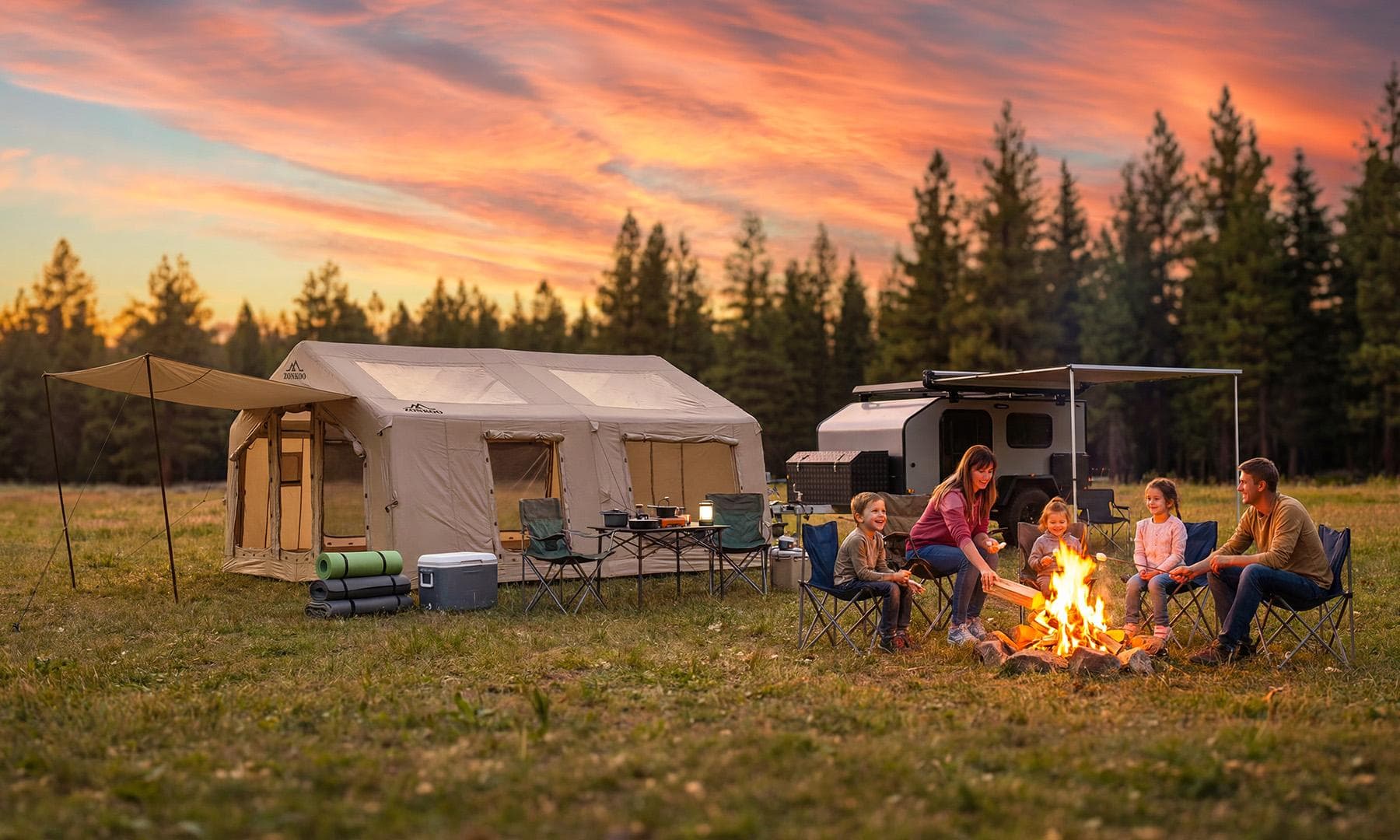
The freedom to explore different places is one of the best parts of a road trip. But when every day involves packing up, changing accommodations, and pitching your tent again, the journey can start to feel more rushed than relaxing.
Fortunately, visiting several destinations doesn't mean you have to move every night. If the places you want to explore are relatively close together, you can choose one well-located campsite as your base camp. Spend the day visiting nearby towns, natural attractions, or hiking trails, then return to camp in the evening. You still get the freedom of a road trip, without the hassle of constantly moving.
When Does a Base Camp Make Sense for a Road Trip?
If you're driving across several states or following a long-distance route, staying somewhere new each night may make more sense. But if you're exploring a national park, a lake region, or several nearby towns, a single base camp can be much more convenient.
Say you're spending three days near a national park. You could explore different trails or viewpoints each day, knowing you have somewhere familiar to return to. If the weather changes or you're tired after a hike, you can simply head back to camp.
This approach is especially useful when you're traveling with a lot of camping gear. With inflatable tents or other equipment that takes time to set up, the real benefit of a base-camp trip isn't pitching everything faster. It's being able to leave camp set up for several days. Once you've settled in, you can head out each morning with just what you need for the day.
Of course, if getting back to camp means hours of driving, that convenience quickly disappears. Check the actual distances between your planned stops before committing to one location.
Choose a Campsite for Its Location, Not Just the Views
A campsite might look beautiful in photos, but location matters more when you plan to spend your days exploring by car.
Start by marking your must-see stops on a map. Then look for campgrounds that offer convenient access to several of them. A site between a national park entrance and a nearby town, for example, may be a better base than a remote campground far from the main roads.
Don't rely on distance alone when estimating drive times. Winding mountain roads, unpaved routes, and seasonal road restrictions can make a short journey take much longer than expected. It's also worth checking whether you can drive back into the campground in the evening and whether entry hours are restricted.
For a stay of several nights, practical facilities matter too. Check the availability of drinking water, restrooms, trash disposal, and parking. Your base camp doesn't need to be the closest option to every attraction, but it should keep your daily drives reasonable.
Plan Your Days by Area, Not by Popularity
Once you've chosen your campsite, group attractions by location rather than trying to visit all the most popular spots in a single day.
If the area has lakes, forest trails, and small towns, you might spend one day by the water, another exploring the forest, and a third enjoying local food and culture. This cuts down on unnecessary driving and gives each day a natural focus.
Keep the itinerary flexible. Pick one or two main activities each day and treat everything else as optional. If a hike takes longer than expected, there's no need to rush through it just to reach the next stop.
Before heading out, check opening hours, parking rules, and reservation requirements. For hikes, pay attention to trail difficulty, weather conditions, and sunset times.
Having a base camp means you can adjust your plans as the day unfolds, without worrying about reaching another campground before check-in.
How Much Tent Space Do You Need for a Multi-Night Stay?
When you're camping in one place for several nights, your tent becomes more than somewhere to sleep. It's also where you'll keep the clothes and personal belongings you need throughout the trip. That makes usable space just as important as sleeping capacity.
Think about what happens once the mattresses are laid out. Is there still room for bags? Can everyone reach their belongings without stepping over someone else's gear? Small inconveniences that barely matter on a one-night trip can become frustrating after several days.
The ZONKOO Orion, for example, offers 86 square feet of interior space and accommodates two to four people. On a multi-night base-camp trip, that space can be arranged for bedding, clothes, and personal gear from the first day, so there's no need to keep reorganizing the sleeping area to get to your belongings.
The best arrangement will still depend on mattress sizes and how much equipment you're bringing. If you're traveling with a larger group, filling a tent to its advertised maximum capacity may leave little room for storage or moving around.
What Should You Do Before Leaving Camp for the Day?
One advantage of staying at the same campsite is that you don't have to pack up your tent each morning. Still, it's important to think about what you leave behind.
Take important documents, cash, and valuables with you. Store food, trash, and scented items according to campground rules. In areas with bears or other wildlife, follow local food-storage requirements carefully.
If you're planning to return after sunset, check where you'll park, how to get back to your tent, and whether you'll have enough light to find your way. It's much easier to work this out during the day.
Weather is another consideration. Check the forecast before leaving camp, particularly when strong winds, thunderstorms, or other hazardous conditions are possible. Consider whether it's safe to leave your tent set up, and change your plans if necessary. Follow any safety instructions from the campground operator.
Spend a Few Nights Camping Before Deciding What Gear to Upgrade
If this is your first base-camp road trip, there's no need to buy a complete set of camping equipment beforehand. Choose a campground with suitable facilities, use what you already own or can borrow, and see how things work over several nights.
A longer stay often reveals problems you wouldn't notice on a quick overnight trip. Your sleeping pad might feel uncomfortable after two or three nights. Bags and clothes may gradually clutter the tent, or you might discover that your lighting isn't very useful when you return after dark.
These experiences give you a better idea of what needs upgrading. If you're comparing inflatable camping tents, for instance, think about the space you'll need for both people and luggage rather than looking only at maximum sleeping capacity.
Once you know what needs replacing, black friday deals and other seasonal sales can be useful opportunities to compare options. Buying equipment to solve problems you've actually experienced is more practical than following a generic camping checklist before your trip.
Before making a purchase, consider how much space the equipment takes up in your vehicle, its dimensions, how often you'll use it, and the warranty terms. A good discount doesn't necessarily mean it's the right choice for your travel style.
One Campsite Can Lead to Several Different Adventures
The freedom of a road trip doesn't always mean waking up somewhere new every morning. Sometimes, leaving your tent in place and heading out with just what you need for the day gives you more time to enjoy the towns, trails, and lakes you've come to see.
Next time you're planning a trip through an area with several attractions close together, start by finding a well-located campsite. One base camp could be all you need for several days of completely different experiences.