
DestinationsNew ZealandRoad Trips
8 Essential Tips for Planning a New Zealand Road Trip
By
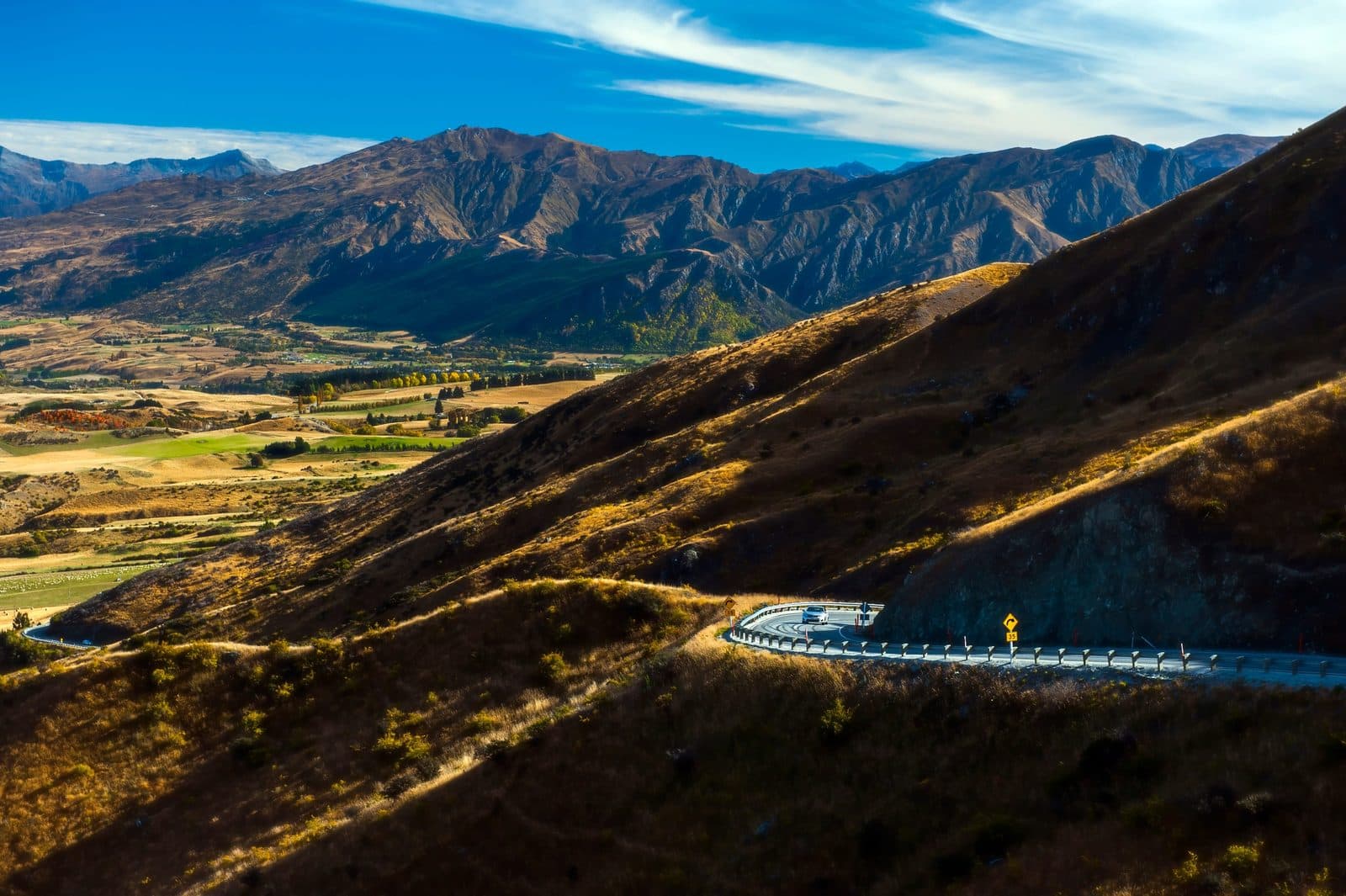
A GPS that confidently routes you across a one-lane bridge shared with trains, or down a gravel road that turns to mud after rain, is the kind of surprise that can derail an otherwise perfect day in New Zealand. The country rewards drivers who plan ahead, not because the roads are dangerous, but because distances, weather, and terrain behave differently here than most visitors expect. Here's what to sort out before you pick up the rental keys.
Rent the right vehicle for your route
A compact car works fine if you're sticking to the North Island's main highways between Auckland, Rotorua, and Wellington. But if the South Island's mountain passes, gravel roads near Mount Cook, or the West Coast's narrow highways are on your list, a vehicle with higher clearance and good tires matters more than fuel economy. Campervans are popular, but check the height restrictions before committing, since some are too tall for certain parking garages and low tunnels, including the Lyttelton road tunnel near Christchurch.
Book well in advance during December through February, New Zealand's peak summer season. Rental fleets sell out, especially automatic transmissions and campervans with self-contained certification, which you need to legally park overnight in many areas.
Budget more driving time than the map suggests
A 200-kilometer stretch in New Zealand can easily take three hours, not the two you'd expect based on speed alone. Roads twist through hill country, drop to one lane at bridges, and slow to a crawl behind logging trucks or tour buses. The open road speed limit is 100 km/h, but you'll rarely hold that pace on anything other than a straight state highway.
Use Google Maps or the NZTA journey planner for estimated times, then add a buffer of at least 20 percent, more if you're driving after dark or during winter. Trying to cram Queenstown to Milford Sound and back into a single day, for instance, is technically possible but leaves no room for the inevitable stop at a lookout or a herd of sheep crossing the road.
Understand that you'll be driving on the left
Visitors from North America, continental Europe, and much of Asia need a genuine mental adjustment period for left-side driving, and the first hour after picking up a rental is when most minor accidents happen. Roundabouts cause particular confusion, since you yield to traffic coming from the right, the opposite of what feels instinctive if you're used to driving on the right.
Give yourself an easy first stretch, ideally straight out of the airport rather than into a dense city center, to adjust before tackling anything complicated. Many rental companies post reminder stickers on the dashboard and side mirrors, and it's worth glancing at them constantly for the first day or two.
Check road conditions before mountain passes
Routes like the Crown Range Road between Wanganui and Queenstown, Arthur's Pass, and the Milford Road can close without much warning due to snow, ice, or avalanche risk, even outside the depths of winter. The NZTA website and the Milford Road alert service post real-time closures and chain requirements, and checking the night before you travel is worth the five minutes it takes.
Carrying snow chains between May and September isn't optional on several South Island routes, it's required by law regardless of whether snow is currently falling. Rental companies will usually rent chains alongside the vehicle, so ask when you book rather than at pickup.
Fuel up before you think you need to
Gas stations thin out fast once you leave the main centers, particularly on the West Coast, in Fiordland, and through the Catlins in the deep south. It's common to drive 100 kilometers or more between stations in these regions, and some rural pumps close in the early evening or don't accept international cards after hours.
A reasonable habit is refueling anytime the tank drops below half, rather than waiting until the gauge gets low. This single habit prevents most of the fuel-related stress that catches first-time visitors off guard.
Plan around one-lane bridges and gravel sections
New Zealand has hundreds of single-lane bridges, some shared with rail traffic, marked by signs indicating which direction has right of way. These aren't rare oddities, they show up regularly on routes through Golden Bay, the West Coast, and parts of Northland, so get comfortable reading the signage quickly.
Gravel roads are also more common than visitors expect, especially routes leading to trailheads, viewpoints, and smaller coastal towns. Driving these sections slower than feels necessary protects both the rental car's tires and windshield, since loose stones kicked up by oncoming traffic are a leading cause of chip damage.
Build slack into your itinerary for weather and detours
Weather changes quickly, especially in Fiordland and along the Southern Alps, and a sunny forecast in the morning can turn into heavy rain by afternoon. Touring New Zealand should be a flexible journey rather than a fixed schedule which makes a closed road or a storm a minor inconvenience instead of a wrecked itinerary.
Leave at least one buffer day every five to seven days of driving, unscheduled and unbooked. That flexibility lets you wait out bad weather, swap a hike for a scenic drive, or simply stay an extra night somewhere unexpectedly worth it.
Confirm your insurance covers gravel and unsealed roads
Standard rental insurance sometimes excludes damage sustained on unsealed roads, a detail buried in the fine print that catches people out regularly. Since gravel detours and backcountry access roads are common even on popular routes, ask specifically about this exclusion before signing anything.
Paying slightly more for comprehensive coverage that includes unsealed roads, tire damage, and windscreen chips is usually worth the peace of mind. The alternative, a surprise bill for a cracked windshield on the last day of the trip, tends to leave a worse impression than the extra insurance cost ever would.
Planning a New Zealand road trip comes down to respecting the gap between map distance and actual driving time, and building enough slack into the schedule that weather, road closures, or a spontaneous detour don't wreck the whole plan. Get the vehicle, insurance, and pacing right before departure, and the rest of the trip tends to take care of itself.