
Planning a Road Trip With an Older Dog: Routes, Stops and Mobility Tips
By
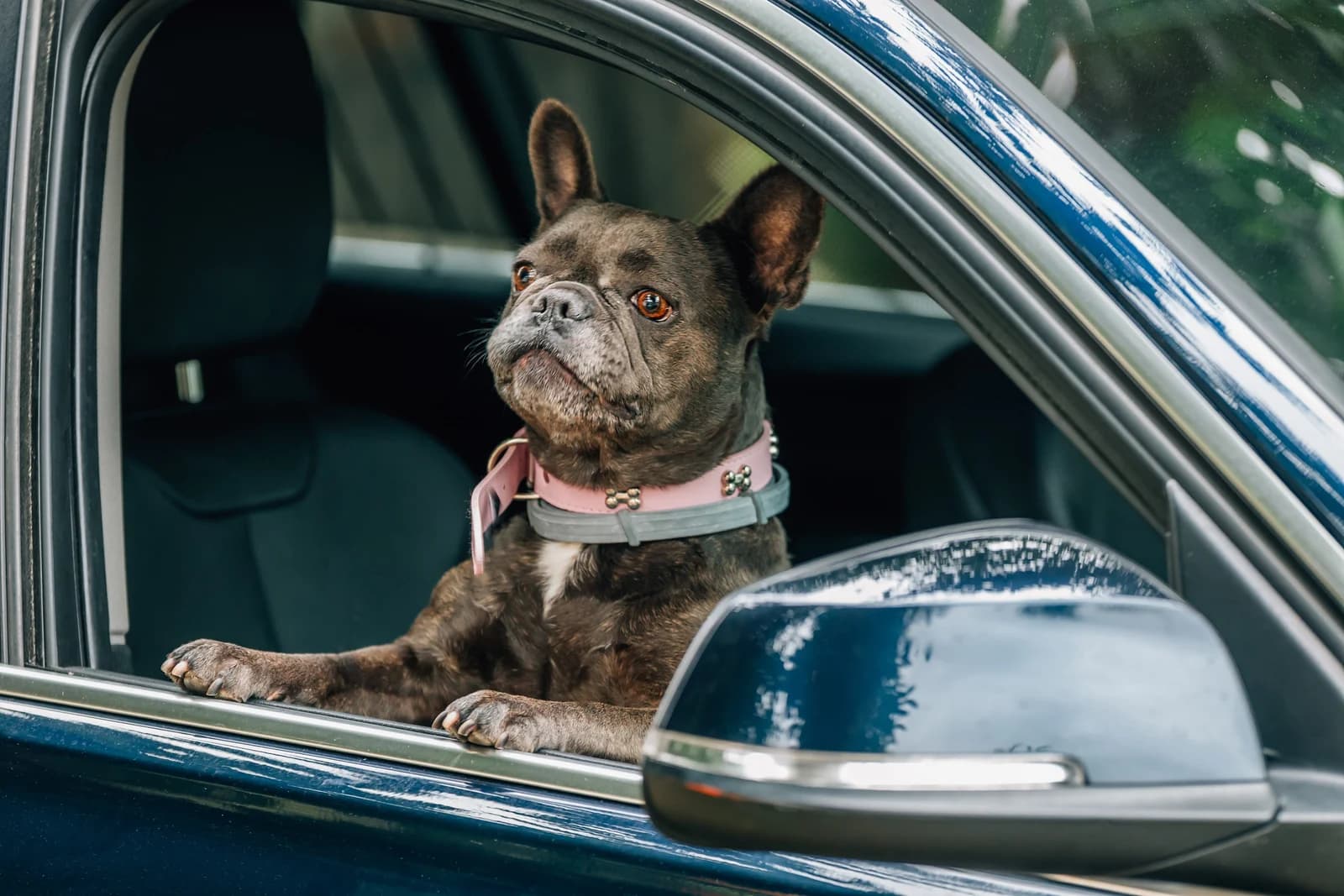
The first sign that a road trip is going to be different usually shows up at the open car door. A dog who once launched into the back seat now pauses, looks up and waits for a lift.
That pause doesn't have to cancel the trip. It means building the trip around the dog rather than squeezing the dog into an itinerary made for people.
Planning around mobility shapes more than the packing list. It changes the route, the stops and sometimes the room you book.
Choose a Route That Doesn't Ask Too Much
Before the route is final, book a check-up. The American Veterinary Medical Association (AVMA) recommends a veterinary exam before travel to make sure a pet is healthy enough for the trip. The same visit is the place to ask how far a comfortable walk is right now and which changes in movement call for rest versus a phone call.
Then comes an honest question: is this trip a good fit for this dog? Illness, injury or temperament can make travel uncomfortable for some pets, and for those dogs a reliable sitter or a vet-recommended boarding facility may be the kinder plan.
If the answer is yes, plan the route by hours in the car, not miles. Shorter driving days leave energy for a walk at the other end, and staying two nights in one place cuts out a loading day and an unfamiliar room. Skip detours that add hours to the drive for one more attraction.
Depending on the destination, interstate and international travel may require health certificates, vaccinations or other paperwork that can take weeks or even months to arrange. Check the forecast along the whole route as well, since hot afternoons can make every stop harder.
Before leaving, save your vet's number and the number of a 24-hour emergency clinic near each overnight stop.
Make Every Stop Count
On long car trips, the AVMA's travel advice suggests planning regular stops, about every two hours on long trips, so dogs can exercise and relieve themselves.
What each stop looks like is up to you. One easy routine for an older dog: water, a slow walk on grass or packed dirt, a few minutes to sniff around and some shade before loading back up. Some rest areas have a designated pet area, but a quiet park a few minutes off the highway can offer more grass and less traffic.
In summer, check the pavement before letting the dog walk on it, since asphalt at a sunny rest stop can get hot underfoot. And resist turning a stop into a long hike; the longer walk can wait for the destination.
One rule holds at every stop: never leave a dog alone in a parked car. A quick coffee stop is no exception.
Pick Dog-Friendly Accommodation Carefully
A "pet-friendly" label says little about how easy a place is for an older dog. A third-floor walk-up turns every bathroom break into a climb, and polished floors that look great in listing photos can be slippery underfoot.
A few questions are worth asking before booking:
Is there a ground-floor room or an elevator?
How many steps lead to the entrance, and are there stairs inside?
What flooring is in the room?
Is there grass or a walking area close to the door?
Are there pet fees or size limits?
Outdoor access is worth asking about directly. A door that opens near a patch of grass makes late-night and early-morning bathroom breaks far simpler than a walk down a hallway, into an elevator and through a lobby.
Inside the room, two or three non-slip rugs or yoga mats on tile or hardwood give steadier footing between the bed, the water bowl and the door.
Make the Car Easier on Aging Joints
On a road trip, the car door gets more use than any trail. Every stop can mean another climb or jump, getting out and back into the car several times a day.
Cornell University's Riney Canine Health Center lists ramps and non-slip rugs among the lifestyle changes in its guidance on osteoarthritis in dogs. Cars are one of the places it names. A ramp can reduce the need to jump, while steps may offer another option for dogs that are comfortable using them.
A ramp or steps are most useful when the dog is comfortable using them, so practice at home first. A few short sessions at the parked car, with praise and a small reward at the top, can make the first busy rest stop far less of a negotiation. If lifting is the only option, ask the vet to show you the safest way to lift this particular dog.
Inside the car, a rubber-backed mat on the seat or cargo floor gives paws something to grip, and a familiar blanket offers somewhere to settle. Secure the dog with a harness or crate in the back; a front passenger seat with an airbag is no place for a dog.
Build the Day Around the Dog's Normal Routine
A familiar routine travels well. Keep meals on the home schedule where possible, and let the morning walk, the evening walk and bedtime follow the same clock.
Pack enough food for the whole trip and all medications the dog takes, since refills on the road are hard to count on.
The same goes for supplements. If a daily chew such as Bernie's Healthy Hips is already part of the routine at home, pack enough for every day away plus a few spare days, and keep the chews in their original jar so the serving directions travel too. Anything new is better started at home, with a vet's input, than on the first night in a rental.
Snacks deserve a count as well. Waitstaff, new friends and relatives all like to offer something, and it adds up. Cornell notes that obesity places added force on joints, so vacation snacks belong inside the day's food allowance rather than on top of it.
Set up the dog's own bed in a quiet corner as soon as you arrive.
Choose Activities That Match the Dog
For dog parents, vacation can bring a pull to make up for lost time: the long beach run, the hour of fetch, the all-day hike. Cornell lists repetitive high-impact activities among the factors that can contribute to osteoarthritis, so a trip is a good time to swap the ball launcher for walks and easy hikes the dog already handles well.
Favor relatively flat, easy trails over steep or rocky routes, and match the distance to the dog's usual activity level. Split the day's walking into shorter outings with rest in between, and let the vet's answer from the pre-trip visit set the upper limit.
A sniff walk, where the dog gets time to investigate at a relaxed pace, can turn an unfamiliar street or trailhead into worthwhile enrichment without adding much distance.
Cornell names leash walks and swimming as low-impact activities, so a calm lake or a dog-friendly swimming spot can suit dogs that already enjoy the water. After a longer day out, keep the next one light.
Know When to Change the Itinerary
Away from home, changes are easier to miss. The AVMA recommends a daily health check while traveling, noting that appetite, energy and behavior can shift in unfamiliar surroundings.
For mobility changes in particular, Cornell's list of osteoarthritis signs makes a useful checklist:
Stiffness or trouble getting up after lying down
Limping or a change in gait
Reluctance to walk, run or jump
Difficulty with stairs
Irritability or other sudden changes in behavior
None of these is a diagnosis. New or worsening changes in mobility are a reason to scale back activity and contact a veterinarian for guidance. Sudden or severe symptoms may require urgent veterinary attention. That is what the emergency clinic numbers saved during route planning are for.
Build flexibility into the booking, too. Refundable rooms and activities that can be canceled make it easier to add a rest day when the dog needs one.
What to Pack
The list below covers the car, the room and the stops in between:
Enough food for the whole trip, plus the dog's usual bowls
Enough water for the drive in case a reliable water source isn't available
Every medication and any supplements already in use, in their original containers
Vaccination records and any health certificates the route requires
Current ID tags and microchip registration information
Your vet's number and the number of a 24-hour emergency clinic near each overnight stop
A harness or crate for riding in the back
A ramp or steps, if the dog uses them, and a rubber-backed mat for the seat or cargo floor
The dog's own bed, or at least a familiar blanket
Two or three non-slip rugs or yoga mats for tile and hardwood floors
A towel for wet paws
A stop bag with water, a collapsible bowl, a spare leash and waste bags
Pack the stop bag last, so it sits on top when the car door opens.