
A Coastal Weekend in Motion with Seedance 3.0
By
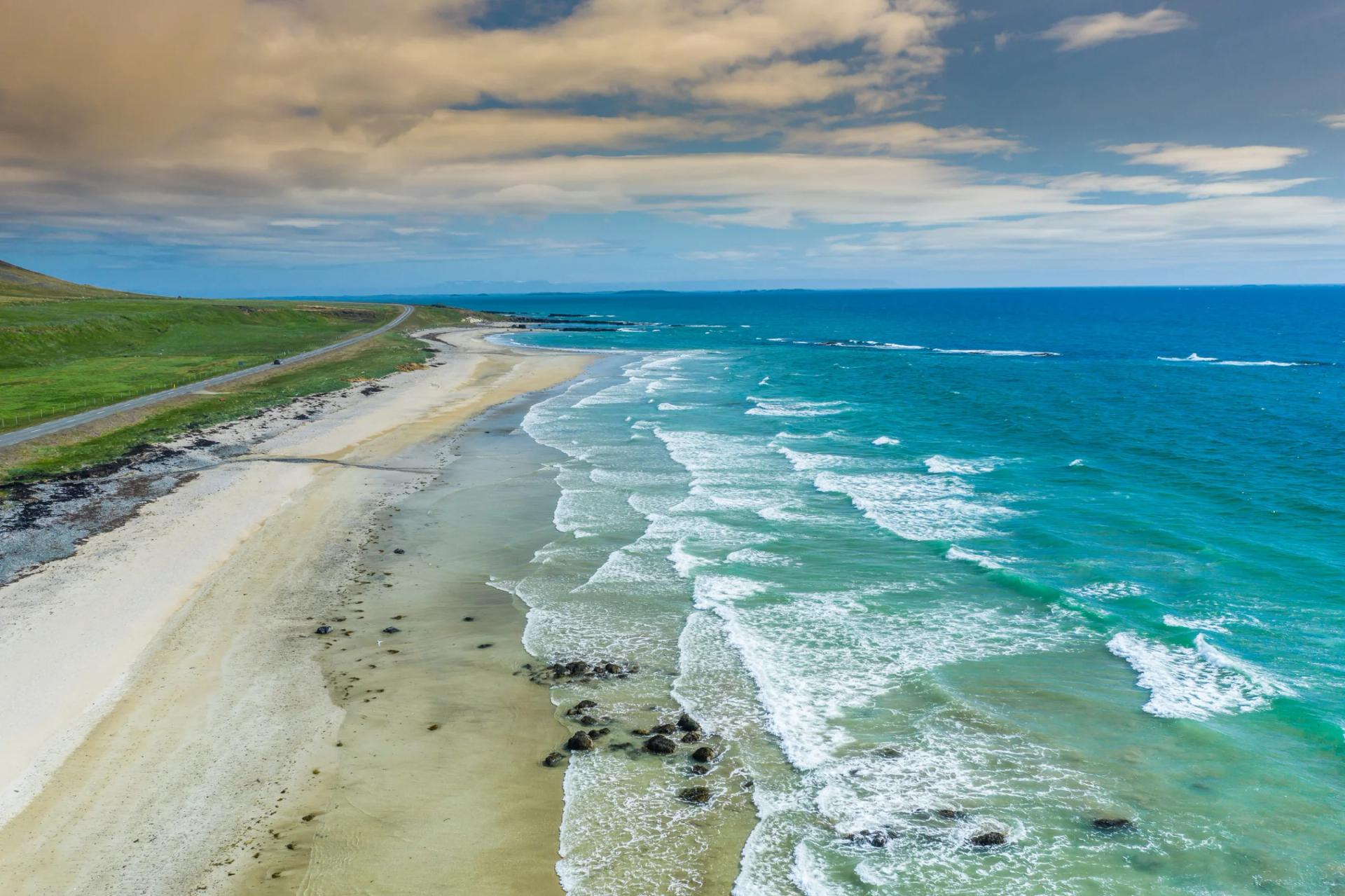
A folder of seaside photographs often contains the ingredients of a good travel film without containing much movement. There might be a harbour at breakfast, a narrow path above the water, and the last light falling across a café table. For a proposed weekend travel edit, I would connect those small moments into a short visual journey, keeping the photographs as the record of the trip and treating any generated movement as an illustration.
My starting selection would be deliberately small: one wide harbour view, a close photograph of a walking map, a coastal path, and a quiet evening table. I would choose pictures that share a believable progression of light. Mixing midday shadows with a glowing sunrise simply because both images look attractive would make the weekend feel like a collection of unrelated postcards.
Choose the journey before choosing the effects
The sequence would follow arrival, exploration, and a place to pause. I would open with the harbour, move into the walk, and end at the table. This order gives each picture a purpose beyond showing somewhere beautiful. The harbour introduces the setting, the path carries us into it, and the table suggests the pleasure of stopping after an afternoon outdoors.
Between those still moments, Seedance 3.0 could help me explore gentle camera movement and atmospheric transitions. The model supports text-to-video, image-to-video, and reference-based video generation using text, images, video, and audio together. For this travel concept, I would begin with my own photographs and describe a modest movement rather than invent a sweeping aerial view of a place I had not filmed.
That distinction matters for a travel story. A generated clip can suggest the feeling of looking across a harbour, but it should not become evidence that a particular boat, business, or viewpoint existed exactly as shown. I would label the finished piece as an illustrated travel montage where appropriate and retain the original photographs for any practical recommendations about the destination.
Start with water rather than a dramatic reveal
For the first Seedance 3.0 shot, I would select a harbour image with a clear horizon and a foreground railing. My brief would ask for a very slow move toward the water, small ripples, and steady morning light. The railing would provide a visible reference for the camera's position. I would keep boats largely still, because several vessels moving independently could distract from the calm opening.
My first Seedance 3.0 draft would be judged by that restraint. If the water became rough or a distant boat changed shape, I would simplify the instruction and shorten the movement. The photograph already contains the composition; the additional motion only needs to let the viewer settle into it. A quiet result would be more useful than a spectacular clip that no longer resembles the starting scene.
I would hold the opening long enough to hear the setting before introducing music. A brief original recording of water and footsteps could provide an audio reference for the atmosphere. If that recording contained nearby private conversation, I would choose another segment. The goal would be the sound of arriving beside the water, not an accidental focus on strangers caught in the background.
Let the path create forward momentum
The walking photograph would have a different role. Here I would want the viewer to feel a gentle pull toward the bend in the trail. A short reference clip of my own slow forward camera movement could communicate that pace, while the photograph establishes the landscape. Combining those materials in Seedance 3.0 would give each reference a clear job instead of asking several unrelated images to define the same scene.
My prompt would keep the path's shape, the horizon, and the direction of the light consistent. I would describe grass moving lightly in the breeze and avoid adding walkers or animals. A person appearing around the bend would change the story and introduce continuity questions. The route itself is enough to carry the viewer forward when the framing gives it room.
If the generated camera drifted too far toward the edge, I would revise the motion reference or reduce the requested movement. I would not present the clip as a navigational guide. Real route information belongs in a separate caption based on verified trip notes, while the moving image communicates the experience of the landscape. Keeping those jobs separate makes the final video easier to trust and easier to watch.
Use a small detail to connect two locations
A close view of the folded map could bridge the harbour and the path. I would film or photograph it on a neutral surface, leaving any route labels readable only in the original material. A slight camera move across the paper would be enough. In the editor, I could cut from a line on the map to the curve of the actual trail, linking the two images through their shapes.
This is a useful place to keep Seedance 3.0 away from unnecessary complexity. I would not request an animated map with precise place names and changing directions. Instead, I would generate the simple paper movement and add any needed route graphic separately. The viewer would still understand that the walk follows the morning arrival, without needing the AI clip to reproduce factual cartography.
The transition would also provide a change of scale. After a wide harbour shot, the close map gives the eye a brief rest before the landscape opens again. I would trim the map shot tightly so it feels like a passing action rather than a separate subject. A soft paper sound could carry the cut if the original recording was clean enough.
Find the ending in a place to sit
For the final scene, I would choose the café table rather than another panoramic view. A cup, an empty chair, and warm light suggest the end of a walk without needing a spoken explanation. My Seedance 3.0 instruction would focus on a small movement toward the table and a faint shift in the light, keeping the cup and chair stable throughout the shot.
I would avoid inventing steam if the photographed drink was cold, or adding food that was not in the reference. Those details might seem minor, but they move the image away from the memory it is meant to support. If the result needed more life, a subtle curtain movement or a soft reflection on the tabletop would be a better starting point than a new object.
In the edit, the evening scene would run slightly longer than the map insert. That extra breathing room would let the film finish on a different rhythm from the walking section. I would lower the music, bring back a little ambient sound, and end before the quiet moment starts to feel empty. A short destination caption could follow on a separate clean frame.
Keep the finished video useful and honest
Before exporting, I would compare every Seedance 3.0 scene with its source photograph, checking the skyline, paths, and objects that identify the place. I would keep the final sequence compact and prepare a vertical version only after checking that the narrower crop still shows the route through each frame. Cropping should not remove the very detail that gives a shot its purpose.
The resulting Seedance 3.0 montage would be a proposed way to share the mood of a coastal weekend, with the original photographs and factual captions preserving the practical record. I would want viewers to remember the sequence of experiences: arriving by the water, following a path, and finding a quiet seat. That small arc is often enough to make a travel video feel like a journey.