
Before You Chase the Deep: How to Book a Swordfish Fishing Trip with Confidence
By
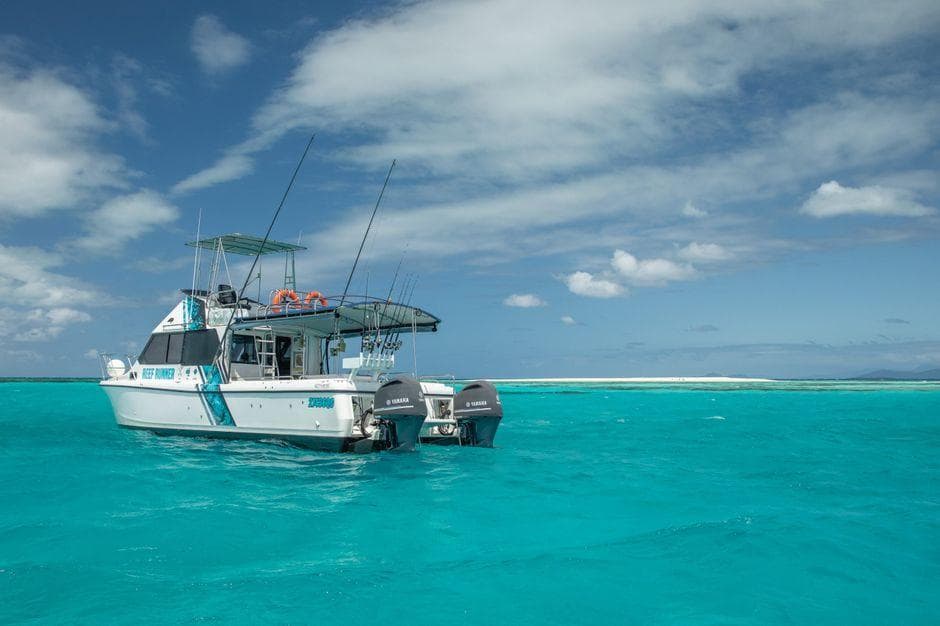
A swordfish trip promises a very different kind of day on the water. It is less about casting a line and hoping for a bite, and more about patience, preparation, specialized equipment, and the skill to work far offshore. The payoff can be unforgettable, but the experience is easier to enjoy when you know what you are booking. Before paying a deposit, understand how these trips operate, what a professional crew should provide, and which details deserve a closer look.
Understand What Makes Swordfishing Different
Swordfish are powerful, fast-moving predators that spend time across a wide range of depths. During daylight hours, they often move into deep, cooler water; at night, they may rise closer to the surface to feed. That behavior shapes the techniques captains use and helps explain why swordfishing can feel so technical compared with more familiar outings.
Daytime trips often rely on deep dropping, which involves sending bait far below the boat with substantial weights and specialized tackle. Night trips may use drifting setups, illuminated gear, and a different approach to bait presentation. Neither method guarantees a catch, and the best option depends on conditions, seasonal patterns, and the captain’s experience. Ask whether the crew recommends a particular approach for the time of year and what makes it suitable.
Choose a Charter That Knows the Technique
A good charter provides far more than transportation and a rod. You are paying for a captain’s judgment, offshore navigation, appropriate tackle, bait preparation, safety procedures, and the ability to adjust when current or weather changes the plan.
When comparing swordfish fishing charters, ask whether swordfish are the main target or simply one possibility among several species. Find out how regularly the crew runs these trips, how long you will be offshore, how many anglers will share the boat, and whether tackle, licenses, bait, and fish cleaning are included in the quoted price.
Listen to how the captain explains the plan. Someone with relevant experience should be able to discuss likely depths, rigging, current, weather windows, and the approach planned for the day without promising a guaranteed catch. Clear, realistic answers are more reassuring than dramatic claims or a gallery of impressive fish photos. You should also feel comfortable asking follow-up questions; a professional crew should explain the plan without making you feel pressured to book.
Compare Day Trips with Night Trips
Daytime deep dropping can involve heavy weights, electric or manual reels, and careful boat positioning to keep bait in the intended zone. The process rewards precision and patience. Night fishing may involve drifting in darkness while lights help anglers monitor parts of the rig. It can feel atmospheric, but darkness also makes organization and communication especially important.
For a useful overview of swordfish behavior and habitat, read NOAA Fisheries’ swordfish guide. Understanding why the fish move through different depths makes the captain’s chosen approach easier to follow.
Ask the Questions That Matter Before Paying
Before committing, get the important details in writing. Confirm the trip’s duration, the number of people aboard, what the fee covers, and whether gratuity is separate. Ask what happens if the weather makes departure unsafe, including whether you can reschedule or receive a refund.
Clarify the rules for keeping or releasing a fish. Regulations vary by fishery and can include licensing, size limits, catch limits, and reporting requirements. The captain should explain the rules that apply to the trip, but it is sensible to understand them yourself rather than assuming every location follows the same requirements. Confirm who is responsible for any required permits and catch reporting.
Pack for Comfort, Not for Every Possibility
Choose secure, non-slip footwear and lightweight layers that protect you from the sun. Bring a waterproof outer layer because spray and changing conditions can make the boat feel colder than expected. Polarized sunglasses are useful in daylight, while a hat and sunscreen help limit sun exposure.
If motion sickness is a concern, plan ahead and ask a medical professional or pharmacist about suitable options before departure. Do not wait until the boat is already moving to think about prevention. Bring water and simple snacks if the captain permits them, along with a phone or camera protected in a waterproof pouch.
Take Weather and Safety Seriously
Offshore conditions can change quickly. Wind, swell, current, and visibility affect both comfort and the crew’s ability to fish effectively. A forecast that looks manageable near shore may not tell the full story farther out, so the captain’s local assessment matters.
The same care should be evident in the safety briefing. You should know where essential equipment is located, how to move safely around the deck, and what the crew expects when a fish is hooked. For broader preparation, the National Weather Service’s boating safety guidance offers useful background on taking changing marine conditions seriously.
Set a Realistic Budget and Definition of Success
Swordfish charters can cost more than simpler fishing trips because offshore travel, fuel, electronics, bait, and specialized tackle all add to operating expenses. Comparing prices is useful, but the lowest quote is not automatically the best value. Look at trip length, crew experience, group size, included equipment, and the operator’s focus on swordfish.
Most importantly, do not measure the entire day by whether a swordfish comes aboard. Fishing involves uncertainty, even with an experienced captain and carefully chosen conditions. A captain can improve the odds through preparation and decision-making, but cannot control fish behavior or promise a result. A well-run trip can still be worthwhile if you learn how deep-drop fishing works, see the crew adapt to changing circumstances, and feel informed and safe throughout the outing.
Make the Booking with Confidence
A memorable swordfish trip starts well before the first line hits the water. Choose a crew that can explain its methods, answer direct questions about cost and safety, and prepare for a long day offshore. Give the weather some flexibility, pack thoughtfully, and remember that a serious fishing experience is not a guaranteed photo opportunity.
With clear expectations and a capable crew, you can enjoy the challenge for what it is: a patient, skill-driven pursuit of a remarkable fish. And if the rod finally loads up and the fight begins, you will be ready to appreciate every moment.