
Essential Tips for Selecting Your Ideal Wedding Venue
By
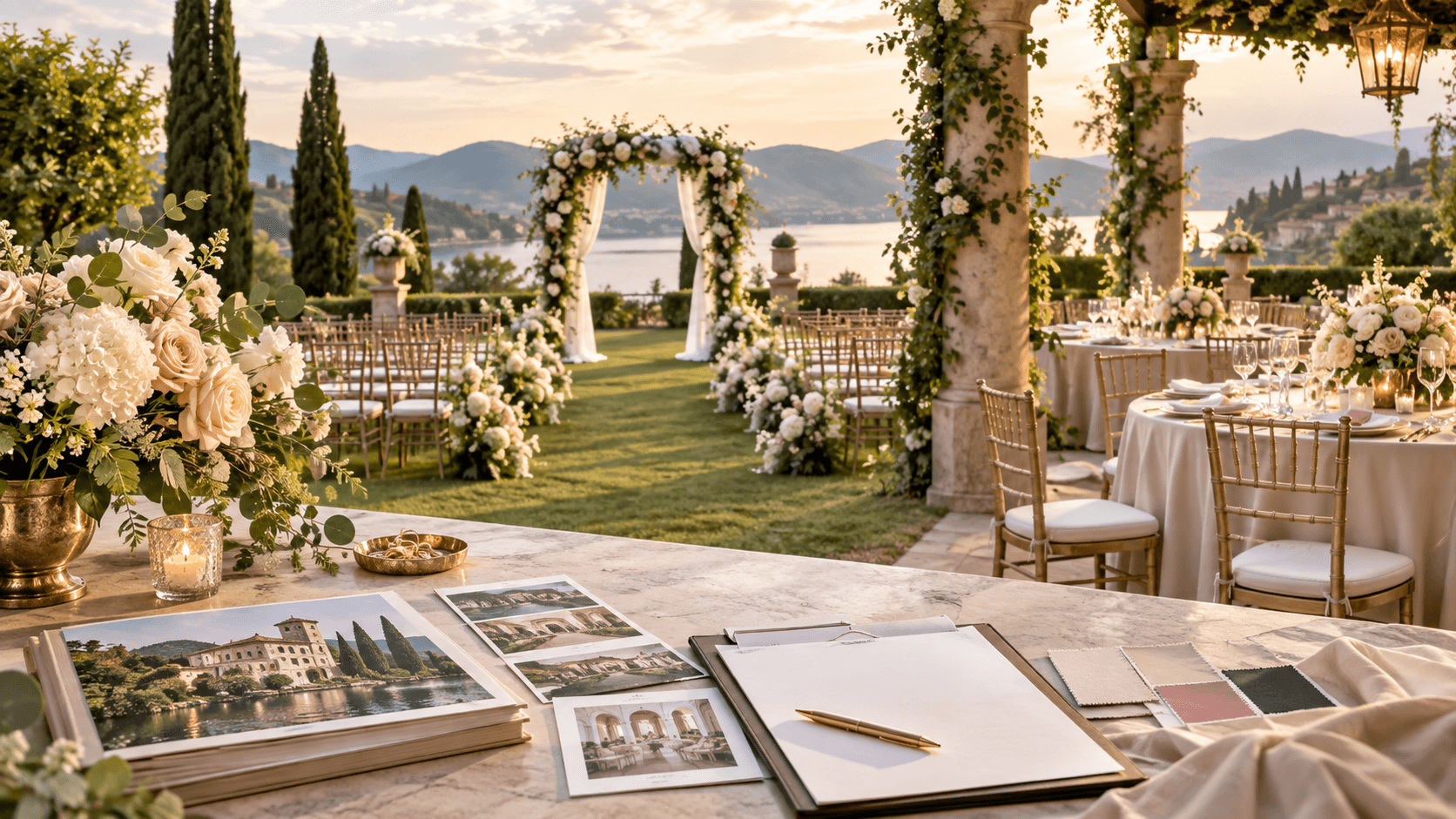
Choosing a wedding venue is one of the earliest decisions that can shape nearly every other part of the celebration. The setting influences the atmosphere, guest experience, photography, catering arrangements, schedule, and even the type of decorations that will work well. With so many options available, it can be tempting to choose based on appearance alone.
It is also useful to think about practical factors such as accessibility, weather, parking, and local requirements. The U.S. Access Board's accessibility guidance can provide useful background when evaluating how comfortably different guests may navigate a venue.
Taking a structured approach makes the selection process easier and helps couples compare venues based on what will actually matter on the wedding day.
1. Start With the Setting and Overall Atmosphere
The venue should fit the type of celebration you want to create. Before looking at individual features, think about the atmosphere you want guests to experience.
Do you picture an elegant indoor reception, a relaxed outdoor ceremony, a rustic celebration surrounded by nature, or a combination of indoor and outdoor spaces? Your answer can quickly narrow down the options.
For couples interested in scenic surroundings and a countryside atmosphere, a Black Bear Country Club Wedding Venue may be one type of setting to consider when comparing locations. Black Bear Country Club combines outdoor scenery with dedicated event spaces, offering an example of how the surrounding landscape can influence the feel of a wedding without becoming the only consideration.
Look at the Venue in Person
Whenever possible, visit a venue before making a decision. Online photographs can be useful, but they rarely show everything.
Walk through the ceremony area, reception space, entrances, restrooms, outdoor areas, and parking facilities. Imagine how the venue will look and function when it is filled with your guests.
2. Determine the Right Capacity
Guest capacity is one of the most important practical considerations.
A venue may advertise a maximum capacity, but that number does not necessarily represent the most comfortable arrangement for your specific wedding. Tables, a dance floor, buffet stations, bars, entertainment equipment, and other requirements all take up space.
Ask the venue to show you possible floor plans for your estimated guest count.
Think About Guest Movement
Consider how guests will move throughout the event.
If the ceremony, cocktail hour, and reception are in different areas, determine whether guests can move between them easily. Long distances, narrow walkways, stairs, or confusing layouts can become inconvenient, particularly for older guests or anyone with mobility limitations.
3. Consider Your Total Wedding Budget
The venue fee is only one part of the overall cost.
Before signing a contract, find out exactly what the quoted price includes. Depending on the venue, additional costs may involve catering, service charges, rentals, setup and cleanup, staffing, security, parking, or overtime.
Create a complete estimate rather than comparing venues based only on their initial prices.
Ask About Hidden or Additional Fees
Ask direct questions about:
Service and administrative fees
Taxes
Overtime charges
Setup and breakdown
Tables and chairs
Linens
Audio equipment
Bar service
Cake-cutting fees
Vendor-related charges
Having these details in writing makes the final comparison much more accurate.
4. Review Ceremony and Reception Options
Some couples want the ceremony and reception in the same room, while others prefer separate spaces.
Think about which arrangement would make the day easier for your guests and vendors.
If you want an outdoor ceremony followed by an indoor reception, check how easily the transition can happen. Guests should not have to navigate complicated routes or wait unnecessarily between parts of the celebration.
Ask About Setup Time
Find out when vendors can access the venue.
Florists, decorators, musicians, photographers, caterers, and rental companies may need several hours to prepare. Limited access can affect your timeline and potentially increase vendor costs.
5. Have a Reliable Weather Backup
Outdoor weddings require a realistic contingency plan.
Weather can affect ceremonies, photographs, transportation, and guest comfort. A venue should have a clear alternative if outdoor plans become impractical.
The National Weather Service's outdoor event safety guidance is a useful general resource for understanding why weather conditions should be monitored when planning outdoor activities.
Ask Specific Weather Questions
Do not settle for a vague promise that there is an indoor option.
Ask:
Where would the ceremony move?
How many guests can the backup space accommodate?
When would the decision be made?
Who makes the final call?
Can vendors move their equipment quickly?
Would the backup arrangement change the reception layout?
A strong contingency plan should be practical, not simply theoretical.
6. Examine Catering and Food Service
Food is a major part of the guest experience, so understand how catering works before booking.
Some venues provide in-house catering, while others allow outside caterers. Ask about menu flexibility, tastings, dietary accommodations, beverage packages, and service arrangements.
If you have guests with allergies or specific dietary requirements, discuss those needs early.
Consider the Meal Format
Think about whether your preferred meal style suits the venue.
A plated dinner may require a different setup from a buffet, family-style meal, food stations, or cocktail-style reception. The space should allow servers and guests to move comfortably without creating bottlenecks.
7. Check Vendor and Decoration Rules
Your choice of venue may affect which vendors you can hire.
Some locations have preferred-vendor lists, while others allow couples to select their own professionals. Before booking, ask about outside photographers, caterers, DJs, bands, florists, rental companies, and planners.
Decoration rules also deserve attention.
Ask About Restrictions
Find out whether the venue limits:
Candles or open flames
Confetti
Hanging decorations
Adhesive materials
Outside food or beverages
Large installations
Live entertainment
Amplified music
Knowing these restrictions early can prevent you from choosing a design that cannot be implemented.
8. Evaluate Photography Opportunities
The venue will become part of your wedding photographs, so think beyond the main ceremony and reception areas.
Look for locations that offer different backgrounds and lighting conditions. Gardens, trees, architecture, water features, open landscapes, and indoor spaces can all provide variety.
Ask your photographer to consider the position of the sun at the time of your ceremony and portraits.
Plan for Weather Changes
A venue with attractive indoor photography locations gives you more flexibility if rain, excessive heat, or strong winds affect outdoor plans.
During your site visit, identify several portrait locations rather than relying on one favorite spot.
9. Think About Accessibility and Guest Comfort
A venue should be comfortable for the people attending, not just attractive to the couple.
Consider parking, entrances, elevators, stairs, pathways, seating, restrooms, and the distance between event spaces.
If your guest list includes people with mobility limitations, ask whether accessible routes are available throughout the areas they will need to use.
Temperature and seating should also be considered. Outdoor ceremonies may require shade, fans, heaters, or other measures depending on the season.
10. Read the Contract Before Making a Commitment
After finding a venue you like, take time to review the contract carefully.
The agreement should clearly explain payment schedules, deposits, cancellation terms, guest-count deadlines, event hours, vendor policies, setup requirements, and responsibilities for damage or cleanup.
Clarify Anything You Do Not Understand
Never assume that a verbal agreement automatically forms part of the contract.
If a venue representative promises a particular service, room arrangement, vendor allowance, or scheduling flexibility, ask whether it can be included in the written agreement.
It is much easier to resolve uncertainties before signing than after wedding plans are already underway.
Conclusion
Selecting the ideal wedding venue involves more than finding an attractive location. The right choice should support your preferred atmosphere while also working for your guest count, budget, schedule, vendors, food service, photography, and accessibility needs.
Start with the elements that matter most to you, then evaluate each venue using the same criteria. Visit locations in person, ask detailed questions, understand the complete cost, and review the contract carefully.
A thoughtful venue decision can make the rest of the planning process considerably easier. More importantly, it creates a setting where guests can enjoy the celebration comfortably and where the couple can focus on the moments that matter most.
FAQs
1. When should couples start looking for a wedding venue?
Many couples begin searching 12 to 18 months before their preferred wedding date, although the ideal timeline depends on location and season. Popular venues and peak-season dates can book earlier. Starting sooner gives couples more flexibility when comparing availability, pricing, guest capacity, and different venue styles.
2. What questions should I ask when touring a wedding venue?
Ask about capacity, pricing, catering, vendor policies, setup times, event hours, accessibility, parking, decorations, weather backups, and cancellation terms. Also ask what is included in the venue fee and which services cost extra. Written answers make it easier to compare multiple locations accurately.
3. Should the ceremony and reception be at the same venue?
Keeping both events at one venue can simplify transportation and reduce movement for guests. However, separate locations may offer greater flexibility or a specific atmosphere for each part of the day. Consider travel time, guest convenience, setup requirements, and your overall wedding schedule before deciding.