
How to Blend a Modern Wedding with a Historic Wedding Venue
By
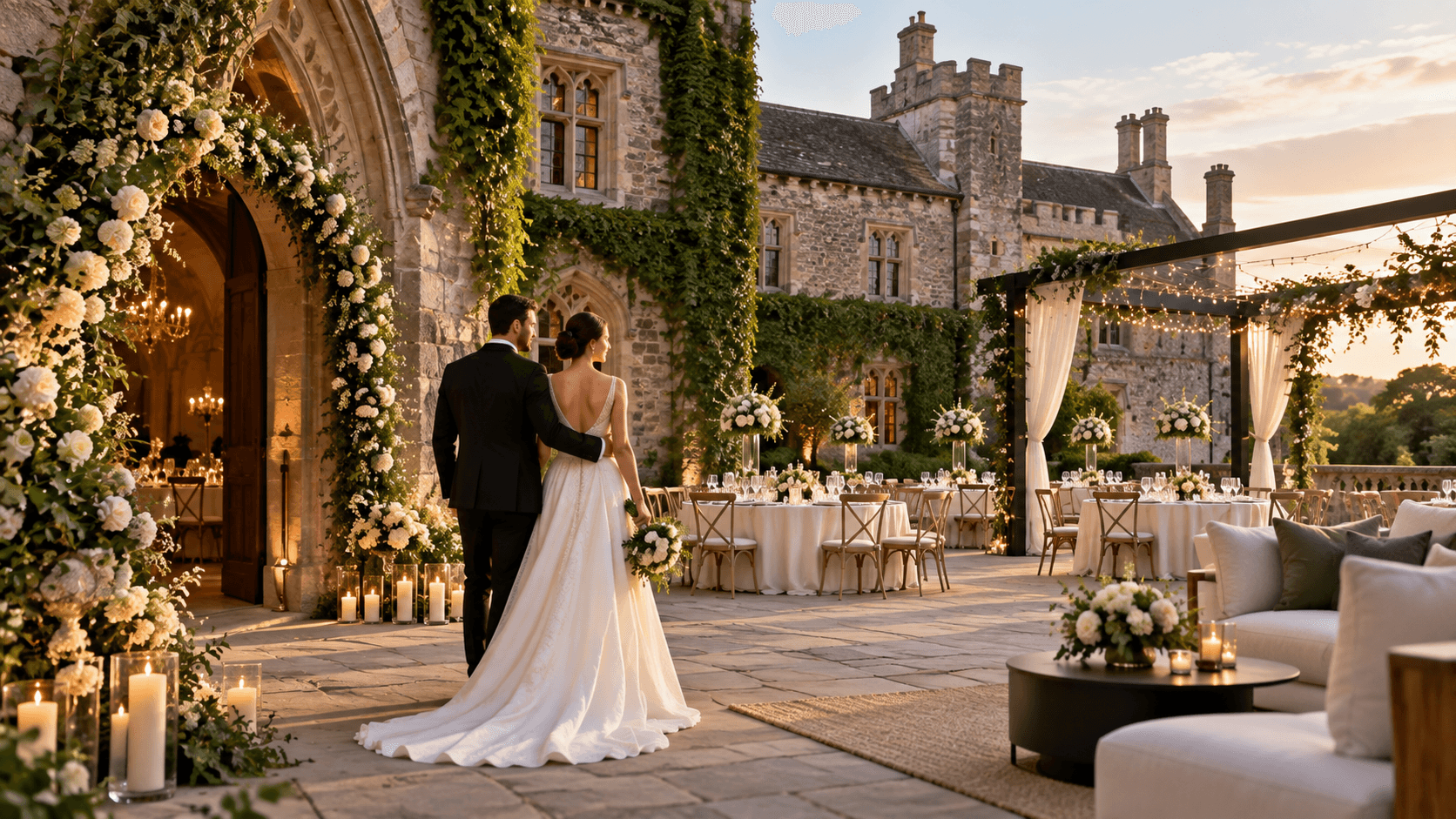
A historic wedding venue offers something that a newer event space cannot easily recreate: a sense of place. Original architecture, distinctive interiors, old-world details, and stories connected to the property can give a wedding an atmosphere that feels personal before any decorations are added.
The key is not to choose between old and new. Instead, couples can treat the venue's existing character as the foundation and introduce modern details selectively. The U.S. National Park Service's guidance on preserving historic properties emphasizes retaining distinctive materials, features, and spaces when adapting historic buildings for continued use. That principle can also inform thoughtful wedding décor.
1. Let the Architecture Set the Direction
The easiest way to blend modern style with a historic venue is to begin with what is already there.
Identify the defining features
Before choosing décor, look closely at the venue's architectural details. These might include:
Exposed brick or stone
Original wood floors
Decorative ceilings
Arched windows
Historic staircases
Ornamental moldings
Vintage doors
Period lighting fixtures
Courtyards or gardens
These features can provide the visual foundation for the wedding instead of competing with it.
Couples planning a celebration at a Historic German House Wedding & Event Venue might consider how the building's existing character can influence the color palette, furniture selection, floral design, and overall atmosphere.
Avoid covering everything
Modern décor does not need to hide historic architecture. In many cases, keeping architectural details visible creates a stronger contrast with contemporary elements.
A simple tablescape against an old brick wall can feel more intentional than covering the wall with elaborate decorations.
2. Choose Modern Décor With Restraint
Modern design does not necessarily mean using every current wedding trend. A few carefully selected elements can make a historic venue feel fresh without overwhelming its character.
Focus on clean lines
Furniture with simple silhouettes can provide a visual counterpoint to detailed historic architecture. Sleek chairs, streamlined tables, geometric signage, and minimal centerpieces can create this contrast.
Limit competing textures
Historic venues may already have plenty of visual texture. Adding too many patterns, colors, and decorative materials can make the room feel crowded.
Choose a small number of complementary materials and repeat them throughout the space for consistency.
3. Build a Contemporary Color Palette
Color is one of the easiest ways to give a historic venue a modern identity.
Start with the venue
Look at the existing colors of the walls, flooring, woodwork, stone, and architectural features. Instead of trying to cover them, build the wedding palette around them.
Neutral colors can work particularly well because they allow historic details to remain visible while creating a clean backdrop for modern accents.
Add one or two stronger tones
A contemporary wedding might use white, cream, beige, or soft gray as a foundation and introduce a stronger color through flowers, stationery, tableware, or attire.
The goal is balance rather than contrast for its own sake.
4. Combine Old and New Materials
Material choices can help connect different design periods.
Pair natural materials with contemporary finishes
Wood, stone, linen, glass, metal, and ceramics can work together when used thoughtfully. For example, a rustic wooden table can be paired with modern glassware and simple metal candleholders.
This creates a layered look without forcing the venue into a particular historical period.
Use repetition to create cohesion
If brass appears in the table settings, it can be repeated in signage or lighting details. If glass is used for centerpieces, similar transparent elements can appear elsewhere.
Repeated materials make different design elements feel connected.
5. Use Lighting to Change the Atmosphere
Lighting can dramatically influence how a historic wedding venue feels after sunset.
Highlight architectural details
Uplighting or carefully positioned fixtures can draw attention to columns, arches, exposed walls, ceilings, or other features without permanently altering the property.
Add contemporary lighting elements
Modern pendant lights, candles, table lamps, or discreet string lighting can introduce a newer visual layer.
6. Keep Floral Design Contemporary
Flowers can bridge traditional architecture and modern wedding styling particularly well.
Choose intentional arrangements
Instead of filling every available surface with flowers, consider a few strong installations. Sculptural arrangements, asymmetrical designs, or arrangements with plenty of negative space can create a contemporary feel.
Work with the surroundings
If the venue has gardens, mature trees, stonework, or other natural features, floral choices can complement those elements rather than compete with them.
A modern arrangement can still feel appropriate when its colors and textures relate to the setting.
7. Modernize the Table Setting
Reception tables provide plenty of opportunities to introduce contemporary details.
Simplify the place settings
Clean dinnerware, simple menus, neutral linens, and understated glassware can create a polished look.
A historic venue does not require vintage table settings. In fact, modern pieces can make the architectural surroundings more noticeable by creating a deliberate contrast.
Add personal details selectively
Custom menus, handwritten notes, modern escort cards, or personalized favors can add personality without making the table visually busy.
8. Create a Modern Guest Experience
Blending historic design with modern expectations is not limited to aesthetics. The overall guest experience matters just as much.
Make navigation easy
Historic buildings can sometimes have unusual layouts, multiple rooms, narrow corridors, or areas that guests may not immediately understand. Clear signage can help people move comfortably between the ceremony, cocktail area, reception, restrooms, and other spaces.
Consider accessibility
Before booking a historic venue, ask about accessible entrances, restrooms, seating arrangements, parking, and routes between event spaces.
Preserving historic character should not mean overlooking practical guest needs.
9. Introduce Modern Entertainment
Entertainment can reinforce the contemporary side of the wedding without changing the venue itself.
Think beyond traditional setups
A modern DJ booth, curated playlist, live electronic music, interactive guestbook, photo experience, or carefully designed dance floor can bring a current energy to an older setting.
The entertainment should still work with the space. Volume, equipment placement, electrical requirements, and venue restrictions should be discussed in advance.
Keep technology discreet
Technology can improve the guest experience without becoming the focal point. Screens, speakers, projectors, and cables should be positioned thoughtfully so they do not distract from architectural details.
10. Use Stationery to Establish the Wedding Style
Invitations and day-of stationery give guests their first indication of the wedding's aesthetic.
Blend classic references with modern typography
A traditional venue does not require elaborate vintage stationery. A clean typeface combined with subtle architectural illustrations, textured paper, or a restrained color palette can communicate both historic and contemporary influences.
Carry the design throughout the event
The same visual language can appear on menus, seating charts, ceremony programs, signage, and thank-you cards. Consistency helps the modern elements feel intentional rather than added at the last minute.
11. Plan Décor Around the Venue's Restrictions
Historic properties may have rules about what can be attached to walls, floors, ceilings, windows, or other architectural surfaces.
Ask questions before designing
Before ordering décor, confirm:
Where installations are permitted
Whether candles are allowed
What hanging methods can be used
Whether furniture can be moved
What lighting equipment is permitted
Where vendors can load and unload
When setup and breakdown can occur
The National Park Service provides examples of historic wedding sites where decorations must be self-supporting and cannot damage historic surfaces.
Design around limitations
Restrictions do not necessarily limit creativity. Freestanding floral structures, floor-based lighting, removable signage, and carefully positioned furniture can achieve a polished look without modifying the building.
12. Create a Balance Between Eras
The strongest modern historic weddings usually avoid making either style dominate.
Use the 70/30 approach
One practical way to think about the design is to let the venue provide roughly 70% of the visual character while modern décor contributes the remaining 30%.
This is not a strict design formula. It simply encourages couples to work with the building rather than against it.
Give important details room to breathe
If the venue has an impressive staircase, fireplace, ceiling, or window, avoid placing excessive décor directly around it. Negative space can make architectural features more noticeable.
Conclusion
Blending a modern wedding with a historic wedding venue is ultimately about finding a visual and practical balance. The architecture provides character, while contemporary décor, lighting, florals, entertainment, stationery, and guest amenities bring the celebration into the present.
Rather than trying to transform a historic space completely, couples can use its existing features as part of the design. Thoughtful contrasts between old and new can make the wedding feel personal, current, and connected to its setting.
The most effective approach is usually selective. Preserve what makes the venue distinctive, then introduce modern details where they improve the atmosphere, functionality, or guest experience.
FAQs
1. Can a modern wedding work in a historic venue?
Yes. Modern weddings can work especially well in historic venues when contemporary elements are introduced selectively. Clean furniture, modern floral arrangements, simple stationery, and updated lighting can create contrast while allowing original architectural details to remain visible.
2. How can couples decorate a historic wedding venue without damaging it?
Couples should ask the venue about decoration restrictions before planning installations. Freestanding structures, removable signage, floor-based décor, and temporary lighting can provide visual impact without attaching items directly to historic walls, ceilings, floors, or other protected features.
3. What colors work well for a modern wedding in a historic venue?
Neutral palettes are often a practical starting point because they complement existing architecture without competing with it. White, cream, beige, gray, and natural tones can be paired with one or two stronger accent colors through flowers, stationery, tableware, or other carefully selected details.