
Group Trips: One Packing List, No Duplicates
By
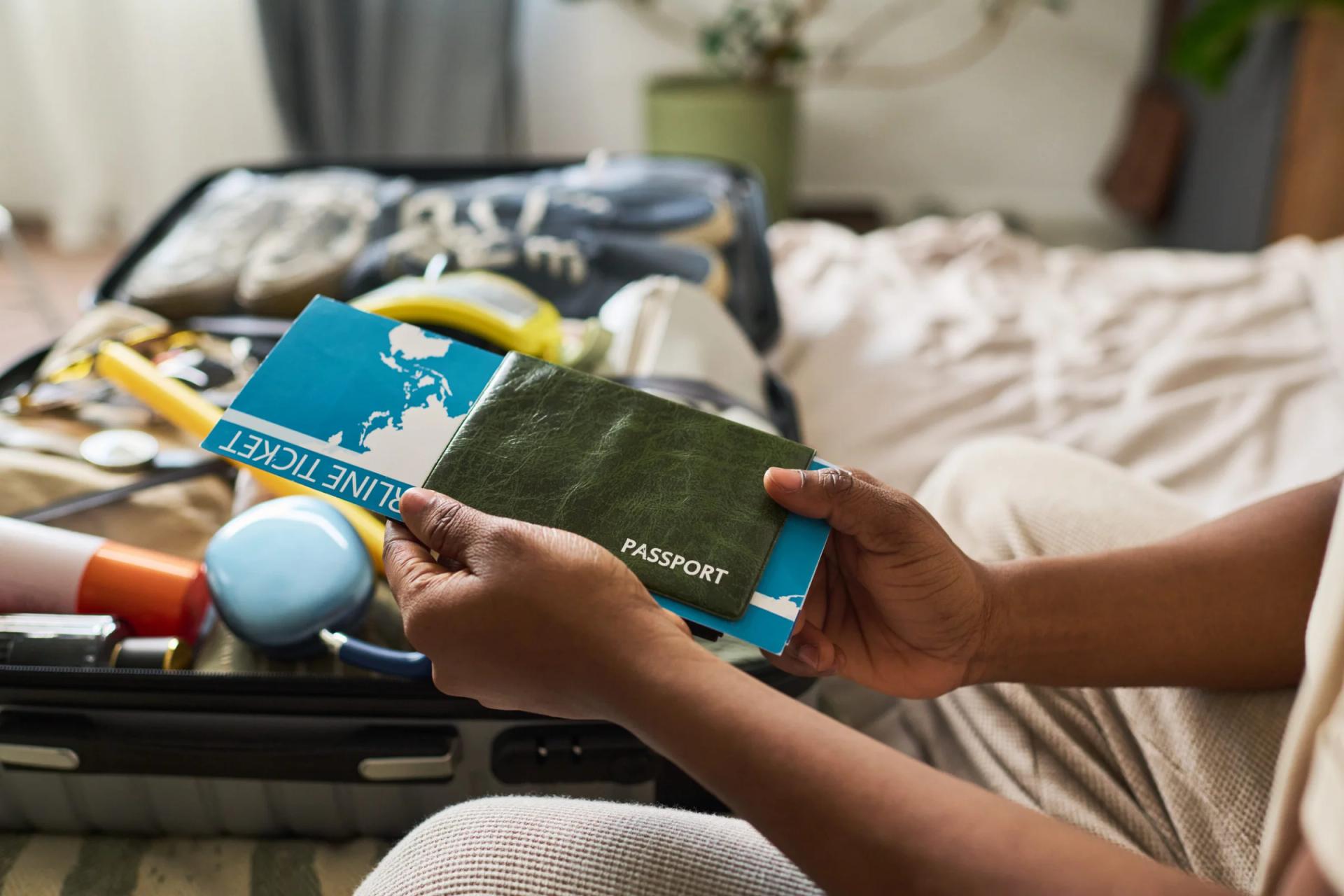
Every group trip begins with the same small disaster, and it usually happens at the first hotel.
Five friends open five bags. Out come four hair dryers. Three travel irons nobody admits to packing. Two full-size bottles of the same shampoo. And the one thing the whole group actually needs — a phone charger that fits the local sockets? Nobody brought it. Everyone was sure someone else had.
Group packing fails in a very specific way: not because people pack badly, but because everybody packs alone. Each person makes a private list, guesses what the others are bringing, and guesses wrong in the same places. The result is a group carrying five of some things and zero of others — on the same trip, in the same bags.
The fix is almost embarrassingly simple: pack from one list, together. Here is how to run it.
Split the list into "mine" and "ours"
Most of a packing list is personal, and it should stay personal: your clothes, your medicine, your documents, your toothbrush. Nobody needs a committee meeting about your socks.
But every group trip also has a second, invisible list — the shared things. One of them per group is enough, and they're exactly the things that get duplicated or forgotten:
Chargers, cables and a power bank
Sunscreen and insect repellent
A small first-aid kit — plasters, painkillers, blister care
Toiletries the group can share, like shampoo
Snacks and water for travel days
A speaker, a deck of cards, small games for slow evenings
A laundry bag and a few bags for wet or dirty things
Copies of the bookings and tickets
Write that second list down where everyone can see it. That single move kills most group packing chaos before it starts, because a thing can only be "someone else's job" if nobody wrote it down.
Every shared item gets one name next to it
A shared list without owners is just a wish. The rule that makes it work: every shared item gets exactly one person's name.
Not "someone brings sunscreen" — Maya brings sunscreen. Not "we need a power bank" — Daniel's power bank, in Daniel's bag, and Daniel knows it.
This does two things at once. The item actually gets packed, because one specific person is responsible. And it only gets packed once, because everyone else can see it's covered and leave theirs at home. Four hair dryers become one — or, on most trips, zero, because the hotel has one and now the whole group knows it before packing, not after.
Build the list from the trip, not from habits
A shared list works best when it's built from what the group will actually do. A hiking weekend needs the first-aid kit and the blister care. A beach trip needs one big sunscreen, not five small ones. A city break in winter needs nobody's hair straightener and everybody's warm layer.
The weather matters here too — for the whole group. If the forecast says rain on day two, one person bringing the group umbrella plan beats five people each packing "just in case" rain gear that never gets used. Check the forecast for your dates, build the list from the trip in front of you, and let the imaginary trips go.
This is the part that's much easier with a tool than with five separate notes apps. A shared list that everyone can see and tick off live — like the one in Packmates AI, which builds the list from your destination, dates, the forecast and your activities, and keeps it synced for the whole group — means when one person packs the first-aid kit, everyone sees it happen. No group-chat archaeology the night before. No "wait, I thought YOU were bringing that."
Split the carrying, not just the list
Shared items still have weight, and it's not fair — or smart — for one bag to carry all of it. Once the shared list has owners, look at the heavy things: the speaker, the full first-aid kit, the group snacks. Spread them across bags so nobody's suitcase is the group's storage unit.
There's a travel bonus here too: if one bag is delayed or lost, the shared things are spread out, so the group still has most of what it needs. Five people with a fifth of the shared kit each can handle a missing bag. One person carrying everything for everyone cannot.
The night-before check takes ten minutes
The evening before the trip, the list gets one quick pass. Every shared item should be ticked off by its owner — packed, in the bag, done. Anything not ticked is visible while there's still time to fix it calmly: a shop run, a borrow, a swap.
Compare that with the usual system, where the missing charger is discovered at the airport, the missing sunscreen at the beach, and the missing booking printout at the check-in desk of a hotel whose name nobody quite remembers.
Ten minutes, one list, no surprises.
What changes on the trip itself
Here's the part nobody expects: a shared list keeps working after you've arrived. Someone realises the group is out of plasters? It goes on the list, and whoever passes a pharmacy picks it up. Plans change — a boat trip gets added, a hike moves a day — and the list changes with them, for everyone at once.
And at the end of the trip, the list quietly answers the oldest group-travel question: "whose is this?" The charger, the adapter, the umbrella have names next to them. They go home with their owners.