
How to Balance Adventure and Relaxation on Your Vacation
By
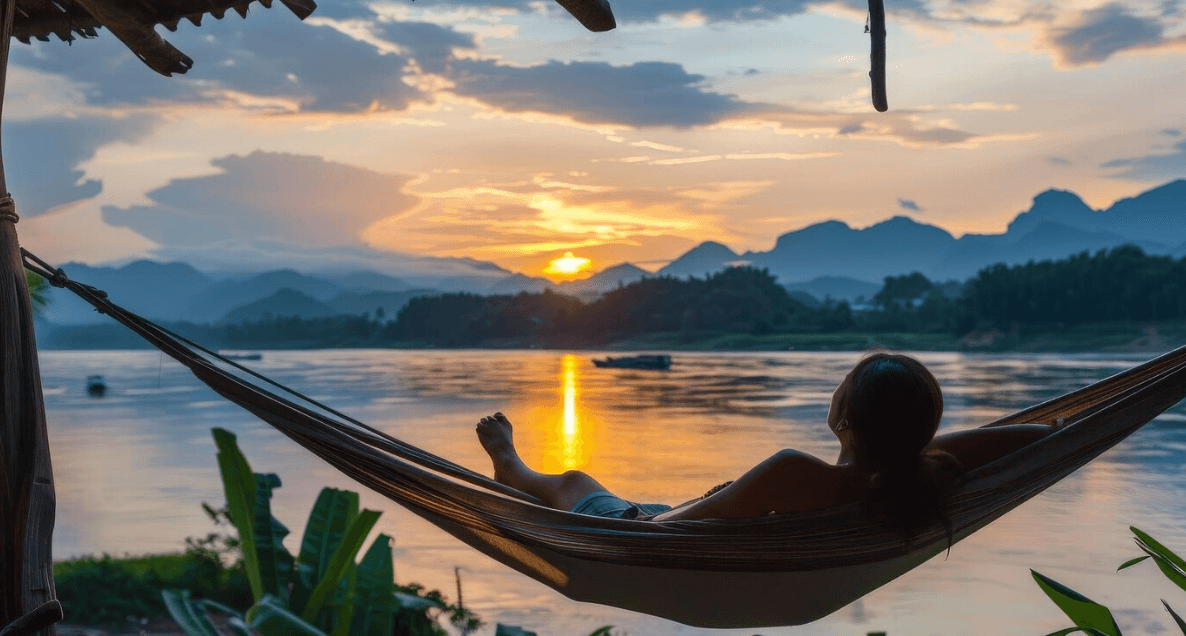
A vacation packed with hikes, tours, restaurants, scenic drives, and attractions can look perfect on paper. By day three, though, the same itinerary may feel like another job.
The opposite can happen too. Too much unstructured downtime can leave adventurous travelers wondering whether they missed the best parts of the destination.
The better approach is to design a trip around changing energy levels. Give yourself enough structure to experience the destination while protecting real periods of rest. The result is a vacation that feels memorable without becoming exhausting.
Why Vacation Recovery Matters
Rest is not wasted vacation time. A large meta-analysis indexed by the National Library of Medicine examined 32 studies and 256 effect sizes and found that vacations can have a substantial positive effect on employee well-being. The researchers also found that psychological detachment and physical activity may be particularly valuable during time away.
That makes a strong case for combining movement and recovery rather than choosing only one.
Choose a Home Base That Makes Both Easy
Where you stay can determine how difficult it is to switch between activity and downtime.
Travelers exploring the central Oregon Coast, for example, can consider Salishan Coastal Lodge Hotel when comparing accommodations that place outdoor recreation and relaxing resort experiences within the same trip.
This type of setup reduces the need to choose between an active vacation and a restful one. It can also simplify planning for travelers comparing Oregon Coast resorts, Gleneden Beach hotels, or Oregon Coast spa resorts.
Start With Your Vacation Priorities
Before booking activities, decide what you actually want to feel when the trip ends.
Do you want to return energized, rested, inspired, connected with family, or challenged by something new?
Your answer should shape your schedule.
Someone visiting the Oregon Coast primarily to recharge may want leisurely mornings, beach walks, spa time, and one major activity every other day. A traveler who enjoys hiking, kayaking, cycling, or exploring coastal communities may prefer more activity with shorter recovery periods.
There is no universal adventure-to-rest ratio.
Plan One Main Activity Per Day
One of the easiest ways to overload a vacation is to schedule several major activities on the same day.
Instead, choose one anchor experience.
That could be:
A coastal hike
A kayaking excursion
A round of golf
A scenic drive
A guided tour
A spa appointment
Everything else should remain lighter or optional.
If your morning involves a long hike, spend the afternoon reading, walking on the beach, enjoying a leisurely meal, or relaxing at your hotel. You still experience the destination without treating every available hour as something that must be filled.
Alternate High-Energy and Low-Energy Days
A demanding day may feel fine until another demanding day immediately follows it. Instead, alternate intensity whenever possible.
For example, schedule hiking on Monday, a relaxed coastal exploration on Tuesday, kayaking on Wednesday, and a spa or beach afternoon on Thursday.
Outdoor recreation clearly remains a major part of American travel. The National Park Service recorded more than 323 million recreation visits across the National Park System in its latest annual figures.
Match Activities to Your Natural Energy
Consider when you normally feel most energetic.
For many travelers, mornings work well for hiking, cycling, kayaking, sightseeing, or other physical activities. Afternoons can then become slower, especially after lunch.
Other travelers prefer relaxed mornings and become more active later.
Instead of copying somebody else's ideal itinerary, build around your own rhythm. Families should also consider children's schedules, while multigenerational groups may need different activity options.
Travelers researching pet-friendly hotels on the Oregon Coast should think about their pet's routine too. Long excursions may require planning around walks, feeding, rest, and hotel policies.
Information Gain: Try the Energy Budget Method
Most itineraries track time. Few track energy.
Before finalizing your vacation, give every planned activity an energy score:
1 point: Very relaxing, such as reading or spa time
2 points: Light activity, such as a beach walk
3 points: Moderate sightseeing or recreation
4 points: Physically demanding activity
5 points: Full-day excursion or challenging adventure
Try not to stack two activities rated four or five on consecutive days.
If one day reaches five points, deliberately make the following morning one or two points.
This method helps identify hidden itinerary overload before the vacation begins. It is especially useful for couples, families, and groups whose members have different stamina levels.
Use Nature for Both Adventure and Recovery
Some experiences do not need to fit neatly into either the adventure or relaxation category.
Nature can provide both.
A coastal walk, easy forest trail, wildlife viewing stop, or quiet beach outing provides movement without requiring the intensity of a major excursion.
On the Oregon Coast, changing weather can also work in your favor. A rainy period might become spa time, a long lunch, or an opportunity to slow down rather than a ruined afternoon.
Frequently Asked Questions
How do you balance adventure and relaxation on vacation?
Choose one major activity per day, leave part of the schedule open, and alternate demanding experiences with lighter ones. Consider your natural energy levels when scheduling activities. The goal is to create a rhythm where adventure adds excitement while regular downtime prevents physical and mental fatigue.
How many activities should you plan each day on vacation?
For most leisure trips, one major scheduled activity per day provides a practical starting point. Smaller experiences such as meals, short walks, shopping, or sightseeing can fit around it. Leaving several hours unscheduled gives travelers flexibility when weather, energy levels, transportation, or personal preferences change.
Should you schedule rest days during a vacation?
Yes. Rest periods can prevent several active days from becoming exhausting. A full rest day may help during longer or physically demanding vacations, but recovery can also be built into every day through slow mornings, spa appointments, beach time, leisurely meals, or completely unplanned afternoons.
What makes a vacation actually relaxing?
A relaxing vacation provides freedom from constant deadlines and decisions while matching the traveler's preferred pace. Comfortable accommodations, manageable transportation, adequate sleep, flexible scheduling, enjoyable meals, time outdoors, and fewer mandatory activities can all help. Relaxation does not necessarily mean inactivity. Gentle recreation can also feel restorative.
How can families balance different vacation interests?
Choose a few shared experiences everyone values, then allow smaller groups to pursue different activities. Avoid requiring every traveler to participate in everything. Build meeting points around meals or evenings and keep enough downtime for everyone. This approach reduces schedule conflicts while giving each person some control over the vacation.
Actionable Takeaways for a Better-Balanced Vacation
Before finalizing your itinerary, identify your vacation goal and choose a destination that supports both activity and downtime.
Schedule one major experience per day, alternate demanding and lighter activities, reduce unnecessary driving, and protect unscheduled time.
Most importantly, treat rest as part of the vacation rather than leftover time between adventures.
The best itinerary is not the one with the most activities. It is the one that gives you enough energy to enjoy the experiences you choose.