
How to Build a Baby-Friendly Road Trip Itinerary: Flexible Stops, Shorter Drives, and Scenic Breaks
By
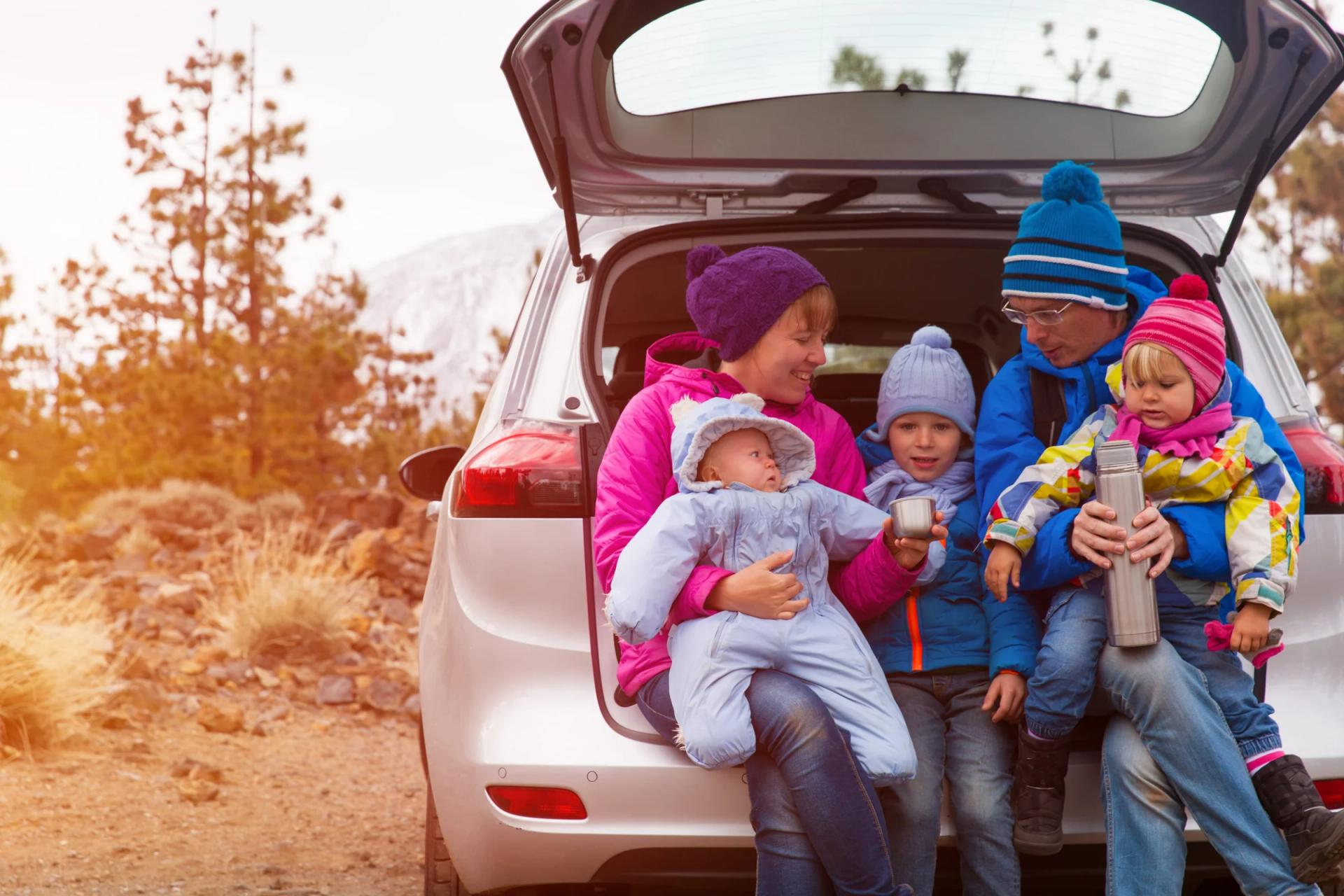
A road trip with a baby brings a different rhythm to travel. Feeding breaks, diaper changes, and nap schedules become part of the journey, alongside scenic routes and interesting places to explore.
With a little preparation, these extra stops can make the trip more enjoyable. A quiet park, a welcoming roadside café, or a small town along the highway can become a highlight of the day.
A baby-friendly itinerary combines manageable driving distances, convenient stopping points, and enough flexibility to accommodate your family's needs.
Here's how to plan a road trip that works for everyone.
1. Choose Your Main Destination and Build a Flexible Route
Start by choosing the destination you most want to visit. It could be a coastal town, a mountain cabin, a lakeside resort, or a national park.
Once you've selected your destination, explore the route and identify a few interesting places along the way.
Think of your itinerary in two layers:
Main destination: The place you plan to reach by the end of the day.
Optional stops: Scenic viewpoints, parks, cafés, or small towns you can explore when time allows.
For example, a drive to a lakeside cabin might pass through a historic downtown, a nature reserve, and a scenic overlook. Choose one place for a longer stop and keep the others as optional additions.
Travel time is another important consideration. A route that takes four hours under normal conditions will take longer when traveling with a baby.
Check alternative routes and nearby overnight accommodation if you're planning a particularly long journey. Having these options ready makes it easier to adjust your plans when needed.
2. Divide Your Drive Into Manageable Segments
Breaking a long drive into shorter sections gives everyone opportunities to rest and recharge.
Plan regular breaks, generally around every two hours or sooner according to your baby's needs. The American Academy of Pediatrics recommends taking breaks approximately every two hours during daytime car journeys with babies.
These stops provide time for feeding, diaper changes, and a break from the car seat.
You can also consider your baby's usual routine when choosing a departure time. Some families find that traveling around a familiar nap period works well, while others prefer getting an early start after the morning feeding.
When calculating your arrival time, include:
Planned feeding and diaper-changing breaks
Time for meals and refreshments
Traffic around cities and popular destinations
Additional time for unexpected stops
For longer trips, consider dividing the journey across two days. An overnight stay in an interesting town can add another enjoyable destination to your vacation.
3. Find Baby-Friendly Rest Stops Along the Way
A good stopping point makes a significant difference when traveling with an infant.
Before leaving, use your navigation app to identify rest areas, parks, cafés, and visitor centers along your route.
Prioritize locations with practical facilities, including:
Clean restrooms and diaper-changing stations
Shaded seating or comfortable indoor spaces
Convenient parking
Space for feeding and short walks
Stroller-friendly paths where available
Highway service areas are useful for quick breaks, especially when you need access to several facilities in one place.
For longer stops, consider a community park or a small town with restaurants and a walkable center. These locations give everyone a chance to spend time outside the vehicle.
Save at least one alternative location near your planned major stops. A nearby visitor center or café can be useful if the original destination is crowded, closed, or affected by bad weather.
Check opening hours and facilities in advance, particularly when traveling outside the main tourist season.
4. Make Scenic Stops Part of the Journey
One of the pleasures of a road trip is discovering interesting places between destinations.
When traveling with a baby, look for attractions that are easy to access and enjoyable during a relatively short visit.
Some good options include:
Scenic overlooks: Choose viewpoints with nearby parking and accessible walking paths.
Lakeside parks: These often provide picnic areas, shaded seating, and pleasant surroundings for a longer break.
Historic town centers: A short walk through a small town can offer local shops, cafés, and opportunities to explore.
Botanical gardens: Gardens with stroller-friendly paths can provide a relaxing outdoor experience.
Consider the weather and time of day when planning these stops. Shaded parks and indoor attractions may be more comfortable during hot afternoons.
For most travel days, one main sightseeing stop is a practical starting point. You can add another attraction if your schedule and your baby's routine allow.
This approach gives your journey a sense of discovery while keeping the day manageable.
5. Organize Your Car for Easier Travel Days
A well-organized car helps make frequent stops and transitions between destinations easier.
Begin by checking that your baby's car seat is correctly installed and appropriate for their age and size. Follow the manufacturer's instructions for the harness and recline angle.
Next, organize your travel supplies according to how frequently you'll need them.
Keep everyday essentials easy to reach when parked:
Diapers, wipes, and a portable changing mat
Spare clothes and bibs
Feeding supplies
Burp cloths and small towels
Bags for used diapers or soiled clothing
A familiar toy or comfort item
Pack overnight supplies and less frequently used items separately to keep the passenger area organized.
A compact changing bag is particularly useful for roadside stops. You can take everything you need into a rest area without unpacking the entire vehicle.
For families traveling with a rear-facing infant, ababy car camera can provide a convenient view of the back seat from the front of the vehicle. If your baby needs attention, pull over safely before responding.
It's also worth downloading offline maps, checking your vehicle's charging options, and keeping suitable snacks and water available for adults.
These small preparations make it easier to focus on enjoying the journey.
6. A Sample One-Day Road Trip Itinerary With a Baby
Here's an example of how to structure a scenic road trip with approximately three hours and 45 minutes of driving.
The family is traveling to a lakeside destination, with a community park and a historic town planned along the route.
9:00 AM — Depart after the morning routine
Feed and change your baby before leaving. Check the weather and traffic conditions, then begin the first driving segment.
10:15 AM — Take a break at a community park
Stop somewhere with restrooms, shade, and space for a short walk.
Use this time for feeding, a diaper change, and a break outside the car. Allow approximately 30 minutes, adjusting to your baby's needs.
10:45 AM — Continue toward a historic town
Resume the journey, with a backup rest area saved along the route.
Enjoy the changing scenery and keep the schedule flexible.
12:00 PM — Lunch and sightseeing
Arrive in a small town with convenient parking and a walkable center.
Have lunch, explore a few local shops, or enjoy a short walk. This is the day's main sightseeing stop.
Plan for approximately an hour, with extra time available if needed.
1:00 PM — Begin the final driving segment
Continue toward the lakeside destination.
If your baby needs another break, use one of the alternative stops identified before departure.
2:15 PM — Arrive and settle in
Check into your accommodation and unpack the essentials.
Spend the rest of the afternoon enjoying the surroundings. A quiet lakeside walk or relaxed family dinner can be a pleasant way to finish the day.
Adjusting the Schedule
This itinerary includes three driving segments, two main breaks, and one sightseeing destination.
The times are illustrative and can be adjusted according to your baby's feeding schedule, traffic, and the distance between stops.
If lunch takes longer than expected, shorten the sightseeing walk. If traffic delays your arrival, use the more direct route to your accommodation.
Having a few flexible options makes it easier to enjoy the day as it unfolds.
Final Thoughts
A baby-friendly road trip begins with a realistic route and thoughtfully chosen stops.
Choose a destination that excites your family, divide the driving into comfortable sections, and identify places where everyone can rest and explore.
A little flexibility can turn an ordinary travel day into a collection of memorable experiences, from discovering a quiet park to enjoying lunch in a town you hadn't planned to visit.
With the right itinerary, the journey becomes an enjoyable part of your family vacation.