
Paphos by Car: A 2-Day Road Trip Through Western Cyprus on Paved Roads
By
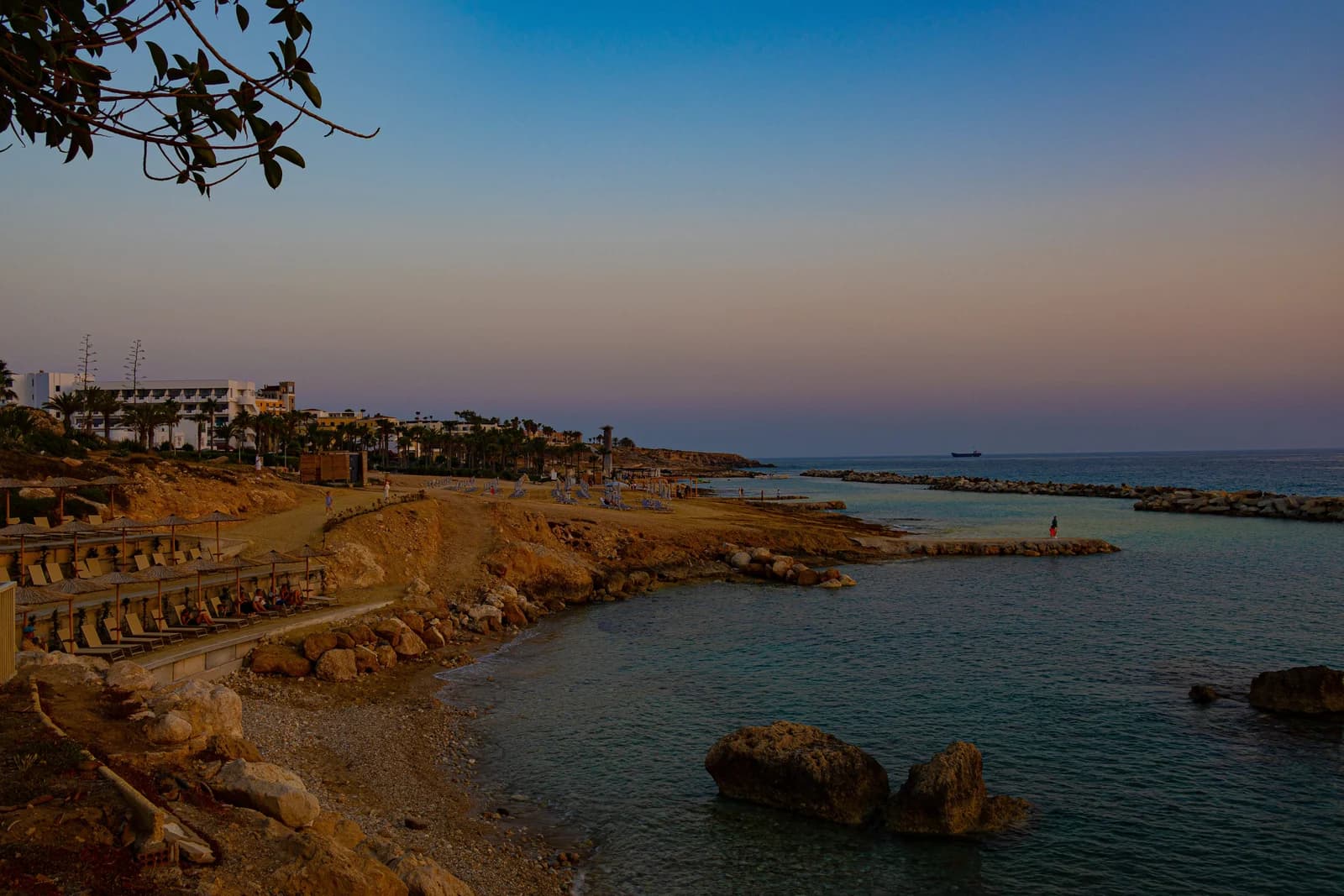
Paphos is a convenient base for independent road trips because interesting places begin almost as soon as you leave the city. There is no need to cross the whole of Cyprus to experience a completely different landscape. In two days, you can combine ancient sites, open coastline, stone villages, the hills of Laona, Polis and the small harbour of Latchi.
For a route like this, choosing the right car and rental conditions matters more than simply finding the lowest daily rate. On RentGo Paphos, visitors can compare offers from local rental providers, including selected cars available without a large deposit or without a mandatory credit card. Before booking, check the accepted payment method, insurance excess, mileage policy, fuel terms and collection conditions for the exact vehicle.
This itinerary has deliberately been planned without off-road driving. All main sections use normal paved roads. Remote tracks inside Akamas, including routes towards Lara Beach, Fontana Amorosa and other places that may require driving on unpaved roads, are not included.
2-Day Route Overview
Day | Route | Main Stops |
|---|---|---|
1 | Paphos, Kouklia, Petra tou Romiou | Kato Paphos, Tombs of the Kings, Kouklia, Aphrodite's Rock |
2 | Paphos, Peyia, Pano Arodes, Drouseia, Polis, Latchi | Laona villages, Polis, Latchi Harbour, Baths of Aphrodite |
Day 1: Ancient Paphos, Kouklia and Petra tou Romiou
The first day is best started early. Paphos archaeological sites are largely exposed, so morning hours are more comfortable during the warmer months.
There is another reason to combine Kato Paphos, the Tombs of the Kings and Kouklia in one day. These are not simply separate popular attractions. They are historically connected and form part of the UNESCO World Heritage property of Paphos.
Kato Paphos Archaeological Park
Leave the car near the harbour and explore the main part of the area on foot.
The archaeological park covers a large open site containing the remains of ancient buildings, Roman villas, public structures and the mosaic floors for which Nea Paphos is particularly well known.
Allow around two hours for the visit. Seeing only a few mosaics and leaving quickly does not give a proper sense of the scale of the ancient city.
During summer, bring water, sun protection and footwear suitable for walking on uneven surfaces.
Paphos Harbour
After the archaeological park, there is no need to return to the car immediately. The promenade, harbour and medieval castle are all nearby.
This is a convenient place for coffee or an early lunch. Restaurants directly on the waterfront are geared largely towards visitors, while walking a few streets back usually brings a wider choice of places to eat.
There is no need to spend half the day here. Two more historical stops and the open coast are still ahead.
Tombs of the Kings
The Tombs of the Kings are only a short drive north of the harbour. Despite the name, the complex was not a burial place for Cypriot kings. The monumental tombs are associated with wealthy and high-ranking residents of ancient Paphos.
The atmosphere is completely different from Kato Paphos. Chambers were cut directly into the rock, some complexes contain inner courtyards and columns, and the surrounding coastal landscape is open and dry.
Allow around an hour or slightly longer. In midsummer, avoid scheduling the visit for the hottest part of the day because shade is limited.
Kouklia: More Than a Stop on the Way to Aphrodite's Rock
From Paphos, continue east towards Kouklia. The village occupies the area of ancient Palaipafos and is directly connected with the historic cult of Aphrodite.
The Sanctuary of Aphrodite at Palaipafos is one of the key archaeological sites for understanding the history of the region. Kouklia therefore deserves to be treated as a destination in its own right, rather than simply a stop between Paphos and the sea.
How Long to Spend in Kouklia
Around two hours is enough to see the archaeological area, walk through the village centre and have a relaxed lunch.
Park near the central part of the village and continue on foot. There is little reason to drive between individual points on the old streets.
Kouklia is also a good place for a simple village lunch. Halloumi, salads, olives, dips, vegetables, grilled meat and a few smaller dishes to share work well in the middle of a driving day.
Petra tou Romiou
After Kouklia, continue towards Petra tou Romiou, widely known as Aphrodite's Rock.
Leave the car in the visitor parking area and continue to the coast on foot. There is no reason to stop on the main road simply for a photograph.
The shoreline is mainly pebbled and rocky. The sea can be rough, so Petra tou Romiou should not automatically be treated as a swimming beach.
It is more rewarding to leave time for a walk along the shore. Later in the afternoon, the light becomes softer and organised tour groups often begin to leave.
Should You Add Another Stop on Day 1?
Not necessarily. Kato Paphos, the Tombs of the Kings, Kouklia and Petra tou Romiou already create a full day.
Adding several more beaches often means spending only fifteen minutes at each place. For a road trip, that is rarely a worthwhile trade-off.
Day 2: From Paphos Through the Laona Villages to Latchi
The second day feels completely different. Archaeological sites give way to hills, stone villages and roads leading towards the north-west coast.
The route passes through Peyia, Pano Arodes and Drouseia before reaching Polis. These are normal road connections suitable for a standard passenger car. Between villages, stay on the main paved roads and ignore navigation shortcuts that lead onto unpaved tracks.
Peyia
Leave Paphos in the direction of Coral Bay, then continue uphill towards Peyia.
This makes a convenient first stop before entering the rural part of the route. The centre has cafés, bakeries and shops where you can pick up water or something for the road.
Higher parts of Peyia also offer broad views towards the coast. Around 30 minutes is enough before continuing inland.
Pano Arodes
Beyond Peyia, development becomes more scattered and the road enters the rural landscape of Laona.
Pano Arodes is appealing for its atmosphere rather than a long list of attractions. Stone houses, a small square, older streets and surrounding hills provide a very different impression of the Paphos region compared with the coastal resorts.
There is no need to drive to every point in the village. Park where there is enough space and explore the centre on foot.
Thirty to sixty minutes is enough for a relaxed visit.
Drouseia: A Good Place for Lunch
Drouseia sits above Chrysochou Bay. During hot weather, the higher elevation can feel noticeably more comfortable than the coast.
The village works well as the main lunch stop on the second day. There is little reason to plan the route around one specific restaurant, as smaller tavernas can operate seasonal opening hours.
After lunch, continue towards Polis on the main road. Navigation apps may occasionally suggest shorter local routes, but there is no practical reason to leave the paved road network in a rental car.
The Road to Polis
After the higher villages, the route begins to descend towards Chrysochou Bay. This is one of the most attractive sections of the drive, especially as the sea gradually appears between the hills.
The road includes bends and elevation changes but does not require a special vehicle. A standard compact car is perfectly suitable.
Do not stop on narrow bends for photographs. Wait for a place where the car can be moved completely away from traffic.
Polis Chrysochous
Polis is small and noticeably quieter than Paphos. Its central area is suitable for a short walk, coffee or a break before continuing to the coast.
There is no need to spend half a day here if Latchi and the Baths of Aphrodite are the main destinations. Around an hour is enough for a first visit.
Latchi: Finish the Driving Day by the Sea
Latchi is only a short drive from Polis.
The village developed around a small harbour filled with fishing boats, yachts and excursion vessels. Cafés and fish restaurants line the waterfront.
This is not a stop to compress into twenty minutes. After several hours on the road, it is worth leaving the car, walking around the harbour and spending some time beside the water.
If the Blue Lagoon or the remote coastline of Akamas is part of the plan, Latchi is a convenient departure point for a separate boat trip. There is no need to include those locations in this driving route.
Baths of Aphrodite
From Latchi, continue along the normal paved road to the Baths of Aphrodite.
The grotto itself is small. The reason to come here is the green coastal setting and the opportunity to finish the day with a short walk.
The driving section of this itinerary ends at the Baths of Aphrodite.
Do not continue deeper into Akamas with a standard rental car. Some roads in the protected area are unpaved, and private vehicle access can be restricted on certain sections.
After the Baths of Aphrodite, return using the same normal road network through Latchi and Polis.
Can This Route Be Done in One Day?
It is technically possible to drive from Paphos through the villages to Latchi and return in the evening. Combining that trip with Kouklia, Petra tou Romiou and the archaeological sites of Paphos does not make sense.
Two days create a much better rhythm:
Day 1 focuses on historic Paphos, Kouklia and the southern coast.
Day 2 follows Peyia, the Laona villages, Polis and Latchi.
This leaves time for lunch, walking and proper stops without spending most of the holiday inside the car.
A 3-Day Alternative
If an extra night is available, stay in Polis or Latchi after the second day.
The third morning can then be used for a boat trip, time beside the coast or another few hours around the Baths of Aphrodite before returning to Paphos on paved roads.
This option works particularly well when the priority is a relaxed pace rather than the maximum number of locations.
Where to Stay
Kato Paphos
A convenient area for a first visit to the city. The harbour and archaeological zone are nearby, while the main roads out of Paphos are easy to reach.
Check parking separately before booking an apartment. The phrase "parking nearby" does not always mean a guaranteed private parking space.
Coral Bay
Useful for combining beach time with road trips. It also shortens the start of the second-day route through Peyia towards the Laona villages.
Peyia
A quieter residential area above Coral Bay. It is convenient for travellers planning to spend more time in the north-western part of the region.
Polis or Latchi
Both make sense for one overnight stay if you do not want to return to Paphos immediately after Day 2. Latchi is particularly convenient for morning boat departures.
Which Car Should You Choose?
A large SUV is unnecessary for this itinerary. All included routes use normal paved roads.
A compact car is easy to manage in villages, convenient for parking and comfortable enough for the drive to Polis.
An automatic transmission can be useful for drivers experiencing left-hand traffic for the first time. With less attention required for gear changes, it is easier to focus on road position, roundabouts and changes in elevation.
Families should check the actual boot capacity rather than only the number of seats. This is especially important when collecting the car directly after a flight with several large suitcases.
Driving in the Paphos Region
Cyprus uses left-hand traffic. The greatest concentration is usually required not on long straight roads but after stops, when leaving parking areas, at junctions and on roundabouts.
consciously return to the left side of the road after every stop;
follow road signs and lane markings at roundabouts;
slow down before narrow village streets;
do not stop on bends for photographs;
park without blocking entrances to private properties;
stay on the main roads between Drouseia and Polis;
ignore unpaved shortcuts suggested by navigation apps;
download an offline map before driving through rural areas.
What to Check When Renting a Car
A low daily rate tells only part of the story about the final rental cost.
Before paying, check:
the security deposit;
accepted payment methods;
whether a physical card is required;
whether the card must belong to the main driver;
the insurance excess;
insurance exclusions;
conditions covering tyres, glass and the underside of the vehicle;
the mileage allowance;
the fuel policy;
additional driver conditions;
vehicle collection and return rules.
No credit card and no deposit are different conditions. A car may be available without a credit card but still require a deposit. A no-deposit booking also does not automatically mean zero insurance excess.
What to Do When Collecting the Car
Before leaving, photograph the vehicle from all sides.
Record:
the bumpers;
doors and side panels;
wheels and tyres;
windscreen;
mirrors;
fuel level;
current mileage.
Any existing damage should be recorded in the provider's handover report or inspection system before the rental begins.
Also confirm the correct fuel type and save the roadside-assistance contact number.
Why This Route Works Better Than a List of Ten Beaches
Western Cyprus is interesting not because of the number of locations on the map, but because of how quickly the surroundings change.
On the first day, you can walk among Roman mosaics, visit the archaeological site at Kouklia and finish beside the sea at Petra tou Romiou.
The next morning, the view changes to stone villages, the hills of Laona and a road descending towards Chrysochou Bay. After lunch in a village, you can walk through Polis and finish the day beside the boats in Latchi.
In this format, the car never becomes the centre of the trip. It simply makes it possible to explore western Cyprus at a comfortable pace, without unpaved roads, unnecessary risks or an attempt to fit the entire region into a single day.