Architectural History In Ostrog
Montenegro Posted by Brandon B.Admin
Ostrog Monastery: Where the Mountain Becomes the Wall
Ostrog Monastery is one of the most striking religious sites in the Balkans, and arguably the single most visited destination in Montenegro. Built into a near-vertical cliff face roughly 900 meters above the Zeta River valley, the monastery doesn't look like it was constructed so much as pressed into the mountain itself. If you're traveling through Montenegro and you visit only one place beyond the coast, most locals would point you here.
The architectural story of Ostrog is inseparable from the spiritual one. The two churches tucked into the rock are not freestanding buildings. They are carved into and built against the cliff in a way that blurs the line between human construction and natural formation. That tension is what makes the place so visually arresting, even before you know anything about its history.
Why Ostrog Matters Beyond Religion
Ostrog draws pilgrims from across the Orthodox Christian world, but it also pulls in secular visitors, architects, historians, and anyone who has seen a photograph and needs to confirm that it's real. The Upper Monastery, with its white-painted facades pressed flush against the dark limestone, has become one of the defining images of Montenegro as a country.
From a purely architectural standpoint, the site raises questions that most buildings don't. How was this built? How does it stay there? The answer involves centuries of incremental construction, repair, and reinforcement, with the cliff doing much of the structural work that foundations would normally do. It's a genuinely unusual approach to sacred architecture, and there's nothing quite like it in the immediate region.
Quick Facts
- Location: Above the Zeta valley, roughly 15 kilometers from Danilovgrad
- Elevation of Upper Monastery: approximately 900 meters above sea level
- Founded: 17th century, with the Upper Monastery established around 1665
- Denomination: Serbian Orthodox Christian
- Entry: Free to enter, though donations are welcomed
- Dress code: Modest clothing required. Shoulders and knees should be covered. Wraps are sometimes available at the entrance
- Active monastery: Yes. Monks live and work here year-round
Getting There
Most visitors arrive by car or organized tour. The road up to the Lower Monastery is paved and manageable, but the final stretch to the Upper Monastery involves a steep, winding road that requires attention. If you're driving yourself, give more time than you think you need. Parking fills quickly in summer and on religious holidays.
From Podgorica, the drive takes around 45 minutes depending on traffic and which route you take. From the Adriatic coast towns, expect somewhere between 90 minutes and two hours. There is no direct rail connection. Bus options exist from Podgorica but may require walking a significant uphill stretch, so check current schedules before committing to that approach.
Many visitors choose to walk the pilgrimage path from the Lower Monastery to the Upper, a route that takes roughly 30 to 45 minutes on foot depending on your pace and the heat. Pilgrims often walk this barefoot. You don't have to, but it gives you a sense of the scale and the devotion the site inspires.
The Layout and Experience
Ostrog is divided into two distinct levels. The Lower Monastery, built in the 18th century, sits at the base of the cliff and functions more like a conventional monastery complex. It has a church dedicated to the Holy Trinity and serves as the starting point for most visits. The grounds here are relatively open, with space to pause before the climb.
The Upper Monastery is the one that stops people in their tracks. It contains two small cave churches: the Vine Church (Crkva Časnog Krsta) and the Presentation Church (Crkva Svetog Stefana). Both are physically embedded in the rock. The Presentation Church holds the relics of Saint Vasilije of Ostrog, the 17th-century bishop whose life and reported miracles transformed this cliff into a pilgrimage destination. The relics are kept in a silver casket and attract a steady stream of worshippers throughout the year.
Inside the cave churches, the frescoes are painted directly onto the rock surface. Some date to the 17th century. The scale is intimate, almost claustrophobic during busy periods, but the quality of the painting and the strangeness of the setting make it unlike any other church interior you're likely to walk into.
History and Background
Vasilije Jovanovic, who became Bishop of Zahumlje and Skenderija, retreated to this cliff site in the 1650s after years of conflict with the Ottoman administration in the region. He spent roughly 15 years at Ostrog before his death in 1671. Within decades, accounts of miraculous healings attributed to his intercession began spreading across the Balkans. He was canonized as Saint Vasilije of Ostrog, and the site grew in importance throughout the 18th and 19th centuries.
The original cave hermitage predates Vasilije by centuries. Earlier monks had already recognized the cliff as a place of retreat and spiritual significance. What Vasilije did was expand it, commission frescoes, and establish the Upper Monastery as a functioning religious community rather than a simple hermitage.
In 1714, the Lower Monastery was added to the complex, giving the site its current two-tier structure. Over the following centuries, both levels were damaged, repaired, and rebuilt multiple times, yet the core of the Upper Monastery has retained its essential character. The whitewashed exterior walls that cling to the cliff face are among the most photographed architectural details in the country.
Best Time to Visit
The site is open year-round, but the experience changes dramatically by season. Summer brings the largest crowds, especially around religious feast days. The Feast of Saint Vasilije falls in May, and the crowds on that date are significant, drawing Orthodox pilgrims from Montenegro, Serbia, Bosnia, and beyond. If you want a quieter visit focused on the architecture and frescoes, late spring or early autumn tends to work better.
Winter visits are possible and genuinely atmospheric. Snow on the cliff and the white monastery walls creates a remarkable visual, and you'll often have the place nearly to yourself. The access road can be icy, so check conditions before going between December and February.
Mornings are almost always better than afternoons. The light hits the cliff face well in the morning hours, and tour groups from the coast tend to arrive later in the day.
Photography Tips
The classic shot of the Upper Monastery requires distance. You won't get a full view of the white buildings against the cliff from directly below. The best angles come from the road as you approach, or from specific viewpoints along the path up from the Lower Monastery. Look for gaps in the vegetation as you climb.
Inside the cave churches, photography is generally restricted or discouraged out of respect for worshippers. Read any posted signs carefully and take your cues from the monks or staff present. The exterior details, the whitewashed walls, the wooden balconies, and the textures where plaster meets raw rock, offer plenty of material without needing to go inside with a camera.
Combining with Nearby Attractions
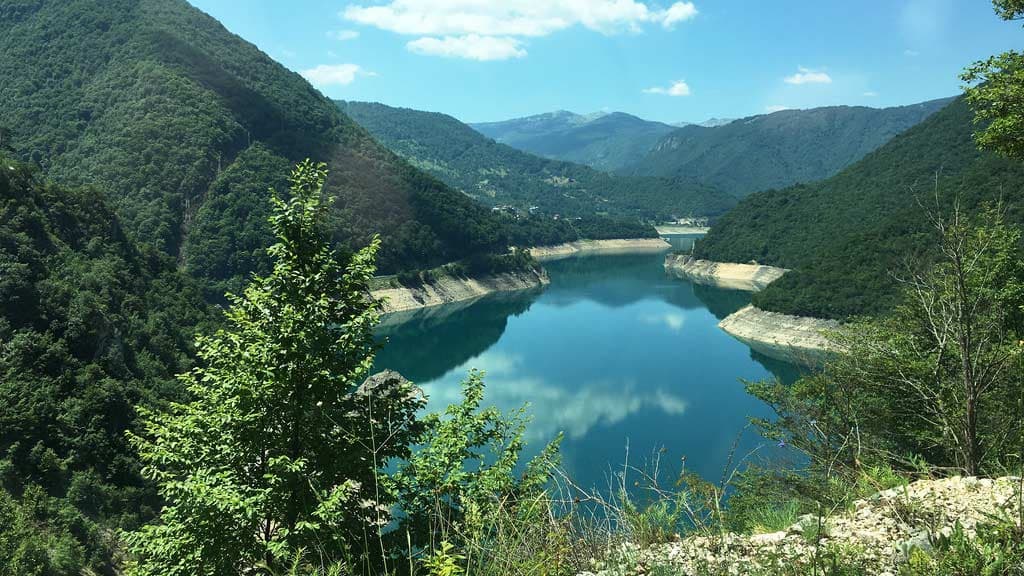
Ostrog sits within reasonable driving distance of several other worthwhile stops. The town of Nikšić, Montenegro's second-largest city, is roughly 40 minutes away and has its own old town character and the large Church of the Holy Trinity worth an hour of your time. The Zeta valley below the monastery offers views that reward a slow drive rather than a direct highway run.
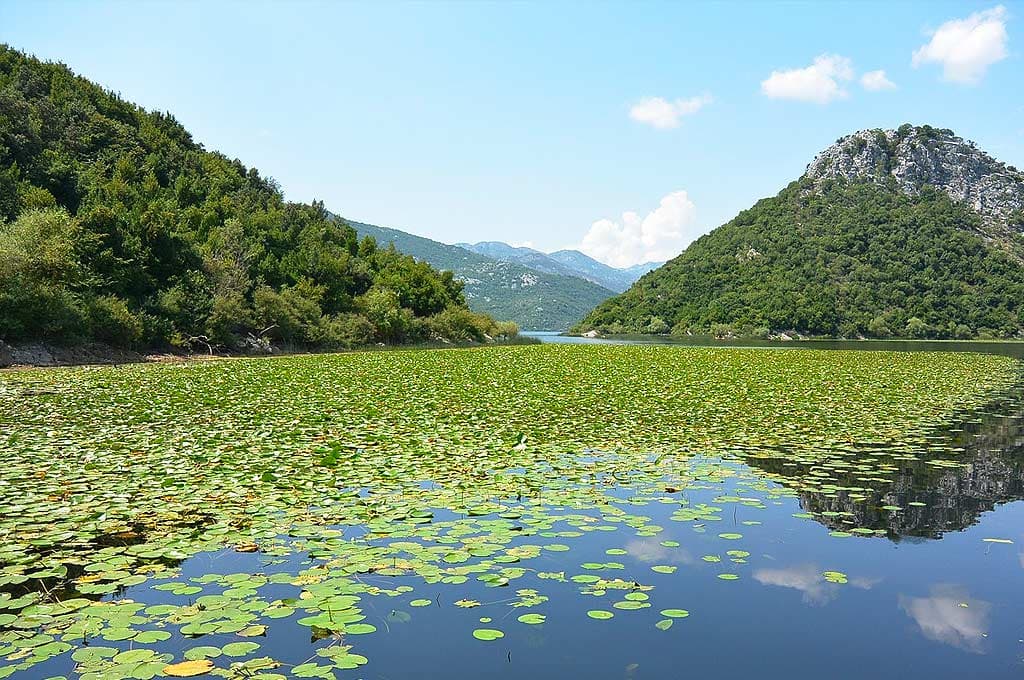
If you're making a longer day of it from Podgorica, you could combine Ostrog with a stop at Skadar Lake National Park on the return, though that makes for a full day. Most organized day trips from the coast pair Ostrog with one other inland stop rather than trying to cram in more.
Practical Tips
- Arrive before 10am if you want the Upper Monastery without a crowd pressing around you
- Wear comfortable shoes. The path between the two monastery levels is uneven and steep in places
- Bring water, especially in summer. There are limited facilities at the Upper Monastery level
- Modest dress is not optional. The monastery is an active place of worship and visitors who arrive underdressed may be turned away or asked to borrow a cover
- If you plan to visit on a major feast day, expect to queue and allow significantly more time
- Photography inside the cave churches should be approached with caution and respect. When in doubt, ask
- There is a small shop and canteen area near the Lower Monastery. Don't count on much beyond the basics
FAQ
Is Ostrog Monastery free to visit?
Entry to the monastery is free. Donations are accepted and appreciated, and there are candles available for purchase at the churches for those who wish to light one as part of their visit.
Can non-Orthodox visitors enter?
Yes. Visitors of any background are welcome, provided they dress modestly and behave respectfully. The site receives a large number of non-Orthodox tourists and there is no restriction on entry based on faith.
How long does a visit take?
A typical visit runs between two and three hours if you include the walk between the upper and lower levels. If you arrive during a busy period and queue to enter the cave churches, add more time.
Is it accessible for people with mobility difficulties?
The Upper Monastery involves steep paths and uneven surfaces that make it genuinely difficult for visitors with limited mobility. The Lower Monastery is more accessible, but the full experience of Ostrog requires a reasonable level of physical fitness.
Opening hours
Reviews
Sign in and mark this place visited to leave a review.
No reviews yet.
Free Trip Planner
Plan your Montenegro trip with our free planner
Build a day-by-day itinerary with AI suggestions, hand-picked places, and friends. Free forever — no credit card.