Lake Piva
Montenegro Posted by Brandon B.Admin
What Lake Piva Actually Is
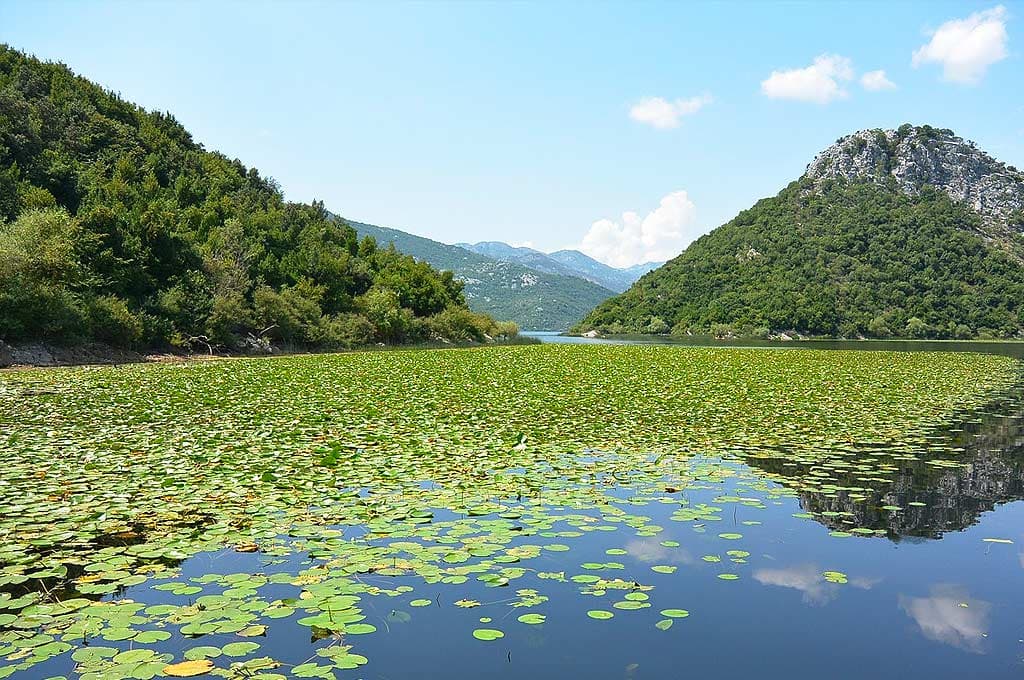
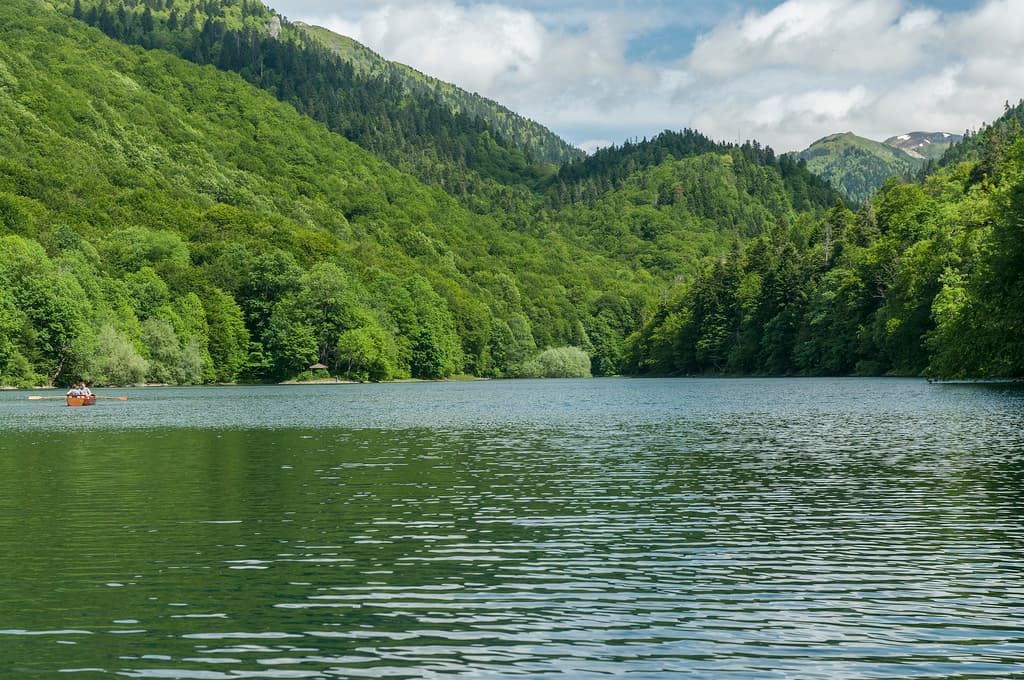
Lake Piva sits in the northwestern corner of Montenegro, tucked between the steep canyon walls of the Piva River gorge. It is an artificial lake, created in 1975 when the Mratinje Dam was completed, and at roughly 55 kilometers long it ranks among the largest reservoirs in the western Balkans. The water is a shade of blue-green that looks almost unreal on a clear morning, the kind of color that makes you stop and double-check whether someone has edited the photo.
Most visitors to Montenegro spend their time on the Adriatic coast or in Durmitor National Park, which actually borders the lake to the northeast. Lake Piva tends to be overlooked, which is precisely why it's worth going.
Why Lake Piva Matters
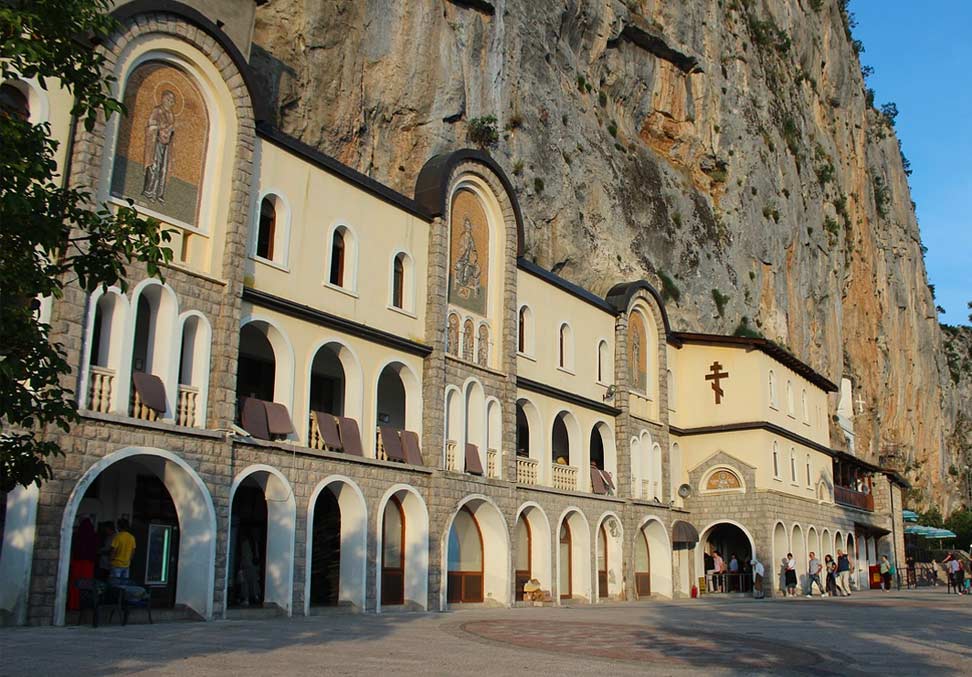
The lake's creation came at a significant cost. Before the dam was built, the entire medieval Piva Monastery complex had to be moved stone by stone to higher ground to save it from the rising waters. That monastery, originally built in the late 16th century under Ottoman rule, now stands just above the lake's northern shore near the town of Plužine. The relocation took years and is considered one of the more remarkable preservation efforts in Yugoslav-era history.
The canyon itself, carved by the Piva River over millions of years, reaches depths of over 1,000 meters in some sections. When the reservoir filled, it transformed that canyon into a navigable body of water while preserving the raw, vertical drama of the landscape above the waterline. What you see from the road or a boat is both entirely natural and entirely man-made at the same time.
Quick Facts
- Location: Plužine municipality, northwestern Montenegro, close to the Bosnian border
- Lake length: approximately 55 kilometers
- Created: 1975, following completion of the Mratinje Dam
- Nearest town: Plužine, roughly 15 minutes by car from the central part of the lake
- Piva Monastery: relocated 1969 to 1982, now accessible on the northern shore
- Closest major park: Durmitor National Park, bordering the lake to the northeast
- Entry: no fee to visit the lake itself; the monastery may have a small donation box
Getting There
Lake Piva is not the easiest place to reach without a car, but the drive in is genuinely part of the experience. From Nikšić, Montenegro's second-largest city, you follow the M18 road westward through increasingly dramatic mountain terrain. The journey takes around 90 minutes depending on traffic and road conditions, which can be slow on the switchback sections.
The road that runs along the lake's eastern shore passes through several short tunnels blasted directly into the canyon wall. These tunnels are narrow, often unlit, and sometimes single-lane. Drive slowly and use your headlights. It sounds more dramatic than it is, but first-time drivers should know what to expect.
From Podgorica, the capital, count on roughly two and a half to three hours. There is no direct public bus service to the lake itself, though buses do run to Plužine. If you arrive by bus, local taxis can take you along the shoreline road.
The Layout and Experience
The lake stretches roughly north to south, with Plužine sitting near its northern end. The town is small and functional rather than scenic, but it has accommodation, a few restaurants, and a fuel station, which matters given how remote everything else feels.
The eastern shore road is the main access route, passing viewpoints where you can pull over and look back across the water toward the canyon walls. There are no formal beach clubs or developed tourist infrastructure along most of the shoreline. What you get instead are small gravel and stone beaches, a few wooden jetties, and stretches of water that are almost entirely undisturbed.
Swimming is popular during summer, and the water temperature is cold even in July. It comes from snowmelt and deep reservoir layers, so if you are sensitive to cold water, go in slowly. The clarity is exceptional, especially in the northern sections away from any boat traffic.
Main Highlights
Piva Monastery
This is the single most important cultural site on the lake. The monastery was originally founded around 1573 by Bishop Savatije Sokolović, and its interior holds a collection of frescoes that survived the relocation remarkably well. The rebuilding effort, which involved dismantling and numbering thousands of individual stones and fresco fragments, took over a decade. Standing inside, it is hard to believe the building has been moved at all. Dress modestly if you plan to enter.
Mratinje Dam
The dam itself sits at the southern end of the lake and is one of the tallest arch dams in Europe, standing over 220 meters high. You can view it from the road above, and the scale of it against the canyon is genuinely startling. There is no formal tourist facility at the dam, but the viewpoint from the road is accessible and worth stopping for.
Canyon Views from the Tunnel Road
The series of tunnels along the eastern shore road were built in the 1970s during the dam's construction. Between the tunnels, the road opens onto sections of exposed cliff where you can see the full depth of the canyon dropping to the water below. These stretches have informal pull-offs used by photographers and anyone who wants to stand and take it in for a few minutes.
Best Time to Visit
Late spring and early autumn are the most comfortable seasons. In May and June the surrounding mountains are still green from snowmelt, the lake level is typically high, and the crowds from the coast have not yet migrated inland. September offers similar conditions with slightly warmer water temperatures for swimming.
July and August bring more visitors, though "more" is relative here. Even at peak summer, Lake Piva is quiet by any reasonable standard. The heat in the canyon can be intense during midday in August, so arriving early morning or late afternoon makes the drive more pleasant and the light better for photography.
Winter closes some of the mountain roads and makes the canyon road more hazardous. Unless you have experience driving in snow and ice, late October through April is best avoided.
Photography Tips
The best light on the water comes in the early morning before the canyon walls block the sun. From the eastern shore road, you are shooting roughly westward across the lake, which means the afternoon light catches the opposite canyon face well. Golden hour before sunset, if you can position yourself on a high viewpoint, produces the dramatic contrast between the dark canyon walls and the lit water surface that makes the lake look the way it does in the photographs that circulate online.
A polarizing filter helps significantly with the water color. Without one, the surface glare washes out the blue-green tones that make the lake distinctive. The tunnel road pull-offs offer the highest vantage points without requiring a hike.
Combining with Nearby Attractions
Durmitor National Park is the obvious pairing. The park entrance near Žabljak is roughly 40 minutes northeast of Plužine by car, and the Black Lake inside the park is a full day on its own. Many visitors split two or three nights between Plužine and Žabljak to cover both properly.
The Tara River Canyon, which feeds into the Piva system downstream, is close enough that a combined itinerary makes sense. Rafting on the Tara is a popular activity operating from the Šćepan Polje area, about 30 minutes south of Plužine near the Bosnian border. Several operators run day trips from that point.
Practical Tips
- Fill your fuel tank in Nikšić or Šavnik before heading to the lake. Fuel options near the lake are limited to Plužine.
- The tunnel road is narrow. If you meet a truck coming the other way, one of you will need to reverse to a wider section. Be patient.
- Mobile signal is patchy along most of the canyon road. Download offline maps before you leave.
- Bring your own food and water if you plan to spend time at the lake away from Plužine. There are no cafes or shops along the shore road.
- The water is cold even in midsummer. A wetsuit is not necessary but a quick-dry layer helps after swimming.
- If you plan to visit Piva Monastery, check locally whether it is open before making it the centerpiece of your day. Hours are not always consistent.
- Accommodation in Plužine ranges from budget guesthouses to simple apartment rentals. Book ahead in July and August.
FAQ
Can you swim in Lake Piva?
Yes, and many locals do throughout the summer. There are no designated swimming beaches with facilities, but several accessible spots along the shore work well. The water is cold and very clear.
Is Lake Piva worth visiting if you are already going to Durmitor?
Almost certainly yes. The drive from Žabljak to Plužine passes through some of the best scenery in Montenegro, and the lake adds a completely different character to the trip. It takes half a day at minimum to do it properly.
Do you need a 4WD vehicle?
For the main eastern shore road, no. A standard car handles it fine in dry conditions. If you want to explore any of the unpaved tracks leading down to the water, higher clearance helps but is not essential in summer.
Is there an entrance fee for the lake?
No fee applies for the lake itself. The monastery accepts donations and may charge a small entry fee depending on current arrangements, but the lake, canyon road, and viewpoints are all free to access.
Reviews
Sign in and mark this place visited to leave a review.
No reviews yet.
Free Trip Planner
Plan your Montenegro trip with our free planner
Build a day-by-day itinerary with AI suggestions, hand-picked places, and friends. Free forever — no credit card.